I have spent many years wandering across the historic lands of Europe. It is a safe place with a common currency and most people speak English. There are so many countries packed with history and famous sights. However, one problem always stops people from going. That problem is money. Europe is expensive. But I have found that if you are smart, you can see it all for a small cost. I want to share my secrets with you. Money should never be an obstacle to your dreams. This is my guide on the Best Way to Travel Around Europe Cheap.
Pick the Right Destinations to Save Money
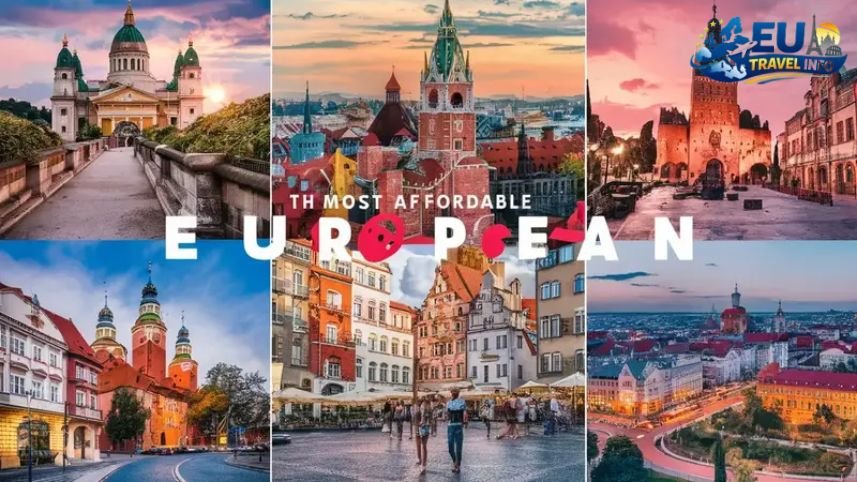
First of all, you must choose your locations wisely. The south and the east of the continent are much cheaper than the west and the north. I have saved thousands of dollars by spending more time in places like Portugal, Spain, Poland, Greece, and Bulgaria. On the contrary, countries like Sweden, Norway, Finland, Denmark, and Switzerland will drain your wallet fast. You should buy your clothes and supplies in the cheaper countries. This is basic travel planning.
I checked the latest data for 2025 city costs. Riga, the capital of Latvia, is the best cheapest place to travel in europe this year. It cost me under £253 for a full city break there. Vilnius in Lithuania is the second cheapest at about £254. Poland is a gold mine for budget travelers. It has three cities in the top ten cheapest list: Warsaw, Krakow, and Gdansk. If you must visit Western Europe, Lisbon and Porto in Portugal are the best place to go in europe cheap.
It is also smart to look at the daily budget. In Eastern Europe, a frugal traveler can live on $40 to $90 a day. In Western Europe, that jumps to $75 or $125 per day. Scandinavia is the most expensive at $100 to $150 a day. Therefore, I recommend you mix expensive cities with budget ones. This is how you stay on track.
How to Sleep for Free or Very Little
Accommodation is usually your biggest cost. However, it does not have to be. I have a secret weapon. It is called Couchsurfing. I Couchsurfed for over 50 nights on my last trip. It allowed me to save thousands of dollars. You stay in the homes of locals for free. No money ever changes hands. It is a community of travelers helping travelers. I even stayed in a luxury cabin in the Norwegian wilderness for free. It is a no brainer.
Additionally, hostels are a great choice. Europe has many trendy hostels in major cities. A dorm bed usually costs between $20 and $40 per night. I always try to support the smaller hostels. They are often cheaper and feel more like home. Some of the lounges are even nicer than my own house. Plus, you can make many new friends.
Airbnb can be cheaper than hotels too. In big cities, you can rent a private room for half the price of a hotel room. Between Couchsurfing, hostels, and Airbnb, you will always find a place to sleep. Just be sure to book two or three days in advance for the best deals.
The Transportation Showdown: Bus, Train, or Plane?

Now we must talk about how to get around. This is where you can lose a lot of money if you are not careful.
The Power of the Bus
In many countries, I prefer the bus. It is often just as comfortable as a train but much cheaper. My first choice is always FlixBus. I have used them exclusively for many trips. The buses have Wi-Fi, power outlets, and they are usually on time. I once paid only 11 Euro for a seven hour ride. You can find tickets for as low as 5 Euro if you are lucky. They even have a very easy app to book tickets last minute. This is truly the best way to travel around europe cheap.
Megabus is another good option in the UK. If you book early, you can get 1 pound tickets between cities. That is a crazy deal.
The Magic of Trains
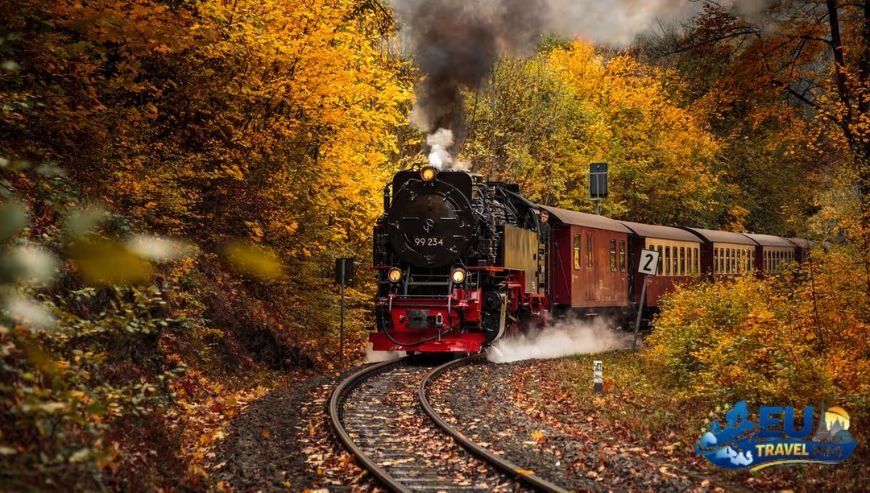
Many people think trains are the best way to see the continent. I agree that they are relaxed and comfortable. High-speed trains link almost every city. They can travel up to 200 mph. Often, they are faster than flying because you do not have to go to an airport far outside the city. For example, the train from Paris to Amsterdam takes about three hours. A flight might take four hours when you add airport hassle.
However, trains can be expensive if you buy them on the day. You should book two or three months early to get the lowest fares. A Eurail pass might be a good idea if you want freedom. It lets you hop on and off trains in 33 countries. A one month pass can cost over 500 Euro. But you must do the math. Sometimes point-to-point tickets are cheaper.
I also love sleeper trains. They allow you to fall asleep in one country and wake up in another. You save the cost of a hotel night. The Paris to Vienna route is very romantic. It is like a hotel on wheels.
The Risk of Budget Flights
Flying around Europe is not expensive. You can find very cheap flights to all corners of the continent. I have seen Ryanair flights for only 10 Euro. But there is a catch. Budget airlines charge huge baggage fees. Often, the fee is more than the ticket. You will also pay for seat selection and even for printing your ticket at the airport. Vueling has some of the highest hidden fees, sometimes totaling over 200 Euro.
If you travel light with only a personal item, budget flights are a great tool. But if you have a big bag, take the bus or train. Additionally, remember that airports are often far from the city center. You will pay extra for the bus or train to get there.
Eat Like a Local for Pennies
You can easily spend 30 Euro a day on food if you are not careful. But I have fed myself for 5 Euro a day in expensive places like Switzerland. How? I shop at supermarkets. Lidl and Aldi are my favorite budget shops. Buy a loaf of bread, some fruit, and some yogurt. That will get you through the day without breaking the bank.
I also love local markets. You can get fresh vegetables for very low prices. In Finland, I bought a huge bag of vegetables for only 4 Euro. That is lower than prices in Asia.
Here are a few more tips to eat how to travel around europe cheap:
- Share your costs. Cook a big dinner with friends at the hostel. You can have a feast for only a few Euro each.
- Get the leftovers. Some shops give food away for free right before closing. I use the Too Good To Go app. It lets you buy leftover restaurant food for super low prices.
- Avoid tourist traps. If the menu is in many languages, do not go there. Walk a few blocks away from the main sights. You will find where the locals eat.
- Eat a big lunch. Many restaurants have lunch specials. They are the same quality as dinner but much cheaper.
- Ask for tap water. It is safe to drink in most of Europe. If you do not ask, they will bring you a bottle that costs 4 Euro.
Stay Entertained Without Spending a Dime
You do not need to spend a lot to have fun. There are countless free things to do. I always search for “free things to do in X” on Facebook or Google. You will find art shows, concerts, and festivals. One of my favorites is the Mauerpark karaoke in Berlin. It is free and hilarious every Sunday in summer.
Most cities have free walking tours every day. They work on a donation basis. It is a great way to learn the history of a city from a local guide. Also, check for free museum days. Many big museums are free on the first Sunday of the month. Do your research and plan your days around these free events.
Smart Tips for Your Wallet and Safety
You must be smart with your money to keep it from disappearing.
Manage Your Currency
Bank fees can eat your budget. I like to take out a large amount of cash at once to avoid multiple fees. One withdrawal of 1,000 Euro can last me a whole month. However, some places like Sweden now refuse cash. They want a credit card. Therefore, I recommend a travel debit card. I use a Curve card to avoid foreign transaction fees. It gives you the mid-market exchange rate.
Always pay in the local currency. If a card machine asks if you want to pay in your home currency, say no. The exchange rate they give you is always worse.
Get Insured
Do not travel without insurance. As a budget traveler, many things can go wrong. Bags get stolen and accidents happen. I once busted my ankle in the Norwegian wilderness. A helicopter ride would have cost thousands if I did not have insurance. It only costs a few dollars a day. It is a smart investment for your peace of mind.
Stay Connected
There is no need to pay for roaming. You can buy a cheap prepaid SIM card in almost every country. In Finland, I paid only 1 Euro a day for unlimited internet. I also use eSIMs like Maya.net. You can download a data package right to your phone. It is much easier than finding a physical shop.
Stay Flexible and Travel Off-Season
If you want the best deals, you must be flexible. Ticket prices change every day. If you can travel at odd times, you will find 5 Euro bus tickets and 10 Euro flights. Do not overplan your trip. Keep your plans open to take advantage of last-minute deals.
Travel during the shoulder season. This is spring and fall. I once went to a destination in November and paid half the price of a December trip. The weather is still good and there are fewer crowds. Summer is very crowded and expensive. Winter is cheap but it is very cold. I only lasted until November before my nose almost fell off. Gradually, you will learn which months work best for you.
Practical Gear for the Road
Choosing the right gear is part of how to travel around europe cheaply.
- Pick the right backpack. I recommend a 40 to 50 liter bag. This is large enough for your things but small enough to be a carry-on for budget planes. This saves you from baggage fees.
- Use packing cubes. They keep your bag organized.
- Carry a power bank. Your phone is your map and your ticket. Do not let it die. I always carry an Anker power bank.
- Wear good shoes. You will walk a lot. I swapped my normal shoes for hill-walking shoes. My feet no longer give out before the rest of me does.
- Use luggage storage. Many train stations no longer have lockers. I use Radical Storage. It costs only 5 Euro per bag per day. You can drop your bag at local shops and explore the city freely.
Is a Daily Budget of 50 Euro Enough?
Many people ask me if they can survive on 50 Euro a day. The answer is yes. If you have already paid for your travel and sleep, 50 Euro for food is luxury. I have spent as little as 17 Euro a day on food. In countries like Romania, you can live very well on 30 Euro a day.
However, you must be careful in places like Switzerland or Norway. I would budget closer to 60 Euro a day there. But overall, 50 Euro is a very solid budget for a smart traveler.
FAQ
What is the cheapest way to travel within Europe?
Bus travel with companies like FlixBus is often the cheapest choice for your wallet. You can find tickets for as low as €5 to €20 between major cities. Also, hitchhiking is an option if you want to travel for free.
What is the best way to travel Europe cheaply?
You should use a mix of budget tools and stay flexible with your plans. First of all, download apps like Hostelworld for beds and Omio to compare travel prices. Focus your time on Eastern Europe where costs are much lower.
Is $100 a day enough in Europe?
Yes, this is a very solid budget for most travelers. Most backpackers spend between $75 and $125 a day in Western Europe. Therefore, $100 will cover your needs comfortably in most countries.
What is the 3 month rule in Europe?
Visitors from visa-free countries can only stay in the Schengen Area for 90 days within any 180-day period. This limit applies to the whole area as a single block. Plus, you must ensure your passport is stamped when you enter and leave to avoid trouble later.
Is 1000 euros enough for 2 weeks in Europe?
Yes, this amount works out to about €71 per day. This budget is higher than the average cost of €50 a day for many budget travelers. You will live very well on this amount in Eastern or Southern Europe.
How much is a 7 day Eurail pass?
A Flexi pass for 7 days of travel within one month costs €381 for an adult. However, travelers under 28 years old can get a youth pass for only €286.
Which part of Europe is the cheapest to visit?
Eastern Europe is the best area for low prices. Countries like Poland, Lithuania, and Latvia offer the best value for your money. On the contrary, the North and West are much more expensive.
What is the cheapest month to travel to Europe?
You will find the lowest prices during the off-season from October to April. Later, the shoulder seasons of April-May and September-October also offer great value with better weather.
How to plan a budget Europe trip?
First of all, pick a route that stays in cheaper regions like the Balkans or the Baltic states. Mix a few expensive cities with many budget ones to balance your spending. Additionally, book your beds two or three days in advance to keep your plans open for deals.
How much does a 7 day Europe trip cost?
A one-week trip usually costs between $700 and $1,100 excluding your initial flights. For example, a city break in Riga costs a little under £253 for a few days. Your daily spending will likely average around €50 if you are smart.
Is $5000 enough for a vacation?
Yes, this is a very large budget for a European tour. A full month of travel usually costs between $2,500 and $4,500. Therefore, $5,000 will allow you to see many countries for several weeks in comfort.
Is 12GB enough for 30 days in Europe?
Yes, this amount of data is usually plenty for maps and basic browsing. Internet data is generally inexpensive across the continent. You can buy a cheap prepaid SIM card in most countries for a few dollars.
Which countries are visa free in Schengen?
Citizens from the USA, UK, Canada, Australia, and Japan do not need a visa for short stays. Many other nations like Brazil, Argentina, and Mexico also have visa-free access.
What are the best months to visit Europe?
May, June, and September are the best months for most people. The weather is warm and the crowds are smaller than in the peak summer. Gradually, you will find that these months offer the best balance of cost and comfort.
What is the most expensive country in Europe for tourists?
Norway and Denmark are the most expensive nations for visitors. Specifically, cities like Oslo and Copenhagen have the highest costs for meals and hotels.
What is the best way to carry money in Europe?
Use a travel debit card or a Curve card to get the best exchange rates. These cards help you avoid high bank fees and foreign transaction charges. Also, always choose to pay in the local currency at ATMs to save money.
How much money do I need daily in Europe?
The average cost for a budget trip is about €50 per day. However, you might spend as little as $40 a day in the East or up to $150 a day in Scandinavia.
Concluding words
You can see the beauty of Europe without a giant bank account. This guide proves that smart choices make a big difference. Use the bus for cheap rides between cities and sleep in hostels or try Couchsurfing to save on beds. Shop at supermarkets like Lidl and Aldi to keep your food costs very low.
Focus your time in Eastern and Southern Europe where your money goes further. Stay flexible with your dates and travel during the shoulder seasons to find the best deals. Follow these simple tips and your dream trip will become a reality.