
I have spent many years wandering across the globe, and I can tell you one thing for certain. Europe is not just a dream for people with a lot of money. You can see the stunning castles and pristine beaches without spending all your savings. I have personally explored almost every corner of this continent. My goal is to show you How To Plan A Europe Trip On A Budget so you can have the adventure of a lifetime.
The world of travel is changing fast in 2026. New rules and shifting prices mean you need a solid plan. Whether you are a solo explorer or looking for the cheapest way to travel Europe with family, this guide has everything you need. First of all, I will share the secrets of finding cheap flights. Later, I will explain the new digital entry rules. Additionally, I will dive into the specific countries where your money goes the furthest. Finally, I will give you my top tips for food and transport. Let us get started on this journey.
The Magic Window: When to Book Your Flights
Airfare is usually the biggest cost you will face. Therefore, the timing of your booking is vital. I have found that the best time to book is usually 3 to 5 months before you leave. If you want to visit in the summer, you must book even earlier. February is a magic month for summer travelers. I often find the best deals for June and July during this time.
A roundtrip ticket from the United States might cost as little as $450 in the low season. However, prices can jump to over $1,500 if you wait too long or travel in July. I recommend you look for flights on Sundays or midweek days like Tuesday and Wednesday. Also, search early in the morning around 6 a.m. EST to catch fresh deals.
The best way to travel to Europe for the first time is to be flexible. Shifting your dates by just a few days can save you hundreds of dollars. Additionally, flying into a major hub like London, Paris, or Frankfurt is often cheaper than flying directly to a smaller city. You can then use a budget airline to reach your final destination.
New Rules for 2026: ETIAS and UK ETA
The year 2026 brings some major changes to European borders. The old system of just walking up and getting a stamp is ending. Every American traveler will now need a digital permit called ETIAS starting in the fourth quarter of 2026. This is not a visa, but it is a mandatory travel authorization.
The fee for ETIAS is 20 euros (about $23) for adults between the ages of 18 and 70. It is free for kids and seniors, but they still must apply. This permit is linked to your passport and lasts for three years. Additionally, the United Kingdom has its own separate fee called the UK ETA. It costs 16 pounds and is mandatory for those visiting London or Scotland.
You must also know about the Entry/Exit System (EES). This system replaces passport stamps with digital scans of your face and fingerprints. It starts fully on April 10, 2026. These digital checks may add a few minutes to your time at the border. Always carry a digital or printed copy of your approval just in case a glitch occurs.
Choosing Your Region: East vs. West
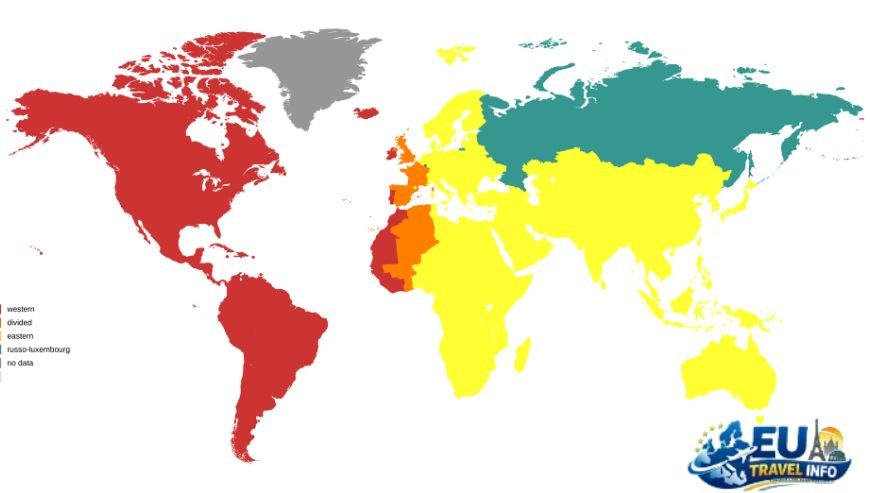
I always tell people that the cheapest way to travel Europe is to head east. Western Europe is beautiful, but the prices can be high. A frugal traveler in cities like London or Paris might spend $75 to $125 per day. On the contrary, if you head to Poland or Hungary, you can manage on $40 to $90 a day.
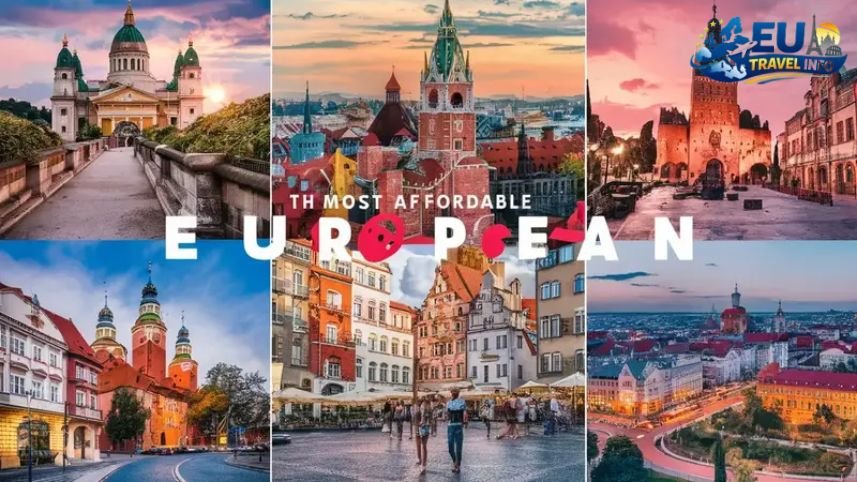
Eastern European countries are the true kings of value. Many of these places are ex-Soviet states or have developing tourism, which keeps prices low. Though they are cheaper, they are also incredible to visit. I have spent months in these regions for less than €50 a day. This is the best way to travel Europe in 2 weeks if you want to see a lot without going broke.
Country Spotlights: Where the Deals Are
I have personally traveled through every country on this list multiple times. These are my top picks for a budget-friendly adventure.
Albania: The Balkan Secret
Albania is perhaps the sunniest country in Europe and a perfect summer spot. I was amazed by the blue seas and mountain ranges. The daily budget here is roughly $30 to $50.
- Accommodation: You can find a hotel for $20 to $40 a night.
- Top Tip: It is legal to camp anywhere in Albania, so you can save a lot of money if you have a tent.
- Food: Street food costs only $1 to $2.
North Macedonia: A Hidden Gem
This is one of the cheapest countries in the world. I spent five days in the capital, Skopje, and I loved the quirky history.
- Daily Cost: Expect to spend $30 to $50 per day.
- Activity: Many cities offer FREE walking tours. I highly recommend the tour in Skopje to learn about Alexander the Great.
- Must-See: Lake Ohrid is one of the oldest and deepest lakes in Europe.
Poland: Culture and Comfort
I developed a soft spot for Poland years ago. It is modern and exciting but lacks the high prices of Germany.
- Daily Cost: Roughly $35 to $55.
- Food Secret: You must visit a “Milk Bar” (Bar Mleczny). These are communist-era cafeterias where you can get a full meal for $2 to $6. I love the potato pierogi and the breaded pork.
- Accommodation: Dorm beds can be as low as $15 to $18.
Romania: Castles and Grit
Romania offers an incredible journey through time. I road-tripped here for three weeks and loved every minute.
- Daily Cost: Budget around $40 to $60.
- Value: It was cheaper for my friend Bradley to fly people to Bucharest and visit the Therme Spa for his birthday than it would have been to stay one night in the UK.
- Transport: Use the ridesharing app BlaBlaCar to cut costs.
Montenegro: Stunning Views
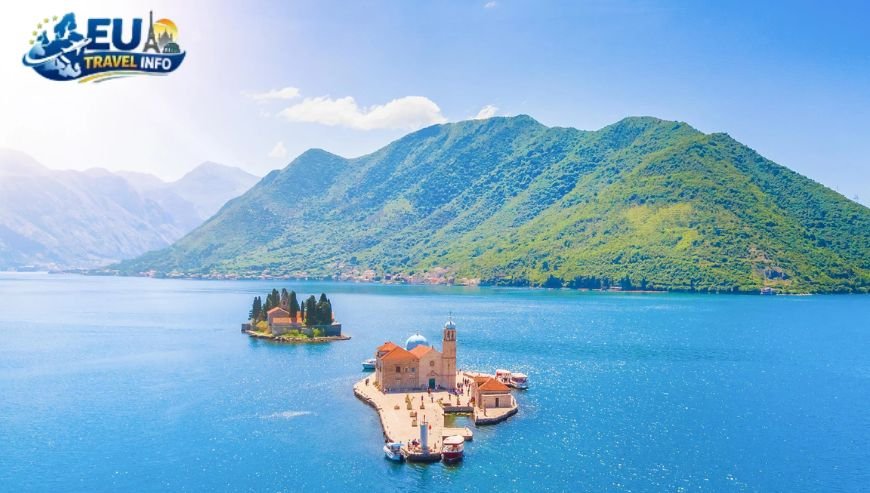
Montenegro is small but packs a punch with national parks and a beautiful coastline.
- Daily Cost: Spend about $40 to $60.
- Saving Tip: If you visit in May or September, the accommodation is much cheaper.
- Personal Experience: I entered from Bosnia near the Tara Canyon. The bridge was rickety with nails sticking out, but the views of the countryside were worth the scare.
How to Budget for a Trip to Europe
Planning a budget is the most important step. A 10 days in europe on a budget trip will look very different from a full month. Here is a breakdown of what to expect for a standard 2-week trip:
- Budget Travelers: $1,800 to $3,000.
- Midrange Travelers: $3,500 to $6,000.
- Luxury Travelers: $6,500 to over $12,000.
Daily spending usually averages about 100 euros per person without lodging. However, you can lower this number by making smart choices. For example, if you are wondering how to spend a month in europe on a budget, I suggest you stay in one place longer and rent an apartment with a kitchen.
Transportation Hacks
Getting around can be expensive if you do not plan. First of all, you should decide between trains and planes.
The Train Experience: The cheapest way to travel europe by train is to book your tickets 2 to 3 months early for 50% savings. I have found that a Eurail Pass is great for people who want to be spontaneous. It offers a fixed daily rate, which is about €45 per day for some passes. However, you must pay seat reservation fees on high-speed trains.
The Air and Bus Options: Budget airlines like Ryanair and EasyJet offer fares as low as $30. But be careful! They often charge hidden fees for bags and seat selection that can add €40 to €120 to the cost. Additionally, long-distance buses like FlixBus are very efficient and affordable. They are often the best choice for last-minute travel because their prices do not jump as high as train tickets.
Smart Accommodation Strategies
Accommodation is often the biggest part of your budget. I suggest staying outside of city centers to save 30% to 40%.
- Hostels: These are the classic choice for solo travelers. Beds cost between $10 and $20 in Eastern Europe.
- Apartments: If you are traveling with family, renting an entire apartment is often cheaper per person than hotel rooms. Plus, you can cook your own meals.
- House-Sitting: This is a secret weapon. I have used platforms like TrustedHousesitters to get free lodging in exchange for pet care. The membership fee is about $129, but the lodging is effectively zero.
- Volunteering: Platforms like Workaway allow you to trade 20-30 hours of work for a free bed and food.
Eating Like a Local
Food costs can add up quickly. I recommend a daily food budget of $20 to $60.
- Lunch Menus: Lunch is often 40% cheaper than dinner in many European cities.
- Street Food: Every country has its own cheap eats. In the Balkans, you can get a Burek (flaky pastry) for $1.50 to $3.00. In Greece, a Gyros is a lifesaver for your wallet.
- Local Markets: I love shopping at local markets for fresh bread and cheese. A park picnic is more memorable than a tourist restaurant and costs only 5 to 15 euros.
- Tap Water: Always check if the tap water is drinkable. In many cities, you can refill your bottle for free instead of buying plastic ones.
FAQ
How to plan a budget Europe trip?
I recommend you select destinations in the East like Poland or Albania to save significant cash. You must also book your flights during the February sweet spot to avoid high prices.
What is the cheapest way to travel to Europe?
Flights into major hubs like London or Paris are often the most affordable option for your initial arrival. Additionally, you should fly during the low season between January and March.
Is 1000 euros enough for 2 weeks in Europe?
It is absolutely enough if you stick to budget-friendly countries like North Macedonia where you can live on €30 a day. This amount covers your basic needs and even leaves room for some fun activities.
How to travel Europe for really cheap?
Hostels are a great choice for me when I want to save money on lodging. I also recommend that you eat at local markets rather than expensive tourist restaurants.
Which part of Europe is the cheapest to visit?
Eastern Europe and the Balkans are the undisputed leaders for high value. You will find that your dollar goes twice as far there compared to the West.
Is $100 a day enough in Europe?
This is more than enough for a budget traveler and can even cover a mid-range lifestyle in Spain or Italy. I have found it allows for private rooms and nice dinners in many affordable regions.
What is the 3 month rule in Europe?
The 90/180 rule limits you to 90 days of travel within any rolling 180-day period. You must track every day carefully to avoid fines or future entry bans.
What’s the cheapest month to go to Europe?
January through March offer the lowest prices on both airfare and hotels. I noticed that airlines slash prices right after the holidays to fill empty seats.
How much is a 7 day Eurail pass?
Prices vary, but a pass can cost around €45 per day of travel on average. You must also factor in mandatory seat reservation fees for most high-speed trains.
What is the most expensive country in Europe for tourists?
Scandinavia and Switzerland take the top spot for very high costs. A single cup of coffee can cost you $4 to $6 in these areas.
Is $5000 enough for a vacation?
This amount is perfect for a midrange two-week trip for a couple. You can afford nice hotels and many guided tours with this specific budget.
Can I survive on $1000 a month?
It is possible in cities like Skopje where monthly expenses are around €1,250. However, you must be very frugal if you stay in more popular Western cities.
What are the best months to visit Europe?
The shoulder seasons of May, June, September, and October provide the best overall value. You get mild weather and much smaller crowds during these specific times.
How much does a 7 day Europe trip cost?
A one-week trip usually ranges from $500 to $1,000 for a modest traveler. This depends heavily on whether you stay in the cheaper Eastern regions.
What country in Europe is the cheapest to fly too?
Hubs like Ireland or Portugal often have the most affordable flight deals from the United States. Sometimes you can find roundtrip tickets for as little as $450 during the off-season.
Concluding words
I am convinced that anyone can see Europe without spending a fortune if they use these specific strategies. You should focus on the East, book your flights early, and stay flexible with your dates. The secret? Timing. The result? A full wallet. It is a big world out there, and your budget should not stop you from seeing it. Safe travels to all of you. [13, 15, 147, 188, 314, 351, 373]