I am finally sitting down to write this because I know how much you want to see the world without losing all your money. It is a dream for many travelers to grab a pack and head across the ocean. I have traveled to more than 70 countries and I have learned the art of balancing comfort with cost-efficiency. You might wonder about the Europe Backpacking Trip Budget and if it is still possible to travel cheaply. The answer is a big yes. A Guide To Europe Backpacking Trip Budget requires you to look at many different things like where you go and when you visit.
First of all, I must tell you that Europe is a diverse place with many different price tags. You cannot paint the whole continent with one brush. In some cities, 45 EUR will get you a private room, but in Paris, that same money might only get you a bed in a room with 16 other people. Therefore, you must plan your backpacking europe budget with a lot of care. I will help you understand how much does it cost to backpack europe for 1 month and even how to handle a much longer trip.
Understanding the Core Expenses
I always start my planning with the big costs that happen before I even leave home. These costs can range from $100 to $1500 depending on where you live.
Flights and Gear
Your flight will likely be your biggest upfront expense. I have seen round-trip tickets from the U.S. cost anywhere from $300 to $1500. It is a good idea to book your flights 2 to 3 months in advance to get the best deals. Additionally, you should be flexible with which airport you fly into. Major hubs like London, Paris, or Amsterdam are often cheaper than smaller cities.
On top of that, you need to think about your gear. A high-quality backpack usually costs around 100 EUR or $100. I recommend a bag that is 40 to 50 liters in size. This size is usually small enough to be a carry-on on budget airlines, which saves you a lot of money on baggage fees. Plus, it is easier to carry when you walk on old cobblestone streets.
Visas and New Rules for 2026
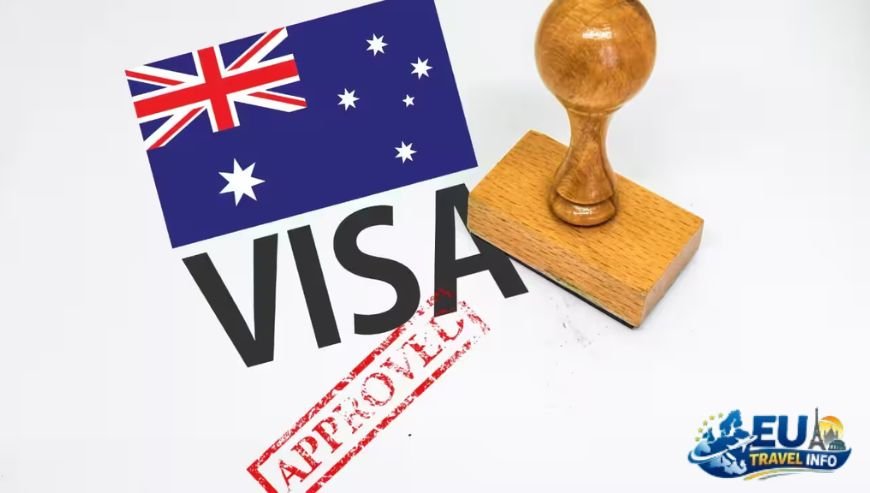
You must also factor in the cost of visas and travel authorizations. A major change is coming in 2026. Most travelers from visa-exempt countries like the U.S. will need an ETIAS authorization. It will cost 20 EUR and it lasts for three years. However, travelers under 18 or over 70 do not have to pay this fee.
Similarly, the UK now requires an ETA (Electronic Travel Authorization) for Americans. This costs £16 per person. It is linked to your passport and lasts for two years. Do not wait until you are at the airport to handle this because you will not be allowed to board your flight without it.
Daily Spending and Regional Differences
It is hard to give one single number for a daily budget. Generally, a budget adventure ranges from €35 to €75 per day. A mid-range trip usually costs between €75 and €125 per day. If you want luxury, you will spend €125 to €200 or more. I usually tell backpacking europe for beginners to aim for an average of 50€ to 100€ per day excluding lodging.
The High-Cost North
Northern Europe is the most expensive region. Countries like Norway, Denmark, and Sweden have high taxes and high wages, which means high prices for you. For example, a daily budget in Copenhagen can easily reach €110 to €200. A pint of beer in Reykjavik often costs €9.50. Therefore, you must use supermarkets for your meals here. Similarly, Switzerland is very expensive and often costs €130 to €250 per day.
The Competitive West
Western Europe includes popular spots like France, Germany, and the UK. These areas have high demand and prices change a lot with the seasons. Amsterdam and Paris are very popular but they are pricey. In Amsterdam, you might spend €90 to €170 per day. Accommodation there can cost between €45 and €100 for a night. On the contrary, you can find cheaper street food in Berlin for under 10 EUR.
Southern Europe Value
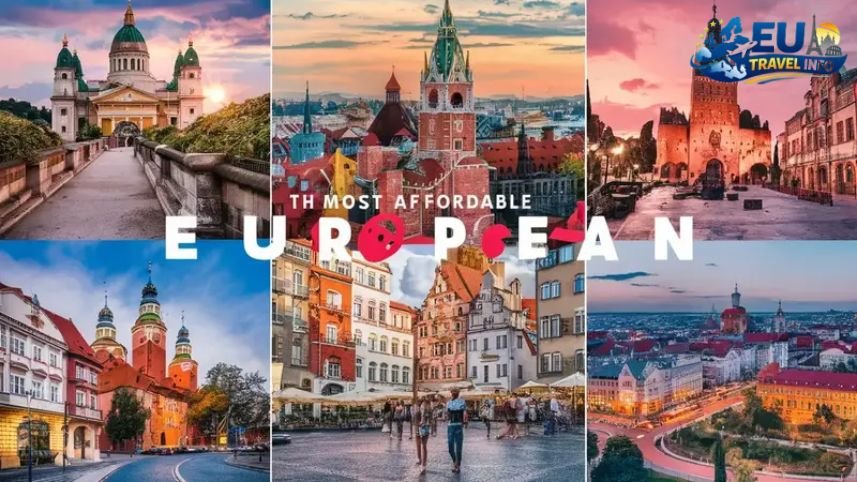
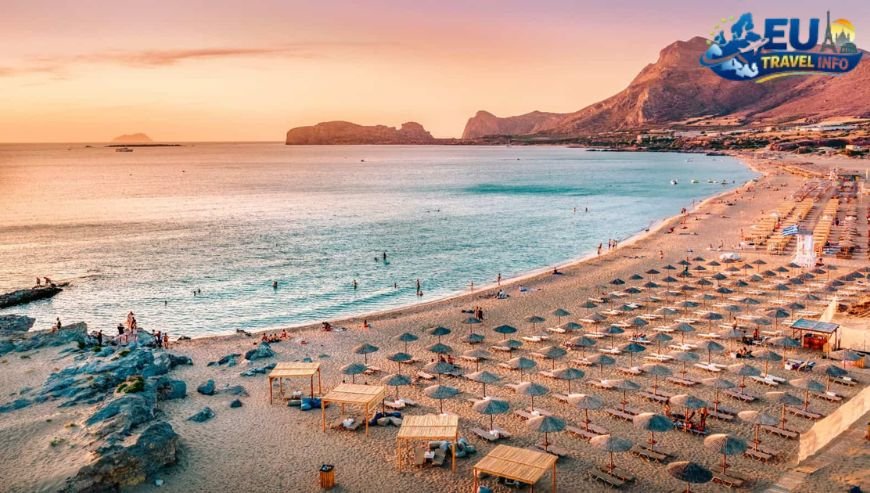
Southern Europe offers a nice middle ground for your europe backpacking route. Spain, Italy, Greece, and Portugal are great for mid-range travelers. In Athens, a daily budget of €40 to €75 is very possible. Accommodation there can be as low as €20 to €40. Portugal remains one of the best deals in the West. You can find a beer in Lisbon for as little as €2.50.
The Budget Frontier in the East
Eastern Europe is the best place for a tight backpacking europe budget. Your money goes much further in Poland, Hungary, and Romania. In Warsaw, a budget trip costs between €35 and €65 per day. You can find accommodation for €15 to €35. Romania is also amazing for value, where travelers often spend only $31 per day. Sarajevo is one of the cheapest cities, with an average one-bed Airbnb costing only €40.
Accommodation Strategies
Where you sleep will be one of your biggest costs. Most backpackers stay in hostels to keep costs low and to meet new people.
Hostels and Prices
On average, a bed in a hostel dorm costs 20€ to 40€ per night in the low season. During the high season, this rises to 25€ to 50€. However, in very popular cities like Barcelona or Paris, a bed can cost 100€ on the weekends. I was shocked to see these price hikes recently. You should read reviews carefully to check for safety and cleanliness before you book.
Private Options
If you are traveling as a couple, a private room in a budget hotel might be better. These rooms usually cost $90 to $150 per night. In some cases, dividing the cost of a private room between two people is cheaper than buying two separate hostel beds. Additionally, renting an apartment through Airbnb is a good idea for families or groups. On top of that, you get a kitchen, which helps you save on food costs.
Transportation Across the Continent
Moving from city to city is another large expense. You have many choices, and the best one depends on where you are going.
The Rail Pass Debate
The Eurail pass is a famous choice for flexibility. A 10-day pass costs about €381, but you must also pay for seat reservations on high-speed trains. These fees can be €10 to €43 per trip. If you have a fixed schedule, booking individual point-to-point tickets months in advance is often 80% cheaper. Therefore, you should check if the pass is truly worth it for your specific backpacking europe route.
Budget Airlines and Buses
Low-cost carriers like Ryanair and EasyJet offer flights for as low as $30. Though the base price is low, they have many hidden fees. You will pay extra for bags and even for choosing a seat. On the contrary, buses like FlixBus are usually the cheapest way to travel. You can find tickets for as little as 5€ between major cities. They take longer than trains, but they are great for keeping your budget low.
Local Transit
In cities, public transport single tickets usually cost $1.50 to $4.00. I suggest buying 24-hour or multi-day passes for better value. Plus, many cities are very walkable. I did not use the bus once in Krakow because everything was so close.
Food and Socializing
Food costs are the most flexible part of your budget. You can spend as little as $20 per day or more than $300 if you like fine dining.
Eating Like a Local
The best way to save money is to cook in your hostel kitchen. Shopping at local markets like Lidl or Aldi is very smart. You can prepare breakfast and lunch for about €95 per week. For dinner, street food is your best friend. You can grab a kebab in Berlin or a slice of pizza in Rome for 3€ to 10€.
The Pint Index
Socializing often involves a drink, and prices vary wildly. In Sofia, a pint of beer is about €1.50. However, in Oslo, it costs nearly €9.27. In London, expect to pay around €6.40 for a beer. Cocktails are even more expensive, often costing 15€ in France. I suggest looking for happy hours from 5 to 7 PM to save cash.
Insurance and Safety
I never travel without insurance. Even if you are healthy, things can go wrong. A basic plan usually costs $50 to $100 per month.
Choosing a Provider
Heymondo is my top pick because they pay your medical bills upfront. This means you do not have to pay out of your own pocket and wait months for the money back. They also have a 24/7 app where you can chat with a doctor. SafetyWing is another good choice, especially for long-term trips. It is very affordable at about $45 per month. However, SafetyWing has a $250 deductible, and you must pay your bills first and then ask for a refund.
Gradually, I have seen more travelers use IMG Global. This is the best choice for travelers over 69 years old, as some other companies have an age limit. They cover people up to 99 years old. Regardless of which you choose, make sure it covers medical evacuation and repatriation, which can be very expensive.
New 2026 Regulations and Hidden Costs
There are a few new rules you must know for your 2026 trip.
City Access Fees
Venice has started an access fee for day-trippers on 60 peak days. If you book at least four days early, it costs €5. If you wait, it rises to €10. This fee applies between 8:30 AM and 4:00 PM. If you are staying overnight in a hotel in Venice, you do not have to pay this fee because you already pay a lodging tax. On top of that, Rome is starting a €2 fee to access the basin level of the Trevi Fountain in February 2026.
Connectivity and SIMs
Staying connected is no longer a luxury. Roaming fees from your home carrier can be $10 a day, which is a waste of money. I suggest using an eSIM. Sim Local is a great option for Europe because they partner with local networks like Orange and Vodafone. You can get 150GB of data for about €23, which is a great deal. Airalo and Holafly are also popular, but Holafly is more expensive because they charge by the day for unlimited data.
Sample Itineraries and Budgets
Let us look at what your actual trip might look like in terms of money.
Backpacking europe routes 2 weeks
For a two-week trip through Central and Eastern Europe (like Berlin, Prague, Budapest, and Krakow), you should budget $840 to $1400. Accommodation in these areas is only $20 to $40 per night. You can find meals for $5 to $15. If you choose a more expensive Western route like London, Paris, and Amsterdam, your cost will jump to $700 to $1050 for just one week.
How much does it cost to backpack europe for 1 month
A one-month multi-region trip usually costs between $1,500 and $3,600. This includes a Global Eurail Pass for about $400 to $500. I recommend mixing expensive cities with cheaper ones to balance your spending. For example, spend a few days in Paris and then head to Budapest to bring your daily average down.
How much to backpack europe for 3 months
For a long journey of 3 months, you should budget between 3000€ and 6000€. This averages out to about 33€ to 66€ per day. You will definitely need to use hostels and cook your own food to stay at the lower end of this range. Finally, if you want to know how much does it cost to backpack europe for a year, you should think about work abroad programs or house sitting to save on accommodation costs.
Practical Tips to Save Money
I have gathered some of my favorite hacks over the years to help you keep your cash.
- Use a No-Fee Bank Card: Banks love to charge 1% to 3% for foreign transactions. I use cards like Charles Schwab or Capital One to avoid these fees.
- Avoid Dynamic Currency Conversion (DCC): ATMs and shops will ask if you want to pay in your home currency or the local currency. Always choose the local currency. Choosing your home currency lets the merchant set a bad exchange rate.
- Take Free Walking Tours: These are available in almost every major city. They are a great way to learn history for just the cost of a tip.
- Carry a Student ID: If you are a student or under 26, you can get huge discounts on museums and trains. In Paris, many museums are free for EU residents under 26.
- Use Radical Storage: Many train stations no longer have lockers. Radical Storage partners with local shops to store your bag for only €5 per day.
- Drink Tap Water: Refill your bottle at public fountains in cities where the water is safe. This saves you 2€ to 3€ every time.
FAQ
Is tap water safe to drink?
Yes. It is safe in most European cities. A simple way to save cash. You should use public fountains to refill your bottle instead of buying plastic.
How much is a Schengen visa?
The fee is 80 EUR. A mandatory cost for some. You must pay this if you do not come from a visa-exempt country.
What does laundry cost?
You should budget between €6 and €10 for a wash and dry. A small price for fresh clothes. Most hostels or local laundromats provide these machines.
Are there fees for the Trevi Fountain?
Yes. Rome now requires a €2 fee to access the basin level. A small charge for a close view. You must book your timed entry in advance.
Do I need to carry cash?
Yes. Some small shops or markets still prefer it. A good safety net. You should always use bank-run ATMs to avoid predatory fees.
Concluding words
You can see the beauty of the continent without losing all your savings. It just takes a solid plan and some smart choices. Focus on Eastern Europe for the best value and mix in expensive cities with care. You must track the new 2026 fees for ETIAS and the UK ETA before you board your flight.
Use budget buses or book your train seats months in advance to keep your transit costs low. Stick to hostels and local markets for your daily needs. Every Euro counts. Your adventure is waiting for you.