I have traveled across the continent with my four-legged friend for years, and I can tell you that some places are just better than others. It is a dream to wake up in a new city and know your dog is welcome everywhere. However, you must plan well. Europe has changed how it views pets over the last two centuries. Animals have moved from being workers to being family members. In this guide, I will share everything I have learned about the Best Dog Friendly Countries in Europe.
The Big Picture: Why Europe is a Pet Paradise
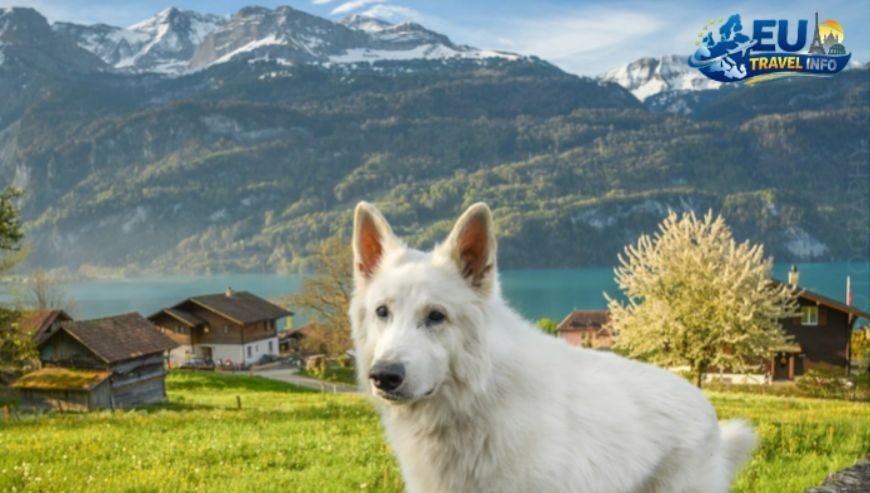
Europe is home to some of the most dog-loving countries on the planet. I have seen dogs sitting on metro trains in Paris and lounging in cafes in Prague like they own the place. First of all, you must understand that the law in many of these nations now views animals as sentient beings. This means they have feelings and deserve rights. Similarly, countries like Germany have even put animal rights into their constitution.
When you plan your trip, you will find that the countries that allow dogs without quarantine are the norm within the European Union. If you follow the rules for microchips and vaccines, you can cross borders easily. It is a total game changer for travelers. Believe me.
The Essential Travel Rules You Must Know
Before we get to the fun stuff, we have to talk about the paperwork. You cannot just hop on a plane. Plus, the rules are very strict about the order of things.
- The ISO Microchip: Your dog must have a 15-digit microchip. This must happen before or at the same time as the rabies shot.
- The Rabies Vaccine: Your dog must be at least 12 weeks old for this. Additionally, you must wait at least 21 days after the first shot before you can travel.
- The Passport or Health Certificate: If you live in the EU, you get a blue Pet Passport. If you are coming from the US or UK, you need an Animal Health Certificate (AHC).
- The Tapeworm Rule: If you go to Ireland, Finland, Norway, or Malta, your dog needs a special vet treatment 1 to 5 days before you arrive.
Romania: The Reigning Pet Kingdom

You might be surprised to hear this. First of all, Romania has the highest pet ownership rate in Europe. In this country, 45% of households have a dog and 48% have a cat. That is a lot of furry friends.
In cities like Bucharest and Cluj, the culture is shifting fast. You will find many pet-friendly cafes where you can hang out with your dog. On top of that, pets are allowed on public transport if they are on a lead or in your arms. Though it had a history of stray animals, the rescue movement there is massive now. People treat their rescues like royalty. A true transformation.
Poland: Paws Everywhere
Poland is another heavy hitter. It has a dog ownership rate of 49%. I found that Warsaw is one of the most dog-friendly cities in europe. You can take your dog into museums like the Neon Museum or the State Ethnographic Museum.
The trains in Poland are also fantastic. The rail operator, PKP Intercity, carried over 238,500 pets in the first half of 2025. They even have first aid kits for pets on some trains. Additionally, Warsaw has dog-friendly cinemas where they turn the sound down for sensitive ears. No joke.
Czech Republic: The Dog Republic
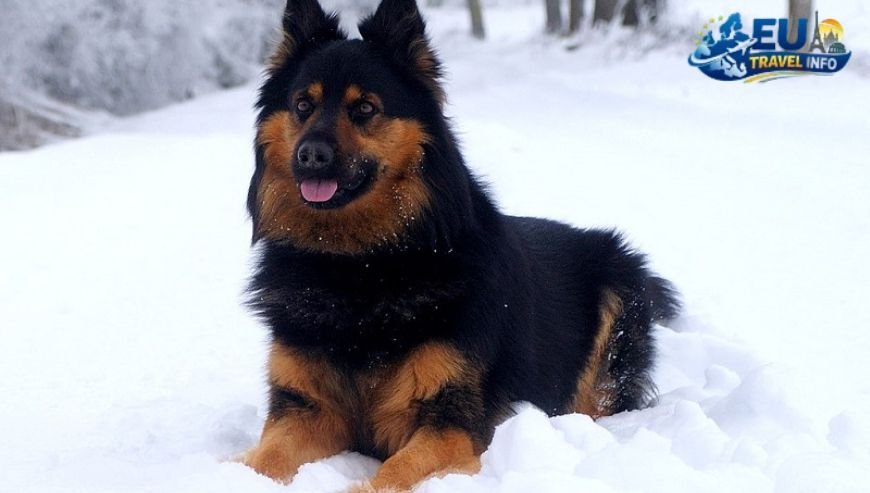
They call it “The Dog Republic” for a reason. In this country, there are more dogs than there are children under the age of ten. It is incredible. Prague is a dream for pet owners. Dogs are allowed in almost all restaurants and pubs.
I have taken my dog into castles and onto trams without any issues. The people there treat dogs like tiny humans. Therefore, it is easily one of the most dog-friendly countries in the world. You will see dogs joining their owners for a beer or a hike every single day.
Germany: Organized Affection
Germany is very organized. If you want to know what countries allow dogs in restaurants, Germany is at the top of the list. However, they have specific rules. In many cities, you have to pay a Hundesteuer (dog tax). In Berlin, this is about €120 a year.
Also, some places require a Hundeführerschein (dog permit test). This ensures you know how to handle your dog in public. Germany is excellent for off-leash areas too. Huge parks like the Tiergarten in Berlin allow dogs to run free. On top of that, about 50% of owners have pet insurance. They take safety seriously.
France: Chic Companions and Strict Categories
France loves dogs. Around 78% of owners say their pets are vital for their happiness. You can take your dog to open-air markets and many restaurants. Plus, the Loire Valley has beautiful chateaux grounds where you can walk your dog on a lead.
However, France is also on the list of least dog-friendly countries in europe if you own certain breeds. They have two categories of “dangerous” dogs.
- Category 1 (Attack Dogs): These are non-pedigree dogs that look like Pit Bulls or Mastiffs. They are strictly banned from entering France.
- Category 2 (Guard Dogs): These are purebred dogs like Rottweilers. You can bring them, but you need a permit from a mayor, liability insurance, and a behavioral test.
If you bring a Category 1 dog, you could face 6 months in prison and a fine of €15,000. Always check your dog’s breed papers before you go.
Italy: La Dolce Vita with Pets
Italy is famously dog-loving. About 79% of Italians consider their pets family. I have taken my dog to high-end shops and restaurants all over the country. One of the coolest things is the “Bau Bau Village” in Liguria. It is a beach resort just for dogs with an agility area and dog-friendly bars.
In the Dolomites, you can even take your dog on cable cars to go hiking. Some hotel owners love dogs so much they will even cook a fresh dinner for your pet. “At Zoli, we love dogs and are always happy to host them,” is a common vibe you will find in many places.
The Netherlands: Two Wheels and Four Paws
The Netherlands is the first country to have zero stray dogs. That is a huge achievement. You will see people cycling with their dogs in baskets or trailers everywhere. Similarly, the Dutch view animals as sentient beings with rights.
Dogs are allowed on most public transport. Amsterdam has many pet-friendly hotels and even boat tours where your dog can join you on the canals. It is a very forward-thinking society. On the contrary, you must always pick up after your pet, as the rules are strict.
Sweden: The Gold Standard for Care
Sweden is a paradise if you care about welfare. Over 90% of pets in Sweden are insured. That is the highest rate in the world. The laws on how you must house and care for your pet are very strict.
If you bring a dog to Sweden, you must notify Customs. However, once you are in, it is great. Dogs are allowed on trains and even have their own seats sometimes. Also, the “Right of Public Access” means you can hike almost anywhere, though you must use a lead from April to August to protect wildlife.
Greece: History and Sun
Greece has recently become much more pet-friendly. In 2023, they opened over 100 archaeological sites to dogs. Though you cannot take them into crowded spots like the Acropolis, many other ancient ruins are now open.
The Greek islands also have many dog-friendly beaches. Just remember that dogs are generally not allowed inside restaurants, but since Greece has a great climate, you will almost always eat outside anyway. On top of that, many ferry companies now offer pet-friendly cabins for long trips between islands.
United Kingdom: The Welfare Pioneers
The UK started the first animal welfare charity back in 1824. They are very devoted to their pets. However, since Brexit, travel has become more expensive. You now need an AHC which costs between £100 and £200.
The UK is also home to new breed bans. As of 2025, it is illegal to own an XL Bully without a special exemption. Therefore, the UK can feel like one of the top 10 least dog-friendly countries in europe for certain owners. On the other hand, the pub culture is amazing. Most pubs will welcome your dog with a bowl of water and a treat.
Where Not to Go: Least Dog-Friendly Spots
It is not all sunshine and rainbows. Some countries have very tough laws. Denmark is often cited as one of the least dog-friendly countries in europe for travelers with specific breeds. They have a list of 13 prohibited breeds, including Pit Bulls, American Bulldogs, and Kangals.
If your dog even looks like one of these breeds, the police can ask for proof of its lineage. If you cannot prove it, they can seize the dog. Also, the UK and Ireland have strict bans on XL Bullies now. Always do your homework if your dog is a “power breed.”
Best Dog Friendly Cities in Europe: A Quick List
If you are looking for the most dog-friendly cities in europe, these are my personal favorites:
- Prague, Czech Republic: Dogs are everywhere. Truly.
- Warsaw, Poland: Great museums and cinemas for dogs.
- Berlin, Germany: Amazing parks and off-leash freedom.
- Vienna, Austria: You can even take dogs into some museums.
- Amsterdam, Netherlands: Perfect for cycling and canal trips.
Getting Around: The Logistics of Pet Travel
Transport is a big part of the journey. Here is how it works:
By Train Trains are usually the best way to travel.
- France (SNCF): Small dogs in carriers pay a small fee. Large dogs pay 50% of a second-class fare and must wear a muzzle.
- Germany (DB): Small dogs are free in carriers. Large dogs need a half-price ticket and a muzzle.
- Switzerland (SBB): Small dogs are free. For large dogs, you can buy a Day Pass for CHF 25.
- Spain (Renfe): Only dogs under 10kg are usually allowed, though they are testing a program for dogs up to 40kg on some routes.
By Plane This is more difficult. Only small pets (usually under 8kg) can stay in the cabin. Large dogs must go in the cargo hold. This can be very expensive, sometimes over $200. Plus, some budget airlines like Ryanair do not allow pets at all.
By Ferry Ferries are great for car travelers. Many routes now offer pet-friendly cabins. This means your dog stays in the room with you instead of a kennel on the deck. Much less stress.
FAQ
Where to go in Europe with a dog?
You should visit nations like Romania, Poland, or the Czech Republic because they have very high pet ownership rates. You will find excellent spots in Italy, such as Alta Badia in the Dolomites, where you can take your dog on cable cars. Additionally, France offers beautiful walks in the grounds of Loire Valley chateaux. Germany is another top choice with its cool Baltic coast beaches like those in Usedom.
What country is the most dog friendly?
Romania ranks as the number one country for pet ownership on the continent. However, the Netherlands is famous for being the first nation to eliminate stray dog populations completely. Plus, Germany shows its love by being the first to put animal rights into its constitution.
What is the best country to live in with dogs?
Sweden is a fantastic choice because it has the highest known pet insurance rate in the world. Over 90% of Swedish pets have insurance. Germany is also great for living because pets are legally seen as beings with feelings rather than just property.
Is Italy or Spain more dog friendly?
Both are great. Italy is very inclusive in daily life, and you can often take your dog into high-end shops and restaurants. On the contrary, Spain has become a leader in professional pet services. It now has more than 100 officially recognized dog-friendly beaches across its coastlines.
What is the most dog friendly city in Europe?
Prague in the Czech Republic is a huge favorite and often earns the nickname “The Dog Republic”. Warsaw is also excellent. It has dog-friendly cinemas and museums. On top of that, Berlin offers massive parks where dogs can often run without a lead.
Is Italy very dog friendly?
Yes, it is a very passionate nation when it comes to pets. About 79% of Italian owners consider their dogs to be family members.
Which country is the safest for dogs?
The Netherlands is very safe because of its successful humane efforts to end dog abandonment. Sweden is also a safe place due to its top-tier laws on veterinary care and breeding standards.
What European country is easiest to move to with dogs?
Portugal and France are known as some of the most pet-friendly destinations for people moving to the region. They offer great vet care and simple registration systems.
Is Germany a dog-friendly country?
It is an excellent place for dogs. You will even see “office dogs” in many workplaces. Furthermore, German dogs are often so well-behaved that they do not even need leashes in public parks.
Is Croatia a dog friendly country?
Yes, it is. You can find urban coves like the Kašjuni Dog Zone in Split, which features turquoise waters and natural shade for your pet.
What country respects dogs the most?
Germany is a leader in respect. It was the first country in the world to guarantee animal rights in its constitution in 2002.
Can dogs go in restaurants in Italy?
Yes, it is socially acceptable to bring well-behaved dogs into many Italian restaurants and cafes. You will often see water bowls provided for them.
Concluding words
You can have a wonderful time traveling across Europe with your pet if you follow the rules. First of all, you must get your dog a microchip and a rabies shot at least 21 days before you move. Use a Pet Passport or an Animal Health Certificate to cross borders without a long quarantine wait. Countries like Romania, Poland, and the Czech Republic love dogs and offer many friendly cafes and parks.
You should also remember that some nations like Norway and Ireland need extra tapeworm treatments. Plan your trip well, and you will find that Europe is truly a paradise for you and your four-legged friend.