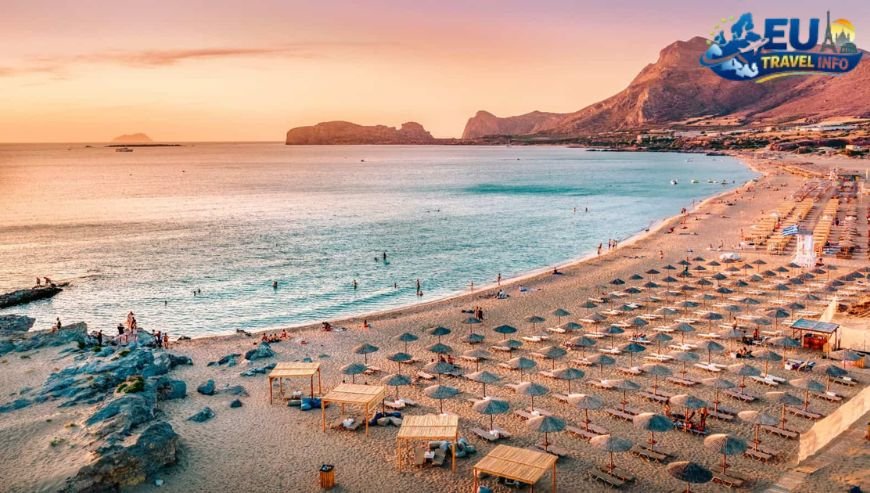
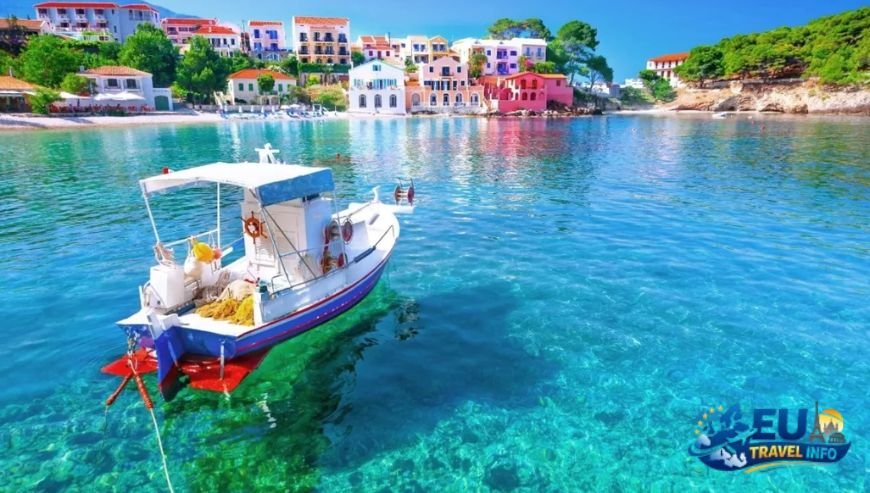
Planning a trip to Greece on a budget is much easier than people think. You can enjoy the stunning blue water and ancient history without spending a fortune. I have spent months exploring this beautiful country, and I still believe it is one of the most affordable places in Europe if you know the right tricks. To travel Greece on a budget, you should focus on affordable islands like Naxos or Crete, travel during the shoulder seasons, and eat like a local at small tavernas.
How much to budget for Greece trip?
You need to know your daily costs before you fly out. First of all, the amount of money you spend depends on your travel style.
- Budget Travelers: Expect to spend between €100 and €150 per day. This covers a bed in a hostel or a simple room, street food like gyros, and public bus rides.
- Mid-Range Travelers: Plan for €200 to €400 per day. This allows for boutique hotels, sit-down dinners with wine, and high-speed ferry tickets.
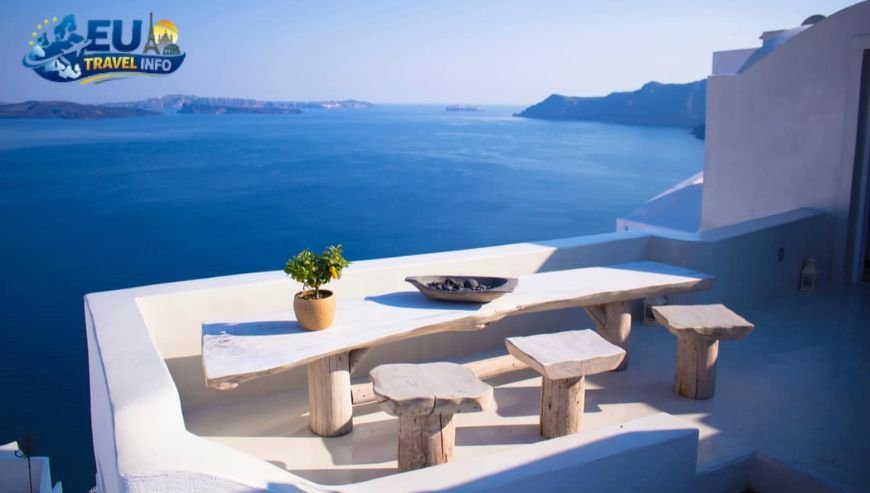
- Luxury Travelers: You might spend €600 or more per day, especially on islands like Mykonos or Santorini.
Therefore, a typical mid-range honeymoon or couple’s trip usually costs between €3,000 and €5,500 for ten days. You can cut this in half by choosing less famous islands.
2026 Daily Price Index
| Item | Average Cost |
| Pita Gyro (Street Food) | €3.00 – €5.00 |
| Greek Salad (Taverna) | €7.50 – €14.00 |
| Local Draft Beer (0.5L) | €3.00 – €8.00 |
| Public Bus Ticket | €1.20 – €3.00 |
| High-Speed Ferry Ticket | €70.00 – €100.00 |
These numbers help you plan. Plus, they keep your expectations realistic so you don’t run out of cash.
The Best Time to Visit: Budget Travel Tips Greece Fall
The timing of your trip is the biggest factor for your wallet. However, most people make the mistake of going in July or August. The heat is intense, the crowds are huge, and the prices are at their highest.
September and October are the “golden months” for budget travel. The sea is still warm from the summer sun, but the prices for hotels drop by 30% to 50%. Additionally, you can actually see the Acropolis without a thousand other people in your photos.
First of all, the weather in the fall is much more comfortable for hiking or walking through ruins. Later, if you want the absolute cheapest rates, look at February or January. It is too cold for the beach, but it is perfect for a cozy city break in Athens or Thessaloniki. Finally, everything on the islands stays open from May through early October.
Popular Greece Budget Travel Tips for Transportation
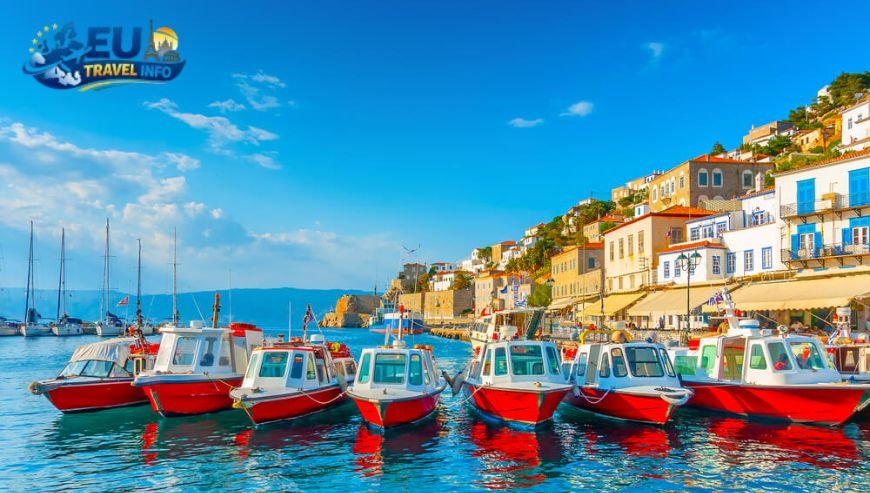
Transportation between islands is often the most expensive part of the trip. On top of that, high-speed ferries can cost a family of four nearly €400 for a single two-hour ride.
Use the “Ferry Cheat Code”
I highly recommend the Interrail or Eurail Greek Islands Pass. This pass costs about €82 for four days of travel. Similarly, if you booked these trips separately, you would likely pay over €195. This pass saves you more than €113 on a classic route like Athens to Santorini and Mykonos.
Choose Conventional Ferries

The high-speed catamarans are fast but pricey. On the contrary, conventional ferries like Blue Star are much cheaper and more stable. You can sit on the open deck and enjoy the sea breeze. Therefore, if you get seasick, the larger, slower boats are a safer and cheaper choice.
The “Open-Jaw” Flight Strategy
Do not book a round-trip ticket to Athens. Instead, try to fly into Athens and out of an island like Santorini or Crete. This saves you a full day of travel and the cost of a return ferry to the mainland.
KTEL: The Budget Traveler’s Best Friend
The KTEL bus system is the primary way to get around the mainland and the larger islands. These buses are modern, air-conditioned, and very affordable. Intercity trips cost about €4 for every 100 kilometers. Gradually, you will see that taking the bus is much better for your budget than hiring taxis or private transfers.
Where to Stay: Cheap Greek Islands for Your Budget
If you want the classic Greek experience without the Santorini price tag, you have plenty of options. Also, these islands often feel more authentic.
1. Crete: The Best All-Around Value
Crete is the largest island, and its size keeps prices low. You can find rooms for as little as €20 to €40 per night in smaller towns. Additionally, the food is incredible and very cheap because the island grows most of its own produce. You can hike the Samaria Gorge or visit the pink sands of Elafonissi Beach for very little money.
2. Naxos: The Authentic All-Rounder
Naxos is my favorite for a relaxed, budget-friendly vibe. It has some of the best sandy beaches in Greece, like Plaka and Agios Prokopios. Small hotels with pools often cost between €90 and €180, which is much less than on neighboring islands. Plus, the food here is legendary for being both delicious and affordable.
3. Syros: The Cultural Capital
Syros is the capital of the Cyclades but remains wildly under-visited. Though it is close to Mykonos, it is much cheaper. You can expect to spend around €70 to €120 per day here total. The main city, Ermoupoli, is full of colorful buildings and local shops that are open year-round.
4. Lefkada: No Ferry Needed
Lefkada is unique because it is connected to the mainland by a floating bridge. Therefore, you do not have to pay any ferry fees to get there. It has some of the most famous beaches in the world, like Porto Katsiki, and offers many low-cost hotels.
Eat Well Without Breaking the Bank
Greek food is meant to be shared. First of all, avoid any restaurant with pictures of food on a board outside. These are usually tourist traps.
The “Greek Salad Rule”
Check the price of a Greek Salad on the menu. If it is under €7.50, the restaurant is likely a good value. If the salad costs more than €9, you are probably in an expensive spot. Also, look for paper tablecloths and simple wooden chairs—these are signs of an authentic taverna.
Stick to Meze and Street Food
Order a table full of small plates, called meze, and share them with your friends. Items like fava dip, tomato balls, and stuffed peppers are usually between €5 and €10 per plate. For a quick and filling lunch, nothing beats a souvlaki or gyro wrap for €3 to €5.
Shop at Local Supermarkets
If you have a kitchen, use it. Lidl is the best place for bulk buys and staples, while Sklavenitis offers a huge range of Greek products. Additionally, the Laiki Agora (Farmer’s Market) is the best place for fresh fruit and vegetables. These markets move to different neighborhoods every day. Gradually, you can save a lot of money by preparing your own breakfast or a beach picnic.
How to Save on Fees and Hidden Costs
Small costs can add up quickly. Therefore, you must be smart about how you spend your money on the ground.
Always Choose Euros at the ATM
This is a huge money-saving tip. When an ATM or credit card machine asks if you want to be charged in your home currency or Euros, always choose Euros. If you choose your home currency, the bank will give you a terrible exchange rate. On the contrary, letting your own bank do the conversion is always cheaper.
Watch the Climate Resilience Tax
Greece has a mandatory tax for all visitors staying in paid rooms. In the high season, this costs between €1.50 and €15 per night depending on the hotel’s star rating. First of all, this fee is rarely included in your online booking price. Be ready to pay it in cash or by card when you check in.
Rent a Small Car, Not an ATV
Many people think ATVs are a cheap way to see the islands. However, they are actually quite dangerous and unstable on paved roads. A small car like a Fiat Panda often costs about the same as a large ATV. Additionally, a car has air conditioning and keeps your bags safe while you are at the beach.
Frequently Asked Questions
How much budget do I need for a Greece trip?
First of all, your daily costs depend on your travel style. A very thrifty traveler can get by on €50 to €70 per day. However, a standard budget traveler usually spends between €100 and €150. This amount covers simple rooms, street food, and public transport. Mid-range travelers should plan for €200 to €400 each day for better hotels and sit-down meals.
How can I travel around Greece on a budget?
The KTEL bus system is the best way to move across the mainland and larger islands for a low price. Similarly, the Interrail or Eurail Greek Islands Pass is a huge money-saver. It costs about €82 for four days of ferry travel. Therefore, you can save over €113 compared to buying single tickets for a classic route. On top of that, you should pick conventional ferries like Blue Star instead of expensive high-speed boats.
How much does a trip to Greece normally cost?
A typical mid-range trip for a couple usually runs between €3,000 and €5,500 for about 7 to 10 days. This includes flights from Europe, boutique hotels, and nice dinners.
How much for a 7 day trip to Greece?
A mid-range couple should budget roughly €3,200 to €5,500 for a week. Though, you can lower this to €2,500 or €4,000 if you stay in “Rooms to Let” and eat more street food.
Is 1000 euros enough in Greece?
Yes, this is enough for a solo traveler for about two weeks if you spend €50 to €70 per day. However, it will only last about 7 to 10 days if you choose mid-range hotels and more tours.
What is the cheapest month to visit Greece?
February is the clear winner for the lowest prices. Hotels offer discounts of up to 50% during the winter. Similarly, January and March are very affordable months for a visit.
Is food expensive in Greece?
Greek food is generally very affordable. You can find a filling pita gyro or souvlaki for only €3 to €6. Also, local tavernas offer delicious meals like moussaka or Greek salads at fair prices. However, dinner for two in luxury areas like Santorini or Mykonos can easily exceed €150.
Is 7 days in Greece enough?
A 7-day trip is the absolute minimum time needed for a “Greatest Hits” tour. Therefore, you must follow the “3-Night Rule” and stay at least three nights on any major island to avoid wasting time in transit.
How much is a trip to Santorini?
Santorini is the most expensive island in Greece. Budget travelers should expect to pay €150 to €250 per day. Mid-range stays cost between €350 and €700, while luxury travelers often spend €1,000 or more daily.
Concluding words
Budget travel in Greece is a reality if you make smart choices. First of all, focus your visit on affordable islands like Crete, Naxos, or Syros to save on every expense. Travel during the shoulder seasons of spring or fall to avoid high prices and crowds. Additionally, stick to local buses and conventional ferries to keep your transit costs down. Finally, enjoy street food and local tavernas to taste the best of the country without breaking the bank.