I have traveled through the heart of Europe many times. I have seen the tall spires of the Cologne Cathedral and the rolling hills of the Bavarian countryside. I love the festive vibes of the Christmas markets and the history that lives in every cobblestone street. However, I know that planning a trip can feel like a heavy task. You want to know the Best Germany Travel Budget before you book your flight.
Germany is a world-class destination. It offers fairy-tale towns and modern cities. It is a place where efficiency meets beauty. I have recorded every cent I spent during my visits to help you plan. Whether you are a solo traveler or a couple on a mid-range budget, I can tell you exactly what to expect. First of all, let us look at the big picture of germany travel expenses.
How Much Should I Budget for a Trip to Germany?
The answer to this question depends on your style of travel. I found that Germany is moderately priced. It is not a bargain basement, but it is also not a budget-buster. I never felt like I was losing too much money compared to trips in the United Kingdom.
I have broken down the daily costs for three different travel styles:
- Budget (Cheap) Tier: You can survive on about €56 to €97 per day. This means you stay in hostels and cook some of your own meals.
- Mid-Range Tier: I found this to be the most comfortable. You should plan for €138 to €238 per day. This covers nice hotels, eating out at local restaurants, and one or two tours each day.
- High-End (Luxury) Tier: If you love five-star hotels and Michelin-starred food, you will need €333 to €575 or more per day.
What is a good budget for travelling europe more broadly? Germany is a great benchmark. It is often cheaper than France or Switzerland. Therefore, if you can afford Germany, you can afford most of the continent. Plus, I found that a solo traveler for a one-week trip usually spends between €1,220 and €1,320. A couple should budget between €1,880 and €2,350 for the same week.
The Real Germany Travel Cost Per Day
I want to dive deeper into the daily numbers. It is important to know where your money goes. I noticed that the germany travel cost per day shifts based on the city you visit. Munich is the most expensive city in the country. On the contrary, cities in the east like Leipzig or Dresden are much more affordable.
Daily Expense Breakdown
| Category | Budget Tier (EUR) | Mid-Range Tier (EUR) |
| Accommodation | €28 – €49 | €68 – €117 |
| Food and Sustenance | €15 – €26 | €36 – €62 |
| Local Transport | €9 | €15 – €25 |
| Attractions | €9 – €14 | €26 |
| Total Daily Estimate | €56 – €97 | €138 – €238 |
Note: These figures come from recent economic analysis.
Additionally, I noticed that personal habits change these numbers. I often ate a simple bakery breakfast to save money. I reserved my budget for a nice dinner instead. This is a smart trick to manage your germany trip budget.
Accommodation and Rent: Where I Rest My Head

Rent and hotel stays will be your biggest costs. I found that Germany offers many choices for every wallet. I am past the days of hostel bunks, so I usually look for mid-range hotels.
Hotel and Hostel Costs
If you are on a tight budget, you can find a dorm bed in a hostel for €19 to €35 per night. I found that private rooms in hostels are about €80 per night. These are great for couples who want privacy but a lower price.
However, mid-range hotels are the standard for most mature travelers. I paid between €110 and €170 per night for clean and central rooms. For example, in Cologne, I stayed at a family-run hotel for €102 per night. In Berlin, I found a chic apartment for €167 per night.
Rental Prices by City
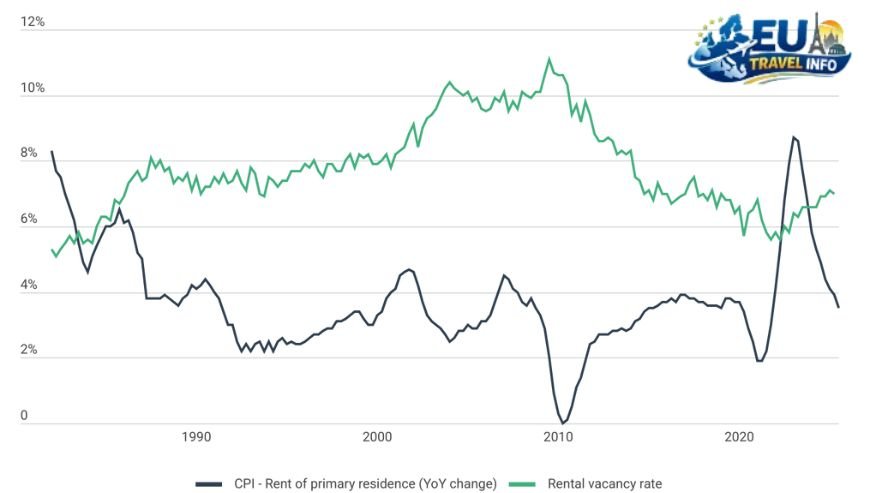
If you plan to stay longer, you might look at monthly rent. I saw that location makes a huge difference.
- Munich: The average rent for a one-bedroom apartment in the center is €1,537.
- Frankfurt: It is a financial hub, so rent is about €1,301.
- Berlin: The capital is still more affordable than London or Paris, with rent around €1,204.
- Leipzig: This is a value hub where you can find an apartment for €709.
- Saarbrucken: This is one of the cheapest major cities, with rent around €500.
Gradually, I learned that staying outside the city center can save you twenty to forty percent on your housing costs. I recommend this if you want to stretch your germany travel cost.
Food and Sustenance: Eating Like a Local
I think eating is the best part of any trip. I discovered that you can eat very well in Germany without a high germany travel cost. The grocery stores are very competitive. This keeps prices low for basics.
Supermarket Prices
I often shopped at discount stores like Aldi, Lidl, or Penny. Here is what I paid for common items:
- Milk (1 liter): €0.70 to €1.12
- Loaf of Bread (500g): €1.30 to €1.91
- Eggs (12 pieces): €1.82 to €3.32
- Rice (1kg): €2.09 to €3.00
- Apples (1kg): €2.20 to €2.91
- Local Beer (0.5 liter): €0.76 to €2.00
I found that a single person can buy a week of groceries for less than €50. On top of that, I enjoyed the Imbiss or street food scene. I ate Döner kebabs or Currywurst for about €3.00 to €8.00.
Restaurant Dining
Dining out is where costs can climb. I noticed that a meal at an inexpensive restaurant costs about €11 to €15. A mid-range three-course meal for two people usually costs €60 to €80.
- Breakfast: A pastry and coffee at a bakery cost me €5 to €9.
- Lunch: This is often the main meal. I found lunch specials or a Mittagstisch for €12 to €20.
- Dinner: I usually had a lighter meal of bread and cheese for €12 to €15.
I must mention the beer culture. Beer is very cheap in Germany. I paid €3.30 to €5.40 for a large draught beer in a pub. Wine is also fair, with a glass of Riesling costing about €5 to €7. Finally, do not forget to tip. I usually tipped about ten to fifteen percent for good service.
Getting Around: The Magic of the Deutschland-Ticket
The transportation system in Germany is world-class. I was very impressed by the efficiency. The most important thing I learned is the value of the Deutschland-Ticket.
The Monthly Pass
As of January 2026, this ticket costs €63 per month. It allows you to use all local and regional transport. I used it for buses, trams, the U-Bahn, and even regional trains like the RE or RB. However, it is not valid on fast ICE or IC trains.
I found that this ticket is a subscription. You must cancel it by the 10th of the month if you do not want it for the next month. Plus, it is a digital ticket that I kept on my phone.
High-Speed and Regional Trains
If I wanted to go between big cities quickly, I used the ICE trains. I learned to book these early. I found “Super Sparpreis” tickets for as low as €17.90 when I booked months in advance. On the contrary, if I waited until the day of travel, the price jumped to over €125.
For regional travel, I used the Bayern-Ticket in Bavaria. It starts at €29 for one person and is great for groups. It covers unlimited regional travel for a day.
Local Transport
In cities, I mostly used day passes.
- Berlin: A single ride is €3.50, and a day pass is €9.90.
- Munich: A single ride is €3.70, and a 24-hour pass is €8.90.
- Hamburg: A day pass costs €8.80.
I also rented bicycles in cities like Munich or Berlin. This cost me about €15 to €25 per day. It is a very fun way to see the sights.
Regional Value: The South vs. The East
I noticed a massive divide in prices across the country. This is vital for your germany trip budget. The south of Germany is the most expensive region. Munich and Stuttgart lead the way in costs.
- The Southern Premium: In Munich, I spent about €1,043 per month on living costs without rent. An inexpensive meal there cost me €19.00.
- The Eastern Advantage: Leipzig and Dresden are much cheaper. My money went nearly forty percent further in Leipzig compared to Munich. Rent in Leipzig is about thirty-five percent less than in Stuttgart.
Similarly, I found that small towns and rural areas are easier on the wallet. I stayed in a Black Forest village for €75 per night. Meals in village pubs were often just €12. Therefore, I recommend mixing big cities with rural escapes to balance your budget.
Sightseeing and Cultural Access: What I Saw
Germany is a cultural powerhouse. It has 51 UNESCO World Heritage sites. I found that visiting these places is quite affordable because the government helps pay for them.
Famous Attractions
- Neuschwanstein Castle: I paid €15 to €21 for an adult ticket. I had to book this weeks in advance.
- Berlin Museum Island: A day pass for five museums cost me €24.
- Cologne Cathedral Tower: Climbing the steps cost me €6.
- Miniatur Wunderland in Hamburg: This was a highlight for €20 to €25.
I also used city cards to save money. The Munich Card cost me €18.90 for 48 hours. It covered my transport and gave me discounts at museums. In Berlin, I used the Berlin Welcome Card for similar perks starting at €23.
I discovered that many museums have free days. I visited state museums in Berlin for free on Museum Sunday, which is the first Sunday of each month. Plus, many churches are free to enter.
Comparison: How Much Should I Budget for a Trip to Europe?
I often get asked how Germany compares to other places. I saw that it is a very good deal for Western Europe.
Germany vs. The United States
Living in Germany is generally cheaper than in the US.
- A single person in Germany spends about €996 per month (excluding rent), while in the US they would need €1,122 for the same life.
- Rent in Germany is about forty-seven percent lower than in the US.
- A meal for two is about the same price, but beer and water are much cheaper in Germany.
Germany vs. Other European Countries
Germany is not the most expensive country in Europe. I found that Switzerland, Norway, Denmark, and Ireland are all pricier. For example, a single person in Switzerland needs at least €1,604 per month. Berlin is much more affordable than London, Amsterdam, or Paris. Rent in Berlin is fifty-four percent lower than in London.
However, Germany is more expensive than Spain, Italy, or Eastern Europe. It is a middle-ground destination that offers high quality for a fair price.
Strategic Tips to Save Money
I have picked up a few tricks during my travels. I want your germany trave u get to go as far as it can.
- Book Early: I saved forty to sixty percent on trains by booking months ahead. I also booked hotels early to secure the best rates.
- Eat Main Meals at Lunch: I looked for lunch specials or the Mittagstisch. These cost much less than dinner menus.
- Use the Pfand System: I paid a deposit of €0.08 to €0.25 on plastic and glass bottles. I returned them to the supermarket to get my money back.
- Carry Cash: Although cards are becoming more popular, “cash is king” in many small shops and rural areas. I always carried €100 to €200 in my wallet.
- Drink Local Beer: It is often the cheapest option on the menu. In some places, it is even cheaper than bottled water.
- Stick to Discount Supermarkets: I saved a lot by shopping at Aldi or Lidl instead of Rewe or Edeka.
- Avoid Peak Times: I stayed away from Munich during Oktoberfest. Hotel prices there can jump by one hundred and fifty-three percent.
Real Examples of Spending
I like to see how real people manage their money. Here are three stories I found.
- Johan (28, Berlin): He earns €2,800 net per month. He spends €1,220 on rent and €250 on groceries. After all his bills and €210 for fun, he still saves €636.
- Klara (22, student in Aachen): She lives on a strict budget of €800 per month. She pays €380 for a room in a shared flat. She spends €230 on food and has no savings yet.
- Jürgen and Ursula (50s, Stuttgart): They earn €7,500 net together. They own their home, so they do not pay rent. They spend €600 on groceries and €400 on dining out. They save nearly €4,600 every month.
These examples show that you can live in Germany on many different levels of income.
FAQ
How much does a 7 day trip to Germany cost?
A solo trip costs about €1,220 to €1,320 for one week. Good value. Couples usually spend between €1,880 and €2,350 for the same trip. Additionally, your daily cost depends on your style. Budget travelers often spend €60 to €80 each day without a hotel. Mid-range travelers will need about €120 to €180 per day plus the room.
Is 500 euros enough for a month in Germany?
No, it is not enough. A single person needs at least €992 per month just for basic needs. On top of that, this amount does not even cover your rent. Therefore, you will need a much bigger budget to live for a full month.
What are the travel allowances for Germany 2025?
As of 2025, certain people like students or job seekers must show they have about €11,208 per year. This proof often comes through a blocked account. It shows the government that you can pay for your daily life.
Is $5000 enough for a vacation?
Yes, this is a very strong budget. A three-day trip from the United States might cost between $1,200 and $1,800. Plus, a luxury traveler might spend €333 to €575 per day. Therefore, $5,000 will easily cover a very nice one or two-week vacation.
Is 1000 enough in Germany?
It depends on your goal. For a month-long stay, €1,000 only covers the basics if you do not pay rent. However, students often live on a budget of €800 to €1,200 per month. If you stay for a week, €1,000 is plenty of money for your trip.
What is the cheapest month to visit Germany?
The most affordable months are November through March and April to mid-June. Low prices. Great deals. Also, January and February are the quietest low seasons. Prices for rooms are often forty to sixty percent lower during these times.
Is 7 days enough for Germany?
It is a great start. First-timer visitors often choose a one-week trip to see the “Cultural Triangle” of Berlin, Munich, and the Rhine Valley. Though, a city like Berlin really needs three to five days on its own to see everything.
How much is a train ticket in Germany?
A single local ride costs about €3.20 to €3.50. Fair price. However, the Deutschland-Ticket is the best deal at €63 per month. For fast trains, you can find tickets for €17.50 if you book very early. On the contrary, to buy a ticket on the day you travel can cost €125 to €150. A huge jump
What’s the best time to visit Germany?
The shoulder seasons of May to June and September to October are the best times. Perfect weather. Fewer crowds. Plus, the prices are more fair than in the peak summer.
Is food in Germany expensive?
No, it is quite moderate. Grocery costs are lower in Germany than in countries like France or Sweden. On top of that, you can find a cheap meal for about €11 to €15. Small cost for big taste.
Is Munich expensive to visit?
Yes, it is the most expensive city in the country. Most costly. High demand. Rent and daily costs are often fifteen to twenty-five percent higher than in other cities.
Concluding words
Germany offers a high quality of life for a fair price. You can travel on a budget by using discount stores and the monthly train pass. Though, you must plan for higher costs in southern cities like Munich. Always book your fast trains months in advance to save the most money. Finally, your adventure awaits in this land of castles and history.