I have traveled across many lands, but I always find myself returning to the shores of the old world. I have learned that the best way to see the beauty of this continent is through Off Season Travel to Europe. Many people rush to the beaches in August. However, I prefer the quiet moments when the crowds go home. Did you know that Europe has over 68,000 kilometers of coastline?. That is a lot of space to explore. Additionally, recent data shows that 45 percent of travelers now change their plans because of climate change. A huge 76 percent of those people choose to travel during the off peak travel season europe because the weather is better and more moderate. It is the perfect time for a mature traveler like you to find authenticity and cultural immersion.
Why You Should Choose Low Season Travel to Europe
First of all, the world is too crowded in the summer. I remember a trip to the Amalfi Coast in August 2023 where the traffic was a nightmare. On the contrary, the off peak time to travel to europe usually falls between May and June or September and October. You get warm water to swim in, but you do not have to fight for a parking spot at every viewpoint. It is much more relaxed. Plus, you can find better value for your money. Is europe cheaper in winter? Yes, it is. Off-season rates can reduce prices by 40 to 60 percent along the Mediterranean coasts. You get the same beautiful views for half the cost.
Gradually, you will realize that the local people are friendlier when they are not busy with millions of tourists. Finally, you can see the real soul of a place. What month does europe go on vacation? Most of the continent takes a break in August. If you avoid that month, you will have a much better time.
The Moody Charm of the United Kingdom in Winter
I love the British coastline even when the skies are grey. Though many people think of the UK as a summer spot, I recommend places like Whitstable in Kent for a winter getaway. I visited in February 2023 and the experience was incredible. The town has two pebbly beaches lined with colorful beach huts. I enjoyed sundowners at the Neptune pub on a Monday evening. It was peaceful. The town has lovely independent shops and street art to explore.
Similarly, Wells-next-the-Sea in Norfolk is a favorite of mine. I have visited in all seasons. However, Norfolk in autumn and winter is truly stunning. You get epic sunsets and very few visitors. The beach is a huge expanse of sand that stretches for miles. You can walk behind the beach through sand dunes and pine forests. It feels wild and remote. Also, I must mention Whitby in North Yorkshire. This town is most atmospheric in autumn or winter. It is the place where Bram Stoker set his story of Dracula. You can climb the 199 steps to the ruins of Whitby Abbey on the cliff. The narrow cobbled streets and characterful pubs are perfect for a cold afternoon.
Finding the Best Winter Sun in Southern Europe
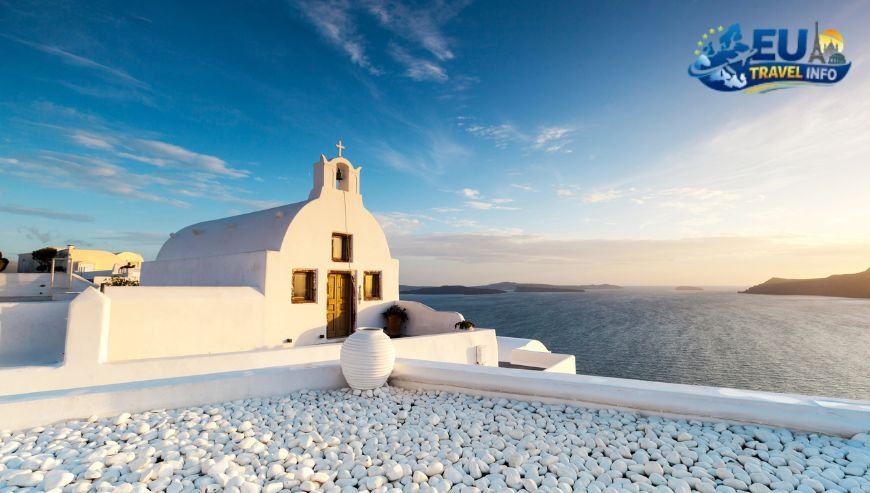
If you want real warmth, you must look further south. The Canary Islands are the winners for temperature. They stay between 20 and 22 degrees Celsius from December to February. I love Tenerife because it has excellent hiking in Teide National Park. You can also see migrating whales during these months. Lanzarote is also special with its lava fields and unique architecture. On top of that, Fuerteventura has endless dunes and is a top spot for kitesurfing.
Madeira in Portugal is another treasure. They call it the island of eternal spring. The temperature stays around 18 to 20 degrees Celsius even in the dead of winter. It is a dream for hikers. I love walking the levada system, which are ancient irrigation channels turned into paths. The UNESCO-listed Laurel forest looks magical in the winter mist. If you go for New Year’s Eve, you will see one of the biggest fireworks displays in Europe.
Later, you might consider the Algarve in Portugal. It has over 300 days of sunshine every year. The winter highs are around 16 to 18 degrees Celsius. You might not want to swim in the brisk Atlantic, but it is perfect for walking the Seven Hanging Valleys Trail. The golden cliffs and hidden coves are often completely empty. Additionally, you can see flamingos in the Ria Formosa Natural Park during the winter.
The Mediterranean Gems for Off Peak Travel
Malta is one of the warmest european countries in the winter months. It stays around 15 to 17 degrees Celsius. It is the perfect weather to explore Valletta. The honey-colored stone buildings glow in the winter light. You can see the St. John’s Co-Cathedral without the summer crowds. Cyprus is even warmer. It has over 340 days of sunshine a year. In the winter, you can spend your morning on a beach and your afternoon in snow-dusted mountains. I love seeing the flamingos at the Larnaca salt lake between November and March.
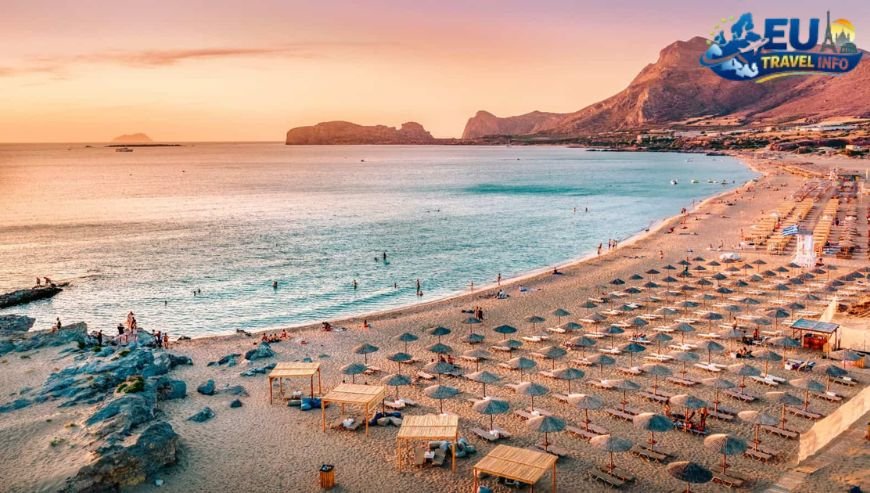
Sicily is also a perfect low season to go to europe. The winter means you can see the Norman Palace mosaics without melting in the heat. You can even ski on Mount Etna and then drive down for a seafood lunch by the sea. In February, you can enjoy the Almond Blossom Festival in Agrigento. Crete is another island that transforms in the winter. You can explore the Palace of Knossos without any queues. Renting a car allows you to find mountain villages where locals serve raki by the fireplace.
Therefore, if you want a city break without the coast, go to Seville. It has genuine warmth. February reaches 18 degrees Celsius. The orange trees that line the streets are heavy with fruit in the winter. It is the birthplace of flamenco, and you can catch a show with real passion. The Real Alcázar architecture deserves hours of your time.
Exploring the Hidden Balkans and Northern Shores
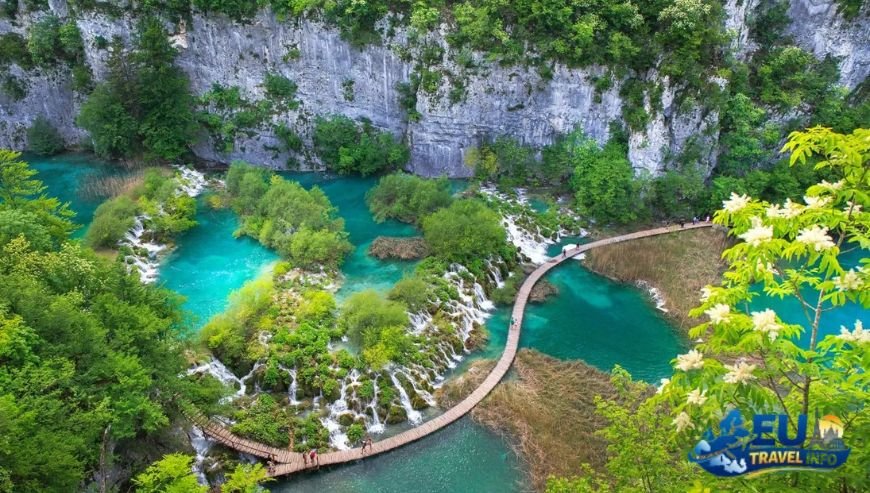
The Balkans are an underrated destination. Albania is becoming a hot spot for low season travel to europe. The southern coastline has landscapes that rival Greece but for much less money. Sarandë is the heart of the riviera. If you go slightly off-season, you can save a lot of money and have the beaches to yourself. Ksamil has turquoise water and four green islands you can reach by boat.
Similarly, the Makarska Riviera in Croatia is a great alternative to the busy ports. It is a 50 km stretch of coast with Mount Biokovo in the background. The pebble beaches are beautiful. Montenegro is another Balkan jewel. The Bay of Kotor has medieval towns like Perast clinging to the rocks. It is much cheaper than neighboring Croatia. Sozopol in Bulgaria is best visited between May and July or September and October. It is one of the oldest towns in Bulgaria and has amazing Balkan cuisine.
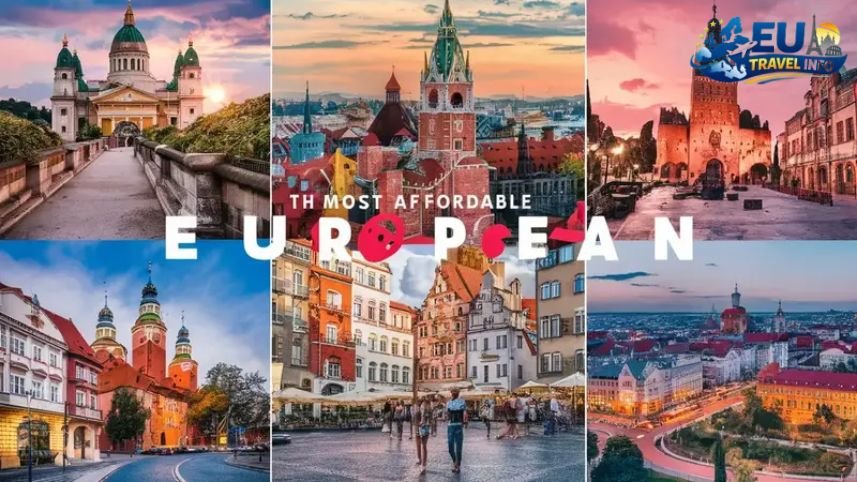
Gradually, let us look north. Tallinn in Estonia is a medieval treasure. Summer brings “White Nights” with endless daylight, but the shoulder season is also great. Vilnius in Lithuania has a fairytale Old Town with secret courtyards. Rotterdam in the Netherlands is an open-air gallery of modern architecture. You can see the Erasmus Bridge and the surreal Cube Houses. Sopot in Poland has the longest wooden pedestrian pier in Europe. The beaches are sandy and stretch for miles.
Why the Atlantic Coast is Perfect for Adventure
The Atlantic coast offers a different vibe. Brittany in France is famous for its Pink Granite Coast. I love the unusual pink rocks near Perros-Guirec. Normandy has the famous D-Day landing beaches and the white cliffs of Étretat. Saint-Jean-de-Luz is a lovely French Basque town with a sheltered bay. It has an interesting promenade lined with wooden Basque houses.
In Spain, the Galician coast is known as “Green Spain“. It has lush landscapes and Celtic influences. You can visit the lighthouse at Cape Finisterre, which people once called the end of the world. Baiona is a characterful town surrounded by stone walls. It is where Christopher Columbus first docked when he returned from the Americas. Portugal’s Silver Coast is also worth a visit. Peniche is a fishing town on a peninsula. The old town sits between two main beaches, Baleal and Supertubos.
Practical Advice for Your Off-Season Road Trip
I have done this trip many times. Timing is the most important part. However, you must be prepared for changing weather. I once got soaked three times in one day on Ireland’s Wild Atlantic Way. The moody skies make for great photos, but you need a good jacket. First of all, check your documents. You need a valid passport and an International Driving Permit. Vehicle insurance with cross-border coverage is also a must.
Additionally, be careful with driving rules. I have received speeding tickets in the mail months after my trip. Speed cameras are everywhere in France and Italy. Use your GPS to keep an eye on the limit. Many towns have Limited Traffic Zones or ZTLs. If you enter them without a permit, you will get a fine. Also, carry cash for tolls in countries like Spain and Italy.
Gradually, you will find that parking is easier in the off-season. However, you should still arrive early at popular spots. Plus, many coastal regions have spotty mobile service. Download offline maps before you go. I recommend using apps like Park4Night to find unique spots to stay. Finally, consider staying in inland accommodations a few kilometers from the coast. You will find better rates and more availability.
Ecosystems and Sustainable Travel
I believe in sustainable coastal road tripping. We tried an electric car last year. It is doable in places like Norway and the Netherlands because they have many charging stations. However, it is harder in rural Greece. On top of that, we should all support local communities. Shop at local markets instead of big chains. Eat at locally-owned restaurants that serve regional food.
I learned about the Posidonia regulation in the Balearic Islands. They have a Surveillance Service with 19 boats to protect the sea meadows. They even have an app to show you where it is safe to anchor your boat. Similarly, the National Park of Port-Cros in France has a multi-use management approach. They ban recreational fishing in some areas to protect the fish. They even have a fishing charter developed with local fishers.
Also, the Kuriat Islands in Tunisia are a vital nesting site for the Caretta sea turtle. They use a co-management system with local NGOs to monitor the turtles. They have low-impact buoy fields to protect the seagrass. These are the kinds of efforts we should support when we travel. Additionally, look for ecotourism packages like those from the MEET Network. They focus on nature-based tourism in protected areas and help local communities.
My Favorite Culinary Stops Along the Coast
Food is one of the best reasons to travel. In the off season to go to europe, you can find the most authentic flavors. In Portugal, you must try cataplana. It is a seafood stew cooked in a copper pot. I tried to buy the pot from a chef once, but he said it belonged to his grandmother. Similarly, in Galicia, try the octopus with paprika. In Brittany, the savory buckwheat crepes are delicious.
On the contrary, the Mediterranean offers different delights. Try the bouillabaisse fish stew in Marseille. In Greece, the grilled fish with oil and lemon sauce is simple and perfect. Also, visit an oyster farm in Cancale, France. If you are in Puglia, Italy, take a tour of an olive grove. Plus, the tapas culture in Seville is amazing even in winter. Many bars have heaters so you can sit outside under the stars.
FAQ
What is the cheapest time of year to go to Europe?
Winter is the cheapest time for a trip across the sea. Prices for hotels and flights drop a lot when the summer heat fades.
What is the off-season to travel to Europe?
The off-season usually includes the winter months from December to February. Additionally, early spring and late autumn are perfect times for a quiet visit.
Is it cheaper to visit Europe in the off-season?
Yes, it is much cheaper. You can save between 40 and 60 percent on your room costs during these months. The best part? Better value for every dollar.
What month do most Europeans take off?
Most people in the old world take their holidays in August. Therefore, the roads and beaches are the most crowded at that time.
What is the most expensive month to visit Europe?
August is the most expensive month to go. High demand for travel makes prices go up for everyone.
Where not to go in Europe right now?
Avoid the huge tourist traps and crowded spots like the Amalfi Coast in the peak summer. You should also stay away from over-touristed spots to support the local community.
Where is it cheaper to travel off-season?
The Mediterranean coast is much cheaper in the winter months. Plus, the Balkans and countries like Albania offer great value for your money.
Which month is better to visit Europe?
I prefer May and June or September and October. The weather is mild, and you will not have to fight the crowds for a good view.
Which part of Europe is the cheapest to visit?
The Balkans are the cheapest region for a traveler. Albania has beautiful turquoise water and white sand for a very low price.
Is $5000 enough for a vacation?
Yes, $5000 is plenty of money for an off-season trip. You can find nice wooden houses or rooms for 10 to 100 Euros per day.
Is $100 a day enough in Europe?
You can easily live on $100 a day. Some camping spots cost less than 5 Euros a night. Additionally, you can find fresh food at local markets for low prices.
Concluding words
Off Season Travel to Europe is the smartest choice for any mature traveler who wants peace. You will find lower prices and meet local people who have more time to talk. Whether you visit the warm Canary Islands or the quiet streets of Tallinn, the experience is more real. The world is quiet. The views are yours. You should take the chance to see the continent at your own speed.