I used to believe that a trip to Europe meant I would have to sell a kidney just to afford a hotel room. Many people think the same thing. They see the prices for hotels in Paris or Rome and then they close their browser tab immediately. I was exactly like that. However, I actually started to dig into the smaller hubs, the budget airlines, and the hidden gems. The game changed completely. I have spent the last few years finding places that are properly cheap compared to the big tourist traps. These spots are safe, fun, and honestly more authentic. I am sharing my personal journey to help you find the Most Cheapest Cities in Europe For Students and mature travelers who love to explore without going broke.
You can have a great coffee for under €3. You can find a decent hostel for under €25. It feels like you are living in a movie set but without the Hollywood price tag. This guide is my honest take on the best places for students to travel in europe. I want to give you the real details. No fancy talk. Just the truth about where your money goes further.
Budapest, Hungary: The Original Budget Favorite
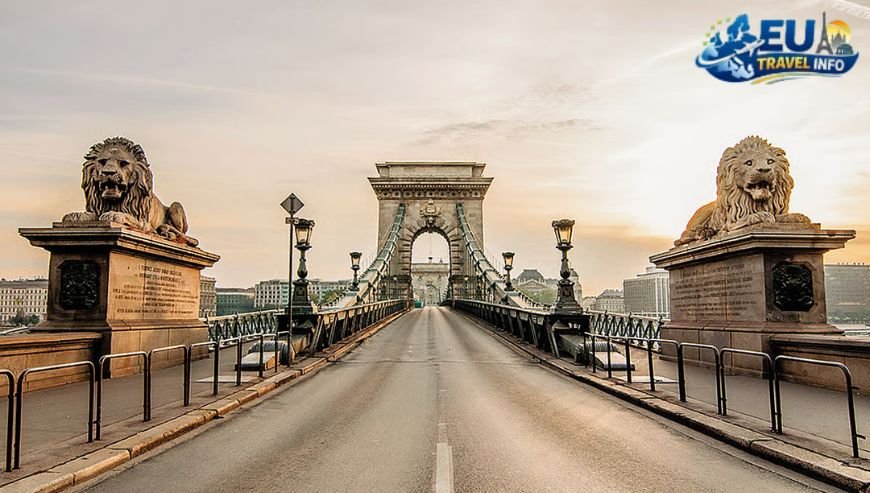
I have to start with Budapest. For many travelers, this is the perfect entry point into affordable Europe. The quality of life you get here for what you pay is simply insane. You can still find solid hostels in the city center on the Pest side for €18 to €25 per night in a dorm if you book early. Additionally, private rooms in small hotels usually start around €55.
Budapest is a dream for your wallet. First of all, the food is incredible and cheap. You can get a filling bowl of Gulyás (goulash soup) for about €7 to €10. If you are really on a budget, look for Lángos. It is fried dough with cheese and sour cream. It costs only €4 to €5 and is basically a full meal. On top of that, the public transport is great. You can get a 24-hour travel card for about €6.
I love the ruin bars here. Szimpla Kert is the famous one, but the smaller ones in the Jewish Quarter are also great. You should also visit the thermal baths. Széchenyi and Gellért are popular for a reason. Pro tip: go early in the morning to avoid the huge crowds. Budapest is definitely one of the top 10 cheapest cities in europe for 2026.
Kraków, Poland: A Fairy Tale for Students
Kraków surprised me in the best way. I expected something industrial. Instead, I found a gorgeous old town with cobblestone streets and live music. Because it is a university city, it is full of young people. Therefore, the prices stay very friendly. It is one of the cheapest countries to study in europe for international students.
You can find dorm beds for €15 to €22. The food is a massive win here. You can get a huge plate of pierogi (Polish dumplings) for less than €7. That will keep you full for half the day. Beer is usually under €3. I spent a lot of time in the Jewish Quarter, which is called Kazimierz. It has artsy cafes and a very chill vibe.
The cost of living in Poland is very low. Monthly expenses for a student can start from PLN 1,500 (about €330). This covers rent in a dormitory, transport, and even some entertainment. Plus, international students in Poland can expect lower costs compared to almost anywhere else in the European Union.
Porto, Portugal: Tiles, Wine, and Sea Breezes
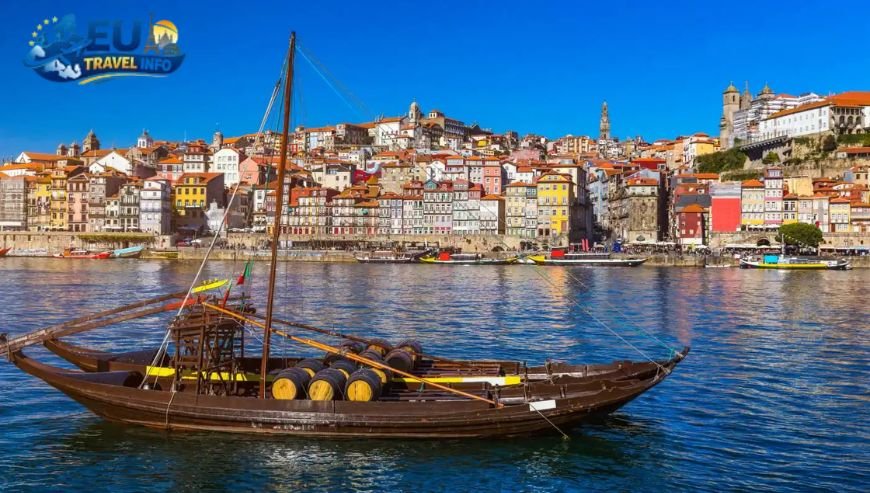
Lisbon gets all the attention, but Porto is the chill cousin. It is smaller, cheaper, and more relaxed. The city is built for slow walks. You will see those beautiful blue-and-white tiled buildings everywhere. If you are looking for cheap destinations in europe with beach access, Porto is a fantastic choice because it is right by the Atlantic.
Hostels cost roughly €20 to €28 a night. The real magic is the food. Local bakeries sell pastel de nata (custard tarts) for only €1 to €1.50. You can find a set lunch menu for €8 to €12 that includes soup and a main dish. Similarly, the metro from the airport is much cheaper than a taxi. Finally, do not miss the sunset at Jardim do Morro. You can sit on the grass, listen to street musicians, and watch the city glow orange.
Valencia, Spain: The Smart Choice
Valencia is like the smart kid in class who does not brag. It has a beach, a beautiful old town, and amazing parks. It is much more relaxed than Barcelona. You can get a hostel bed for around €22 to €30. Budget hotels for couples are usually €60 to €90 if you book ahead.
This is the home of paella. Just stay away from the main squares to find the authentic, affordable versions. I recommend renting a cycle. You can ride through the Turia Gardens, which is a massive park in an old riverbed. It is one of the best places for students to travel in europe because it combines city life with beach vibes without the stress of huge crowds.
Ljubljana, Slovenia: The Green Heart
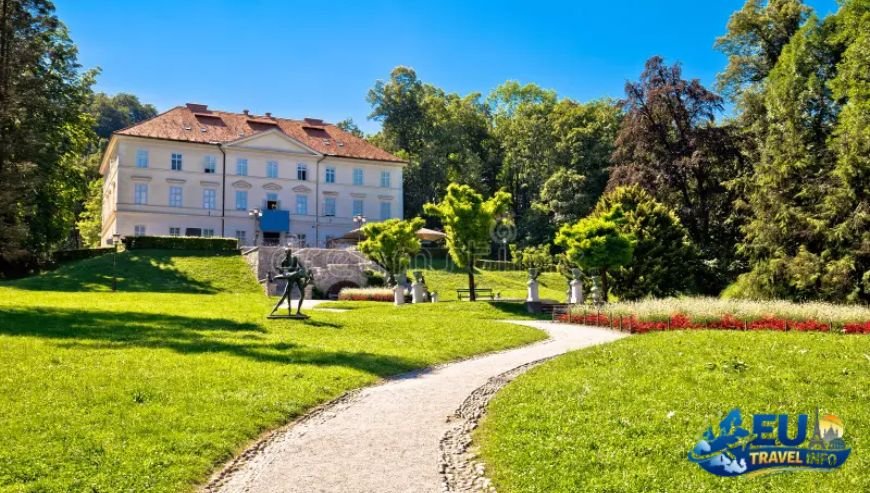
Ljubljana is pronounced “loo-blee-ya-na.” It looks like it came straight out of a storybook. There is a river in the middle and a castle on the hill. It is very green and peaceful. I felt very safe walking around even at midnight.
Costs are a bit higher than in Eastern Europe, but still very fair. Hostels are about €23 to €30. You can find bakery snacks for €3. What I loved most were the day trips. You can take a bus to Lake Bled or Lake Bohinj. They are some of the most beautiful lakes in the world. Gradually, you will realize that Slovenia is a hidden gem in the middle of Europe.
Sofia, Bulgaria: Extreme Budget Heaven
If you want to stay for a whole week without spending much, go to Sofia. It is one of the cheapest countries to visit in europe 2026. It is a mix of old Roman ruins and new hipster cafes.
Hostel beds can be as low as €12 to €18. A full local meal is often under €10. Coffee is only about €1.50. On top of that, Vitosha Mountain is right next to the city. You can take a taxi and be on a hiking trail in less than an hour. It is rough around the edges, but that is part of the charm.
Belgrade, Serbia: History and Nightlife
Belgrade is gritty and full of life. It is not as “pretty” as some other cities, but it has amazing character. It is very affordable. Hostels are around €14 to €22. Eating out is easy because the portions are huge. You can get a filling meal for €6 to €10.
The nightlife is famous here. They have clubs on the river called splavs. I spent my evenings at the Kalemegdan Fortress. The sunsets there are beautiful and completely free. Serbia is definitely one of the 12 cheapest countries to visit in europe.
Tbilisi, Georgia: Warm and Welcoming
Georgia is technically on the edge of Europe, but its heart is definitely there. It is a favorite for budget travelers. The hospitality is incredible. I had a host who packed me food for my train ride just because they were kind.
Hostel beds start at €10 to €18. You must try Khachapuri. It is a cheese bread that is very filling and cheap. The old town is full of winding streets and sulfur baths. It is a very unique place that feels different from the rest of the continent.
Sarajevo, Bosnia & Herzegovina: Soulful and Affordable
Sarajevo is a city that hits you in the heart. It has a mix of Ottoman and European history. You can see minarets and church towers in the same skyline. It is very kind to your wallet.
Hostels are about €12 to €20. You can get a plate of ćevapi (grilled meat) for about €4 to €6. The coffee is strong and cheap. I highly recommend hiking up to the Yellow Fortress for a view of the whole city at sunset.
Vilnius, Lithuania: The Baltic Chill
Vilnius is often ignored, but it is a great spot. It has a compact old town and a very artsy vibe. There is a neighborhood called Užupis that declared itself an independent republic. It has its own funny constitution.
Hostels run around €18 to €25. Food prices are moderate but still much better than in Western Europe. I felt very safe here. It is a great alternative to the overcrowded tourist spots.
Exploring the Top 10 Cheapest Countries to Study in Europe For International Students
Studying abroad is a dream for many. However, the costs can be scary. If you look at the cheapest countries to study in europe for international students for master’s, you will see some surprising names. Germany is a leader here. Most public universities in Germany have no tuition fees for both EU and non-EU students. You only pay a small semester fee of €100 to €350.
Austria is another great option. Public universities are often free for EU students, and non-EU students only pay about €726 per semester. Similarly, France subsidizes tuition. Non-EU students might pay around €3,941 per year for a Master’s degree, which is much lower than in the US or UK.
Here is a quick statistical breakdown of monthly living costs for students in these top destinations:
| Country | Monthly Living Cost | Key Feature |
| Germany | €850 – €1,200 | No tuition fees at most public unis |
| Poland | €330 – €458 | Very low grocery and rent costs |
| Hungary | €350 – €600 | Incredible value for cultural experiences |
| Italy | €700 – €1,300 | World-class art and subsidized canteens |
| Spain | €800 – €1,200 | Great weather and English-taught programs |
How to Save Money Like a Pro: Student Discounts and Services
You should always carry a student ID. Many countries in Europe offer amazing discounts. For example, in Hungary, students get 50% off on public transport. In the Czech Republic, there is a 75% discount for all train and bus connections between towns. That is a huge saving!
In Croatia, meals at university cafeterias are subsidized by 75%. You can get a full meal for about €1 to €2. Similarly, in Slovenia, students get subsidized transport and even free meals in some cases. Additionally, most museums and galleries across Europe offer reduced prices if you show your ID. Later, you will realize that being a student is like having a magic discount card for the whole continent.
Lessons from an Extreme Budget Traveler
I once read a story about a student who lived in Germany on only €800 per month. He had to be very careful. He shopped at low-cost grocery stores and cooked everything at home. He even avoided having a cellphone to save money. While you might not want to go that far, his tips are useful.
First of all, use the “weekend tickets” for trains. In Germany, a Wochenende ticket allowed groups of up to five people to travel all day for a flat fee. Second, eat like a local. Instead of expensive restaurants, find a donair (kebab) shop. You can find them all over Europe for a few euros. Finally, walk as much as possible. It is free and you see way more of the city that way.
Planning Your Trip for 2026
If you are planning to visit the cheapest countries to visit in europe 2026, keep a few things in mind. First, the ETIAS system will likely be in place. This is a pre-authorization for travelers from visa-exempt countries like the US or UK. It is a small fee, but you must do it before you fly.
Also, the prices for student housing are rising in some cities. In Copenhagen, for example, the rent is very high. An average room can cost over DKK 8,000 (about €1,000) per month. Therefore, it is better to stick to the cities in the East or the South if you want to save money.
FAQ
Which country in Europe is the cheapest to study?
Bulgaria is an extremely affordable choice because Sofia is one of the cheapest capitals in Europe. Poland also offers lower living costs compared to other European Union nations. On top of that, Germany is a top pick because most public universities do not charge tuition fees.
Where is the cheapest place to vacation in Europe?
Sofia, Bulgaria allows you to stay for a whole week without a large budget. Many travelers find that Hungary and Poland also provide great value for cultural experiences and food. Similarly, the Baltic region is gaining attention for being a chill and affordable alternative to crowded spots.
What is the most affordable city in Europe?
Sofia is currently one of the cheapest capitals for budget travelers. In Poland, cities like Katowice and Gdansk often have lower living cost indices than Warsaw. Plus, you can find hostel beds in Tbilisi for as low as €10 to €18.
Which European country is tuition free?
Germany provides tuition-free education at most public universities for both EU and non-EU students. Sweden, Finland, Denmark, and Austria also offer free tuition, but this usually applies only to EU/EEA and Swiss citizens. On the contrary, non-EU students in these countries usually pay institutional fees.
Which country is best for study in low budget?
Poland is an excellent option because monthly living expenses start at approximately €330. Germany is also ideal for a low budget due to the lack of tuition fees at public institutions. Additionally, Hungary is a favorite for its low transport and food costs.
Is tuition fee free in Austria for Bangladeshi students?
No, tuition is generally not free for students from outside the EU/EEA in Austria. While EU/EEA students pay almost nothing, non-EU students typically pay around €726.72 per semester. This is still much cheaper than many Western universities.
Which European country is the least expensive?
Bulgaria is frequently cited as one of the least expensive countries for a long stay. Poland is another strong contender with very low costs for groceries and transport. Serbia and Bosnia & Herzegovina are also noted for being very kind to your wallet.
What’s the cheapest month to go to Europe?
The best times to find lower prices and fewer crowds are April, May, September, and October. Summer months like July and August are usually more expensive and hot. Additionally, you should avoid the deep winter unless you enjoy extreme cold.
What is the nicest but cheapest country to live in?
Kraków in Poland is described as a gorgeous, fairy-tale city that is very friendly to students. Ljubljana in Slovenia is another beautiful choice because it is very green, safe, and peaceful. Portugal is also a favorite for its relaxed vibe and affordable local food.
Where should I live if I only speak English in Europe?
Ireland is a primary choice because it is an English-speaking nation. The Netherlands is also great because it offers over 2,000 programs taught in English. Younger people in Baltic cities like Vilnius also tend to speak excellent English.
What is the least affordable city in Europe for housing?
Copenhagen is a very difficult market for student housing. There is a massive imbalance with 3.5 students for every available student housing unit. Rents in the city center can reach DKK 8,100 per month, which is over €1,000.
Concluding words
Europe offers many hidden gems where students can live and study without a massive fortune. Cities like Budapest, Kraków, and Sofia provide high-quality life and rich history at a fraction of the cost of Paris or London.
You can save money by using student discounts, eating local street food, and choosing public transport. Planning ahead and looking beyond the famous capitals will make your European dream a reality.