I have spent years exploring the winding streets of Europe. I know how it feels to look at a bank account and wonder if a trip is even possible. The good news is that cheap Europe trips for students are more than just a dream. You can see the Eiffel Tower or the canals of Venice without a mountain of debt. Europe is a massive playground with so many ways to save money if you know the right tricks. I want to share my best secrets for cheap travel in europe for students so that you can hit the road with confidence.
The Secret to Finding the Cheapest Flights
First of all, you must master the art of booking your flight. This is usually the biggest cost for any traveler. I have learned that flight prices change by the minute. I always use search engines like Skyscanner or Google Flights to compare different airlines. These sites have a calendar view that shows which days are the cheapest to fly across a whole month. You should look for flights on Tuesdays and Wednesdays because these mid-week days are often much cheaper than weekends.
Additionally, you should always search in incognito mode on your computer. Airlines use cookies to track your searches and they might raise prices if they see you are interested in a specific route. I always delete my search history before I book a ticket. Skyscanner also has a cool feature called Explore Everywhere. If you are not picky about where you go, this tool shows you a list of the cheapest destinations from your airport. I once found a return flight to Milan for only £20 using this trick.
However, you must watch out for extra costs on budget airlines like Ryanair. These companies often charge for things like seat selection or baggage. Ryanair and Wizz Air are great for cheap europe trips for students, but they have very strict rules. I suggest you travel with only a backpack or a haversack. A small bag that fits under the seat is usually free, but a tiny suitcase might cost you over €60 at the gate. You should weigh and measure your bag at home so you do not get a surprise bill at the airport.
Where to Stay Without Breaking the Bank
Your next big task is finding a place to sleep. Hostels are the best choice for anyone on a budget. They are much cheaper than hotels because you share a room with other travelers. These “dormitory-style” rooms usually have four to eight bunks, and larger rooms are almost always the cheapest. I enjoy hostels because they are very social and a great way to meet new friends.
Most hostels have a shared kitchen. You can save a lot of money by cooking your own meals instead of eating at restaurants every night. I always look for hostels that offer a free breakfast. It might be simple, like bread and jam, but it fills your stomach for free. You should also check for a common area where you can relax and get tips from other travelers.
Safety is important when you share a room. Most hostels have lockers for your bags and valuables. You should bring your own padlock because buying one at the hostel is expensive. I also recommend bringing earplugs and a sleep mask. Some roommates might snore or arrive late at night, and these items help you get a good rest.
Eating Like a Local Legend
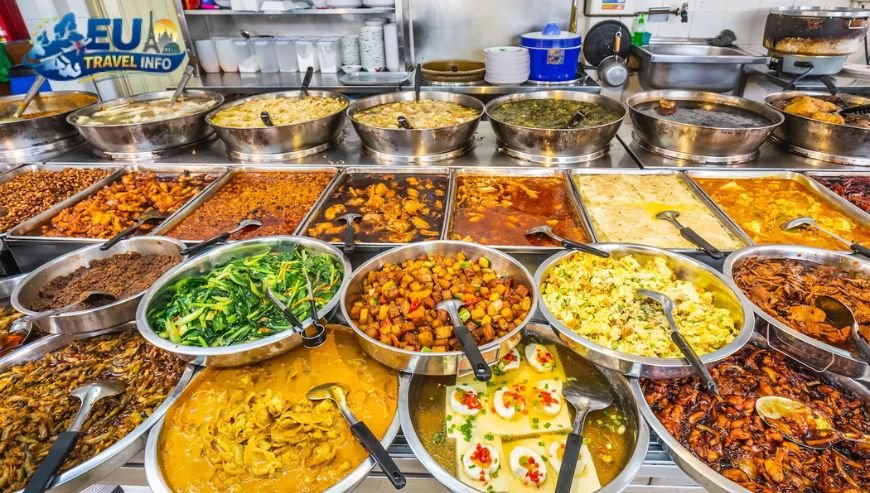
Food in Europe can be expensive, but you do not have to starve. My favorite way to eat is to find cheap europe destinations for students that have amazing street food. Kebab stands are everywhere in big cities like Berlin, Paris, and Florence. You can often get a large döner kebab for around €5, and it is big enough to share.
Similarly, local bakeries are perfect for a quick and cheap lunch. In France, you can grab a croque monsieur, or in England, a savory pasty. If you are in Iceland, look for a bakery with an all-you-can-eat soup buffet. It is one of the best values in a very expensive country.
On top of that, you should visit local market halls. These historic buildings are full of fresh produce and small food stalls. In Florence, the Mercato Centrale has amazing local treats that office workers love. I suggest you avoid the tourist restaurants near the main squares. Instead, line up where the locals go. I have found that university cafeterias or “milk bars” in Poland are great places for a cheap, hot meal. In Bratislava, a lunch menu at a cheap restaurant is usually around €7 to €8.
Moving Around the Continent
Travel between cities is another area where you can save cash. The Interrail or Eurail pass is a classic choice for students. If you are a resident of Europe, you qualify for the Interrail pass. If you live outside of Europe, you must buy a Eurail pass. These passes let you take many different trains across many countries for one price.
Plus, there are special youth tickets for people under a certain age that are even cheaper. You should check if you need a seat reservation for certain fast trains, as these can cost extra. Sometimes, a bus like FlixBus is a better deal than the train. I like FlixBus because they usually stop at the central station and they do not check the weight of your bags as strictly as airlines do.
Additionally, you should get an ISIC (International Student Identity Card). This card is the only internationally recognized student ID. It gives you huge discounts on buses, trains, and entry to museums or galleries. I highly recommend this card for anyone planning cheap travel in europe for students.
Exploring Cities for Free
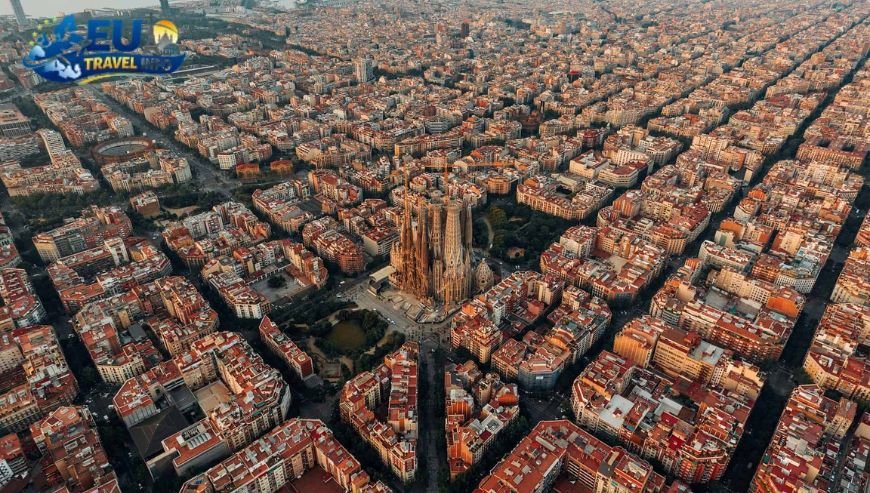
Once you arrive in a new city, you should look for free walking tours. Most major cities like London, Paris, Berlin, and Prague have them. These tours are usually led by professional guides who work for tips. You pay what you think the tour was worth at the end. A tip of €10 is usually considered a decent amount, but if you are on a very tight budget, €5 is okay too.
Gradually, you will learn that these tours are the best way to see the history and top attractions of a city in just a few hours. The guides often share local tips on where to find the best cheap food or where the locals hang out. They might even tell you about secret festivals that tourists never find. You should try to take a general tour on your first day to get your bearings. Later, you can look for themed tours about street art or WWII history if you are interested.
The Best Value Destinations in 2026
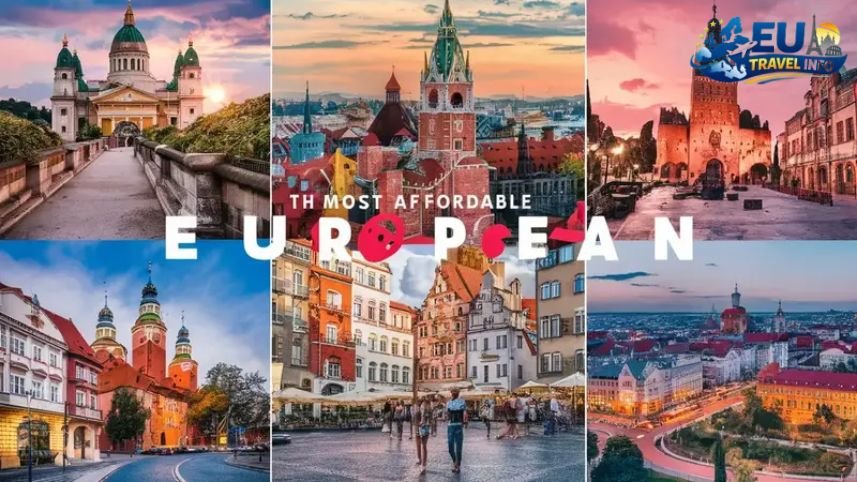
Choosing the right location is key to a low-cost trip. Some cities are much cheaper than others. Kraków, Poland is one of the cheapest european countries for international students. Rents and food prices are much lower than in Western Europe, and the city has a vibrant nightlife.
Similarly, Budapest, Hungary is a fantastic choice. It regularly shows up on lists of the most affordable student cities in Europe. You can find many English-taught university programs there, making it one of the cheap european countries to study. If you want something different, you should consider Rotterdam in the Netherlands. While it is not as cheap as Poland, it is more affordable than Amsterdam. You can find student rooms there for around €550 to €600 per month.
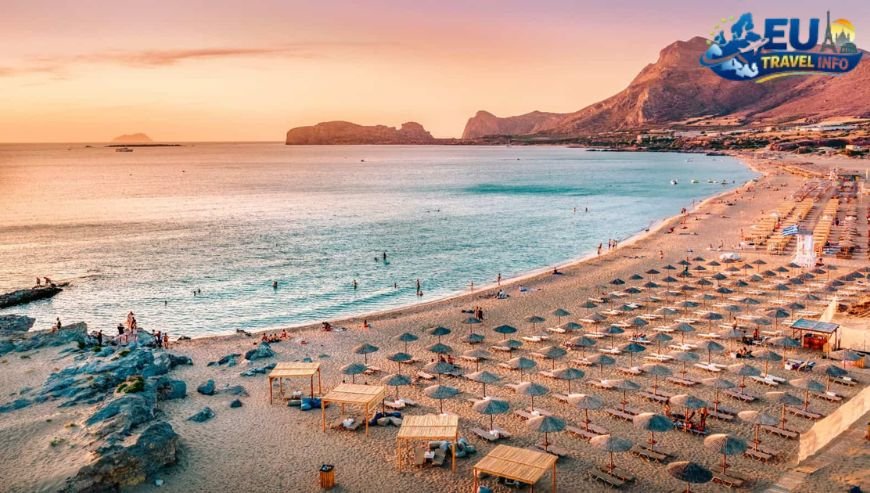
Finally, I have to mention Albania. It is fast becoming a favorite for travelers who want to avoid the crowds and high prices of Greece or Italy. You can find budget hotels starting at only INR 700 to INR 2000 per night. You do not even need a Schengen Visa for Albania, and they have an easy e-visa for Indian tourists. It is truly one of the best europe country for international students who want an authentic experience for half the price.
Packing and Survival Hacks
Your packing list can make or break your budget. I always bring flip-flops for the hostel showers. Hostel bathrooms get a lot of use, and you want to keep your feet clean. I also carry a reusable water bottle. Buying bottled water every day is a waste of money when you can fill up for free at many public fountains.
On top of that, you should bring a USB power bank. You will be using your phone for maps and photos all day, and you do not want your battery to die. I also suggest bringing some basic medicine like pain relievers. Buying these in a foreign pharmacy can be confusing and expensive.
Therefore, you should plan your packing carefully. You must remember that student weekend tours are also an option if you do not want to plan everything yourself. Companies like Bus2alps offer trips to places like the Amalfi Coast or Prague starting from around €199. These trips usually include accommodation, breakfast, and a guide. This is a great way to see a lot of things in a short time if you have a bit of extra cash.
FAQ
What is the cheapest way to travel Europe as a student?
A bus like FlixBus is often the most affordable way to move between cities because it is reliable and has low fees. You should also carry a haversack instead of a small suitcase to avoid paying €60 or more at the flight gate. Additionally, you must use an ISIC card to get discounts on transport and museum tickets.
Which Europe country is affordable for students?
Poland is a top choice because the cost of food, rent, and fun is much lower than in Western Europe. Hungary is also very cheap and offers many university programs in English. Slovakia is another good option where you can find a lunch menu for about €7 to €8.
Which part of Europe is the cheapest to visit?
Central and Eastern Europe are the best regions for a tight budget. Countries in the Southeastern part of the continent, such as Albania, are also very affordable. On the contrary, Northern Europe is usually much more expensive for travelers.
What is the cheapest European trip?
A visit to Albania is one of the best values because it costs a fraction of the price of Greece. You can also find student weekend tours to cities like Prague or Budapest that start at just €199.
Is 1000 euros enough for 2 weeks in Europe?
This amount is plenty if you visit the right places. In Albania, your daily costs for food and travel might only be around €22 to €33. Therefore, you can live comfortably on a modest budget in Eastern Europe.
Which European country is the most budget-friendly?
Albania is fast becoming a favorite because it has low prices for hotels and food. Poland remains one of the most budget-friendly nations for international students as well.
What is the cheapest month to travel to Europe?
You should plan your trip during the off-peak season to find the lowest ticket prices. Midweek travel on Tuesdays or Wednesdays is also much cheaper than flying on the weekend.
Is $100 a day enough in Europe?
This is more than enough in many countries. You can manage an entire day in Albania for about $25 to $35. Even in more expensive cities, you can save money if you eat at kebab stands for €5 or use a shared kitchen in a hostel.
Where to go for a 3 day trip to Europe?
Prague, Budapest, and Vienna are perfect for a short three-day adventure. These cities have rich history and are very easy for students to navigate over a weekend.
What is the cheapest and safest country to visit?
Poland is a safe and very affordable destination with a large student population. Albania is also a great pick because it is relaxed and lacks the heavy crowds of major tourist cities.
Concluding words
Cheap Europe trips for students are possible if you use smart tools and choose the right spots. You should stay in hostels, use busses, and carry an ISIC card to keep your costs low. Countries like Poland, Hungary, and Albania offer the best value for your money. Start your plan early to find the best deals and see the world without spending a fortune.