I remember the first time I stood in a busy train station in Italy alone. It was a mix of pure thrill and a little bit of fear. Budget Solo Travel Europe is a dream for many people, but the cost often feels like a giant wall. I created this guide to show you that you can explore this beautiful continent without a massive bank account. You will learn how to trust yourself and the world.
First of all, let us talk about the essential financial framework. You should not think of a budget as a cage. On the contrary, it is your freedom to enjoy your adventure without stress. how much should i budget for a trip to europe is the main question most travelers ask. You must set a realistic total number that you feel comfortable with for the whole journey. Later, you can break that number into parts.
Transportation usually takes about 30% to 35% of your total money. Accommodation takes 25% to 30%. Food and drinks will use 15% to 20%. Activities should get 10% to 15%. Finally, you must keep 10% for emergencies. Plus, you can use apps like TrabeePocket or Splitwise to track every cent.
Where to Go When the Wallet is Thin
where to travel in europe on a budget depends on which side of the map you pick. Not all cities are the same. Eastern Europe is a dream for people who want big value. Countries there are often much cheaper than Western ones.
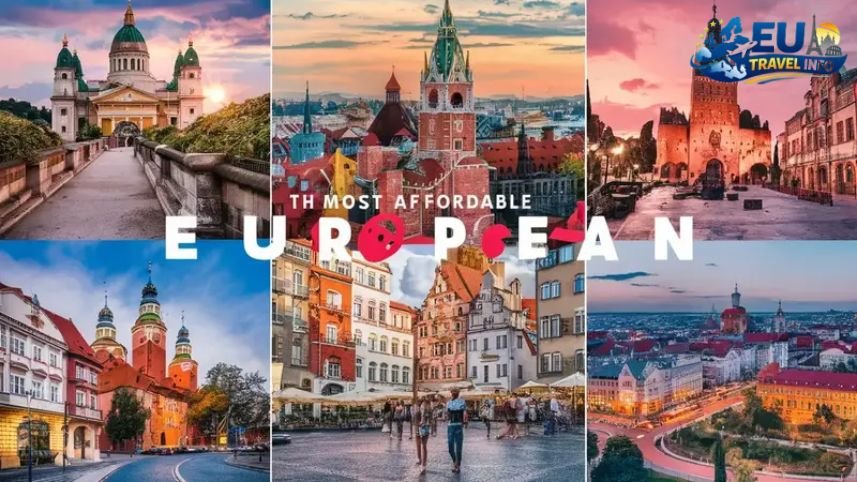
Budapest, Hungary is famous for thermal baths and cheap food. Krakow, Poland is historic and very easy to walk around. Sofia, Bulgaria is one of the cheapest capitals you will find. Bratislava, Slovakia is cozy and costs half as much as nearby Vienna. Prague, Czech Republic has storybook charm at solid prices. Similarly, the Balkans offer great deals. A traveler recently spent 48 days there and only spent about 37.8 EUR per day. That is a very low number for such a long time.
Western Europe can also be affordable if you are smart. You should try Porto, Portugal because it is more affordable than Lisbon. Bologna, Italy is a heaven for food lovers without the high price of Florence. Seville, Spain has amazing sunshine for less money than Barcelona. Lyon, France offers better value for food than Paris. Hamburg, Germany is artsy and cheaper than Munich.
Additionally, some countries are perfect solo female travel europe destinations. Portugal, Spain, and the Netherlands are very safe and easy to navigate. Portugal is a top choice for a first trip because the locals are friendly.
Timing and the Art of the Deal
Timing is everything. You can save a lot of money just by picking the right month. Shoulder season is the best time for smart travelers. This is April to May or September to October. Prices for rooms are 20% to 30% cheaper than in the summer. Lines are shorter. The weather is still perfect for a cafe or a hike.
The off-season runs from November to March. You can find up to 50% off on hotel rates. Flights are super cheap during the week. However, you should avoid the major holidays like Christmas. what is a good budget for travelling europe during these months? You could spend much less than the average traveler.
First of all, you should be flexible with your dates. Mid-week flights on Tuesday or Wednesday are 10% to 15% cheaper. You should set price alerts on sites like Skyscanner or Google Flights. Shifting your trip by just two days can save you enough money for a fancy dinner.
Mastering the Flight Game

Flights are often your biggest cost at the start. However, you can use clever tricks to save hundreds. Use the “Everywhere” tool on Skyscanner to find the cheapest city to land in. Kiwi.com is also great because it mixes airlines that others will not.
Once you are on the continent, the budget airlines are your best friends. Ryanair has huge networks for ultra-low prices. EasyJet is good because it flies to airports that are closer to the city centers. Wizz Air is the king of Eastern Europe. Vueling is strong in Spain and France.
You must read the fine print on these cheap flights. They will charge you for bags and even for printing a ticket. Therefore, you should travel with only a carry-on backpack. A 40L bag is perfect. You will avoid fees and move faster.
Smart Choices for a Place to Sleep
Accommodation is your second biggest cost. budget for solo europe trip planning must include where you will rest your head. Hostels are the best choice for a solo traveler. You can find a bed for €15 to €30 per night. They have a social scene where you can meet new friends. Many have kitchens so you can cook and save money.
I have stayed in many hostels over 15 years. City Backpackers in Stockholm is great for digital nomads. Goodnight Hostel in Lisbon is perfect for solo women. Hostel Mostel in Bulgaria offers a lot of free perks like breakfast and dinner. Gallery Hostel in Porto feels like luxury but stays affordable.
You have other options if you want privacy. Airbnb private rooms are often cheaper than hotels. University dorms are sometimes open in the summer for very low prices. You should always look for a place near public transport or a grocery store. This saves you both time and money.
Moving Around the Continent

Public transport in Europe is excellent. You should buy multi-day passes for the metro and bus. Citymapper is a great app to help you find your way. Walk as much as you can. It is the best way to see the city for free.
Trains are comfortable and scenic. A Eurail Pass is worth it if you visit many countries in a few weeks. You should book high-speed trains in advance for early-bird deals. Overnight trains are a smart trick. They save you the cost of a hotel room for one night.
Buses are the cheapest way to travel long distances. FlixBus has a huge network with fares as low as €5. RegioJet is excellent for moving through Central and Eastern Europe. Additionally, you can try BlaBlaCar to share a ride with a local.
Eating Well on a Shoestring
Food is a joy, but it can also be a budget killer. You can eat well for $15 to $25 a day in affordable countries. In Western cities, you might need $30 to $45. Street food and bakeries are the secrets to success.
Self-catering is your best move. You should shop at discount stores like Lidl or Aldi. Local farmers’ markets have fresh food and are fun to see. You can pack a sandwich for your sightseeing days. Many hostels even have “free food” shelves with pasta and oil.
You do not have to skip restaurants. Look for the “menu del día” or lunch specials. These are fixed prices for a full meal. Eat near universities because students always find the cheap spots. Street food is like a gourmet meal for a backpacker. You must try Currywurst in Germany or Pierogi in Poland. Lángos in Hungary is a fried dough dream. Similarly, Pizza al taglio in Italy is both cheap and delicious.
Free and Low-Cost Fun
You do not need a big budget to see the best of Europe. Free walking tours are a secret weapon. You learn the history and meet other solo travelers. You just give a small tip at the end. Check sites like GuruWalk to find them.
Many museums have free entry days, often on the first Sunday of the month. You should always carry a student ID if you have one. It can get you a big discount even if you are a bit older. Churches and cathedrals are often free and beautiful inside.
Nature is always free. You can hike near cities like Kotor or Barcelona. Public parks are perfect for a picnic and people-watching. You should check the city tourism websites for free concerts or festivals.
Technology for the Modern Traveler
Staying connected is a must for safety and maps. Roaming fees will destroy your budget. A travel eSIM is a great solution. You can get a GOHUB eSIM that works in over 100 countries. It is instant and you do not need a physical card.
You should have a toolkit of apps. Google Maps is essential, and you can download maps to use offline. Google Translate helps you speak to locals. XE Currency helps you understand the prices instantly. Finally, keep your travel docs in the cloud so you can see them without internet.
Safety for the Solo Adventurer
Traveling solo is not about being scared. It is about being prepared. You should research your neighborhoods before you book a room. Always share your plans with a friend back home. Trust your gut. If a street feels wrong, walk away.
A few small items can help a lot. A reliable power bank is a must. A dead phone means no GPS and no way to call for help. A small padlock is needed for hostel lockers. You might want an anti-theft backpack for crowded areas. Travel insurance is the most important thing to buy. It covers medical emergencies and stolen items. Paul Willings saved $2,500 because he had insurance when he was robbed in Thailand.
Detailed Route: The Balkans and Poland
The Balkans are a hidden treasure for budget travelers. One traveler spent 7 weeks there and it was a highlight. He visited Albania, North Macedonia, Kosovo, Montenegro, and Bosnia.
Albania has great museums in Tirana and amazing mountain hikes. North Macedonia has the beautiful Lake Ohrid. Kosovo has a youthful vibe and great coffee. Montenegro offers the stunning Bay of Kotor. Bosnia and Herzegovina is a favorite for many because of its deep history. In Sarajevo, you can find great food and moving museums.
Poland is also a top budget pick. You can spend 5 days in Krakow for about £203 to £243. This includes your flights and a bed in a hostel. You can eat at milk bars for very low prices. The history there is intense and worth seeing.
Visas and Rules to Know
You must know the rules of the Schengen Area. This area includes 25 EU countries and 4 others like Norway and Switzerland. Most travelers can stay for 90 days within any 180-day period. Some countries like the USA, Canada, and Australia do not need a visa for these short stays.
You must have a passport that is valid for 3 months after you plan to leave. Some countries might ask for proof that you have enough money. For example, Belgium wants to see that you have €95 per day if you stay in a hotel. Spain requires a minimum of €900 for a stay. France asks for €120 per day if you do not have proof of where you are staying.
FAQ
How much does a solo Europe trip cost?
A 48-day trip through the Balkans cost me about 1813 EUR, which is roughly 37.8 EUR per day. This daily number covers food, a bed in a hostel, and bus rides. For a shorter trip, you can spend between £190 and £290 for 5 days in budget cities like Sofia or Krakow.
Which country is best for solo travel in Europe?
Portugal is a top choice for your first solo trip because the locals are very friendly. Additionally, Spain, Italy, and the Netherlands are excellent because they are safe and easy to navigate.
Is 1000 euros enough for 2 weeks in Europe?
Yes, 1000 euros is a very good amount for 2 weeks. $2000 covers everything for 14 days, which includes your flights and stays. Since 1000 euros is about 71 euros a day, you will be fine in most budget-friendly cities.
Is $100 a day enough in Europe?
$100 a day is a solid budget. It covers good food, budget beds, and sightseeing in most countries. Plus, you can even enjoy some extra fun in places like Poland or Portugal with that amount.
Is 27 too old to solo travel?
Age is just a number. I traveled at 24, but I saw people of all ages on the road. There is no maximum age limit for travel adventures or for travel insurance.
Is $5000 enough for a vacation?
$5000 is a very high budget. I traveled for 48 days on less than 2000 EUR. Therefore, $5000 could last you several months if you pick affordable spots.
How do I budget for a solo trip?
First of all, you should split your money into categories. Give 30% to 35% to transportation and 25% to 30% to where you sleep. Food needs 15% to 20%, and activities take 10% to 15%. Always keep a 10% emergency fund.
What is the safest city in Europe?
Tallinn, Estonia is often called one of the safest cities in Europe. Similarly, countries like Portugal and the Netherlands are very safe for solo explorers.
What are some common solo travel mistakes?
Many people forget to check the fine print on budget flights. Others wear bad shoes or forget sunscreen. Also, do not ignore bank fees, as they can cost you a lot over time.
What month is the cheapest to fly to Europe?
The off-season from November to March has the best deals. Flights are super cheap during those months. However, you should avoid the big holidays like Christmas to save the most.
Can I survive on $1000 a month?
You can survive in the cheapest countries. I spent about 37.8 EUR a day. In places like Kosovo, the daily cost is only about 29 EUR, which fits a $1000 budget well.
What is the cheapest way to travel in Europe?
Long-distance buses like FlixBus are the best way to save. Fares start as low as €5. Plus, you can try BlaBlaCar to share a ride with a local.
Which country is best for travel in low budget in Europe?
Sofia, Bulgaria is the cheapest capital right now. Poland, Hungary, and Romania are also great for low-cost food and beds.
How much does a 7 day Europe trip cost?
A 7-day trip will cost about £300 to £400 in budget cities. For example, 5 days in Krakow is about £243 including your flights.
At what age can a girl travel alone?
Girls travel alone as young as 18. You should pick safe countries like Portugal or Spain for your first trip.
Why is being single in your 20s important?
You learn to trust yourself. It helps you build confidence and independence. At that time, you can grow into your own person.
Concluding words
Europe is a perfect place for a solo adventure on a budget. You can see beautiful cities and eat local food without spending too much money. You should pick cheap countries and use buses to travel. Stay in hostels to meet new people. This journey will build your confidence for the rest of your life. Start your own adventure today.