I arrived in Paris on a crisp morning in early 2026 and felt the magic of the city immediately. The smell of fresh bread filled the air. My heart raced with excitement. Many people think that a trip to the land of baguettes and berets must cost a fortune. I used to think that too. Is france expensive to travel? The answer is not a simple yes or no. It depends on how you plan your days. I spent months researching the best ways to save money while still having a luxury experience. Today, I want to share my personal journey and my france travel budget with you.
First of all, let us talk about the big picture. France remains one of the most visited countries on the planet. In 2026, the costs are stable but require a smart approach. I found that a budget traveler can manage on $50 to $100 per day. This amount includes your bed, your food, and a few fun activities. If you want more comfort, a mid-range daily travel budget france should be between $100 and $200. Luxury travelers will spend much more, often over $500 a day. However, you do not need to be a millionaire to enjoy the charm of the French Riviera or the streets of Lyon.
Getting There: The Cost of the Flight

My journey started with a long flight from the United States. I spent a long time looking at a france travel cost calculator to find the best deal. How much does it cost to go to france by plane? For a round-trip ticket from major cities like New York or Los Angeles, expect to pay between $500 and $1,500. I learned that the time of year is the most important factor. I traveled in the shoulder season. This helped me avoid the peak summer prices of June and July.
Additionally, I noticed that the airline you choose makes a big difference. Low-cost carriers like French Bee can offer tickets from New York to Paris for as low as $202 one way. If you want business class, the price jumps to $2,000 or even $4,000. How much does it cost to go to france from uk? For my friends in London, the news is much better. A round-trip ticket to Nice can start as low as $200. Plane tickets are usually the biggest part of the initial cost. Therefore, you should book at least three to six months in advance to get the lowest fares.
Entering France: New Rules and Money Proof
I must tell you about the new rules for 2026. The European Union now uses the Entry/Exit System (EES). This system records your name, fingerprints, and facial image when you cross the border. It started in late 2025 to make borders more secure. Most travelers from outside the EU will be registered in this system for stays up to 90 days. Do not worry. It is a quick process at the airport.
However, you must be ready to prove you have enough money. The Border Police can ask for proof of your financial means. If you have a hotel booking, you must show you have at least 65 euros for each day of your stay. If you do not have a booking, that amount jumps to 120 euros per day. People who stay with friends or relatives only need to show 32.50 euros per day. I kept a copy of my bank statement and my hotel confirmation in my carry-on bag. Better safe than sorry. Truly.
Where to Stay: Finding a Bed for Your Budget
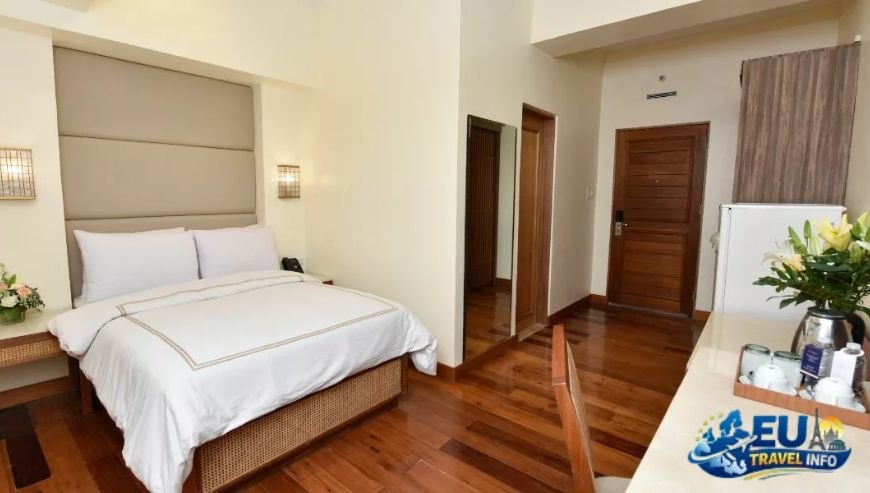
Accommodation is usually the largest expense after your flight. In Paris, prices are higher than in the countryside. I stayed in a mid-range hotel in the city center for about 150 euros per night. If you are looking for a bargain, budget hotels or hostels start around 50 euros. Luxury hotels in Paris, like the Ritz or the Four Seasons, cost more than $2,000 per night. Plus, many hotels in Paris have very small rooms.
On the contrary, I found that cities like Nice offer much better value. A mid-range room in Nice costs between 70 and 100 dollars. I stayed at a lovely place near the train station for only 76 dollars. Lyon is also about 20% cheaper than Paris when you include rent and stay costs. If you want to save money, stay outside the city center. Public transport is so good that you can reach the main sights in minutes.
Eating Like a Local: Food Costs
The cost of food in france per day can be very low if you avoid tourist traps. I spent about 25 to 40 euros per day on food. For breakfast, I went to a local bakery. A fresh croissant or a baguette costs between 1 and 3 euros. I often had a quick espresso for another 2 or 3 euros. This is the most authentic way to start a French morning.
Later, I discovered the secret of the “bouillon” restaurants in Paris. These are historic, no-frills places that serve traditional French food for very low prices. I had a full three-course meal for less than 20 euros. At Bouillon Chartier, the most expensive item on the menu was only 13.90 euros. Additionally, many restaurants offer a “formule du midi” or lunch special. You can get a great meal for 15 to 20 euros if you eat your big meal at midday. Dinner at a mid-range restaurant usually costs between 20 and 50 dollars.
If you want to save even more, do what I did. Visit the local markets. I bought fresh cheese, ham, and a bottle of wine for about 15 euros total. I took my food to a park and had a picnic with a view of the Eiffel Tower. A bottle of mid-range wine at the store is only about 8 euros. Similarly, a liter of milk is about 1.36 euros and a dozen eggs cost around 4.50 euros.
Moving Around: Metro and Trains

The public transportation system in France is efficient and extensive. In Paris, the Metro is the best way to get around. Starting in 2026, a single Metro ticket costs 2.55 euros. I chose to get a Navigo Weekly Pass for 32.40 euros. It gave me unlimited travel on buses, trams, and trains within the city and the suburbs. This pass even covered my trip to the airport. However, remember that the weekly pass runs from Monday to Sunday, not for any seven days.
On top of that, I used the high-speed TGV trains to visit other cities. A ticket from Paris to Lyon can cost between 50 and 100 euros. I booked my train tickets four months in advance through Trainline to get the best price. I also tried Ouigo, which is the budget train system in France. These trains are high-speed but have fewer frills. I found a ticket for only 19 euros, which was a huge saving. Just be aware that Ouigo charges extra for large bags.
Sightseeing: Smart Ways to See the Sights
France has so many famous landmarks. I wanted to see them all. The cost of sightseeing can add up quickly. Entrance to the Louvre is about 20 dollars, and the Palace of Versailles is around 24 dollars. I realized that buying a discount pass was the smartest move. The Paris Museum Pass costs 62 euros for two days. It covers over fifty museums and monuments. I used it to visit the Louvre, the Musee d’Orsay, and the Arc de Triomphe.
Additionally, the Go City Paris All-Inclusive Pass is a great option for first-time visitors. It costs about 160 euros for two days, but it includes a boat cruise and a bus tour. If you prefer a slower pace, the Paris Passlib’ uses a credit system starting at 35 euros. On top of that, many beautiful places are free. I loved walking through the Tuileries Garden and visiting the Sacre-Coeur Basilica. These experiences cost nothing but offer so much beauty.
Staying Protected: Travel Insurance
I never travel without insurance. It is a vital part of any france travel budget. A basic single-trip policy for France usually costs between $30 and $100. I chose a comprehensive policy for about $200 because it covered medical emergencies and trip cancellations. My policy included up to 2 million pounds for medical expenses. It also covered the loss of my passport or visa.
First of all, you must check the age limits on your policy. Some budget covers only apply if you are 50 years old or younger. Additionally, you should read the fine print about pre-existing medical conditions. I felt much more relaxed knowing that I was covered for the unexpected. A small price to pay for peace of mind. Truly.
Staying Connected: Wi-Fi and Phones
Staying connected is important for using maps and looking up restaurant reviews. I avoided expensive roaming charges by using a local SIM card. You can get a data plan from providers like Orange or SFR for 10 to 30 euros per month. I also saw people renting portable Wi-Fi routers for about 5 to 10 euros per day. Many cafes and hotels offer free Wi-Fi, which helped me save money. I downloaded my maps before I left the hotel to save data.
The Final Breakdown: What it Costs
Now, let us look at the total numbers. How much is a trip to france for a week? For a single budget traveler, a one-week trip including flights, food, and stay will cost about $1,500 to $2,000. If you want a mid-range experience with better hotels and more sit-down meals, you should budget closer to $2,500.
A 2 week trip to france cost for a couple typically ranges from $3,000 to $6,000. This depends on how much you move between cities. I found that spending more time in one place saved me money on transport. Gradually, I learned that small savings every day added up to a big difference at the end of the trip.
My Top Money-Saving Tips
First of all, learn basic French phrases. A simple “Bonjour” or “Merci” goes a long way with the locals. They will be much more helpful if you try to speak their language.
Later, I learned to eat away from tourist spots. If a restaurant has a menu in five languages and a picture of every dish, it is probably a tourist trap. I walked two or three streets away from the main attractions and found much better food for half the price.
Also, use public transport. Taxis are very expensive in France. A ride from the airport to central Paris can cost 70 euros. The train only costs a fraction of that.
Finally, travel during the off-season. I visited in October. The crowds were smaller. The prices for hotels were lower. The weather was still beautiful, and I could enjoy the sights without the heat of July.
Is France Worth it?
I can say with total confidence that France is worth every penny. The culture, the history, and the food are unmatched. While it is not the cheapest place on earth, it is accessible if you plan well. I came home with amazing memories and a bank account that was not empty.
France has a way of staying in your heart. Whether you are drinking coffee at a sidewalk cafe or looking at the lights of the Eiffel Tower, the experience is priceless. Therefore, start saving your pennies now. Your French adventure is waiting for you in 2026. Bon voyage!
Summary of Costs for 2026 (Approximate)
- Round-trip flight (US to Paris): $500 – $1,500
- Budget Hotel per night: $50 – $100
- Mid-range Hotel per night: $100 – $300
- Metro Ticket (Paris): 2.55 euros
- Daily Food (Budget): 25 – 40 euros
- Museum Pass (2-day): 62 euros
- Travel Insurance (Single Trip): $30 – $100
Frequently Asked Questions
Is tipping required in France?
No, tipping is not mandatory. A 15% service charge is already included in your bill by law. However, I usually rounded up the bill or left 1 or 2 euros if the service was great.
What is the best way to get to Paris from the airport?
The RER B train is the most affordable way. It is fast and connects directly to the city center. Avoid taxis unless you have very heavy bags, as they are much more expensive.
Can I use my credit card everywhere?
Yes, most stores and restaurants prefer card payments in 2026. I used my card for almost everything. However, I kept a little bit of cash for small tips or buying a single croissant at a small bakery.
Do I need a visa?
This depends on your nationality. Travelers from the US, UK, and Australia usually do not need a visa for short stays, but you will be registered in the new EES system. Always check with your local embassy before you book.
Is Nice cheaper than Paris?
Yes, Nice is significantly cheaper for hotels and food. I found that my money went much further on the coast than in the capital. It is a great place to end your trip and relax.
I hope my experiences help you plan a wonderful and affordable trip to France. It is a beautiful country that everyone should see at least once. Happy travels!
Concluding words
France is a beautiful place that you can visit without spending too much money. You must plan your daily travel budget France by choosing the right season and booking your flights and trains early. Budget travelers can manage on $50 to $100 a day if they eat like a local and use the Metro. Mid-range travelers will find great value in cities like Nice and Lyon, which are often cheaper than Paris.
I learned that using discount passes and eating at bouillons helps keep costs low while still enjoying the rich culture. Therefore, you should prepare your budget now and get ready for a wonderful trip in 2026. Truly.