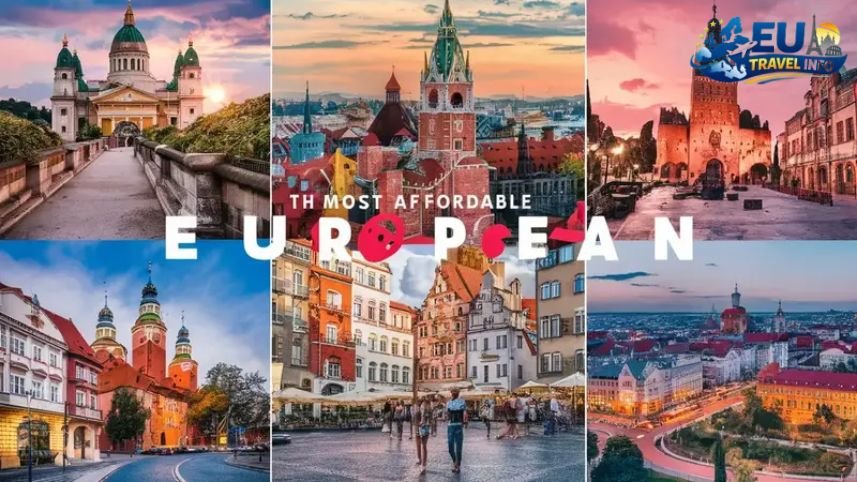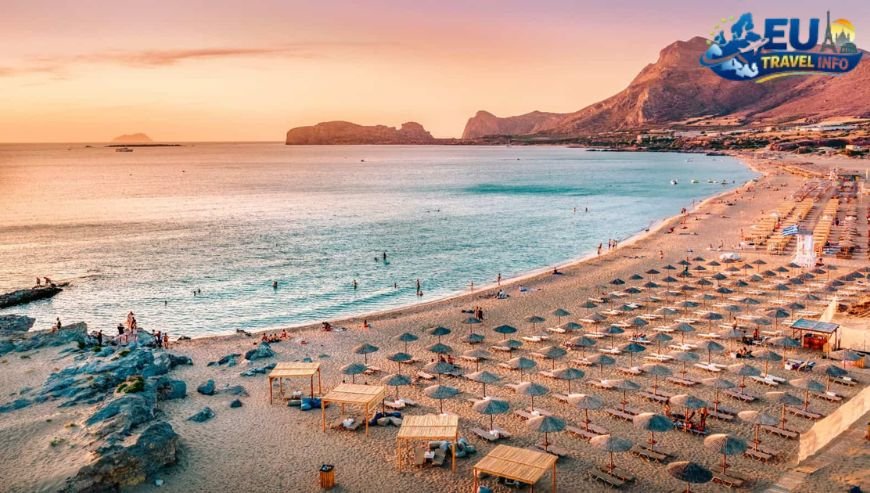
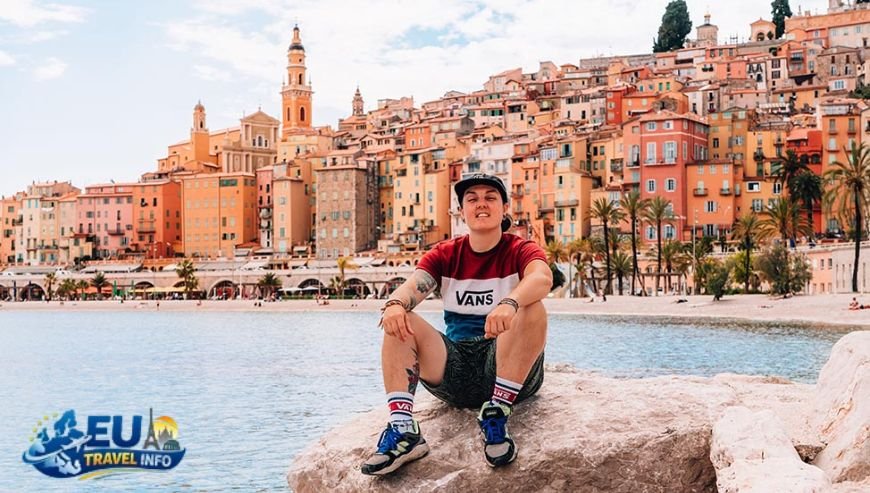
A 2 month Europe backpacking trip typically costs between $3,000 and $6,000 for most budget-conscious travelers. This amount covers accommodation, food, transportation between cities, and daily activities. I found that an average daily spend of about 60 to 150 EUR is a realistic range depending on which part of the continent you visit.
The Reality of 2 Months Backpacking Europe on a Budget
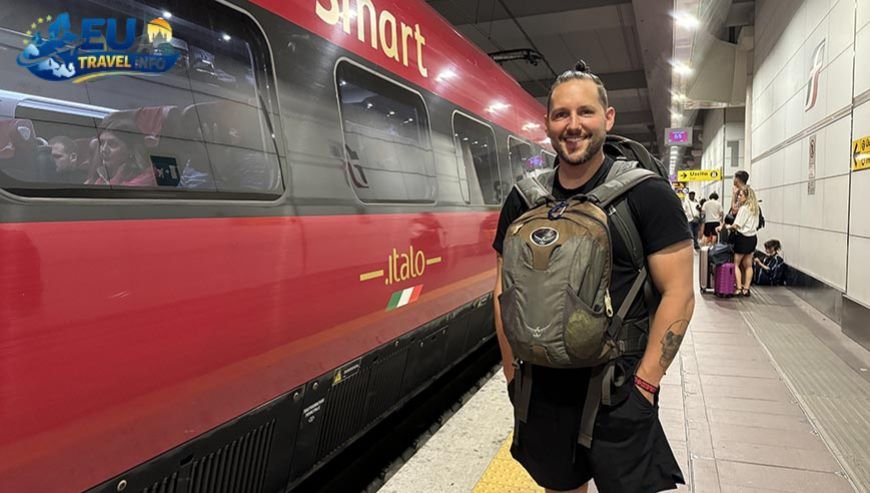
I decided to take the leap and explore the cobblestone streets and mountain peaks of Europe. It was a dream. A wild, beautiful challenge. I quickly learned that 2 months backpacking Europe on a budget is entirely possible if you make smart choices. My journey took me from the high-cost hubs of the West to the hidden gems of the East.
How much should I budget for a trip to Europe? This is the first question I had to answer before I even packed my bag. For a full sixty days, I realized I needed a solid plan to avoid running out of cash in the middle of a beautiful city. How much for a month backpacking in Europe usually works out to about 1,200 to 2,500 EUR. Therefore, my total 2 months backpacking europe budget landed somewhere near 4,000 EUR for a comfortable experience.
Preparing for the Journey: Pre-Departure Costs
My spending began long before I stepped onto a plane. First of all, I had to look at my equipment. A good backpack is a non-negotiable item for this kind of trip. I chose a 40 to 50L pack because it is large enough for the essentials but small enough to fit as a carry-on for many budget airlines. This choice saved me a lot of money on baggage fees later. On top of that, I spent about 100 EUR on a high-quality bag.
Also, I made sure to secure travel insurance. Many people think this is an optional cost. They are wrong. It is a vital safety net for illness, theft, or cancellations. I used SafetyWing because it is affordable for budget travelers and covers many countries. Additionally, I had to check visa requirements for the regions I planned to visit. The UK now requires an Electronic Travel Authorization, and the Schengen Visa covers most of the European Union.
Finding a Flight Without Breaking the Bank

I tracked flight prices for weeks. Skyscanner became my best friend during this phase. I used the “everywhere” search feature to find the cheapest entry point into the continent. Later, I found that flying into a less popular city can save hundreds of dollars. If you do not have a specific starting spot, just go where the flight is cheapest.
The cost of my flight from home was not included in my daily budget. Those prices vary wildly. However, once I arrived, the real fun of 2 months backpacking europe cost management began.
Transportation: How I Moved Between 16 Cities
I visited 10 different countries and 16 cities during my trip. Moving around can be your biggest expense after housing. However, I mixed and matched my methods to keep costs down.
The Power of the Bus
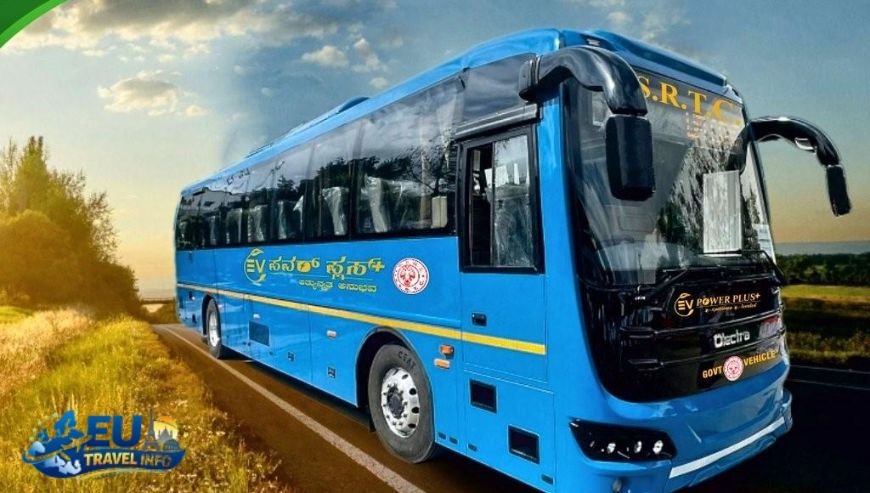
Taking intercity buses is one of the cheapest ways to get around. FlixBus was my favorite option. I found tickets for as low as 5 EUR. These buses are not fancy. Nevertheless, they offer Wi-Fi, power outlets, and a free carry-on. I used BusBud to compare different bus companies across the continent.
The Romantic Rail Experience
I love the train. It is comfortable and less stressful than flying. Gradually, I realized that short city-to-city trips are great for trains. But for longer journeys, prices can skyrocket. Therefore, I bought my tickets at least a week in advance to get 30% off. I also considered a Eurail Pass. A flexible pass with four travel days in a month starts around 300 EUR. It offers great freedom if you want to be spontaneous.
Budget Airlines and Ridesharing
Budget airlines are prolific in Europe. I found flights for 15 EUR occasionally. Plus, they are the fastest way to travel long distances. You must watch out for hidden fees for baggage or printing boarding passes. Similarly, I used BlaBlaCar to hitch rides with locals. It is a fantastic way to meet people and save money on gas costs. It is often faster than a bus and way more interesting.
Where I Slept: Hostels, Airbnbs, and More
Accommodation is a non-negotiable cost. I spent about 1,456 USD on housing over two months. This averages to about 24.69 USD per night.
First of all, I stayed in hostel dorm rooms most of the time. They are the best budget option for solo travelers. Most hostels cost between 20 and 40 EUR per night. However, prices in popular cities like Paris or Barcelona can double on weekends. I learned to avoid weekends in those major hubs.
Later, I hit a wall. Hostel life can be loud. I needed a break from the snoring. Therefore, I mixed in some Airbnbs and budget hotels. Private rooms in hostels or cheap hotels cost around 50 EUR. If you travel with a partner, a private room can actually be cheaper than two hostel beds. On top of that, I used Booking.com and Hostelworld to find the best deals.
Eating Well on a Shoestring Budget
I love food. But eating at restaurants every day would have destroyed my 2 months backpacking budget. My daily food spend was about 15 USD.
First of all, I cooked many of my own meals. Most hostels have kitchens. I shopped at discount grocery stores like Lidl, Aldi, or Tesco. Additionally, I focused on quick dinners like pasta, wraps, and sandwiches. This saved me about 15 to 25 USD every day.
However, I did not skip the local culture. I enjoyed one meal out per day. Lunch is the best time to eat out. Many restaurants offer a “menu of the day” which includes three courses for the price of one dinner dish. Similarly, I explored local food markets for cheap street food.
Drinking in Europe can also be expensive. A pint of beer can cost between 3 and 8 EUR. Therefore, I was careful with my nights out. I chose party destinations that fit my budget, like Budapest or Krakow.
Regional Cost Breakdowns: West vs. East
The cost of your trip changes drastically based on where you go. On the contrary to what some believe, Europe is not universally expensive.
- Western Europe: This region tested my budgeting skills. Cities like London, Paris, and Amsterdam are very pricey. I budgeted 50 to 80 EUR per day here.
- Eastern Europe: This is the cheapest region. I visited countries like Romania, Bulgaria, and Albania. My daily budget here was only 30 to 40 EUR.
- Central Europe: Countries like Poland, Hungary, and Czechia are a great middle ground. I spent about 40 to 50 EUR per day in these spots.
- Southern Europe: This depends on the season. In the summer, prices in Greece, Italy, and Spain skyrocket. Gradually, I realized that visiting in the shoulder season (April to May or September to October) is the best way to save money.
- Northern Europe: Scandinavia is the most expensive. I almost skipped it. A daily budget of 100 to 150 EUR is common there.
Managing Money and Avoiding Fees
I learned a hard lesson about bank fees. My friend used a standard debit card and lost hundreds of pounds to international transaction fees. Therefore, I used cards that do not charge FX fees.
First of all, I looked for cards that use the Mastercard or Visa exchange rate. These rates are usually close to the mid-market rate and better than what you get at a currency exchange booth. I used a Starling Bank account for its intuitive app and lack of fees.
Additionally, I always paid in the local currency at card terminals. If a machine asks if you want to pay in your home currency, say no. This avoids “dynamic currency conversion” fees that are a total rip-off. I also carried some buffer money. I saved an extra 15 EUR per day for emergencies like missing a bus or joining a last-minute tour.
Keeping My Belongings Safe and Secure
I felt safe most of the time. Europe is generally very secure for solo travelers. However, petty theft is common in tourist areas. I kept my valuables on me at all times. First of all, I used a padlock for my hostel locker. This is a simple but vital tool.
Gradually, I realized that carrying a heavy backpack all day is exhausting. Many train stations no longer have lockers. I used Radical Storage to find local businesses that would hold my bag for about 5 EUR a day. This gave me the freedom to explore a city for a few hours without being weighed down.
Tips for a 3 Months Backpacking Europe Budget
If you decide to extend your trip, a 3 months backpacking europe budget should be between 3,000 and 6,000 EUR. The longer you travel, the slower you should go. Slower travel is cheaper because you spend less on transportation. I found that staying in one city for four or five days is much more affordable than moving every two days.
Also, consider a work abroad program or house sitting if you want to stay for a long time. These are excellent ways to get free accommodation while meeting locals. Finally, do not forget to use your student ID if you have one. It grants you discounts at museums and attractions all over the continent.
Frequently Asked Questions
You likely have more questions about how to pull off this trip. Here are the answers to the most common things people ask about 2 months backpacking Europe on a budget.
- How much money do you need for 2 months backpacking Europe?
- A total budget of $3,000 to $6,000 generally covers a sixty-day trip. This depends on your style. Additionally, if you focus on cheaper regions, you can spend as little as 2,000€ to 3,000€.
- Can I stay in Europe for 2 months?
- Yes. Many travelers spend two to six months on the continent. You must check your visa rules. For many, a Schengen Visa covers stays in most European countries.
- Where to go in Europe for 2 months?
- A classic route includes Berlin, Prague, Vienna, and Budapest. Plus, you can try the Mediterranean trail through Barcelona, Nice, Rome, and Athens. Mixing expensive cities with cheap ones is a smart strategy.
- Is 1000 euros enough for 2 weeks in Europe?
- Yes. A two-week trip usually costs between 650€ and 1,200€. This amount is plenty for hostels and local food.
- Is 40L enough for 3 months?
- A 40L to 50L pack is the recommended size for most trips. It is large enough for essentials. However, it is also small enough to be a carry-on for budget airlines.
- Is $5000 enough for a vacation?
- Yes. Many people survive two months on 5,000€ quite easily. You can even afford some private rooms and restaurant meals with that amount.
Concluding words
2 months backpacking Europe on a budget is a realistic goal for any traveler willing to plan ahead. You can see the entire continent for $3,000 to $6,000 by choosing hostels, cooking your own meals, and using buses like FlixBus. Focus your time in the Balkans or Eastern Europe to make your money last longer.
Always remember to secure travel insurance and use cards with no foreign transaction fees to avoid losing hundreds of dollars to the banks. With a bit of research and a good 40L backpack, you can enjoy the trip of a lifetime without breaking the bank.