I spend a lot of time on the coast. I love the smell of the salt air and the sound of the waves. My travels often take me to the most beautiful shores in the world. I always bring my four-legged friends along for the ride. You might think that every dog is a natural at the beach. That is simply not true. I have learned that some dogs are built for the surf while others sink like a rock.
I want to share my years of experience to help you find the best beach friendly dogs. Choosing a companion for coastal tours requires a deep look at their history and physical traits. It is about more than just a cute face. It is about safety and comfort under the sun. Do you want a dog that can swim for miles? Do you need a pup that can handle the heat of the deep south?
I have found that the right breed makes all the difference. Coastal adventures present unique challenges like hot sand, salt exposure, and intense sun. Therefore, you must pick a dog with the right coat and feet. Webbed feet act like paddles in the water. Water-resistant coats keep them warm and dry. This guide will help you pick the perfect partner for your next trip to the best dog friendly beach towns.
What Makes a Dog Beach Ready?
I always look for specific physical features before I take a dog to the ocean. First of all, heat tolerance is a big deal. Coastal dogs must endure high temperatures and a lot of sun. Breeds with short, thin coats often do better because they do not overheat as fast. Similarly, light-colored fur is great because it reflects sunlight instead of soaking it up.
You also need to think about their ability to swim. I have seen dogs with webbed feet move through the water with amazing grace. These dogs have skin between their toes that helps them push more water. Additionally, many of these breeds have a “rudder” tail that helps them steer in the waves. This is very helpful when the current is strong.
Finally, temperament matters a lot. A beach can be a busy place with many people and other pets. I prefer dogs with a stable but energetic personality. You want a dog that is playful in the water but calm when it is time to relax on the towel.
12 Best Beach Friendly Dogs
I have put together this list based on historical data and physical adaptations. These twelve breeds are the gold standard for coastal living.
Labrador Retriever: The Classic Choice
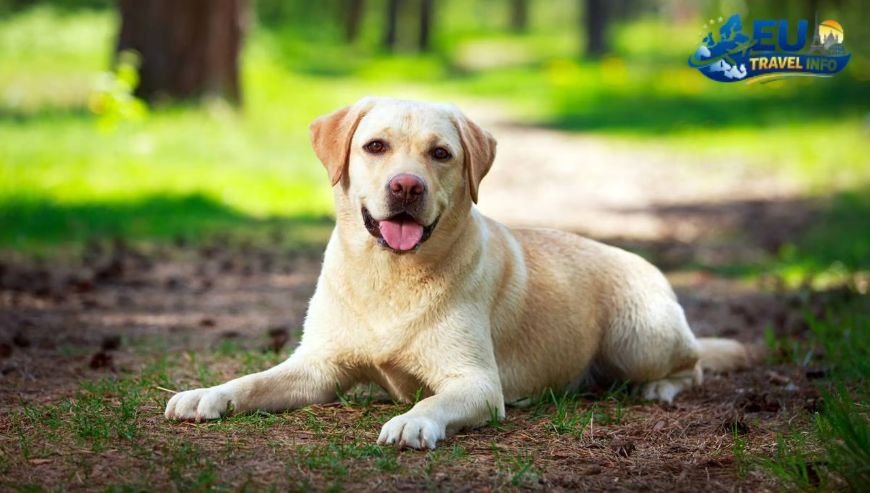
I believe the Labrador Retriever is the quintessential beach dog. People originally bred them in Newfoundland to help fishermen. They would haul nets and catch fish that escaped.
These dogs have a very thick, water-resistant coat that is slightly oily. This oil helps repel water so they do not get waterlogged. On top of that, they possess a thick “otter tail” that acts as a powerful rudder. I love how they can make sharp turns in the surf to chase a ball. They are friendly and great with kids, which makes them perfect for family trips to dog friendly beaches South Carolina.
Golden Retriever: The Friendly Swimmer
I see Golden Retrievers at almost every beach I visit. They are famous for their love of water and their gentle nature. Their long, golden coats are beautiful, and they actually repel water quite well.
However, you must remember that their thick fur can trap a lot of sand and salt. I always spend extra time rinsing them off after a day in the waves. They are very eager to please and love a game of fetch in the shallow water. They are stable companions for crowded public spaces.
Portuguese Water Dog: The Sailor’s Helper
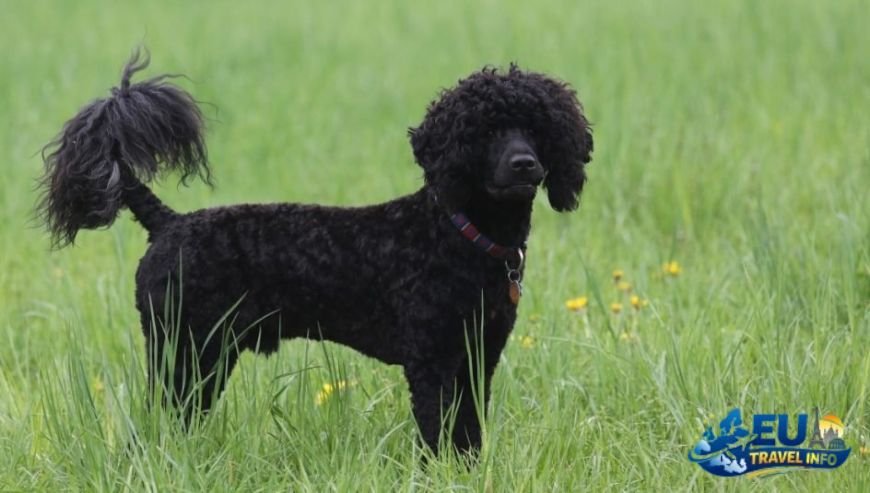
I am always impressed by the history of the Portuguese Water Dog. These dogs were once the constant companions of sailors. They would herd fish into nets and swim out to find lost gear. They even delivered messages between boats.
They have very extensive webbing between their toes for extreme propulsion. Their coats are waterproof and can be curly or wavy. Plus, they do not shed much, which is a nice bonus for your car. They need at least 30 minutes of hard exercise every day to stay happy.
Vizsla: The Heat Specialist
I think the Vizsla is a hidden gem for beach lovers. These dogs come from Hungary and are no strangers to warm weather. They have very short, rust-colored coats that reflect the sun. Their lean build helps them manage their body temperature very well.
They are known as “Velcro dogs” because they stay very close to their owners. I like this trait when I am walking on an open shore. They are athletic and enjoy a good run on the sand. Therefore, they are great for active travelers who want a dog that will not wander too far.
Dalmatian: The Athletic Explorer
I always notice Dalmatians because of their iconic spots. Historically, they ran alongside horse-drawn carriages. This gave them incredible stamina and the ability to handle all types of weather.
Their short, white coats are excellent at reflecting sunlight on bright summer days. They are muscular and love to run for long distances. On top of that, they have a lot of energy for games like fetch. They are a great choice if you are visiting best dog friendly beach towns and want to go for long morning jogs.
Boykin Spaniel: The Southern Star
I have spent a lot of time in the American South, and the Boykin Spaniel is a local hero there. In fact, it is the state dog of South Carolina. People bred them to work in swampy and marshy areas.
They are enthusiastic swimmers with webbed feet. Their luxurious brown double coats keep them warm even in chilly water. They have a very friendly temperament that fits well with family outings. They are small enough to fit in a boat but strong enough to outlast you in the water.
Ibizan Hound: The Agile Sprinter
I find the Ibizan Hound to be very elegant. They come from the Mediterranean islands where the summers are very balmy. Their history involves hunting rabbits on rocky shores.
They have a lanky frame and large, upright ears that help them stay cool in the heat. Their short, wiry coats require very little grooming. Later, after a session of sprinting on the sand, they are happy to just relax in the shade. They are a perfect choice for people who live in warm, coastal areas like dog friendly beaches Florida.
Basenji: The Clean Companion
I often recommend the Basenji for people who do not like the “wet dog” smell. These dogs are very clean and even groom themselves like cats. They come from central Africa, so they are built for the heat.
They have short coats and lean bodies that help them stay comfortable when it is toasty outside. One unique thing about them is that they do not bark. This can be very nice on a quiet beach. However, they can be a bit stubborn and independent, so you must watch them closely.
Whippet: The Calm Racer
I enjoy the company of Whippets because they have two speeds. They can sprint very fast on the sand, but then they become total “couch potatoes”. Their short, thin coats and lean bodies mean they handle the heat quite well.
They dry very fast after a swim, which makes cleanup very easy. Because they have very little body fat, they are sensitive to extreme temperatures. Therefore, you should always provide them with a shady spot to rest. They are gentle and quiet, making them lovely travel partners.
German Shorthaired Pointer: The All-Terrain Athlete
I think the German Shorthaired Pointer (GSP) is one of the most versatile dogs on this list. They have robust energy and love outdoor activities like hiking and swimming. Their short, dense coats are perfect for hot climates.
These dogs often do not want to stop once they get going. You might need to enforce rest breaks so they do not overheat. They are very intelligent and bond strongly with their families. Plus, they love to take a quick dip in the water to cool off during a long walk.
Standard Poodle: The Surprising Swimmer
I know some people think of Poodles as just “fancy” dogs, but they are serious athletes. People originally bred them in Europe to retrieve waterfowl. Their curly coats are water-resistant and provide a natural “life-jacket” effect by trapping air.
They are excellent swimmers and very intelligent. Their hair does not shed, which is great for keeping your car clean. You can even get them a shorter “beach cut” to help them stay cool and make it easier to rinse out the sand. They are very athletic and enjoy a good challenge in the waves.
Newfoundland: The Gentle Giant
I have a soft spot for the Newfoundland. These massive dogs were developed specifically for water rescue. They have an innate instinct to pull struggling people to safety.
Their massive paws act like natural oars, and they have a very large lung capacity for long-distance swimming. Their thick coats protect them from icy water, but they can get very heavy when wet. While they are not the fastest dogs on the sand, they are stable and dependable. They are the “lifeguards” of the dog world.
Finding the Best Dog Friendly Beaches
I know that half the battle is finding a place that actually allows your dog on the sand. Not all beaches are welcoming. Some have very specific hours or designated areas. I always check the local rules before I head out.
East Coast Destinations
I have spent a lot of time exploring the best dog friendly beaches East Coast. In the north, dog friendly beaches Long Island offer some great spots for a morning walk. As you go south, dog-friendly beaches North Carolina are very popular for their wide, sandy shores.
I particularly enjoy dog friendly beaches South Carolina because many of the local towns are very welcoming to pets. You can find many vacation rentals that allow dogs. Always look for beaches with waste stations and fencing, as these are much safer for your pup.
Southern Shores
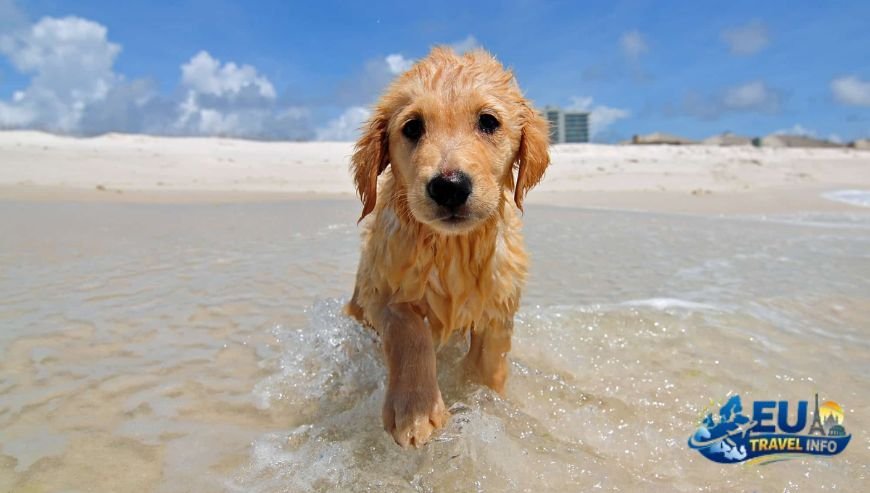
I often travel to the Gulf Coast for the warm water. Dog friendly beaches Alabama have some beautiful white sand. Many people also head to dog friendly beaches Florida.
You should know that many Florida beaches have strict rules during sea turtle nesting season. This usually runs from May to October. During this time, dogs might be banned or restricted to protect the nests. Always check for signs and follow the laws to keep the wildlife safe.
Critical Safety Tips for Beach Days
I want your beach trip to be fun, not a trip to the emergency vet. The beach has hazards that you do not find in your backyard.
The Danger of Saltwater
I cannot stress this enough: do not let your dog drink the ocean water. Saltwater ingestion leads to a serious condition called salt toxicity or hypernatremia.
When a dog drinks too much salt, it draws water out of their cells and into the blood. This can make the brain shrink.
- Symptoms of Salt Toxicity: Excessive thirst, vomiting, diarrhea, confusion, seizures, and even coma.
- “Beach Diarrhea”: Seawater has high levels of magnesium, which acts like a laxative. It can cause sudden, watery accidents.
Always bring plenty of fresh water and a bowl. Encourage your dog to drink from it often so they are not tempted by the sea.
Sand Hazards
I have seen dogs accidentally eat a lot of sand while playing with a sandy ball or digging for treats. This can lead to sand impaction. Sand is very heavy and does not break down in the stomach. It can settle in the intestines and create a physical blockage.
- Signs of Impaction: Persistent vomiting, loss of appetite, abdominal pain, and constipation.
This is a life-threatening situation. You should discourage your dog from eating sand and rinse their toys frequently.
Heat and Sun Protection
I always watch for signs of heatstroke. Dogs do not sweat like we do. They rely on panting and heat exchange through their paws. A dog’s normal temperature is between 100.5 and 102.5 degrees Fahrenheit. If it reaches 105, it is a medical emergency.
- Signs of Heatstroke: Heavy panting, bright red gums, drooling, vomiting, and collapse.
Hot sand is another big risk. It can reach temperatures much higher than the air. If it is too hot for your bare feet, it is too hot for theirs. I use the “10-second rule.” If I cannot keep my hand on the sand for 10 seconds, it is unsafe for my dog.
Marine Life and Trash
I stay away from anything washed up on the shore. Jellyfish, even dead ones, can still sting a dog’s mouth and cause irritation. Dead fish can carry toxins or cause bacterial infections if eaten. Puffer fish are especially deadly because they contain a powerful neurotoxin.
I also watch out for trash like cigarette butts and alcohol. These are toxic to dogs. Discarded fishing hooks and lines can cause terrible injuries if swallowed. Always keep a close eye on what your dog is sniffing.
Breeds to Avoid at the Beach
I have noticed that some dogs really struggle at the coast. It is mostly due to their physical build. Approximately 8% of breeds are unable to swim well.
Brachycephalic (Flat-Faced) Breeds
I do not recommend taking flat-faced dogs like Bulldogs, Pugs, or French Bulldogs to the beach during the heat of the day. Their short snouts make it very hard for them to breathe and cool down by panting. They can overheat with alarming speed. Even a short walk on the sand can be dangerous for them in temperatures as low as 85°F.
Top-Heavy or Short-Legged Breeds
I have seen English Bulldogs sink “like a rock” in deep water because of their dense bones and heavy heads. Basset Hounds also struggle because their heavy bodies and short legs make it hard to keep their heads above water.
Corgis and Dachshunds have long bodies and very short limbs. They cannot generate enough thrust to stay afloat for long. If you take these dogs to the beach, you must use a life jacket and keep them in the very shallow water, no deeper than their elbows.
Essential Gear for a Coastal Tour
I never go to the beach without a well-packed bag. Being prepared is the only way to ensure a safe day.
- Fresh Water and a Non-Spill Bowl: This is your number one defense against salt toxicity. I like the “squeeze-to-fill” travel bottles.
- Portable Shade: A beach umbrella or a pop-up tent is a must. I use a tent with three walls to keep the dog cool and away from the wind.
- Dog-Safe Sunscreen: Dogs with light fur or thin hair can get sunburned on their noses, ears, and bellies. Do not use human sunscreen that has zinc oxide or salicylates. These are toxic if your dog licks them.
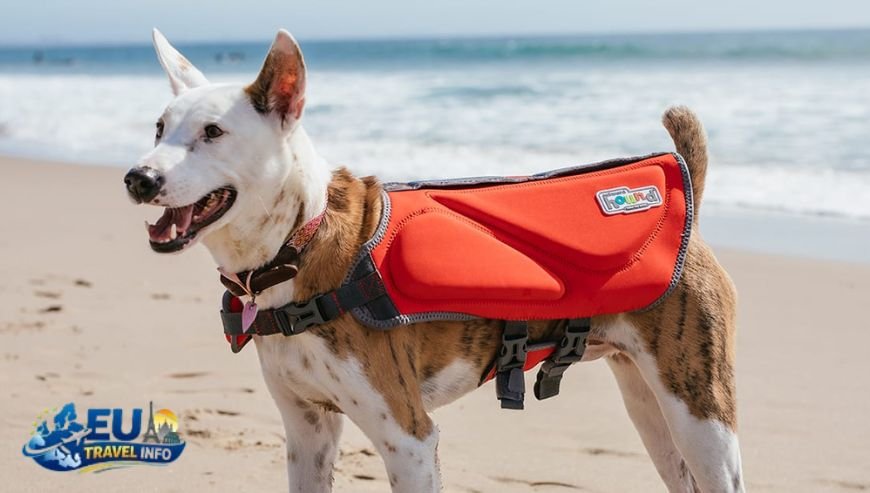
- Life Vest: Even a strong swimmer can get tired or caught in a current. A life jacket with a handle allows you to pull them to safety.
- Long Leash: This allows your dog to play in the waves while staying under your control.
- Booties or a Towel: These protect paws from hot sand and provide a cool place to rest.
The Post-Beach Cleanup Routine
I have found that the work really begins when you leave the sand. Salt and sand are very abrasive and can cause “hot spots” on the skin.
Systematic Rinsing
I always rinse my dogs with fresh, lukewarm water as soon as we get home. I pay close attention to the belly, paws, and undercoat. You must remove all the salt so they do not lick it off and get sick. Later, I dry them thoroughly to prevent yeast infections.
Ear and Paw Care
I am very careful about their ears. The “L” shape of a dog’s ear canal makes it easy for water and sand to get trapped. This can lead to painful infections. I use a vet-approved ear cleaner to flush them out after a swim.
I also check their paw pads for cuts from sharp shells or rocks. I sometimes apply a paw balm to restore moisture after the salt has dried them out. For long-haired breeds, I trim the fur between the toes before the trip to stop sand from clumping.
Environmental Responsibility
I want to remind everyone that we are guests on the beach. Domestic dogs are not a natural part of the coastal ecosystem. Our presence can have a big impact on wildlife.
Protecting Shorebirds
I have seen how dogs can disturb nesting birds like the Piping Plover. Birds see dogs as predators. When a dog runs near a nest, the adult bird will flush and leave its eggs exposed to the sun or other predators. This can lead to the death of the chicks. In Chile, research showed that dogs were responsible for reproductive failure in up to 41% of American Oystercatcher nests.
Dunes and Sea Turtles
I never let my dogs run in the sand dunes. Dunes are the first line of defense against erosion, and dogs can tear up the plants that hold the sand in place. Additionally, dogs have a natural instinct to dig. They can easily destroy sea turtle nests in seconds. Since only one in a thousand sea turtle eggs makes it to adulthood, every nest is precious.
Cleaning Up Waste
I always pick up after my dog. Dog waste introduces large amounts of nitrogen and phosphorus into the soil.
- Nitrogen (N) in Urine: 18.7 g/L.
- Phosphorus (P) in Urine: 484.6 mg/L.
This over-fertilization allows invasive plants to take over and push out native species. It also harms the tiny microbes in the soil. Always use poop bags and take them with you.
FAQ
What are signs of heatstroke in dogs?
You should look for heavy panting, drooling, and lethargy first. Their gums might turn bright red or pale. Later, they may start vomiting, acting confused, or even collapse. Situations where a dog has seizures or reaches a body temperature of 105 degrees Fahrenheit are serious medical emergencies.
How do I introduce my dog to the beach?
First of all, you should start in shallow water. Let your dog move deeper at their own pace. Use a lot of praise and positive reinforcement to build their confidence. Additionally, you must never force them into deeper waters before they are ready.
What dog breeds love the beach most?
The Labrador Retriever is the gold standard for coastal life because of its history as a fisherman’s helper. Golden Retrievers and Portuguese Water Dogs also have a natural affinity for the sea. Similarly, Vizslas and Dalmatians love the beach because they handle the heat and sun well.
Which beach dogs are allowed?
It depends on local rules and county laws. Many beaches have seasonal bans or specific off-leash hours. For example, dog owners in the United Kingdom face fines of up to £1,000 for ignoring seasonal rules. Therefore, you must check local regulations before you go.
What happens if I bring my dog to the beach?
They get a lot of joy and exercise from chasing balls and digging in the sand. However, hazards like salt toxicity and sand impaction are real dangers. Plus, seawater contains high levels of magnesium, which acts as a laxative and causes sudden “beach diarrhea”.
Concluding words
I have learned that pick a dog for coastal adventures requires a look at their physical build. Approximately 8% of dog breeds are unable to swim well due to heavy heads or short legs. The 12 best beach friendly dogs like the Labrador and Vizsla possess traits like webbed feet and heat tolerance.
You must provide fresh water and shade to keep them safe from heatstroke. Additionally, you should respect the beach environment to protect birds and sea turtles. Dog waste introduces 18.7 g/L of Nitrogen into poor coastal soils, which harms native plants. A safe trip. A happy trip.