I have explored the winding streets of Rome and the quiet vineyards of Tuscany many times since 2006. Let me tell you right now that Italy is always a good idea. However, your wallet might not always agree. If you want to see the Colosseum without spending a fortune, you must time your trip with care. I have learned that the best time to travel to italy on a budget is not just one single week. It is a collection of smart windows throughout the year. You can save forty to sixty percent on a room just by picking the right month. This is how you live la dolce vita without the sour price tag.
January: The Deep Winter Bargain

January is the quietest month in the entire country. It is cold, yes, but the savings are hot. You can find international flights from the USA for as low as $400 to $600. Compare that to the summer when tickets cost over $1,000. First of all, the crowds are gone. You can walk right into the Vatican Museums or the Uffizi Gallery without a long line. The air is crisp. Temperatures in the north drop to 0-10°C (32-50°F). Similarly, Rome stays around 12°C (54°F).
The museums are empty. The prices for hotels in Rome can drop to €60 to €90. This is a huge win for any budget traveler. You will need a warm coat and a scarf. Additionally, many cities hold huge winter sales for shopping. It is the absolute floor for pricing.
February: The Carnevale and Olympic Pivot
February is usually a very peaceful time to visit. However, the year 2026 brings a big change. The Milano-Cortina 2026 Winter Olympics take place from February 6 to February 22. If you travel to the north at that time, you will see hotel prices double. Room rates in Milan might hit €481 ($577) per night. Therefore, you should pivot to the south.
Sicily and Puglia are much milder in February. Temperatures there can reach 15°C (59°F). You can still find a bed in a hostel for €30 to €60 if you avoid the Olympic zones. Plus, you can see the Carnevale in Venice if you book early. People wear elaborate masks and costumes. It is a magical sight. Just do not stay in Milan or Verona during the games if you want to save money.
March: The Early Spring Awakening

March is a fantastic shoulder season month. The cold of winter starts to fade away. You will see the first wildflowers bloom in the countryside. Crowds are still very thin. This is the best time to visit italy on a budget if you want to walk the cities. Temperatures range from 12°C to 20°C (54°F to 68°F).
The Rome Marathon usually happens in March. You can see the city burst with energy. Additionally, the prices for flights are still quite low. You might save thirty percent compared to the summer peak. Later in the month, the weather feels almost summery in the south. It is the perfect time for a Vespa tour in Rome. No sweat. No stress. Just pure joy.
April: Shoulder Season Sweetness
April is when the beauty of spring really arrives. The hills of Tuscany turn a vibrant green. However, you must watch out for Easter. Prices for hotels and flights surge during Holy Week. If you avoid that specific week, April is a great value. You will find manageable crowds and lively piazzas.
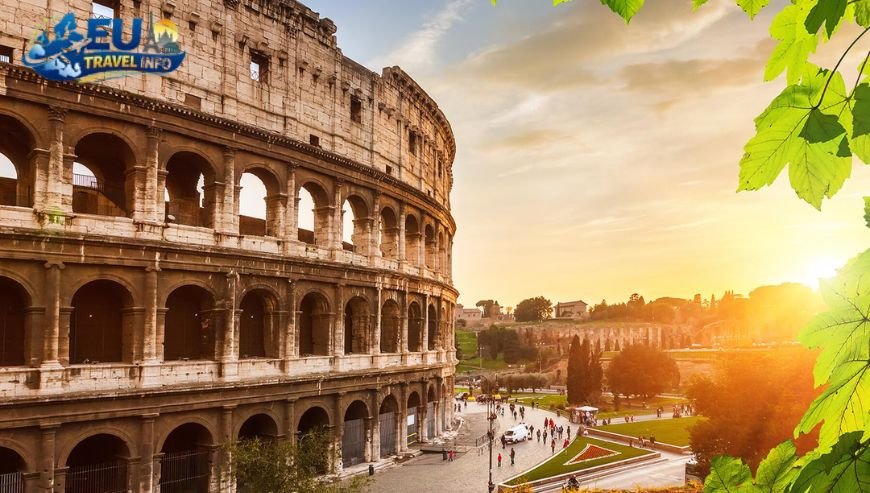
Temperatures stay between 15°C and 25°C (59°F to 77°F). It is ideal for wandering the Colosseum or the Vatican. On top of that, the Natale di Roma festival happens on April 21. You can see parades and celebrations for the birthday of Rome. The weather is pleasant but you should still carry an umbrella for spring showers.
May: The Late Spring Bloom

May is perhaps the most beautiful month to see the country. Wisteria and almond blossoms cover the old walls. The weather is warm but not scorching. You can expect midday temperatures around 21°C (70°F) in central Italy. This is the best time to go to italy on a budget before the massive summer crowds arrive in June.
You can still find good deals if you book four to six months in advance. Early booking can save you 30 to 50 percent on your room. Additionally, the Infiorata festivals transform streets into carpets of flowers. It is a feast for the eyes. However, you must book your museum tickets early. Places like the Uffizi sell out fast.
The “Thanksgiving Anomaly”
This is a secret tip for my friends from the USA. The week of Thanksgiving is a hidden gem for the best time to travel to italy cheap from usa. While everyone in America travels for turkey, international flights to Milan or Rome often see a drop in demand. You can find very cheap tickets at that time.
Italian hotels have already moved into their lower winter pricing tiers by late November. You get the festive feel of early Christmas markets without the high December prices. The air is cool and damp. Nevertheless, the lack of tourists is a huge bonus. You can have the Trevi Fountain almost to yourself at night. Truly special.
Late September: The Harvest Transition
September is a favorite month for many travelers. Early September still feels like summer. However, the crowds begin to thin out as school starts. Late September is the sweet spot for food lovers. The grape harvest, or vendemmia, begins. You can visit wineries in Tuscany or Piedmont for tastings.
The weather is perfect for hiking or biking. Rome peaks at around 27°C (81°F). It is a very comfortable temperature for sightseeing. Prices are starting to drop from their summer highs. You can save twenty percent if you wait until the last week of the month. On top of that, the first food festivals, or sagre, begin to pop up in small towns.
October: The Golden Sweet Spot
I often tell people that October is the absolute best month for Italy. The air is crisp and the vineyards turn golden. Temperatures range from 10°C to 23°C (50°F to 73°F). It is the perfect time for long walks in the city or the countryside. The intense summer heat is gone.
Economically, October is a winner. International demand tapers off. You can find much better availability at mid-range hotels. The sea in the south stays warm enough for a quick dip. Additionally, the Rome Film Festival takes place this month. It is a top month for culture and food. You can even find truffles and chestnuts in the markets.
November: The Rain and Truffle Bargain
November is often the wettest month in the south. It is also one of the cheapest. If you do not mind a bit of rain, you can save a lot of money. Hotel rates in Rome are at their lowest. You can explore museums like the Vatican or the Colosseum with almost no lines.
This is the peak of truffle season. You can go to the White Truffle Festival in Alba. The local markets overflow with mushrooms and pumpkins. On top of that, you can find chestnut stalls on every corner. The smoke from roasting chestnuts adds a cozy feel to the air. Just remember to bring a sturdy umbrella and waterproof shoes. Venice often sees flooding this month, so watch your step.
Early December: The Pre-Christmas Window
The first two weeks of December are a great time for a budget trip. The festive spirit is everywhere. Christmas markets open in Rome and Florence. However, the massive crowds of the holiday week have not yet arrived. You can enjoy the lights and the trees without the high-season price tag.
Temperatures are cold, often around 10°C (50°F). You will need layers. If you head to the north, you can find world-class skiing in the Dolomites. Prices are much lower than they will be in January or February. It is a magical time to be in the cities. The art? Stunning. The atmosphere? Pure magic.
Mid-Week Travel Windows
If you want the best time to fly to italy cheap, look at the middle of the week. Flying on a Tuesday or Wednesday can save you ten to fifteen percent on your ticket. Avoid weekends if you can. Airlines often charge a premium for Friday or Sunday flights.
Similarly, traveling between cities by train is cheaper on weekdays. Regional buses also run more often on weekdays than on Sundays. If you are flexible, you can use the Italo Treno app to find “Extra Magic” deals. These can save you up to 70 percent on high-speed rail. You just have to book a few weeks ahead.
Sagra Season (Local Food Festivals)
September and October are the peak times for Sagre. These are local fairs dedicated to one specific food. You might find a festival for mushrooms, chocolate, or even wild boar. These events are run by volunteers and are very cheap. You can eat a traditional meal for much less than a restaurant price.
It is a great way to meet local families. You sit at long communal tables. The food is authentic and fresh. On top of that, you get to see the real heart of Italy. It is an immersive experience that costs very little. Therefore, it is a must for any budget traveler.
First Sundays: The #DomenicalMuseo Strategy
Did you know that you can see some of the best art in the world for zero euros?. The #DomenicalMuseo initiative is a life-saver for your budget. On the first Sunday of every month, state-run museums and sites are free. This includes the Colosseum, the Roman Forum, and the Uffizi Gallery.
In 2026, these dates are:
- January 4
- February 1
- March 1
- April 5
- May 3
- June 7
- July 5
- August 2
- September 6
- October 4
- November 1
- December 6.
You must book your slot at least 30 days in advance for popular spots. The lines will be long, so arrive early. It is an exceptional opportunity to save €15 to €30 per person on entry fees.
How much should I budget for a trip to italy?
Planning your money is the most important part of the journey. I have seen people spend too much because they did not have a plan. For a budget traveler in 2026, you should aim for €60 to €80 ($65 to $85) per day. This includes a bed in a hostel, street food, and public transit.
If you want a bit more comfort, a mid-range budget is €140 to €180 ($155 to $200) per day. This covers a private room in a B&B or a three-star hotel, sit-down dinners at a trattoria, and paid museum visits.
Here is a quick look at common costs:
- Hostel bed: €25-€45
- Cheap hotel room: €60-€120
- Pizza al taglio (slice): €3-€5
- Espresso at the bar: €1-€1.50
- Regional train ticket: €8-€15
- Daily transit pass: €7
On top of that, you must factor in “hidden” costs. There is often a coperto (cover charge) of €2-€3 at restaurants. Hotels also charge a tourist tax of €1-€7 per night. Carry some cash for small things like bathroom fees or gelato.
Transportation: Buses vs. Trains
Trains are the most common way to get around. They are fast and efficient. High-speed trains like the Frecciarossa can take you from Rome to Florence in just 90 minutes. However, they can be pricey if you book at the last minute. Advance tickets can cost as little as €29, but same-day fares might be €75.
On the contrary, buses are a lifesaver for the budget-conscious traveler. They are often thirty to fifty percent cheaper than trains. Companies like FlixBus and Itabus are very affordable. You can go from Rome to Florence for just €9 to €25. Buses also reach small towns that trains do not, like Matera or Positano.
Regional buses are great for short trips. You can buy tickets at a tabacchi shop. Just remember to stamp your paper ticket in the machine before you board. If you do not, you might face a heavy fine. For long trips, buses are slower than trains but have reclining seats and Wi-Fi. They are a great choice if you have time but not a lot of money.
The North-South Divide: Saving with Geography
The biggest secret to the best time to travel to italy cheap is knowing where to go. Northern Italy is more expensive because it is industrialized. Cities like Milan, Venice, and Florence command a premium. A mid-range hotel in Venice might cost you €180 to €250 per night.
However, the South is a different story. Regions like Sicily, Puglia, and Campania are much cheaper. You can find a nice room in Palermo for €70 to €120. Dinner in a Southern trattoria might cost you €25 to €35 compared to €55 in Florence. The daily cost in the south is often thirty to forty percent lower.
If you really want to see the North, use the “Second City” strategy. Stay in Bologna instead of Florence and save thirty percent on your room. Stay in Verona or Padua instead of Venice for a forty percent saving. Trains can whisk you into the main tourist centers in under an hour. It is a smart move for any mature traveler who values authenticity and value.
Eating Well on a Budget
You do not have to spend a lot to eat like a king. Street food is a cornerstone of Italian life. In Rome, look for pizza al taglio where you pay by the weight. You can try many toppings for just a few euros. In Sicily, grab an arancino (fried rice ball) or panelle (chickpea fritters) for €3 to €5.
Additionally, learn the Aperitivo trick. Between 6 PM and 9 PM, many bars offer a buffet when you buy a drink. For about €8 to €12, you get a cocktail and access to pasta, cheese, and vegetables. It is a very filling dinner alternative. In cities like Milan and Bologna, this tradition is very strong.
Finally, do not forget the local markets. You can buy fresh bread, cheese, and prosciutto for a picnic. A lunch for two from a market like Campo de’ Fiori might cost only €15 to €25. It is much better than a touristy sandwich shop. Drink from the public fountains, called nasoni in Rome. The water is free and ice-cold.
Important Tips for Mature Travelers
As someone who loves a good tour, I recommend traveling slowly. Do not try to see everything in one week. Ten days is a nice balance for Rome, Florence, and Venice. If you can extend it to two weeks, even better. You will appreciate the nuance and charm much more.
- Wear good shoes: The cobblestones in Rome are tough on the feet.
- Dress the part: Italians do not usually wear shorts unless they are at the beach. Wear lightweight long pants or capris to blend in.
- Check the dress code: Most churches require your shoulders and knees to be covered. Carry a light shawl in your bag.
- Luggage help: Use a service like Radical Storage to keep your bags safe for €5 a day. It makes sightseeing much easier if you have to check out of your hotel early.
Italy is a treasure trove of art, history, and food. If you time it right, it is also a treasure for your budget. I hope my experiences help you plan a trip that is both rich in culture and kind to your bank account. Have a wonderful journey. Ciao!.
FAQ
What is the cheapest month to go to Italy?
January and February are the cheapest months because flight prices drop significantly. Similarly, November offers very low rates for hotel rooms.
What is the best month to visit Italy?
October is the absolute favorite for many travelers. It has golden views and very mild temperatures. May is another top choice for beautiful flowers.
Which is the off season in Italy?
The off-season generally runs from November through March. At that time, crowds disappear and prices hit their lowest point.
What is the most expensive month in Italy?
High season stays at its peak from May to September. July and August are usually the most expensive for rooms and flights.
When to avoid visiting Italy?
You should avoid July and August if you do not like intense heat or massive crowds. Plus, many businesses close in August for vacation.
Is $10,000 enough for a trip to Italy?
Yes, $10,000 is plenty for a high-quality trip. Budget travelers only need about $1,200 to $1,800 for one week. Therefore, this budget allows for luxury experiences.
What month is everything closed in Italy?
Many family-run shops and restaurants shut down in August for summer vacation. Also, coastal areas like the Amalfi Coast often close from late October until April.
What is the coldest month in Italy?
January is the coldest month across the entire country. Temperatures in the north can drop below freezing.
What is the rainiest month in Italy?
November is the wettest month, particularly in southern regions. You can also expect unpredictable rain in March and April.
Which city in Italy is the cheapest?
Southern hubs like Palermo, Naples, and Bari are much more affordable than northern cities. You can save thirty to forty percent by choosing the south.
What is the most affordable way to see Italy?
Take the bus instead of high-speed trains to save money. Companies like FlixBus and Itabus offer very low fares. Also, stay in hostels or budget guesthouses.
Concluding words
Italy is a dream that you can afford with a smart plan. Target January or February for the lowest prices on flights and hotels. October remains the golden window for perfect weather and smaller crowds. Do not go in August if you want to avoid closures and high heat. Southern cities like Palermo offer the best value for your money. Finally, use buses or regional trains to travel between cities for less. Pure magic.