I spent years dreaming of the Mediterranean sun. You know the feeling. The warmth on your skin. The sound of the blue waves. The smell of fresh lemons. But one thing always felt wrong. I could not imagine those sandy walks without my dog. He is my best friend. He is family. Therefore, when I decided to move to this island, I knew he had to come along.
You might wonder, Can I Take My Dog to Cyprus – Travel Tips and Regulations? The answer is a big yes. However, it is not as simple as buying a human ticket. You must plan. You must research. You must be patient. I learned this the hard way. I want to share my journey so you do not make the same mistakes. This guide is for the mature traveler who loves their pet. It is for those who want a smooth trip.
First of all: The Two Sides of the Island
You must understand one vital fact before you pack a single toy. Cyprus is not just one jurisdiction. It has two different parts. The Republic of Cyprus is in the south. It is a member of the European Union (EU). Then there is Northern Cyprus, often called the TRNC. It is not in the EU.
The rules for these two areas are very different. Plus, you cannot move a dog across the “Green Line” between the north and the south. This is a huge mistake people make. If you fly into the south, your dog stays in the south. If you fly into the north, your dog stays in the north. Similarly, the documents you need will change based on where you land.
Travel with dog to cyprus: The South (Republic of Cyprus)
I chose the south for my first trip. Since it is in the EU, they follow the EU Pet Travel Scheme. This makes things somewhat standard. Though, standard does not mean easy. You still have a long list of chores.
First of all, your dog needs a microchip. It must be a 15-digit chip that meets ISO 11784/11785 standards. You must do this before the rabies vaccine. If you do it after, the vaccine does not count. Also, your vet must scan the chip every time they give a shot.
Later, you must get the rabies vaccination. Your dog must be at least 12 weeks old for this. After the shot, you must wait exactly 21 days before you can travel. This is non-negotiable. The authorities will count the days. Do not try to rush it.
Additionally, you need a pet travel passport if you come from an EU country. If you are coming from the UK or the USA, you need an Animal Health Certificate (AHC) or a Great Britain pet health certificate.
How much does it cost to fly a dog to cyprus?
Let us talk about money. It is an expensive headache. But it is worth it. How much does it cost to fly a dog to cyprus? Well, the flight itself is only part of the bill. For a dog traveling from the UK, prices usually start around £1,400 for a small dog. If you have a large dog, you might pay £6,500.
On top of that, you have vet fees. A microchip in the UK costs about £20. A rabies vaccine is between £50 and £90. The Animal Health Certificate can cost £75 to £180. Finally, you will pay a small inspection fee at the airport in Cyprus.
If you are thinking about the cost of flying a dog from cyprus to uk for a return trip, keep these numbers in mind. It is often similar. Similarly, you should budget for an IATA-approved crate. These can cost anywhere from £50 to over £200.
Can i take my dog to northern cyprus?
The north is a different beast. Can i take my dog to northern cyprus? Yes, but the rules are stricter. First, you must get an Import Permit from the TRNC Veterinary Department. This permit is valid for 30 days.
Additionally, every dog entering the north needs a rabies antibody titer test. This is a blood test. It proves the vaccine worked. You must have this done at an EU-approved lab. The result must be at least 0.5 IU/ml. Unlike the south, the north requires this test for dogs from every country.
Plus, they want more vaccines. Your dog needs shots for parvo, distemper, hepatitis, and leptospirosis. You also need an export health certificate from your home country. This must be issued within 48 hours of your departure.
Finally, you must pay your fees in cash. They use Turkish Lira in the north. The permit fee is about 170 TL. If you arrive at night or on a holiday, your dog might go into quarantine until the office opens. Do not land on a Sunday if you can help it.
Choosing the Right Airline
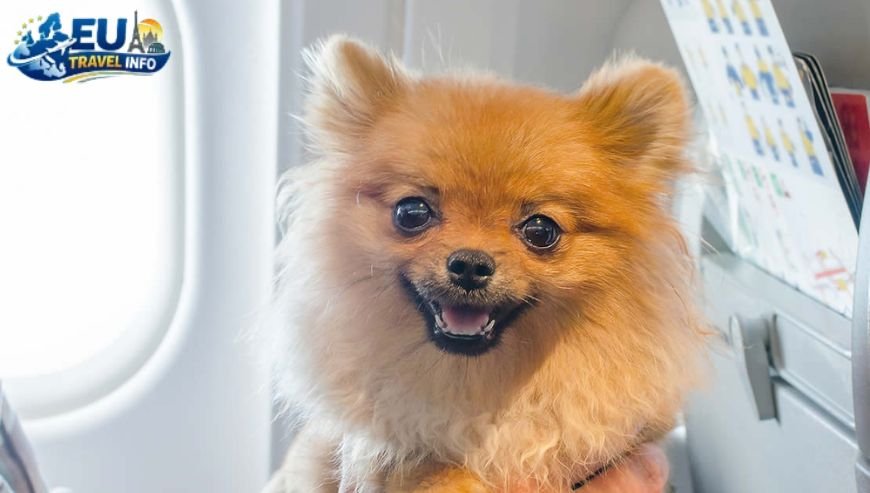
I spent weeks looking at flight paths. Which airlines allow pets in cabin uk? This is a tricky question. Most UK airlines do not allow pets in the cabin at all. They must go in the hold or as cargo. However, some EU airlines like Aegean Airlines, Lufthansa, and Air France allow small pets in the cabin.
Aegean Airlines is a popular choice. They have a great reputation. In the cabin, the combined weight of your dog and the carrier must be under 8 kg (17 lbs). The fee is about €65 for international flights. If your dog is bigger, they go in the hold. A medium dog (up to 25 kg) costs about €110 to €120.
Cyprus Airways also welcomes furry friends. They allow cats and dogs in the cabin if they are under 10 kg with the carrier. The price is around €50 to €60. For the hold, the price goes up to €120.
Tui pet travel is another option people ask about. You must check their specific routes. Many charter airlines have very strict seasonal rules. Always book your pet at least 24 hours in advance. I suggest calling the airline directly. Do not just trust the website.
The Ferry and Other Routes
You might think, why not take the ferry to cyprus from uk? I thought about this too. I wanted to avoid the plane hold. However, there is no direct ferry from the UK to Cyprus. You would have to drive across Europe to Greece or Turkey.
From Greece, ferries are not always running. From Turkey, you can take a ferry to Northern Cyprus. But remember the rule. If you go to the north, you cannot take the dog to the south. This makes the ferry a difficult choice for most travelers.
Preparing the Crate: A Safe Space
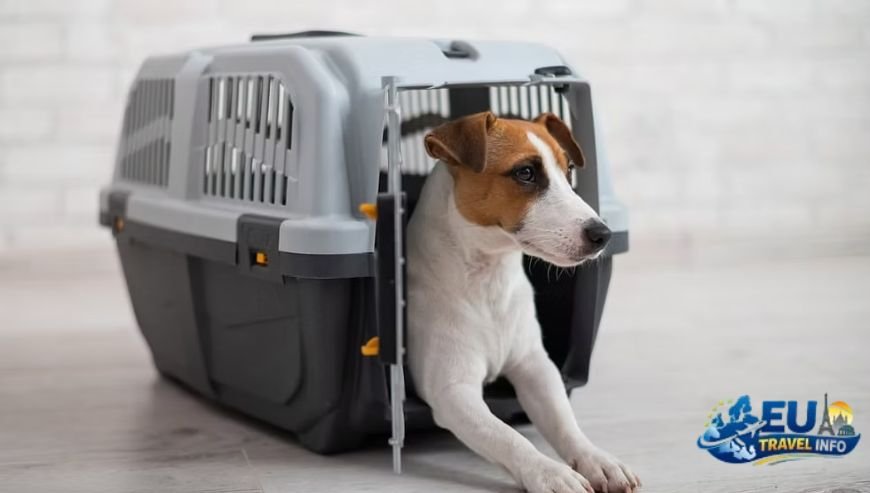
Your crate is your dog’s home during the flight. It must be IATA-compliant. This means it must be strong. It must have enough ventilation. Your dog must be able to stand up, turn around, and lie down naturally.
First of all, buy the crate early. Let your dog sleep in it at home. Put their favorite blanket inside. This reduces stress. Later, on the day of the flight, do not give them a big meal. A little water is fine. Additionally, do not give them sedatives. Most airlines and vets advise against it. The dog needs to keep its balance during takeoff and landing.
I put an Airtag on my dog’s collar. It gave me peace of mind. I could see he was on the plane before we took off. On top of that, I talked to the flight attendants. I asked them to tell the pilot there was a dog in the hold. They can adjust the temperature and air pressure.
Arrival at Larnaca or Paphos
The plane lands. Your heart is racing. You want to see your dog. If they traveled in the hold, you will pick them up at a special area. Gradually, you will head to the veterinary inspection point.
You must notify the District Veterinary Officer 48 hours before you arrive. Give them your flight number and time. They will meet you and check your papers. If everything is perfect, you pay the fee and leave. There is no quarantine in the south for dogs with correct paperwork.
However, if your papers are wrong, things get scary. They might send the dog back. They might put the dog in quarantine for up to six months. They might even euthanize the dog in extreme cases. Therefore, check your documents ten times.
Registering Your Dog Locally
You are finally in your new home. The sun is shining. But you are not done yet. You must legalize your dog. This is not just a hobby in Cyprus; it is a civic duty.
First of all, visit a local vet. They will check the microchip and give you a health certificate. Later, go to the State Veterinary Service. They will put your dog in the central register. Finally, go to your local municipality. You need an annual dog license.
The license costs about €20.50 per year for most dogs. If you have a “dangerous” breed, the fee jumps to €170. Also, you must be at least 16 years old to own a dog in Cyprus. On top of that, you must put a “Beware of Dog” sign on your gate. It must have a picture of a dog on it.
Banned Breeds: Know the List
Cyprus is very strict about certain breeds. You cannot bring them to the island. It does not matter where you come from. The banned breeds include:
- American Pit Bull Terrier / Pit Bull
- Japanese Tosa / Tosa Inu
- Dogo Argentino / Argentinian Mastiff
- Fila Brasileiro / Brazilian Mastiff
They also ban crossbreeds of these dogs. If your dog looks like one of these, a vet might label them “dangerous.” This leads to higher fees and mandatory sterilization.
Life on the Island: Beaches and Cafes
You want to take your dog to the beach. Naturally. But be careful. Dogs are banned from most public beaches in Cyprus. If a ranger catches your dog swimming at a regular beach, you will pay an €85 fine.
There are 7 official dog beaches in the Republic of Cyprus. I visited a few. Kassianes Beach near Larnaca is a good one. It is sandy and easy to reach. Steratzia Beach in Nicosia is also nice, but you have to ask locals for directions.
On the contrary, some beaches are dangerous. Pitili in Paphos is very rocky and the sea is rough. Prolimnos in Limassol is beautiful but hard to reach without a 4×4 car. Always look for the signs.
Additionally, the cafe culture is much better. Many restaurants with terraces love dogs. In Nicosia, you can visit The Workshop or Golden Tiger. In Limassol, Shakespeare Gastropub is a favorite. In Larnaca, check out Refuel. They even have special ice cream for dogs!
Public Transport and Walking
You will need a car. This is the truth. Public transport for dogs is very limited. On intercity buses, only small dogs under 8 kg are allowed. They must stay in a carrier. Only one pet is allowed per bus, and it is up to the driver.
Taxis are better, but you must book in advance. Large dogs must be muzzled. Most expats find that owning a car is the only way to have an active life with a dog.
When you walk your dog, keep them on a leash. It is the law. If you are caught walking without a leash, the fine is €300. If you do not clean up after your dog, that is another €300 fine. The authorities are very serious about this.
Health Hazards in the Mediterranean
The climate is beautiful, but it holds hidden dangers. Leishmaniasis is the biggest threat. It comes from infected sand flies. It is very common on the island. Studies show up to 14.9% of dogs in Cyprus have the antibodies.
You must protect your dog. Use repellent collars like Scalibor. Use spot-on treatments. Talk to your vet about the vaccine. Do not skip this. It can be fatal.
Additionally, watch out for poisoning. Sadly, some people scatter poisoned bait to kill stray animals. Your pet can easily eat it by mistake. Be very vigilant on your walks.
Also, there are snakes. In rural areas, the blunt-nosed viper is dangerous. Finally, there is the heat. In the summer, the sun is brutal. Never walk your dog during the hottest part of the day. Their paws will burn on the pavement. Always carry water.
FAQ
How to travel to Cyprus with a dog?
You should fly your pet into Larnaca or Paphos international airports. You must plan the trip at least three months before you leave. On top of that, you must book your dog on the flight at least 24 hours in advance.
What are the rules for traveling with pets?
The rules state your dog must have a microchip and a rabies vaccine. You must wait exactly 21 days after the first shot before the dog can travel. Additionally, a vet must give your dog a health check within ten days of the flight.
Are dogs allowed in Cyprus? Yes, dogs are welcome on the island. However, you cannot bring certain breeds like the Pit Bull Terrier or Japanese Tosa.
Are there any travel restrictions for Cyprus?
You cannot bring a pet that is younger than 105 days old. Also, the law says you cannot move a dog between the north and south parts of the island. Therefore, you must land in the part of the island where you plan to stay.
How much does it cost to fly with your dog?
The price to ship a dog from the UK starts at £1,400 for a small dog. A large dog can cost as much as £6,500. Plus, you must pay for a special travel crate and vet papers.
Which airline can I fly with my dog?
You can use Aegean Airlines, Cyprus Airways, Lufthansa, or Air France. Aegean Airlines says, ***”Dogs and cats are welcome to travel in the cabin and hold”***. Similarly, Cyprus Airways allows small pets in the cabin.
What paperwork do I need for my dog to fly?
You need an EU Pet Passport or an Animal Health Certificate. On top of that, you must have proof of a microchip and a rabies shot. Some places also require a blood test called a titer test.
Is Cyprus safe for pets?
The island is safe because the standard of vet care is very high. However, you must protect your pet from sand flies that spread leishmaniasis. Also, you must watch out for poison that some people leave for stray animals.
Does Cyprus Airways allow dogs in cabin?
Yes, they allow dogs in the cabin if the dog and carrier weigh less than 10 kg. The price for this is between €50 and €60 for a direct flight.
Do you need to declare a pet?
Yes, you must declare your pet. You must notify the vet office at the airport 48 hours before you arrive. If you do not follow the rules, the authorities might put your dog in quarantine.
Concluding words
Taking your dog to Cyprus takes a lot of careful work and money. You must get a microchip, a rabies shot, and the right health papers many months early. Though the flight costs are high, you can find many cafes and special beaches to enjoy with your pet once you land. You must follow the local laws for leashes and licenses to stay safe. Prepare your documents well so your move to the sun is happy and smooth.