
I love to travel across the continent and I have learned that a good holiday starts with a solid plan. I am writing this guide to help you find the Cheap Travel Insurance To Europe From Uk because I know how stressful it can be to stare at a screen full of quotes. First of all, I want to share that travel insurance europe is not a legal requirement, but it is a vital financial safety net for when things go wrong. I have seen simple medical issues like a sprained ankle in the US cost over $2,000 at a hospital. In Europe, costs can also be very high if you do not have protection. A good plan usually costs around $10 to $15 per day, but I have found excellent options for as low as $5 per day by using the right tools. Therefore, I want to walk you through everything I have learned about the best travel insurance uk to europe so you can enjoy your trip with real peace of mind.
Why You Need Insurance for Your European Adventure

European travel is wonderful. However, accidents and illnesses do not take holidays. I find that the biggest cost travel insurance covers is emergency medical treatment overseas. Additionally, it protects you against transport delays, crime, and the loss of your baggage. I always tell my friends that having insurance is not the same as being protected by it. You must follow every rule perfectly to ensure the insurer steps in. Most travelers believe insurers will pay hospitals directly, but many policies actually require you to pay upfront and get a refund later. Similarly, your claim is only as good as your paperwork. Plus, insurers paid out a record £472 million across more than 500,000 claims in 2024 alone. That is a lot of people who needed help while away.
The GHIC and EHIC: They Are Not a Total Shield
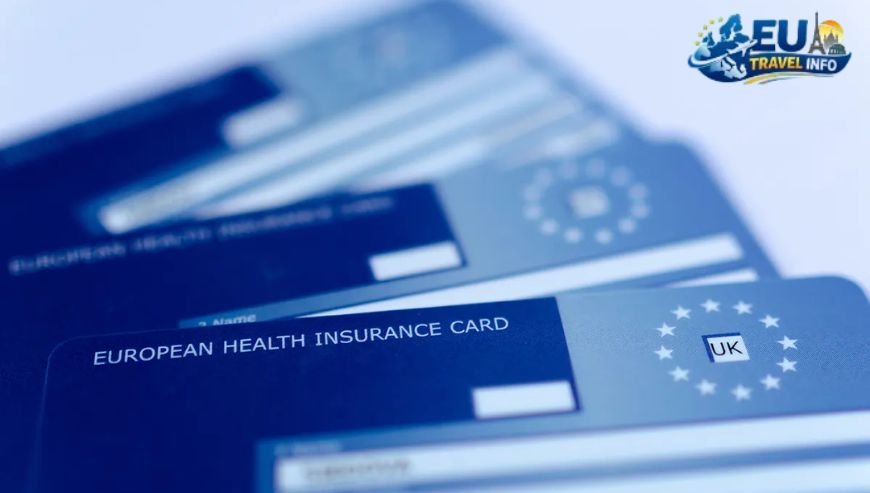
I often hear people say they do not need insurance because they have a Global Health Insurance Card (GHIC) or an old European Health Insurance Card (EHIC). First of all, the GHIC replaced the EHIC in 2020. These cards are free and last for five years. They let you get state healthcare in the EU on the same basis as a local resident. Though this is helpful, it is not a replacement for travel insurance. For example, the GHIC does not cover medical repatriation, which is the cost of being flown back to the UK. It also does not cover mountain rescue or private medical treatment. Therefore, even the UK government recommends that you take out a private policy even if you have one of these cards. I have found that some insurers even insist you have a GHIC to cover medical costs and might not pay your full claim if you do not have one.
Finding the Cheapest Deals: My Comparison Strategy

I always look for the cheapest travel insurance for europe by comparing as many providers as possible. I use online tools to see multiple quotes in minutes. On average, European cover costs around £28.41, but some people pay as little as £10.90. First of all, I check major comparison sites like MoneySuperMarket or Compare the Market. I also look at big brands like post office travel insurance, tesco travel insurance, and admiral travel insurance to see how they stack up against smaller firms. However, I do not always pick the absolute cheapest one. Sometimes a policy that costs a few pounds more offers much better protection. On top of that, I check if my bank account already gives me free insurance. For instance, some Nationwide or Lloyds accounts include travel cover as a perk. You must still tell your bank about your medical history if you use their cover.
Annual vs. Single Trip: Which Is Better for You?
I have to decide between a single trip policy and an annual one every year. A single trip policy covers one specific journey and is ideal if you only travel once a year. On the contrary, an annual policy covers multiple trips over 12 months. I find that if I go away two or more times in a year, an annual policy usually works out as the best value. For example, a 35-year-old might find an annual European policy for about £14.30. Additionally, annual policies are great for spontaneous weekends away. Finally, I check the “trip duration limit” on annual plans. Most limit each individual trip to 31 days, though some go up to 90 days. If I plan to be away for a very long time, I look at backpackers insurance instead.
Dealing with Pre-existing Medical Conditions
I know that finding travel insurance for europe from uk is harder if you have health issues. I must declare every condition I have ever had if the insurer asks. This includes things like asthma, high blood pressure, or diabetes. If I do not tell them, they can refuse to pay my claim. Insurers define a pre-existing condition as any issue I sought advice or medication for in the last two to five years. Sometimes minor issues like well-controlled high blood pressure do not even increase the price. However, serious conditions like cancer might require a specialist medical insurer. I find that specialist sites like Medical Travel Compared are the best place to start if mainstream providers refuse to cover me. I also get a fit-to-travel certificate from my doctor if I am recovering from something serious.
Understanding the Excess: The Fee You Must Pay
I always check the excess before I buy. This is the amount I have to pay out of my own pocket toward a claim. For example, if my baggage cover is £1,500 and the excess is £100, the insurer only pays me £1,400 if my bag is stolen. Some insurers charge an excess per person, while others charge per incident. I have seen some policies with no excess at all, often called a no-excess travel insurance. These are usually more expensive to buy upfront. However, they are great because I get 100% of the money back if I claim. I find that the average excess on the cheapest policies is about £135, while “Best Buy” policies usually have an average excess of only £39.
What Is Actually Covered? (And What Is Not)
I always read the small print because the list of exclusions is very important. Standard policies usually cover:
- Medical expenses up to £2 million or more.
- Cancellation costs if I am too ill to travel.
- Baggage and personal items if they are lost or stolen.
- Personal liability if I accidentally injure someone else.
However, there are things that are almost never covered. I am not protected if I am under the influence of alcohol or drugs during an accident. I am also not covered if I do something very dangerous, which insurers call reckless behavior. For example, riding a scooter without a helmet is a big no-no. Plus, I must check if my destination is on the “Do not travel” list from the Foreign, Commonwealth and Development Office (FCDO). Finally, I always check if I need extra cover for activities like skiing or golf.
Important Dates and Changes Coming in 2025 and 2026
I am keeping a close eye on the calendar because travel to Europe is changing. First of all, many EHIC cards are expiring in 2025, so I might need to apply for a GHIC soon. On top of that, the EU is launching the new Entry/Exit System (EES) on 12 October 2025. This means I will have to provide my fingerprints and have my photo taken the first time I enter the Schengen area after that date. Later, in Autumn 2026, the ETIAS system will start. I will have to pay about €7 for an authorization to travel that lasts for three years. These changes might cause longer queues at the border, so I plan to leave extra time for my journeys.
FAQ
What is the minimum travel insurance for Europe?
If you need a Schengen visa, your policy must cover at least €30,000 in medical costs. It must also be valid in every country within the Schengen area and last for your entire journey. I recommend looking for a plan with at least $35,000 in coverage just to stay safe.
Do I need travel insurance for Europe from the UK?
It is not a legal requirement for UK citizens on short holidays. However, I strongly advise you to get it. It acts as a financial safety net for accidents, theft, or sudden illness.
What is the cheapest Schengen travel insurance?
You can find very basic European cover starting from about £10.90. On top of that, some comparison tools show excellent options for as low as $5 per day.
What is the cheapest way to get travel insurance?
First of all, you should use comparison platforms. They search major insurers worldwide and show you the lowest prices in seconds. You must also compare the actual benefits, not just the price.
How much is EU insurance?
The average price for European travel insurance is around £28.41. Though some travelers pay much less depending on their age and destination.
How much should I expect to pay for travel insurance?
A good plan usually costs between $10 and $15 per day. However, you might find cheaper deals by using high-volume comparison sites.
What is not covered by travel insurance?
Most policies exclude injuries from reckless behavior, such as riding a scooter without a helmet. Additionally, you are not covered for accidents that happen while you are under the influence of alcohol or drugs. Most insurers also reject claims for illegal acts.
Is travel insurance mandatory for Europe travel?
It is only mandatory if you require a Schengen visa to enter. For UK citizens on short visits, it is optional but highly recommended.
When should I buy travel insurance?
You must buy it As Soon As you Book (ASAB). This ensures you have cancellation protection if something goes wrong before you even leave home.
What is the most recommended travel insurance?
Staysure is one of the most reviewed and popular providers. Saga Plus is often recommended for travelers over 50 because it offers high-scoring cover. Similarly, MoneySuperMarket is a highly recommended site for comparing quotes.
How much do I pay for travel insurance?
You can find daily rates as low as $5 or single-trip policies starting at £1.49 for specific countries like Spain.
Is Travel Guard or Allianz better?
Both are major players in the market. Allianz is a common partner for many comparison sites. You should look at the defaqto ratings to see which one fits your specific needs.
What is good cheap travel insurance?
InsureandGo Gold is often cited as a best-value option because it balances price and protection. On top of that, AllClear Gold Plus is a competitive choice for older travelers.
Can I buy travel insurance after arrival?
No. Most policies specifically exclude any trip that has already begun before the cover start date.
Which company is best for international travel insurance?
Providers like Saga, Staysure, and Allianz (Aviva) are frequently listed as top-performing or highly rated companies.
How much does it cost to have travel insurance?
The price varies based on your age and health. However, the average cost for a typical European trip is approximately £28.
Do credit cards offer travel insurance?
Yes. Many packaged bank accounts and premium credit cards include travel insurance as a perk. Therefore, you should check your current accounts before buying a separate policy.
What countries are included in Coverwise travel insurance Europe?
European policies generally cover all 27 EU member states like France, Spain, and Italy. They often also include non-EU spots like Switzerland, Norway, and Turkey.
Concluding words
Finding the best cheap travel insurance to Europe from UK starts with buying your policy as soon as you book your trip. You must remember that the GHIC is only a backup and does not cover big costs like being flown home in an emergency.
Therefore, you should use comparison tools to find a plan that balances a low price with strong medical and cancellation limits. Plus, always tell the truth about your medical history to ensure your claim is valid. Safe travels are all about being prepared.