I sat on a wooden bench in the middle of Sofia and looked at my coffee. It cost me less than two dollars. I looked at my lunch receipt from earlier. I had a full meal for about seven dollars. At that time, I realized that I was in a special place. Many people ask me: is Bulgaria expensive to visit? I can tell you right now that it is one of the most affordable spots in all of Europe. I found that a budget travel Bulgaria adventure is not just possible; it is easy.
Bulgaria is a quiet powerhouse. It sits between the stable European Union and the rugged Balkan Peninsula. I discovered that I could live a very good life here on a small budget. I spent between €30 and €50 per day. That money covered my bed, my food, and my travel around the city. Popular Cheap Travel To Bulgaria is real because the costs are so low. The cost of living index here is around 38 to 40. This means that the things you need every day cost about 60% less than they do in big Western cities.
I will share my secrets with you. History. Mountains. Sunny beaches. All for a price that will make you smile. Is it cheap to travel to Bulgaria? Yes. Very much yes.
The Best Time to Save Money
I learned that timing is everything. First of all, you must know about the cheapest time to travel to Bulgaria. I found that February is the winner. I saw return flights from the United Kingdom for as low as £26 during this month. Ryanair and Wizz Air are the kings of the sky here. They control about 89% of the low-cost flights to Bulgaria.
Though February is cold, the savings are huge. If you want warm weather, I suggest the shoulder seasons. I visited in May, June, September, and October. The crowds are gone. The prices for hotels drop by 20% to 30%. I found that summer (July and August) is the most expensive time. Therefore, I stay away from the peak months to keep my wallet heavy.
Finding the Cheapest Way to Get There
I looked for the cheapest way to travel to Bulgaria before I left home. I discovered that flying into Sofia is usually the best deal. Sofia Airport is a major hub. However, do not overlook Plovdiv Airport. I found some very cheap flights there from London and Bratislava. For example, I saw one-way tickets to Plovdiv for just €14.
Additionally, I used the bus to cross the border. I took a bus from Thessaloniki in Greece to Sofia. It cost me only $15. The ride took about five hours. I also saw buses from Bucharest for $17 and Istanbul for $43. These are great options if you are already in the Balkans.
Sofia: A City of Free Wonders
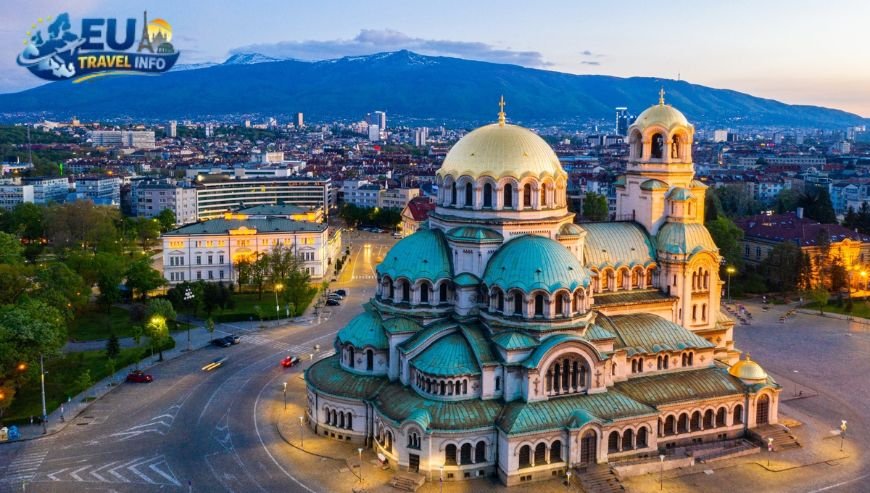
I started my trip in the capital. Many travelers wonder is bulgaria cheap to visit when they see the big city. I can tell you that Sofia is a masterclass in saving money. First of all, I never paid for water. I went to the fountains behind the Central Bath House. Free hot mineral water flows there 24/7. I filled my bottle and drank like a local.
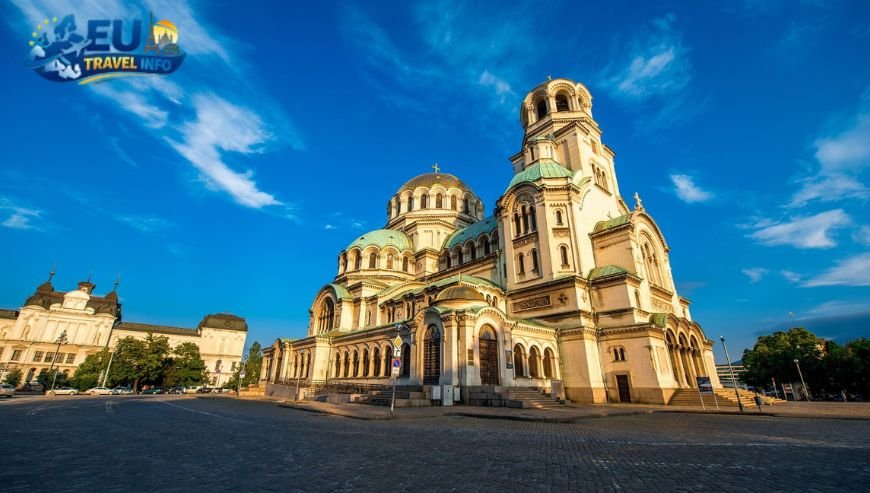
Later, I visited the Serdika Metro Station. I did not even have to buy a ticket to see history. I walked through ancient Roman streets that are built right into the station. It is completely free. I also stood under the golden domes of the Alexander Nevsky Cathedral. Entrance is free, though I had to pay 10 BGN if I wanted to take photos.
I joined a Free Sofia Tour every morning at 11 AM. The local guides are very smart. They showed me 20 different sites in two hours. I tipped them about €5, which is still a bargain for a professional tour. On top of that, I took the Balkan Bites Food Tour. I sampled local yogurt and cheese-filled banitsa for free. I just left a small tip at the end.
Staying for Pennies in Sofia
I found the most famous hostel in the country. It is called Hostel Mostel. I paid about €8 to €12 for a dorm bed. Here is the best part. They gave me free breakfast and a free vegetarian dinner with a beer. That deal saved me so much money on food.
If you want a private room, I suggest 5 Vintage Guest House. I found rooms there for €18 to €25. It feels like a boutique hotel but at a low-budget price. Similarly, Hotel Niky offers central comfort for €30 to €40. Therefore, you do not have to spend a lot to sleep well.
Plovdiv: The Best Value in Bulgaria
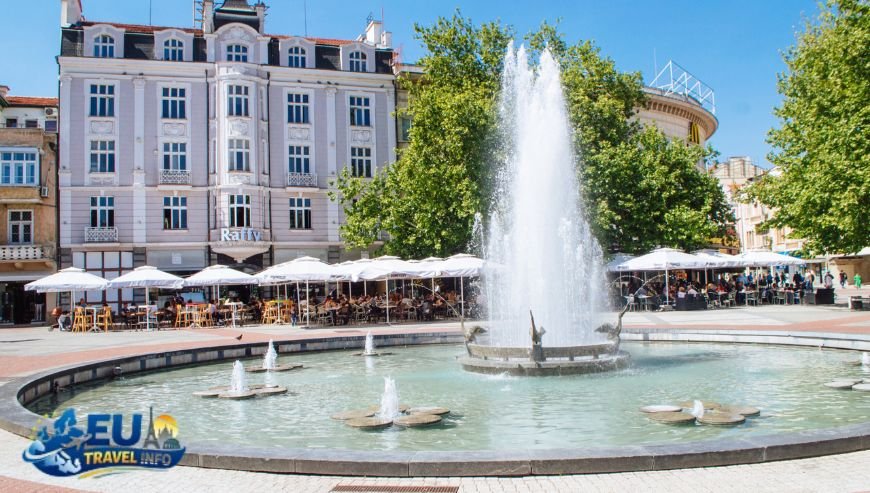
I took a two-hour bus ride from Sofia to Plovdiv. I quickly saw why people love this city. Plovdiv is the oldest continuously inhabited city in Europe. On top of that, it is about 15% cheaper than Sofia. I found it to be the best value for my money.
I walked through the Old Town for free. The cobblestone streets and 19th-century houses are beautiful. I went to Nebet Tepe hill to watch the sunset. It cost me nothing and gave me the best view of the city. I also saw the Roman Stadium right under the shopping street. You can walk down and see it for free any time.
I learned a great trick for food in Plovdiv. Almost every restaurant has a “Lunch Menu” (Obedno Menyu). I had three courses for less than 10 BGN ($5.50). I ate at a place called Adisa. They have 100 different traditional dishes for very low prices. Also, Alex Foods and Yogi Fast Foods are great for cheap kebabs. You can even use a credit card at their machines.
Free Culture Days
I was lucky to be in Plovdiv on the first Thursday of the month. On that day, many museums are free for students and retirees. I visited the Regional History Museum and the Ethnographic Museum without paying a cent. Additionally, the National History Museum in Sofia is free on the last Monday of the month. I always check the calendar to find these free days.
The Black Sea Coast: Varna and Burgas
I traveled east to the sea. Some people think the coast is a “tourist trap.” However, I found that Varna and Burgas are very budget-friendly if you avoid the big resorts. In Varna, I spent hours in the Sea Garden. It is a massive park with sea views and it is free to enter. I sat on the public beaches and brought my own snacks. I did not pay for a fancy beach club.
I also visited the Kolhozen pazar market in Varna. I bought fresh cheese and seasonal fruit for a very low price. Later, I went to Burgas. I discovered the lye and mud pools at Atanasovsko Lake. I floated in the salt water and put healing mud on my skin for free. It was one of the most unique things I did in Bulgaria.
Adventure in the Mountains
I heard about a cheap ski trip to Bulgaria from some other travelers. I went to Bansko. It is a world-famous spot for digital nomads and skiers. I found that a daily budget of $27 is possible if you stay long-term. Skiing here is a fraction of the cost in France or Switzerland. On top of that, the mountain air is amazing.
I also hiked in the Rila Mountains. I took a local bus to the Rila Monastery. It is a UNESCO site and entry to the church is free. I bought some mekitsi (fried dough) for a few Leva. It was the perfect snack after a long walk. I stayed in mountain huts called “hizhas”. A bed in a hut often costs less than a burger in a big city. Therefore, I recommend the mountains for anyone who loves nature and low prices.
The Real Cost of Food and Drink
I was surprised by how low the food prices are. I found that I could eat a meal in an inexpensive restaurant for about 18 BGN ($10). A beer in a local pub cost me around 4 BGN ($2.20). If I bought a bottle of wine at the market, it was only 11 BGN ($6).
I ate a lot of Shopska salad. It has tomatoes, cucumbers, and white cheese. It is the national dish and costs very little. For breakfast, I always got a banitsa. It is a pastry with cheese and costs about 2.50 BGN. I also tried Tarator, which is a cold yogurt soup. It is great for a cheap lunch on a hot day.
Transport: How to Get Around
I learned that buses are the best way to travel between cities. They are fast and cheap. I paid about $13 to go from Sofia to Plovdiv. If I wanted to save even more, I took the train. The Bulgarian State Railways (BDZ) are very slow but very cheap. I took a night train from Sofia to the coast to save on a hotel night. A seat reservation on these trains cost me only 0.50 BGN.
Inside the cities, I used public transport. A single ticket in Sofia is 1.60 BGN ($0.80). I took the metro from the airport to the city center for that same low price. It is ten times cheaper than a taxi. However, if you need a taxi, I recommend using apps like Yellow Taxi or TaxiMe. They are regulated and safe.
Is Bulgaria Expensive to Visit? The Statistics
I want to show you some numbers. These help explain why I think this is a bargain destination.
- Hostel bed: €8 – €12.
- Inexpensive restaurant meal: 15 – 20 BGN.
- Local beer (0.5L): 4 – 5 BGN.
- Monthly public transport pass: 50 BGN.
- Internet (60 Mbps+): 25 – 26 BGN.
- Metro to airport: 1.60 BGN.
Bulgaria has one of the lowest net salaries in the EU, at around $800 per month. Therefore, the prices stay low for locals and travelers alike. I felt like a rich person even though I was spending very little.
Staying Safe and Healthy
I found that Bulgaria is very safe. The safety index is high, at around 80. I walked at night in the city center and felt fine. However, I did take some precautions. I always used a reusable water bottle for the free mineral water. I also looked into cheap travel insurance Bulgaria. If you are coming for a long stay, you might need it. Basic medical insurance is mandatory for some travelers and may cost around $600 for a long period.
I kept some local cash (Lev/BGN) with me. Small shops and mountain huts do not always take cards. I used Wise or Revolut to get the best exchange rates. Bulgaria is still on the Lev, but they might change to the Euro soon. At that time, I expect things might get a little more expensive, so go now.
Frequently Asked Questions
Is Bulgaria cheap for tourists?
Yes. It is a quiet powerhouse for savings. It is one of the most affordable spots in the European Union. I found that the cost of living there is roughly 60% lower than in Western European cities. First of all, it is a place where you can live a full life on a small budget.
What is the cheapest month to go to Bulgaria?
February is the winner. I found airfare for as low as £26 during that month. At that time, the flights are at their absolute lowest price. January is also a very cheap month because the holiday rush is over.
What is the cheapest way to travel in Bulgaria?
The train is the most affordable way to move. It is the absolute floor for costs. Additionally, I found that walking is the best way to see city centers like Varna and Plovdiv. Buses are also a great bargain for moving between cities.
How much does it cost to travel to Bulgaria?
I spent between €30 and €50 per day. That money covered my bed, food, and local travel. A backpacker can even survive on €25 to €30 per day. A one-week trip might cost you between 250 and 400 EUR without including your flights.
Is Turkey or Bulgaria cheaper?
Both countries are very affordable. They sit next to each other and offer a similar high-value experience for travelers. I noticed that food prices in Bulgarian cities like Plovdiv are very competitive with what I saw in Turkey.
How many days are enough in Bulgaria?
I suggest you stay for at least a week. You need at least two days just to see the history in Plovdiv. A week allows you to see the capital and the coast without rushing.
What to be careful of in Bulgaria?
You must watch out for taxi scams. I only use regulated apps like Yellow Taxi or TaxiMe to avoid high prices. On top of that, the Cyrillic alphabet can make reading bus schedules a bit hard. Pickpockets can also be a problem in busy tourist spots.
How much is a meal for 2 in Bulgaria?
A mid-range three-course meal for two people costs between 70 and 85 BGN. That is about $40 to $45. You can eat for much less if you find local shops or lunch menus.
Does Bulgaria use the Euro?
No. It uses the Bulgarian Lev (BGN). However, there is a chance the country will adopt the Euro in 2026. For now, you should keep some local cash with you.
Do people speak English in Bulgaria?
Yes. Most young people and people in the travel industry speak it very well. I found that I could get by easily in Sofia and Plovdiv. Some very small local shops might only speak Bulgarian.
Which part of Bulgaria is best to stay in?
Similarly, it depends on what you like. Plovdiv offers the best value for your money and a relaxed pace. Sofia is great for big city energy and jobs. Varna and Burgas are perfect if you want to live by the sea.
Is Bulgaria a 1st, 2nd, or 3rd world country?
It is a developed country and a member of the European Union. It provides a stable gateway to European living. It offers a modern life with very low costs.
Concluding words
I stood on the cobblestones and realized my trip was a success. Bulgaria is a true bargain. You get mountains, history, and sea for the price of a local coffee elsewhere. Therefore, you should make this your next stop. It is simple to save money here. No stress. Low prices. Great memories. Plus, the people are friendly and the food is fresh. You will find that your money goes further here than almost anywhere else in the world. Safe travels!