I spent many years simply looking at the world through a window. At that time, I felt like a spectator rather than a participant. I visited the big cities. I saw the famous statues. I ate at the tourist traps. However, my soul felt empty. Everything changed when I finally decided to dive deep. I stopped just visiting and started living. Cultural Immersion Trips for Families in Europe became my new passion. These are not just vacations. These are life-changing shifts in how we see the human race.
I found that the cultural immersion benefits for my family were massive. First of all, my kids learned more in one week than they did in a whole year of school. They saw that the world is wide and full of different ways to be happy. Statistical data shows that 94 percent of exchange participants return home with a much more positive image of the people they met. Additionally, nine out of ten people say their friends and family understand other cultures better because of the stories they tell. This is the power of a true cultural exchange programme.
The Magic of Italian Arts and Hands-On History
Italy is where my heart first opened up. I remember the smell of wet clay in Tuscany. I remember the heat of the kilns in Venice. There is a deep history in the arts and crafts here that dates back thousands of years. First of all, I must talk about Murano glass. This craft has a history that goes back nearly one thousand years. I took my family to the Venetian Lagoon. We watched glass blowers turn fire into art. We even joined a workshop to make our own small souvenirs. It was not just a show. It was a connection to a master tradition.
Later, we traveled to the south for ceramics. People have been making pottery in Italy for over two millennia. I watched an artisan in Sicily shape a vase with such ease. My children and I even had a chance to shape our own pieces of earthenware. We learned about the classic shapes and colors that have defined regional heritage for ages. On top of that, we visited a cobbler. Italian shoemakers still use hands-on techniques that blend the old ways with new technology. I saw the pride in the eyes of a worker in Campania as he finished a luxury leather shoe. Similarly, we explored the art of marbled paper in Tuscany. These experiences are the best cultural immersion trips for families in europe.
Finding Peace in the Countryside
I found that the best way to slow down is to stay at an agriturismo. This is a traditional farmhouse where the family is active in farming, like making olive oil or wine. At that time, I realized that true luxury is a quiet morning on a farm. I recommend the Agriturismo Biologico Diacceroni in Volterra as a top pick. They have everything. They offer family cooking courses for pasta and pizza. They even have a kid-centered course for making biscuits. Plus, you can go truffle hunting or horse riding right on the property.
Gradually, I learned that this is what experts call “slow tourism”. It is about taking your time. We do not schedule too many activities in one day. We travel by foot or bicycle when we can. Therefore, we strengthen our family ties. My children feel more confident because I include them in the decisions. We eat local and seasonal food. It is healthier for us and better for the planet.
The Vibrant Streets of Spain
Spain offers a different kind of energy. I took my family to Valencia. This city is a mix of history and modern wonder. My kids played soccer with local children in the Turia Gardens. They ordered horchata in Spanish. Language learning becomes effortless when it is part of daily life. At the OLÉ Summer Camps, the immersion is active and playful. Children do not just study word lists. They use words to buy pastries at the market or chat with new friends on field trips.
I saw how my family gained a new appreciation for history. We walked through the Gothic architecture of the Silk Exchange. We learned about the festival of Las Fallas, where giant sculptures are burned in a spectacular display. These cultural immersion and travel experiences help children see the world through a broad lens. They begin to understand why people live and celebrate the way they do. It is a break from the routine that heals the soul.
Volunteering and Giving Back
I wanted my family to understand that travel is also about service. We looked into family volunteering. Europe is a safe and diverse place for this. We found programs where we could help animals or protect the environment. For example, in Lisbon, we learned about upcycling plastic into sports items. In Greece, we helped monitor sea turtle nests on the beaches of Kefalonia. These are often the most affordable ways to travel.
If you are worried about the cultural immersion trips for families in europe cost, volunteering is a great choice. Organizations like International Volunteer HQ (IVHQ) are very affordable. They offer fully hosted experiences. On top of that, children aged 15 and under can get a 50 percent discount on their registration fee. This makes a big difference for a large family. We even considered other global options like projects abroad fiji, but Europe has a special safety and richness that I love.
High School and Youth Exchange
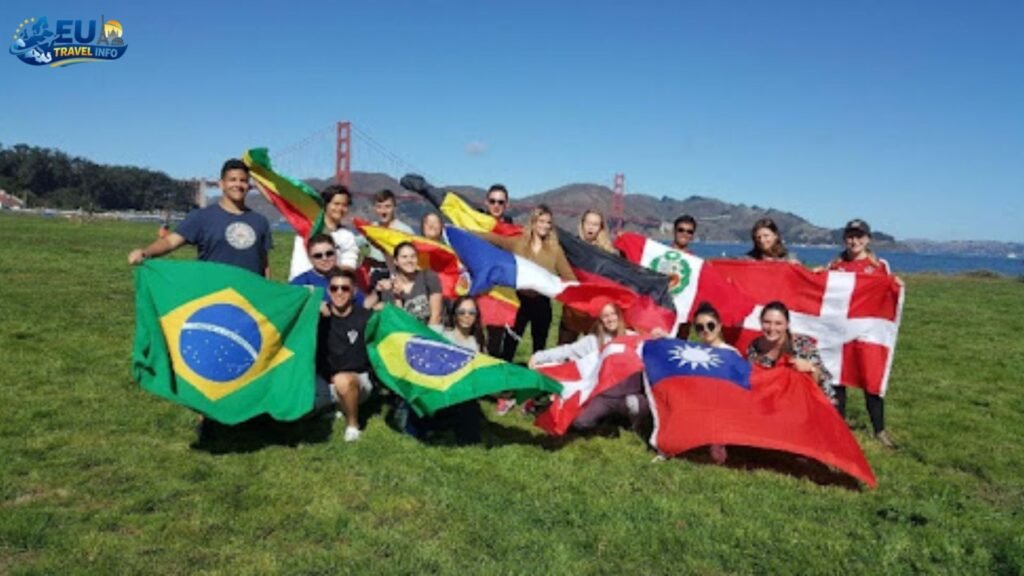
I also looked into more formal programs for the future. The u s cultural exchange program offers amazing scholarships. Programs like FLEX and YES are merit-based and highly selective. These students live with a host family for a full academic year. They attend a local high school and participate in community service. The Experiment in International Living has been doing this since 1932. They have awarded nearly 2 million dollars in scholarships to help students travel.
I spoke with a student from Lithuania who was placed in Hawaii. She said she became more independent and mature. She stopped using plastic straws and became passionate about the environment. This is the long-term impact of a cultural exchange programme. It creates global leaders. These students return home with a desire to help their own communities.
Planning Your Own Journey

I know that planning such a trip can feel hard. First of all, you must decide on the timing. Summer offers sun but higher prices. Spring and fall have fewer crowds and better rates. I prefer staying in apartments or villas. They give us the freedom and space we need. In Italy, a private driver is often a great way to get around without stress. Plus, it can be cost-effective for a group.
Finally, I suggest getting everyone involved. I show my kids the places we will visit. I ask them what they are excited to see. Would they rather make pizza or gelato? Would they rather see a gladiator school or a chocolate museum? Giving kids choices makes them feel like part of the adventure. Do not underestimate the value of downtime. A few hours at a local park or the hotel pool helps everyone recharge.
The world is a book. Those who do not travel deeply read only one page. I choose to read every chapter with my family. I choose the path of immersion.
FAQ
Is there an age limit for children to participate in these trips?
Most programs are very flexible. For example, some agriturismi are perfect for babies, while volunteering programs often require kids to be at least 8 or 13 years old. High school exchange programs usually target teenagers between 15 and 18 years old.
Can families with no Spanish or Italian language skills still join?
Yes, they can. Many programs, like the Welcome to Valencia camp, are designed for those who are not ready for full language immersion yet. Most artisans and guides also speak English, especially in popular regions like Tuscany or Venice.
What is included in the cost of a hosted volunteer trip?
Affordable providers like IVHQ usually include your accommodation and meals. They also provide airport pickup and 24/7 support during your stay. You must usually cover your own flights and insurance.
Concluding Words
Cultural Immersion Trips for Families in Europe provide a unique way to grow closer as a family while learning about the world. Whether you choose to work with artisans in Italy, join a language camp in Spain, or volunteer for wildlife in Greece, the impact is lasting. These experiences build empathy, confidence, and a global mindset in children and adults alike. By slowing down and living like a local, you create memories that go far beyond a simple photo.