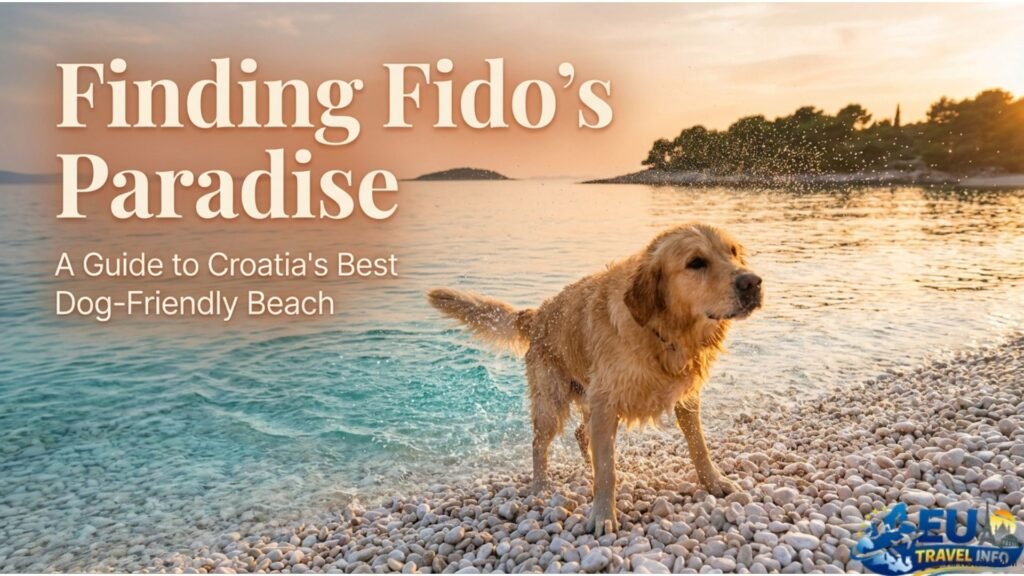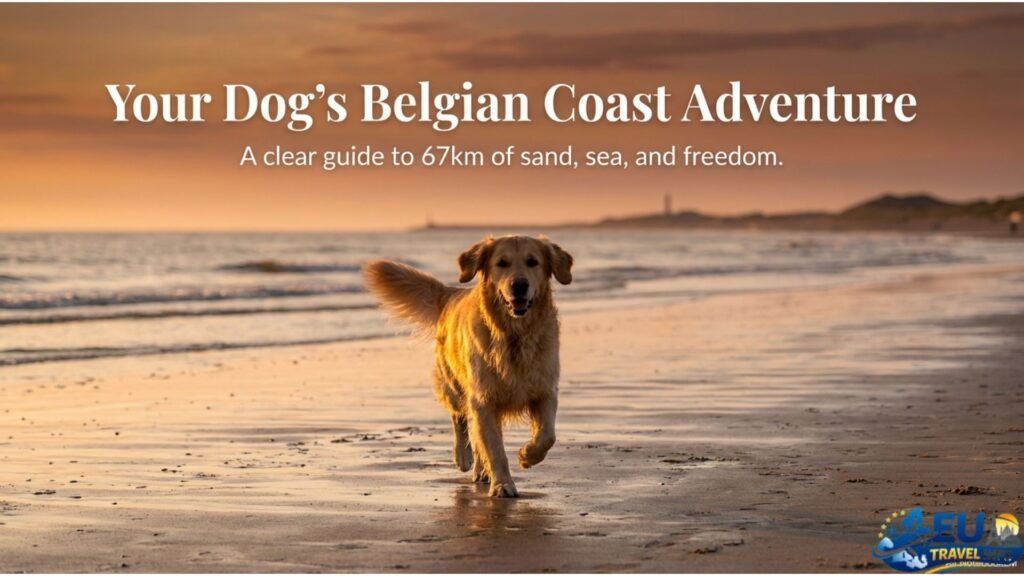
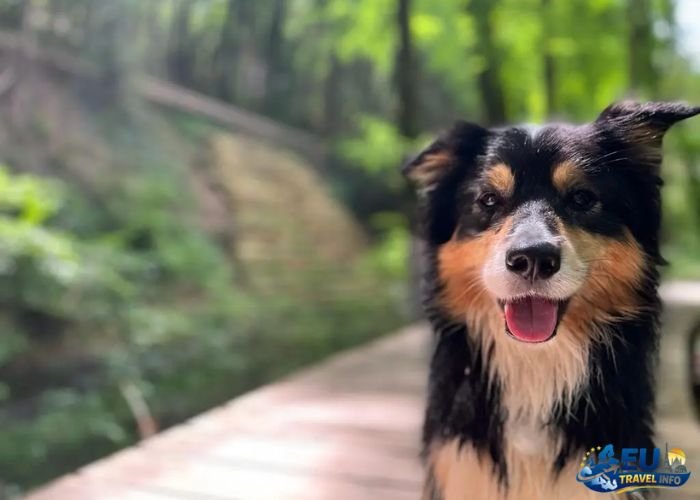
My heart always felt heavy when I looked at my dog while packing a suitcase. You know that look. The sad eyes and the slow tail wag. I decided that things had to change. I traveled to over 20 countries in Europe with my dog, and I want to share how you can do it too. This Dog-Friendly European Road Trip Guide will help you plan an adventure where no one gets left behind. Traveling with a dog is not always easy, but it is deeply rewarding. A shared sunset. A long hike in the mountains. These moments are better with a furry companion.
First Things First: The Boring but Necessary Paperwork
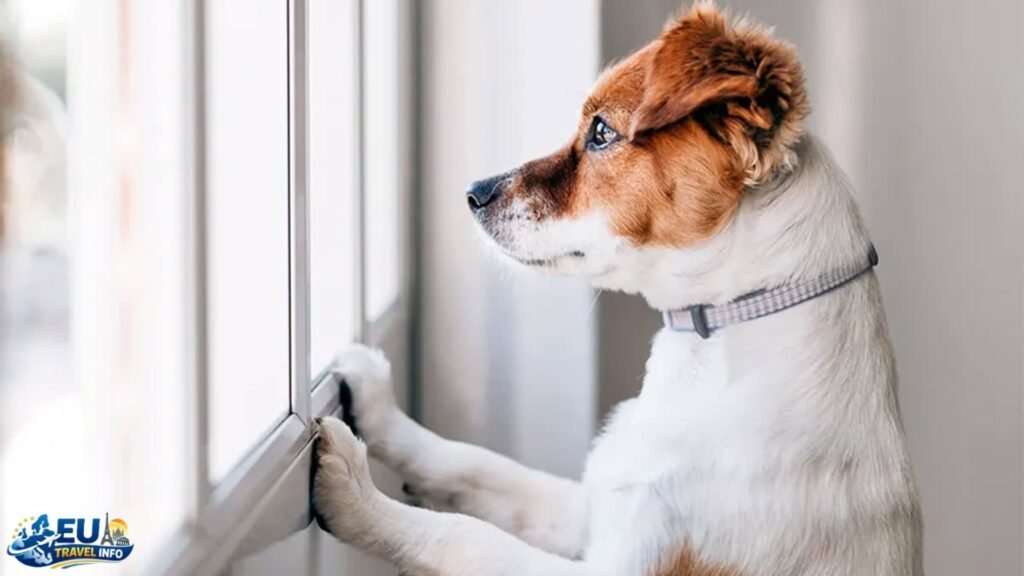
You cannot just hop in the car and drive away. The rules for dog-friendly travel Europe are strict, especially after Brexit. First of all, your dog must have a microchip. This is the most important step. If your dog does not have one, a vet cannot give them a rabies vaccine. Speaking of vaccines, the rabies jab is mandatory. You must wait at least 21 days after the first shot before you can travel. Most of these vaccines stay valid for three years, but you should always double-check with your vet.
If you are starting your dog friendly european road trip guide from uk, you need an Animal Health Certificate (AHC). This document replaced the old pet passport for people in Great Britain. It is a long document, often ten to twelve pages. You must get it from an Official Veterinarian no more than 10 days before you leave the UK. The cost can vary. Some local vets charge over £200, while specialists might do it for around £99. Additionally, this certificate only lasts for one trip and is valid for four months of travel within the EU.
Later, if you plan to stay in Europe for a long time, you might want to get an EU Pet Passport. You can get one from a vet in the EU. This makes crossing borders much simpler. Traveling Europe with a dog requires patience with paperwork. If you miss a signature, you might face a nightmare at the border.
Packing the Essentials for Your Pup
I learned quickly that a dog needs as much luggage as a human. Maybe even more. First of all, you need a solid emergency kit. I include bandages, antiseptic wipes, tweezers, and a thermometer. Plus, I always carry a copy of all vaccination records and microchip information. You never know when you might need to visit a local clinic.
On top of that, I highly recommend a GPS tracker. It provides live data so you always know where your dog is if they wander off in a new forest. Similarly, a long leash or “drag line” of about 10 to 20 meters is a lifesaver. It allows them to roam but keeps you in control. A chest harness is also better than a collar when using a long lead. Therefore, your dog stays safe and comfortable.
Crossing the Water: Ferries and the Eurotunnel
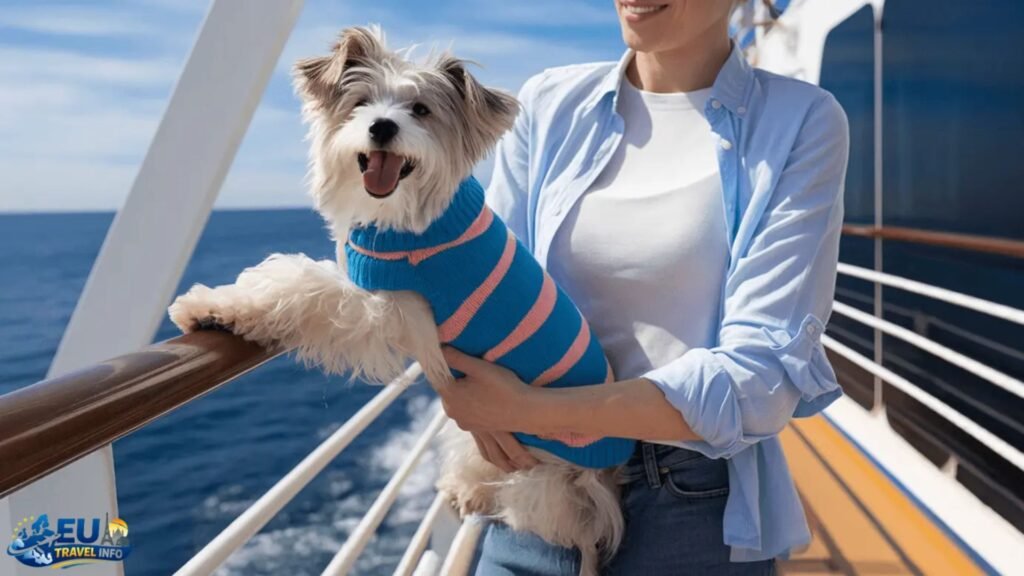
You have a few choices to get from the UK to the mainland. Many people love the Eurotunnel Le Shuttle. It is very fast. The trip takes less than an hour. Your dog stays in the car with you, which reduces their stress. First, you visit the pet check-in area where they scan the microchip. Then, you can use the exercise area so your dog can stretch their legs before the train starts.
However, ferries are also a great option for Dog-Friendly European Road Trip Guide. Each company has different rules. Some companies like Stena Line have pet-friendly cabins. Others might require your dog to stay in a kennel or remain in the car. For example, P&O Ferries offers a “Pet Lounge” on the Dover to Calais route for an extra fee. In the lounge, you can sit with your dog and enjoy fresh air on a special deck. On the contrary, some long-distance ferries require a kennel booking, which can cost around £20 to £60 depending on the route.
Destination France: The Gateway to Europe
France is incredibly welcoming to dogs. Our journey often starts in Arras. It is a lovely town only 60 miles from Calais. We stayed at the Mure Hotel, which was very central and allowed our dogs to stay with us. The architecture is beautiful. A quiet walk through the city square is a great way to start the trip.
Additionally, the French Alps are a dream for hikers. We spent time in the Fiz Mountains and near Chamonix. Many cable cars allow dogs to ride along with you. This saves your legs from a 1,000-meter climb. Though summer can be hot, the higher altitudes offer cooler air and beautiful trails. Just be careful in national parks. Sometimes dogs are not allowed in specific nature reserves to protect wildlife.
Italy: Pasta, Lakes, and Sunshine
Italy is a highlight of any dog friendly european road trip guide. We drove down to Lake Como and stayed in a villa in Dongo. The views were stunning. The water was clear. We even rented a boat to explore the lake. You do not need a license to hire a small motorboat, and it is a dog-friendly activity. My dog, Buddy, loved the wind in his fur as we zipped across the water.
Milan is another great stop, but transport can be tricky there. I found that many taxi and Uber drivers in Italy will not take a large dog unless you have a crate. Therefore, we had to use the train and the Metro. The Italian people showed so much love to our dog, Brodie. People would even stop us to take pictures. Are dogs allowed in restaurants in Europe? In Italy, the answer is usually yes. We saw locals with their pets at almost every outdoor cafe.
Switzerland: Mountains and Very Strict Rules
Switzerland has some of the most beautiful landscapes in the world. The Lauterbrunnen valley, known as the valley of 72 waterfalls, is breathtaking. We took a cable car up to the village of Mürren. The views of the Eiger and Jungfrau mountains were spectacular. However, Switzerland is expensive. Everything from coffee to hotels costs more here.
You must follow specific rules in Switzerland. Every dog must be registered with Customs when you enter the country. Use the “red zone” at the border to declare your pet. Also, leash laws vary by canton. Some areas are very strict about “dangerous” breeds, so you should check the local rules for each area you visit. Plus, your dog must be secured safely in the car with a harness or a crate.
Slovenia and Austria: The Hidden Gems

If you want to avoid crowds, head to Slovenia. Lake Bled is like a fairytale. There is a flat walking path around the lake that is easy for any dog. Dogs are even allowed on the boats that go to Bled Island. Similarly, Lake Bohinj in the Julian Alps is a paradise. We stayed at Camp Zlatorog Bohinj, right on the shore. The electric ferry boat there welcomed our dogs on board.
Austria also offers incredible nature. Gesäuse National Park is a “hidden gem”. It does not have cable cars, so it feels very authentic and quiet. We stayed at Campingplatz Forstgarten within the park. The park rangers are very friendly. One ranger even shared some schnapps with us by the fire pit. The limestone mountains are massive. The hiking trails weave through beautiful forests and rocky peaks.
Germany: The Black Forest and Christmas Magic
Germany is a paradise for forest lovers. The Black Forest has endless trails and charming villages. Towns like Freiburg and Baden-Baden have many pet-friendly hotels and cafes. I suggest driving the Black Forest High Road for amazing views. Additionally, the Christmas markets in Nuremberg are world-famous. The atmosphere is magical even when it is rainy.
However, I must mention a difficult experience. Frankfurt was one of the least dog-friendly countries in Europe (or cities, rather) that I visited. I tried to call an Uber Pet, but the drivers were very rude. One driver even asked me to put my large dog in a closed, dark trunk. I could not believe it! This shows that even in pet-friendly countries, some cities can be a challenge for large dog owners. My advice is to call ahead and arrange private transport if you have a big dog in Germany.
Scandinavia: Freedom to Roam in Norway and Sweden
Norway is perhaps the most beautiful place I have ever seen. The fjords and the Midnight Sun are unforgettable. The best way to see it is a road trip through the Lofoten Islands. The scenery is wild and majestic. Dog-friendly travel Europe is easy here because of the low population density. You can find a mountain or a beach with no one else around.
Though, Norway has strict health rules. You must give your dog a worming treatment for Echinococcus multilocularis before you enter. A vet must do this between 24 hours and five days before you cross the border. Also, Norway is very expensive for dining out. We made our own meals from supermarkets and had picnics by the road instead.
Similarly, Sweden is amazing for outdoor lovers. They have something called Allemansrätten, which means the “right of public access”. You can roam freely, pick berries, and even camp for a night or two on most land. However, you must be respectful. You must keep your dog on a leash from March 1 to August 20 to protect wildlife. Plus, you must always pick up your trash and leave no trace.
Where to Stay: Hotels and Camping
Choosing the right accommodation is vital. Many large hotel chains in Europe are now very pet-friendly. Hyatt is a leader here. About 94% of their hotels allow pets. Hilton and IHG are also great choices, with over 75% of their properties welcoming dogs. Some hotels even offer gourmet pet meals and cozy beds. However, Marriott is often more expensive, with pet fees sometimes reaching £95 per stay.
If you prefer a more personal touch, Leonardo Hotels prioritize pet stays. They believe in treating all guests equally, whether they have two legs or four. They have locations in Germany, Austria, Spain, and more. Though, note that their hotels in the UK and Ireland generally do not allow pets.
For the true adventurers, a campervan is the way to go. We used an Opus camper for our Alpine trip. It provided a consistent “home” for our rescue dogs while we moved between countries. It also gave us the flexibility to cook our own meals. Many campsites in Slovenia and Austria do not even require a reservation; you just turn up and find a spot.
Dining Out: Are Dogs Allowed in Restaurants in Europe?
This is a common question. In many parts of Europe, especially France, Italy, and Germany, dogs are very welcome in restaurants. We often found that waiters would bring a bowl of water for the dog before they even took our drink order. Some places even have “pet lounges” or outdoor seating specifically for people with pets.
On the contrary, Scandinavia is a bit more restrictive. In Norway and Sweden, dogs are often not allowed inside restaurants. You will likely need to sit at an outdoor table. Similarly, in the UK, dogs are usually not allowed in places where food is prepared. Always look for signs or ask the staff before you walk in with your pup.
Keeping Your Dog Safe: Health and Toxic Plants
A road trip is all about fun, but safety comes first. You should know which plants are toxic to your dog. Many common garden and house plants can be dangerous. For example, the Yew tree and its berries are highly toxic and can cause cardiac arrest. Other dangerous plants include:
- Oleander: Even a small dose can cause heart problems.
- Lilies: These can cause permanent kidney damage.
- Foxglove: A very small amount can be fatal for a large dog.
- Autumn Crocus: This plant is highly toxic in all its parts.
If you suspect your dog ate something bad, seek a vet immediately. Do not wait for symptoms to get worse. I recommend having pet insurance that covers international travel. Companies like Petplan or ManyPets offer policies that cover emergency vet costs abroad. It gives you peace of mind while you explore.
The Return Journey: The Tapeworm Rule
Finally, when you are ready to head back to the UK, there is one last rule. Your dog must receive a tapeworm treatment. A vet must administer this between 24 and 120 hours (1 to 5 days) before you arrive in the UK. This rule does not apply if you are coming directly from Finland, Ireland, Northern Ireland, or Malta.
We found that this treatment is often cheaper in Spain or Portugal than in France or the Netherlands. You must make sure the vet records the treatment correctly in your Animal Health Certificate or Pet Passport. If the timing is wrong, the border officials might not let your dog back into the country. That would be a very stressful end to a great holiday!
Summary of Costs and Stats
Planning a budget is important for a long trip. Here is a quick look at what we spent:
- Animal Health Certificate: £210 for the first pet, plus £90 for others at some vets.
- Rabies Vaccination: Usually around £50 to £70 depending on the clinic.
- Eurotunnel Crossing: About £22 per dog per way.
- Ferry Tickets: Anywhere from £10 to £30 per dog for a one-way ticket.
- Hotel Pet Fees: Average of £45 to £95 per stay depending on the chain.
Gradually, you will get used to these costs. They are just part of the adventure.
FAQ
Can I take my dog on a road trip through Europe?
Yes. Many travelers choose to bring their pets along for the ride because Europe is full of pet-friendly spots and scenic drives. You just need the right plan and documents.
What is the most dog friendly country in Europe?
Norway is a top pick for its amazing nature and low population density. However, Spain and Italy are also very welcoming to pets in restaurants and outdoor spaces.
Where to travel in Europe with your dog?
You should visit the Black Forest in Germany for its dense trails. Lake Bled in Slovenia is another fairytale spot where dogs are even welcome on boats. Similarly, the Dolomites in Italy offer great alpine hikes for active pets.
How to travel in Europe with dogs?
A car or campervan is the best way to travel with a dog. It provides a consistent “home” and a base to work from while you are on the road.
What is the easiest country to take a dog to?
France is a very easy gateway, especially if you travel from the UK via the Eurotunnel. The rules are clear and many hotels there are very inclusive.
What airlines in Europe allow dogs?
K9 Jets offers private flights for pets, which is a great stress-free option. Swiss International Air Lines also provides guides for pet travel on their flights.
Which country loves dogs most?
Italy and Spain show a great deal of love to dogs. You will often see locals with their pets at cafes or walking through historic city centers.
What is the best place to vacation with dogs?
The Scottish Highlands and the Alps are wonderful for pets who love to roam in open spaces. Portugal is also excellent if your dog loves large beaches.
Can I take my dog on the Eurotunnel?
Yes. This is a very popular method because your dog stays in the vehicle with you for the whole trip. It is fast and reduces stress for the animal.
Concluding Words
A Dog-Friendly European Road Trip Guide helps you realize that your pet can be part of your best memories. Preparation is the secret to a smooth journey. You must secure a microchip, a rabies vaccine, and the correct health papers first. Use a campervan for the most flexibility and a sense of home.
Visit welcoming places like the Alps or Norway to find the best nature trails. Though some cities are less welcoming, most of Europe loves furry guests. On top of that, you can find dog friendly all inclusive resorts Europe that prioritize pet comfort. This journey will build a bond that lasts a lifetime. It is time to pack the car and go.
A road trip with your dog is like a well-packed backpack. If you have the right gear and a good map, the weight feels light, and every step is a joy.