I still remember the first time I decided to take my furry best friend across the English Channel. The nerves. The excitement. The mountain of paperwork on my kitchen table. I am a mature traveler who loves a good tour, and I refuse to leave my dog behind. You probably feel the same way. The good news is that Dog Friendly Ferries from the UK to France make the whole adventure possible. It is much easier than you might think. However, you do need a solid plan.
First of all, I want to share my personal experiences and the secrets I have learned along the way. I have navigated the ports, talked to the vets, and spent hours on the decks. This guide will walk you through everything. From the tiny microchips to the best pet friendly ferry from the UK to France, I have got you covered. The goal is simple. A stress-free holiday for you and a happy tail for your pup.
The Big Question: Can I Take My Dog on the Ferry to France?
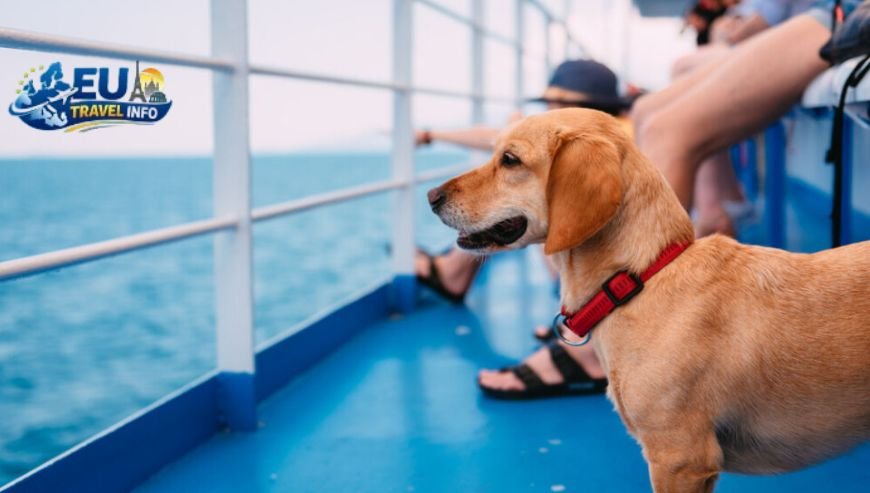
I hear this question all the time from fellow travelers. Can i take my dog on the ferry to france? The answer is a big, happy yes. Most major ferry companies are very welcoming to four-legged guests these days. You just have to follow their rules. There are plenty of ferries that allow dogs, but each one handles things a bit differently.
I have found that the options vary. Some let your dog stay in the car. Others have fancy lounges. Some even offer private cabins. Are there any ferries from uk to france that are better than others? Absolutely. I have seen the best and the worst of them. Additionally, I have realized that the right choice depends on your dog’s personality. A calm dog might be fine in the car for 90 minutes. An anxious pup might need you by their side in a cabin. Therefore, you must think about what your dog needs before you book that ticket.
The Paperwork: Your Golden Ticket to Europe
The paperwork is the most boring part, but it is the most important. I learned this the hard way. You cannot just show up at the port and hope for the best. First of all, you must visit your vet. I suggest you start this process at least 8 to 12 weeks before you plan to leave.
1. The Microchip
Your dog must have a microchip. This is a tiny chip under their skin with a 15-digit number. Here is a very important tip: the microchip must be put in before the rabies shot. If you do it the other way around, the shot does not count. You would have to start all over again. The chip usually costs between £15 and £30. It only takes five minutes at the vet.
2. The Rabies Shot
Every dog needs a rabies vaccination to enter France. After the shot, you have to wait at least 21 days before you can travel. I always mark this on my calendar in red. The shot usually costs between £30 and £60. It is often valid for three years, so you do not have to do it every single trip.
3. The Animal Health Certificate (AHC)
Since the UK left the EU, things have changed. You used to have a pet passport. Now, most of us need an Animal Health Certificate.
- You must get this within 10 days of your trip.
- It costs between £100 and £150 on average.
- It is only good for one trip into the EU.
- However, it stays valid for 4 months of travel within Europe and for your return to the UK.
I found a great tip from some fellow travelers. If you travel a lot, you can get an EU Pet Passport from a vet in France. It costs about €60 and lasts for life. This saves a lot of money on those AHC fees. On top of that, it makes the uk to france ferry with dog experience much smoother.
4. The Tapeworm Rule
This is for dogs only. Cats do not need this. Before you come back to the UK, a French vet must give your dog a tapeworm pill. This must happen between 1 and 5 days (24 to 120 hours) before you arrive back in England. I always book a vet in France a few days before my return ferry. It usually costs about €20 to €40.
Moving on from the legal bits, let us talk about the actual journey.
Choosing the Best Route for Your Furry Friend
I have tried several different routes. Each has its own vibe. Some are fast. Some are like mini-cruises.
Dover to Calais or Dunkirk
This is the classic choice. It is the busiest route.
- DFDS, P&O, and Irish Ferries all sail from Dover.
- The trip to Calais takes about 90 to 100 minutes.
- The trip to Dunkirk takes about 2 hours.
I usually prefer DFDS for this route. Passengers in a recent survey gave them better scores for cleanliness and space compared to P&O or Irish Ferries. However, P&O now has a Pet Lounge. I have heard mixed things about it. Some travelers like Landy Andy say it can be a bit of a mess with too many barking dogs in a small space. On the contrary, Riverbankannie loved it because each dog had a little private area. It really depends on the day.
Newhaven to Dieppe
I love this route for its flexibility. It is the only uk to france ferry with dog that easily allows foot passengers to bring pets.
- The crossing takes about 4 hours.
- It costs about £30 per pet.
- You can use free kennels on the vehicle deck.
- Alternatively, you can book a pet-friendly cabin for about £40 to £60.
I heard a rumor that dog-friendly cabins might be coming to this route in January 2026. That would be a game changer. The port at Dieppe is quite quiet. It is a nice alternative to the chaos of Calais.
The Western Routes (Plymouth and Portsmouth)
If you want a more relaxed start to your holiday, look West. Brittany Ferries runs these routes.
- Plymouth to Roscoff was rated the best ferry trip by passengers.
- Portsmouth to Caen or St Malo are also great options.
- These trips are longer, often 6 to 11 hours.
Because these trips are long, I always try to book a pet-friendly cabin. I do not like leaving my dog in the car for 11 hours. These cabins have hard floors and are usually near a dog exercise area. First of all, you must book these early. They sell out very fast.
Where Does Your Pet Stay? The Three Big Options
I have tried all three ways of traveling with a pet. Here is my honest take on each one.
1. Staying in the Vehicle
This is the most common choice for short trips.
- The Good: Your dog is in their own space. They have their bed and their smells. It costs nothing extra beyond the basic pet fee.
- The Bad: You cannot visit them during the crossing. The car deck is closed for safety.
- My Tip: I always leave the windows open a little bit. I also make sure they have a non-spill water bowl.
2. Onboard Kennels
Some ferries have a “Dog Hotel” area.
- The Good: The crew checks on them regularly. It keeps your car clean.
- The Bad: It can be very noisy. Other dogs barking might stress your pup out.
- My Tip: I put a familiar blanket in the kennel. The smell of home helps a lot.
3. Pet-Friendly Cabins
This is the gold standard for Dog Friendly Ferries from the UK to France.
- The Good: You stay together. You can sleep, and your dog can relax right next to you.
- The Bad: It costs more. Expect to pay an extra £40 to £60.
- My Tip: I bring my own dog bed even in the cabin. The ferry provides a floor, but a bed makes it cozy.
Statistical Look at the Costs
I know budget is important. Travel is not cheap these days. Here is a breakdown of what I usually spend for a single trip with one dog:
| Item | Estimated Cost |
| Microchip | £15 – £30 |
| Rabies Vaccination | £30 – £60 |
| Animal Health Certificate | £100 – £150 |
| Ferry Pet Fee (Return) | £30 – £60 |
| Tapeworm Treatment (France) | £20 – £40 |
| Total for First Trip | £195 – £340 |
Gradually, the costs go down. If you have a passport and your dog is already chipped, a return trip might only cost you about £120 in total for the pet fees and the tapeworm pill.
My Top 7 Tips for a Stress-Free Crossing
I have made plenty of mistakes so you do not have to. Here are my best tips for a smooth ferry from france to england with dog or vice versa.
1. Exercise is Everything
A tired dog is a calm dog. Before I get to the port, I find a big park. I let my dog run for at least 30 minutes. I want them to be ready for a long nap as soon as we board the ship.
2. Skip the Big Breakfast
I never feed my dog a large meal right before the ferry. Motion sickness is real for pets too. A light snack a few hours before is much better. I keep the water flowing, though. Hydration is key.
3. Pack a “Doggy Travel Bag”
I always have a bag ready. It includes:
- Their favorite blanket.
- A few “high-value” treats.
- A chew toy to keep them busy.
- Plenty of poop bags.
- Their paperwork (I keep this in a waterproof folder).
4. The Muzzle Rule
I was surprised by this one. Brittany Ferries often requires dogs to wear a muzzle when walking through the ship to a cabin or exercise area. Even if your dog is a sweetheart, you should bring one. They are quite strict about it.
5. Check the “Dog Decks”
Most ferries that allow dogs have a small area for “business.” I have seen some that are just metal decks with a hose. Others have a bit of fake grass. I always carry a bottle of water to rinse the area if my dog uses it. It is just polite.
6. Stay Calm Yourself
Dogs are like mirrors. If I am rushing and shouting, my dog gets worried. I try to keep my voice low and happy. I tell them they are a good dog about a hundred times. It works wonders.
7. Arrive Early
Port staff need extra time to check your pet’s papers. I always arrive at least 90 minutes before the ferry leaves. If you are a foot passenger on the Newhaven route, you actually check in at the vehicle lanes, not the main desk.
The Arrival: Welcome to France!
The moment the ramp goes down, you are in France. The air smells like salt and fresh bread. But the journey is not quite over.
Border Control
A French officer will look at your dog’s papers. They might scan the microchip to make sure it matches the AHC. In my experience, this only takes about 5 minutes if everything is in order. If your papers are wrong, they will not let the dog in. That is a nightmare you want to avoid. Therefore, I triple-check every date and signature before I leave home.
The First Potty Break
Your dog has likely been holding it for several hours. In Dieppe, there is a small grass area near the port. In Calais, it is a bit more industrial, so you might need to drive a few minutes to find a good spot. I always make this my first stop.
French Rules
France is very dog-friendly. I love taking my dog to cafes. Most outdoor seating areas welcome pets with open arms. However, you must keep them on a lead in public. Also, always pick up after them. The fines for not using poop bags can be quite high.
The Journey Home: The Return Leg
Coming back is just as important. The ferry from france to england with dog has its own rhythm.
Finding a Vet in France
I usually ask my hotel or use Google Maps to find a “Vétérinaire”. Most of them speak some English and know exactly what you need for the “UK tapeworm treatment”. They will give the pill, stamp your AHC or passport, and you are ready to go.
The Short Trip Trick
If you are only going to France for a weekend (less than 5 days), you can actually get the tapeworm treatment from your UK vet before you even leave. This saves you from finding a vet in France during your holiday. It is a brilliant time-saver.
Is the Ferry Better than the Tunnel?
I often weigh up the ferry against the LeShuttle (Eurotunnel).
- The Tunnel: It is fast (35 minutes) and you stay in the car with your dog. It is very low stress. However, it is often more expensive. Plus, you do not get those lovely sea views.
- The Ferry: It feels more like a holiday. You can get a coffee, stretch your legs, and enjoy the ocean. It is usually cheaper too.
FAQ
Can I take my dog on a ferry from the UK to France?
Yes, dogs are welcome on all major ferry routes between the UK and France. Operators including P&O Ferries, Irish Ferries, DFDS Seaways, Brittany Ferries, and Condor Ferries allow pets on their vessels.
Can I travel with my dog from the UK to France?
Yes, you can travel with your dog using a vehicle on most ferries or the Eurotunnel. For those without a car, the DFDS Newhaven-Dieppe route is the only ferry between England and France that currently allows foot passengers to bring pets.
Which ferries are dog friendly?
Ferry companies operating dog-friendly routes to France include P&O Ferries, Irish Ferries, DFDS Seaways, Brittany Ferries, and Condor Ferries. Specific “pet-friendly” features like cabins or lounges vary by ship and route.
Is the ferry to Calais pet friendly?
Yes, the Dover to Calais route is pet-friendly. P&O Ferries offers a dedicated dog lounge, and Irish Ferries provides a “Pet Den Area” where owners can stay with their leashed pets. DFDS also allows pets on this route, though they must remain in the vehicle.
Can I take my dog on Eurostar from London to Paris?
No, pets are currently not allowed on Eurostar trains between London and European destinations.
Do Brittany Ferries have dog friendly cabins?
Yes, Brittany Ferries offers pet-friendly cabins on several routes, including Portsmouth to Caen, Cherbourg, and St Malo, as well as Plymouth to Roscoff. These cabins are very popular and often book up quickly.
Do dogs have to stay in the car on a ferry?
It depends on the operator and the ship’s facilities. On some routes, such as those operated by DFDS from Dover, pets must remain in the vehicle. On others, you may book a kennel, a pet-friendly cabin, or access a pet lounge.
Which airlines allow pets in cabin in the UK?
A limited number of airlines, such as Air France, allow pets to travel in the cabin on flights departing from the UK. However, pets are not permitted to fly in the cabin on return flights into the UK; they must travel as cargo instead.
How much does a UK dog passport cost?
UK pet passports issued after January 1, 2021, are no longer valid for EU travel. Instead, you must obtain an Animal Health Certificate (AHC), which typically costs between £100 and £150 per trip. If your pet has a UK passport issued before 2021, it remains valid at no extra cost.
Where do dogs go to the toilet on a ferry?
Most ferries with pet facilities provide designated exercise or toilet areas. These may consist of metal decks with hoses for rinsing or “astro turf” areas.
How to bring a dog on a ferry?
You must declare your pet when booking and pay a fee. Ensure you have a microchip, up-to-date rabies vaccination, and a valid AHC or EU pet passport. At the port, you will check in (usually 90 minutes early) for document and microchip verification before boarding.
What is the longest ferry ride from the UK?
Among routes to the continent, the journey from Portsmouth or Plymouth to Santander in Spain is one of the longest, taking approximately 20 hours.
Which is cheaper, ferry or Eurotunnel?
Ferry crossings are generally more affordable than the Eurotunnel (LeShuttle). However, the Eurotunnel is faster and allows you to stay with your pet in your vehicle.
How much does it cost to take a dog on the ferry?
Ferry pet fees typically range from £15 to £35 per pet, each way. Additional costs apply if you book a pet-friendly cabin (£40–£60) or a pet lounge (approx. £12).
Does Stena Line accept dogs?
Yes, Stena Line accepts dogs and offers pet-friendly cabins and kennels. However, they do not operate routes between the UK and France; their primary route to mainland Europe is from Harwich to Hook of Holland.
Concluding words
Traveling with a dog from the UK to France is a manageable process with multiple ferry options available through operators like Brittany Ferries, DFDS, and P&O. Success depends on early preparation—ideally 8 to 12 weeks in advance—to secure necessary health documentation such as microchips, rabies vaccinations, and Animal Health Certificates.
While facilities range from basic “stay-in-vehicle” options to comfortable pet-friendly cabins and lounges, pet owners must carefully check the specific requirements of their chosen route to ensure a stress-free journey for their furry companions.