I have spent many years wandering across the globe, but nothing beats the charm of a train ride through the European countryside with my best friend by my side. My dog, a lively companion who has seen 33 countries with me, loves the rhythm of the tracks as much as I do. You might wonder, are dogs allowed on trains in Europe? The answer is a loud and happy yes most of the time. Trains are scenic and offer way more space than a cramped airplane cabin. Plus, they are often much faster than flying once you count the time spent at airport security.
First of all, I want to share that Europe is dog friendly in ways that will surprise you. You can take your pup into shops, pubs, and even some fancy restaurants. However, the rules for the iron road can be a bit of a puzzle if you do not know where to look. I have gathered the details on the 20 Best Dog Friendly trains europe to help you plan your next big tour. Whether you want a quick city hop or one of the luxury dog friendly sleeper trains europe, I have the inside scoop for you.
Trenitalia (Italy)
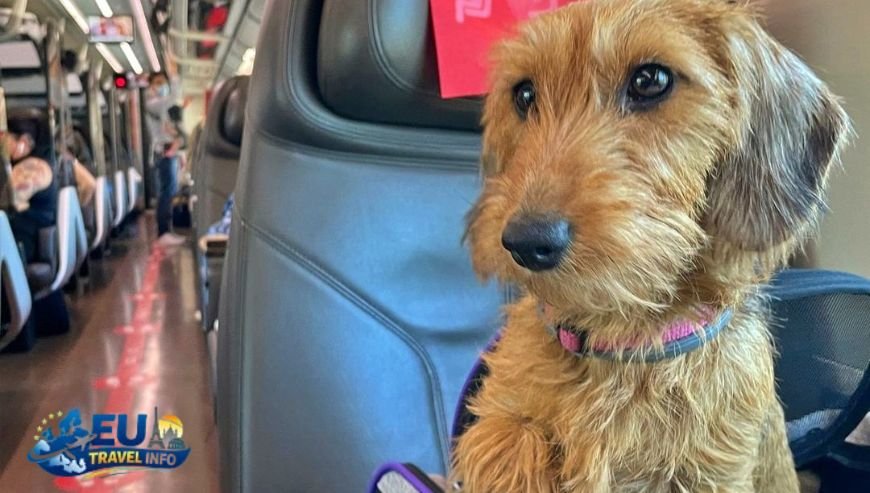
Italy is a dream for pet owners. Can dogs ride on trains in Europe? In Italy, they definitely can. Small dogs travel for free if they stay in a carrier that is no bigger than 70 x 30 x 50 cm. If your dog is a big fellow, he can still come along on all national trains. You just need to keep him on a leash and make sure he wears a muzzle. Additionally, the price is amazing. You pay only €5 from Sunday to Friday, and on Saturdays, it is just €1. That is a huge win for your wallet.
Deutsche Bahn (Germany)
Germany has some of the most efficient tracks in the world. Dog friendly countries in Europe like Germany make travel easy because their national operator, Deutsche Bahn (DB), is very welcoming. Small pets that weigh less than 10 kg travel for free in a closed carrier. For larger dogs, you must buy a half-price ticket for long trips. I always remember to bring a muzzle because the staff can ask you to leave if you do not have one. Though the rules say dogs must be muzzled, I have seen many people get away with just having one ready in their pocket.
SNCF (France)
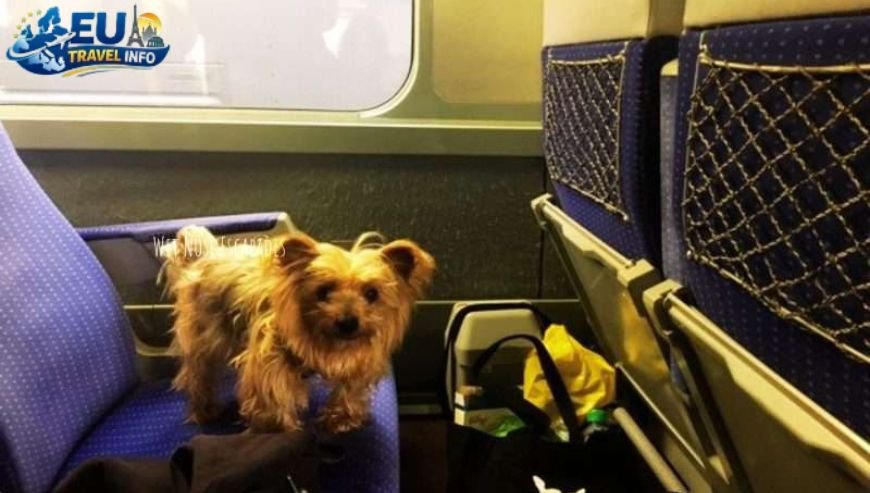
France is another top pick for a pet friendly trains europe experience. Small pets under 6 kg pay a small flat fee of about €10 and must stay in a carrier. Larger dogs pay the same €10 fee on most TGV and Intercity trains as of recent rule changes. Previously, large dogs paid half of a second-class fare, so this new flat rate is quite a bargain. Do not forget that your dog must stay at your feet and wear a muzzle during the whole ride.
Renfe AVE (Spain)
For a long time, Spain was a tough place for big dogs. Which european countries are dog friendly? Spain is getting better! For many years, only dogs under 10 kg were allowed. However, Renfe now allows dogs up to 40 kg on specific high-speed AVE routes. These include lines between Madrid and cities like Barcelona, Malaga, and Valencia. You must arrive 40 minutes early to show your papers and collect a special mat for the floor.
ÖBB Nightjet (Austria)
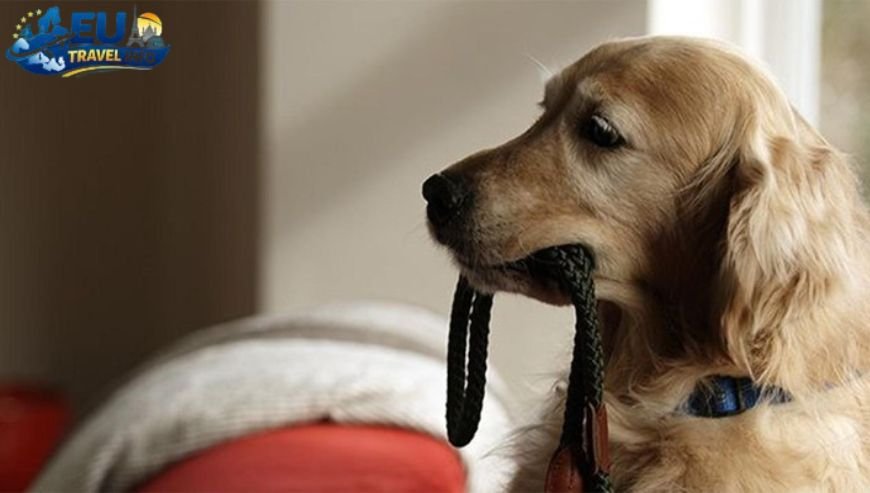
This is one of the dog friendly sleeper trains europe has to offer for overnight fans. You can travel while you sleep, but there is a catch. You must book an entire private compartment for you and your dog. Small animals in containers travel for free, but larger dogs need a ticket that you can buy on the train or by phone. It is a cozy way to wake up in a new city without the stress of a morning flight.
European Sleeper (Brussels to Berlin)
If you want a truly luxury dog friendly sleeper trains europe vibe, check out the European Sleeper. It connects Brussels and Berlin with stops in Amsterdam. You must book a private compartment to bring your furry friend. Your dog must stay on the floor, and cats must stay in their carriers. There is no extra charge for your pet on this service, which is a fantastic bonus.
SBB (Switzerland)
Switzerland is famous for its mountain views. Small dogs up to 30 cm tall at the shoulder travel for free in carriers. If your dog is taller, you must pay half the second-class fare. You can even get a “Day Pass Dogs” if you plan to spend the whole day hopping on and off trains in the Alps. The scenery is breathtaking, and my dog loves the fresh mountain air at every stop.
SJ (Sweden)
Sweden has special sections of the train just for pets. When I book a ticket on an X2000 train, I always make sure to select the “pets allowed” section in second class. You cannot take pets into first class here. It is a very organized system that ensures everyone is comfortable.
NS (Netherlands)
The Dutch rail system is very simple. Small dogs that can sit on your lap or fit in a bag travel for free. For a larger dog, you simply buy a “dog day-ticket” which costs only €3.30. This ticket works all day on domestic trains, making it very easy to explore the whole country.
Thalys / Eurostar Red (Continental Europe)
Wait, did I not say Eurostar bans dogs? Yes, but only on the routes to London. On the continental lines between Belgium, France, Germany, and the Netherlands, dogs are very welcome. Small pets under 6 kg in carriers travel for free. Larger dogs pay a flat fee of €30. Just remember that they must be leashed and muzzled.
EuroCity (International Routes)
These trains often cross borders between places like Germany, Austria, and Italy. Most of them follow the standard rule where small dogs are free and large dogs pay a child’s fare. I find these trains very spacious for my dog to stretch out under the table.
PKP Intercity (Poland)
Poland is a hidden gem for travelers with pets. You can take your dog on most Intercity trains for a small fee. You must have a valid rabies vaccination record ready to show. At that time, I noticed the staff was very friendly and even offered water to my pup.
MÁV-START (Hungary)
In Hungary, dogs are allowed in second-class carriages but generally not in first class. You should buy a specific dog ticket at the station. Though they are strict about first class, the second-class seats are plenty comfortable for a long ride to Budapest.
National Rail (United Kingdom)
The UK has some of the best rules for dogs. You can take up to two pets for free on any train. They just must be on a lead or in a carrier. You only have to pay if you want to use a sleeper train like the Caledonian Sleeper to Scotland.
Irish Rail (Ireland)
Ireland is a bit more restrictive. On most trains, large dogs must travel in the guard van rather than the passenger carriage. However, small dogs in carriers are allowed on your lap for free. It is a bit different from the rest of the EU, so plan ahead if you have a big dog.
DSB (Denmark)
Denmark follows the Scandinavian trend of having set areas for dogs. I always look for the dog symbol on the carriage door before I board. Small dogs are free, and larger ones pay a child’s fare.
VY (Norway)
Norway is incredibly scenic. Like Denmark and Sweden, they have designated pet zones. Large dogs need their own ticket, and you should check if a muzzle is required for your specific route, though it is often not mandatory there.
Italo (Italy)
This is a private high-speed train company in Italy. They are very pet friendly. They even provide a comfy mat for your dog to sit on during the journey. You can book your pet ticket online or through their app, which makes it very convenient for modern travelers.
Iryo (Spain)
Iryo is a new high-speed competitor in Spain. They allow dogs up to 10 kg in carriers for a small fee. During the summer of 2024, they even tested a program for dogs over 10 kg on certain routes for €40. It is great to see more options opening up in Spain for us.
Ouigo (France & Spain)
Ouigo is a low-cost option. You can add a pet to your booking for about €10. They allow up to two pets per passenger as long as they are in carriers. It is a budget-friendly way to see the continent with your best friend.
Essential Rules for Every Train Trip
Regardless of which train you pick, some rules are almost always the same. Are dogs allowed on trains in Europe without a ticket? Only the tiny ones in boxes.
- Small Dogs: If they fit in a carrier (usually around 45 x 30 x 25 cm), they often go for free or a tiny fee.
- Large Dogs: They almost always need a leash, a muzzle, and a ticket.
- Seats: Dogs are never allowed to sit on the actual seats. I bring a small blanket to lay on the floor so my dog can stay comfortable without breaking the rules.
- Dining Cars: These are strictly off-limits for all pets.
Preparing Your Dog for the Journey
Travel can be a bit scary for a pup who has never heard the loud hiss of train brakes. I recommend starting with very short trips. First of all, let them sniff the station and get used to the crowds. Later, try a 20-minute ride to a nearby town. If your dog gets motion sickness, talk to your vet about medicine before you go.
On top of that, you must pack a “doggy bag” for the train. I always carry:
- A portable water bowl.
- Plenty of treats to reward good behavior.
- Poop bags and cleaning wipes for accidents.
- A muzzle, even if I do not plan to use it.
The Documentation You Cannot Forget
You cannot just hop on a train and cross a border without the right papers. European trains with dog travel require an EU Pet Passport if you live in the EU. If you are visiting from the UK or elsewhere, you will need an Animal Health Certificate (AHC).
- Microchip: This is mandatory and must happen before the rabies shot.
- Rabies Vaccination: This must be done at least 21 days before you travel.
- Tapeworm Treatment: If you are heading to Finland, Ireland, or Norway, your dog needs a special treatment from a vet 1 to 5 days before you arrive.
Dealing with the UK Border Hurdle
One of the most frustrating parts of my travels is the Eurostar. Are dogs allowed on trains in Europe that go under the sea to London? Sadly, no. Eurostar only allows guide and assistance dogs on their trains to and from the UK. If you want to get from London to Paris with a pet, you have to get creative.
I usually take the Harwich to Hoek van Holland ferry. It is part of the “Rail & Sail” program. You take a train from London to the port, hop on a ferry with a pet-friendly cabin, and wake up in the Netherlands. From there, you can take a train to anywhere in Europe. Another option is a pet taxi through the Eurotunnel. You stay in the car with your dog, and it is very stress-free, though it can be a bit pricey.
The Magic of Sleeper Trains
Traveling overnight is my favorite way to cover long distances. Dog friendly sleeper trains europe allow you to save money on a hotel while you move toward your next destination. I have taken the Nightjet many times. Booking the whole compartment means my dog can sleep right next to my bed. Similarly, the European Sleeper is a fantastic new choice that makes the trip from Belgium to Germany feel like a luxury adventure. Just be sure to book these far in advance because the private rooms sell out fast.
FAQ
Which trains allow dogs in Europe?
Most national rail networks in Europe allow dogs, including SNCF (France), Deutsche Bahn (Germany), Trenitalia (Italy), SBB (Switzerland), and ÖBB (Austria). International high-speed services like Eurostar Red (formerly Thalys) and overnight services like Nightjet and European Sleeper also permit pets.
Do Eurostar trains allow dogs?
Eurostar trains traveling to or from London do not allow pets, except for guide and assistance animals. However, Eurostar Red services, which operate between Belgium, France, Germany, and the Netherlands, are pet-friendly.
Where to travel in Europe with your dog?
Dog-friendly travel is widely available in Austria, Belgium, Czech Republic, France, Germany, Italy, the Netherlands, and Switzerland. Scandinavian countries like Finland, Norway, and Sweden also have set areas on trains specifically for dogs.
Is Eurail dog-friendly?
The Eurail pass itself is a travel document, but the individual train operators it covers are generally dog-friendly. Since each carrier has its own rules regarding tickets, muzzles, and carriers, you must check the specific policy of the train company you are using.
Which European country is most dog friendly?
Finland is described as extremely dog-friendly, with pets frequently seen on all forms of public transport without muzzles. Slovenia and the Czech Republic are also noted for being highly accommodating to furry travelers.
Can I take a dog on a train in Germany?
Yes, Deutsche Bahn (DB) allows dogs on all its trains. Small pets in carriers travel for free, while larger dogs require a half-price ticket, must be kept on a leash, and are required to wear a muzzle.
How to travel in Europe with dogs?
Ensure your dog has a microchip, a valid rabies vaccination, and a European pet passport or an official animal health certificate. On the train, small dogs usually need a carrier to travel for free, while larger dogs often require a leash, a muzzle, and a discounted ticket.
Can dogs go on trains in Paris?
Yes, dogs are permitted on SNCF trains (TGV, Intercités, TER) and the Paris Metro and RER. Small pets in carriers pay a small flat fee (approximately €7-€10), and larger dogs on leads pay a reduced fare.
Can I take my dog to Amsterdam?
Yes, the Netherlands is very accessible for pets. Dogs can travel to Amsterdam via pet-friendly ferries from the UK (like Harwich to Hoek van Holland) and then continue on Dutch (NS) trains, where small dogs in carriers travel free and larger dogs pay a flat-rate daily fee.
Which country is the most dog friendly?
While many countries are accommodating, Finland stands out for its welcoming culture toward pets on public transport and in hotels. Italy is also noted for having relatively lax enforcement of muzzle and carrier rules in practice.
Are dogs allowed on sleeper trains in Europe?
Yes, dogs are allowed on sleeper trains like the ÖBB Nightjet and European Sleeper, but usually only if you book an entire private compartment for your party.
Do Swiss trains allow dogs?
Yes, SBB (Swiss Federal Railways) allows dogs of any size. Small dogs with a height of up to 30 cm travel for free in a carrier, while others must pay a second-class half fare.
How much does it cost for a dog on a train?
Costs vary: small pets in carriers are often free or pay a flat fee of €7 to €10. Larger dogs generally pay 50% of a standard fare or a child’s fare. Specific fees include €30 on Eurostar Red and €3.30–€3.70 for a dog day ticket in the Netherlands.
Concluding words
Traveling through Europe by train with a dog is a scenic and practical alternative to flying, with most major rail operators like SNCF, DB, and Trenitalia offering pet-friendly policies. While specific rules regarding tickets, muzzles, and carriers vary by country, the availability of pet-friendly cabins on overnight ferries and sleeper trains makes cross-border travel accessible for pets of all sizes.
By ensuring proper documentation like the EU Pet Passport and understanding individual carrier requirements, travelers can enjoy a stress-free adventure across the continent’s most dog-friendly destinations.