I recently set out on a journey to explore the third-largest city in the Republic of Moldova. This place is often called the northern capital. It is located about 127 kilometers north of the main capital, Chișinău. My goal was to see if Dog Friendly Travel in Bälti, Moldova was possible for a regular person like me. I have always loved travel in moldova. However, I knew that pet travel to moldova would require a lot of planning. Many people say this is the least visited country in Europe. That makes it a hidden gem for people who love unique tours. I want to share my full story with you.
The First Step: Getting to the Region
First of all, I had to figure out how to fly there. Air Moldova is the national airline. It is based in Chișinău. I found out that they allow small dogs and cats in the cabin. This is great news for those who want the best travel moldova experience. But there are strict rules. The dog and the carrier together must not weigh more than 17 lbs or 8 kg. The carrier size must be no bigger than 10 by 15 by 20 inches. I had to call them at least 24 hours before my flight to use a special code called PETC. On top of that, the fee for this service is €60 for each segment of the trip.
The airline does not allow pets on flights to or from Great Britain, Ireland, or Portugal. Therefore, you must plan your route carefully. My dog had to stay under the seat for the whole flight. It was a long journey. But I made sure my furry friend was clean and healthy. I also brought all the health and vaccination papers for the check-in.
Later, I learned about the travel to moldavia entry points. You can bring pets into the country through specific customs posts. These include places like the Chișinău International Airport and the Sculeni Customs Post. I chose the airport because it is the most common way to enter. Additionally, you can only bring a maximum of five pets for a non-commercial move.
The Official Rules and the Pet Passport
Before I left, I had to deal with the government rules. Moldova is not in the European Union, but it follows many EU rules for pets. First of all, my dog needed a microchip. It had to be a 15-digit chip that follows international standards. I made sure the vet put the chip in before the rabies shot. Plus, a tattoo is only okay if the vet did it before July 3, 2011.
The rabies vaccine is a huge deal. The pet must be at least four months old. The vaccine must be given at least 30 days before you arrive. Similarly, the vaccine must be valid when you land. For many countries, a rabies titer test is also required. A licensed vet must do this blood test more than 30 days after the shot. You must wait three months after the test before you can travel. This is a long time. However, it ensures your pet is safe from disease.
I also had to get a health certificate. My vet filled this out within 10 days of my trip. It includes details about vaccinations and parasite treatments. Although treatments for ticks and fleas are not required by law, the government recommends them. I did not want my dog to get sick. Therefore, I followed every suggestion.
Arrival in the Northern Capital
I finally made it to Bălți. The name comes from a Romanian word that means “puddles”. People believe the city got this name because it sits on a hill near wetlands. The city is quite large. It covers about 78 square kilometers. The landscape is hilly. There are three main hills and two small valleys. The river Răut and several smaller creeks flow through the area.
The weather here can be very different depending on when you visit. In August, it is very hot. The temperature can reach 38 °C or 100 °F. On the contrary, January is very cold. The lowest temperature ever recorded was −32 °C. I visited when the weather was mild. It was perfect for walking.
The population of the municipality is around 94,546 people. Most people speak both Romanian and Russian. I found the locals to be very kind. One time, a bus driver gave me directions and told me stories about the city. Another time, a shopkeeper opened her window just to sell me a mobile card. Such warm hospitality. It made me feel at home.
Where to Stay with Your Dog
Finding a place to sleep was my next task. There are not many pet-friendly hotels in Bălți, but the ones they have are decent. First of all, I looked at the Dbs Hotel. It is a motel located only 400 meters from the city center. It costs about $38 per night. This is a very cheap price for a central location.
Additionally, I found the White House Apart Hotel. This place is an aparthotel about 800 meters from the center. It has very high ratings from guests. The price starts at around $47 per night. It offers free private parking on site. One guest named Eriksson David said the rooms are large and the staff is very friendly to pets.
If you want a bigger space, you might like the Dream House. This is a holiday home with two bedrooms. It is about 1.9 kilometers from the center. It can hold up to six guests. The price is higher, starting at $104 per night. It has a garden and a balcony.
Finally, I heard about the Lidolux. It is a 3-star hotel right in the heart of the city. They allow pets on the property. The atmosphere is very warm. But you should always ask about the fees before you book a room.
Exploring the Culture and History
Bălți has a very long history. It was founded in 1620. The city’s coat of arms features an archer from the time of Stephen the Great. This archer represents the brave local peasants who defended the land. I saw the Monument of Stephen the Great, which was built in 2003. It is a very impressive statue.
The architecture in the city is quite interesting. The oldest building is a two-story house from 1609. It is right in the center of the city. However, it has been changed so many times that it looks a bit odd now. I also visited many churches. The Saint Nicolas Cathedral was built in 1795. It has a bit of a Catholic look because of the architect from Galicia.
Another beautiful spot is the Saint Constantine and Elena Cathedral. It was finished in 1934. It has a neo-Byzantine style. During the Soviet era, it was used as a museum and a storage place. Now, it is a place of worship again. I also walked past the Bishop’s Palace, which has a park around it.
The city is also a hub for theatre. The Vasile Alecsandri National Theatre is a major cultural center. It was named after a famous poet. I saw many people gathering there for entertainment. Bălți is truly the cultural heart of the north.
Getting Around with Your Pet
I had to use public transport to see everything. The city has trolleybuses, buses, and taxis. There are three main trolleybus lines. I saw many old Soviet-style trolleybuses and some newer ones from Belarus. The transport system is quite busy. In 2004, they moved 35.4 million passengers.
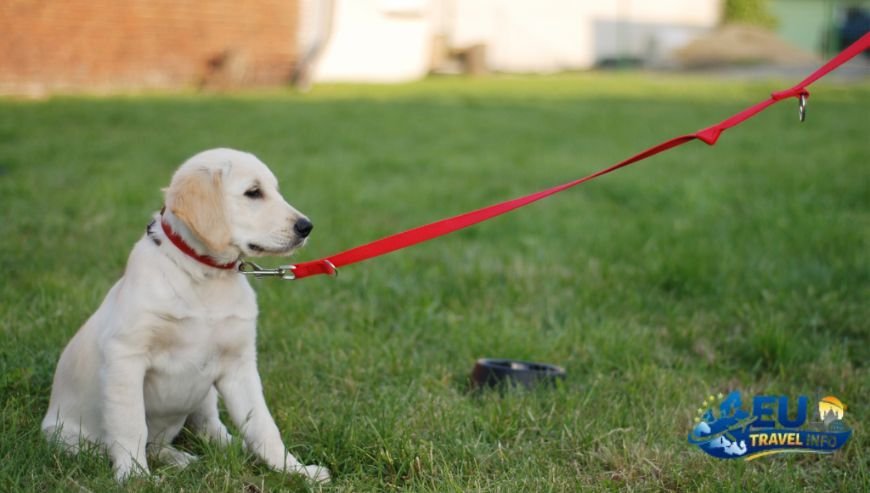
When you use public transport with a dog, you must follow the rules. Small dogs usually travel for free if they are in a bag or a transport box. If the dog is larger and stays on the floor, it must wear a muzzle and be on a lead. I brought a carrier backpack for my dog. This made things much easier.
I recommend avoiding the rush hour. It can get very crowded. You should keep your dog close to your legs so other people do not get disturbed. Also, always bring poop bags to keep the city clean. If you need a faster way to travel, there are many taxi companies. Most of them have a fixed fee for trips inside the city. It is very affordable.
Food, Shopping, and Daily Life
Eating in Bălți is a treat. I visited the central market early in the morning. There are so many fresh things to buy. I found fried potatoes, mushroom salad, and local grapes for a very low price. I paid about two and a half Euros for a whole bag of food. The city also has big supermarkets like Metro and Fidesco.
The food processing industry is very important here. They produce flour, sugar, and wine. Historically, the region was known for tobacco and orchards. I saw many beautiful apricot orchards in the valleys surrounding the city. It is a great place for a scenic walk with a dog.
However, I must mention the stray dog situation. Moldova has a lot of stray dogs on the streets. Some people say they are a problem because they can spread diseases. The government has even offered money to help eliminate them in the past. I saw packs of dogs near the markets. They sometimes harass people for groceries. You should be careful when you walk your own dog. It is best to keep your pet close and stay away from large groups of strays.
Medical Help and Pet Services
If your pet gets sick, there are vets in the city. The ClinicVet is located on Strada Conev. It is open and has good reviews. Another option is the Zoo-Doctor clinic on Mihai Viteazul Street. These places offer vaccinations and emergency care.
There are also pet stores if you need supplies. Zoomarket Matilda is a pet store near the maternity hospital. It is open every day, though the hours are shorter on Sundays. You can find food and other items for your companion there. Additionally, there is a store called ZooApis on Decebal Street.
The city also has several human hospitals. There is a big Republican hospital and a children’s hospital. This is good to know if you have an emergency. Gradually, I realized that Bălți has most of the services a traveler might need.
Frequently Asked Questions
- Which country is Bălți, Moldova?
- Bălți is a city located in the country of Moldova.
- Which country is Bălți?
- It is situated in Moldova.
- Is Bălți, Moldova worth visiting?
- Yes, it is considered a major cultural and commercial center known as the “northern capital”. Visitors can enjoy its vibrant atmosphere, art galleries, and scenic beauty, including apricot orchards and picturesque valleys.
- Does Moldova speak English?
- The primary languages are Romanian and Russian. While English is not the main language, specialized courses at the local university are offered in English, and some travelers suggest that locals are kind regardless of the language spoken.
- Is it safe to go to Moldova right now?
- Travelers generally describe Moldova as safe, clean, and functional. However, the country is mindful of the ongoing war in neighboring Ukraine.
- Is Moldova a rich or poor country?
- Moldova is frequently described as one of the poorest or least developed countries in Europe. Its economy relies heavily on remittances from migrant workers.
- What language is spoken in Bălți?
- The majority of the population is bilingual in Romanian and Russian, with some also speaking Ukrainian.
- What is the second largest city in Moldova?
- Bălți is widely recognized as the second-largest city in terms of population and area.
- What to do in Bălți, Moldova?
- You can visit the Vasile Alecsandri National Theatre, explore the Saint Nicholas Cathedral, or see the monument of Stephen the Great. The city also offers many parks, apricot orchards, and historical monuments for sightseeing.
- Is Chișinău cheap?
- Yes, Moldova is considered one of the most affordable countries in Europe for budget travelers.
- What is the nicest town in Moldova?
- While subjective, Bălți is often praised for its charming architecture, cultural heritage, and warm local hospitality.
- What is hello in Moldova?
- The national language is Romanian, where the common greeting is “Bună” or “Bună ziua”.
- Do they speak Arabic in Moldova?
- Arabic is not listed as a commonly spoken language; the primary languages are Romanian, Russian, and Ukrainian.
Concluding words
Traveling to Bălți, Moldova with a dog is highly manageable with proper planning regarding airline policies and import requirements. Air Moldova allows small pets in the cabin, provided they meet specific weight and carrier dimensions.
Visitors must ensure their dogs are microchipped, vaccinated against rabies, and accompanied by a health certificate to avoid quarantine. Once in the city, pet owners can stay at welcoming accommodations like the White House Apart Hotel or Dbs Hotel and enjoy walking through local parks and cultural sites.