

Imagine you are standing in the middle of a sunny Florida airport. You have your bags packed. You have your passport ready. A big question is on your mind. How Long Is A Flight To Europe From Florida? You want to know the answer before you board. It is a long way across the ocean. The air is warm in Miami or Orlando.
You are headed for the cool streets of London or the busy hubs of Germany. This guide will help you understand what to expect. You will learn about the hours you will spend in the sky. You will learn why some flights are faster than others. First of all, you need to realize that the time depends on where you start and where you finish. Additionally, the wind plays a huge role in your journey.
The Direct Route from Central Florida
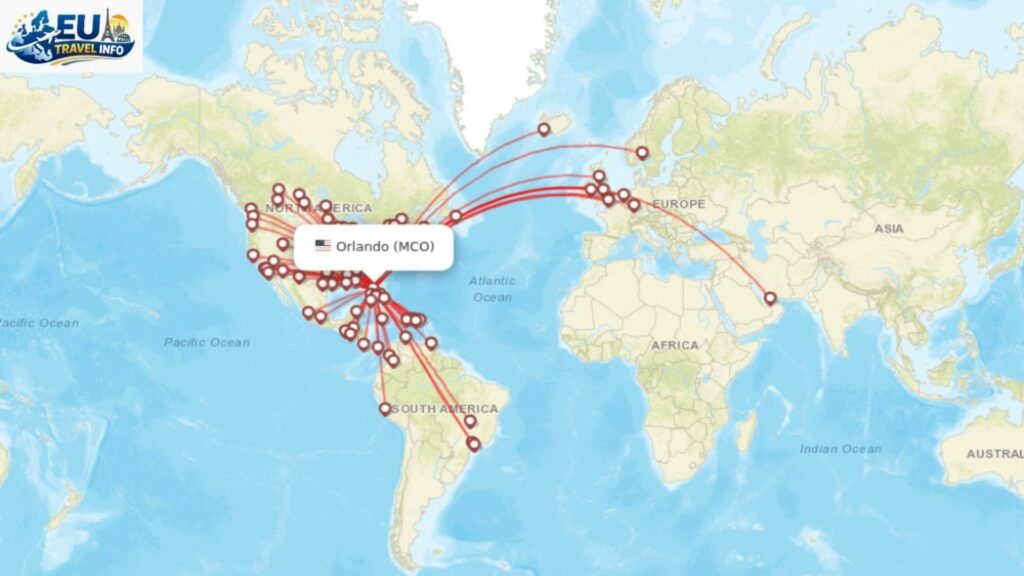
You might start your trip in Orlando. The airport there is known as MCO. If you choose a direct flight to Germany, you will likely fly with an airline like Lufthansa. This is a common choice for many travelers. How long is a flight to europe from florida when you go from Orlando to Frankfurt? The data shows that the journey to the east takes about 9 hours and 10 minutes. This is a long time to sit in a seat. However, the airline tries to make it nice for you. You get meals and drinks on board. You can also watch movies or read digital newspapers.
The return trip is different. You will find that it takes longer to come home. The flight from Frankfurt back to Orlando takes about 10 hours and 45 minutes. Why is there a difference? It is because of the wind. The wind usually blows from the west to the east. Therefore, it pushes the plane toward Europe. On the way back, the plane must fight against that wind. Plus, you have to think about the time you spend on the ground. The plane must move from the gate to the runway. This is called taxi-out time. At Frankfurt, the median time for this is about 13 minutes.
Flights from the South Florida Hub
Miami is another big starting point. This airport is called MIA. Many people wonder how long is a flight to europe when they leave from Miami. If you are going to London, you have many choices. A direct flight to London Heathrow takes about 8 hours and 50 minutes. Trip data suggests the average time for this route is 8 hours and 43 minutes. It is a bit shorter than the flight from Orlando because Miami is slightly further south and east.
You might also choose to fly to other parts of London. You could land at Gatwick, Luton, or Stansted. Some of these flights have stops. Additionally, you could fly to Iceland first. A flight from Miami to Keflavik takes about 7.7 hours. Later, you would take another short flight to mainland Europe. It is a good way to see a new place. However, it adds more time to your total trip. If you want the fastest way, you should look for direct flights. At that time, you will find that airlines like Virgin Atlantic or American Airlines offer these services.
The View from North Florida

You might live in Jacksonville. This airport is known as JAX. Right now, you cannot fly straight from Jacksonville to Europe. You must make at least one stop. This changes the answer to how long does it take to fly to europe. A typical trip from Jacksonville to Dublin, Ireland, takes about 9 hours and 26 minutes. This time includes the flight itself but does not always include the time you spend waiting at the middle airport.
The distance from Jacksonville to Dublin is about 4,000 miles. That is a lot of miles! You should bring a tablet or a book. American Airlines, Delta, and United all fly this route. They have many morning and afternoon flights. First of all, check your schedule carefully. A stop in New York or Atlanta is common. These stops can make your travel day feel very long. Similarly, you have to think about the taxi times at these busy hubs.
The Magic of the Jet Stream
You should know about a “river” of air in the sky. This is called the jet stream. It flows from west to east at high altitudes. Eastbound flights love this wind. It pushes the aircraft over the ground faster. How long is a flight to europe from florida can change based on how strong this wind is. In the winter, the jet stream is very strong. It can shorten your flight by 30 to 60 minutes.
One flight from Newark to Lisbon once took only 5 hours and 36 minutes because of this wind. A flight from New York to London took 5 hours and 46 minutes. These are very fast times! However, commercial planes do not go faster than the speed of sound. They just move faster over the earth because the air around them is moving too. Similarly, a boat moves faster when it flows with a river. On the contrary, the flight back to Florida will be slower. The plane must fly into the wind. It is like swimming against a strong current.
Understanding Block Time and Delays
Airlines use a term called “block time”. This is the time from when the plane leaves the gate until it arrives at the next gate. It includes three parts. First is the taxi-out phase. Second is the en-route or flight phase. Finally, there is the taxi-in phase. When you ask how long is a flight to europe from florida, you are usually asking about the block time.
The time you see on your ticket is a plan. But plans do not always work out. A delay happens when a planned event does not occur on time. About 30 percent of flights in Europe take longer than the scheduled block time. This is called a Block Time Overshoot or BTO. Additionally, airlines add a “buffer” to their schedules. This helps them stay on time even if there is a small problem. For example, a flight might be planned for 9 hours but only take 8 hours and 50 minutes. This gives the crew a little extra time. Therefore, you might arrive early sometimes.
The Role of Taxi Times
You might think the flight starts when the wheels leave the ground. That is not true for your schedule. You must count the time spent on the taxiway. At Miami International Airport, the median taxi-out time is 18 minutes. At Orlando, it is about 13 minutes. Some airports are much busier. New York JFK has a median taxi-out time of 31 minutes. Some flights there wait for more than an hour!
Later, when you land in Europe, you must taxi to the gate. This is called taxi-in time. At London Heathrow, the median time for this is about 7 minutes. At Paris Charles-De-Gaulle, it is 9 minutes. These minutes add up. Plus, you have to wait for the doors to open. All of these factors influence the total time you spend on the plane. Gradually, you will see that the actual time in the air is only part of the story.
Seasonal Changes and the Wind
The time of year matters for your travel. Wind speeds change with the seasons. Transatlantic flight times see big shifts. In the summer, a flight from London to New York might take 400 minutes. In the winter, that same flight might take 450 minutes. That is a 50-minute difference! Eastbound flights to Europe have less variation, but they still change.
Strong winter winds mean you might get to Europe much faster than you expected. This sounds good. However, it can be a “mixed bag” for some travelers. If you arrive too early, the airport might not be open yet. You might have to wait in the air. Also, you have less time to sleep on the plane. On top of that, the meal service takes up time. If the flight is too short, you might feel tired when you land. Therefore, a faster flight is not always better for your rest.
Technical Factors and Speed
Commercial jets are designed to fly at a certain speed. This is usually between 75 and 90 percent of the speed of sound. This is also known as Mach 0.75 to Mach 0.9. Airlines sometimes change their speed to save money on fuel. Fuel is a very high cost for them. In 2008, fuel was about 30 percent of their operating costs.
If fuel prices are high, an airline might choose to fly a little slower. A small drop in speed can save a lot of fuel. For example, one carrier saw a 1.3 percent drop in speed which added about 1.27 minutes to their flights. This does not seem like much. But over thousands of flights, it saves millions of dollars. Plus, flying slower helps the environment by burning less fuel. Similarly, you might drive slower on the highway to save gas in your car.
Preparing for Your Long Journey
You are now an expert on flight times. You know that a direct flight from Florida to Europe takes between 8.5 and 9.5 hours on average. You know that the return trip takes longer. You know the wind is your friend on the way there. First of all, make sure you are comfortable. Wear loose clothes. Drink plenty of water.
Check your flight status before you leave for the airport. Use apps to see if your plane is on time. Most airlines allow you to check in 23 hours before you depart. This saves you time at the airport. Additionally, pay attention to the baggage rules. Most long-haul flights give you a free allowance, but it depends on your ticket. Pack a power bank for your phone, but keep it in your carry-on bag. Finally, relax and enjoy the ride. Europe is waiting for you!
The Shortest Paths to the Continent
You might want the shortest possible flight across the ocean. Some of the shortest routes leave from the Northeast of America. A flight from Boston to the Azores takes only 5 hours and 5 minutes. A flight from Boston to Keflavik, Iceland, takes 5 hours and 10 minutes. These are much shorter than the flights from Florida!
If you do not mind a short connection, you could fly from Florida to a hub like Boston or New York first. Then, you take a very short flight across the Atlantic. This might be easier for some people who do not like sitting for 9 hours straight. However, remember that connecting flights add more risk for delays. One late plane can ruin your whole schedule. Therefore, many people still prefer the long, direct flight from Miami or Orlando.
Final Thoughts on Your Flight
The journey from the Sunshine State to the Old World is a big adventure. It is a long haul. It requires patience. But modern planes are safe and fast. You will cross thousands of miles of ocean while you eat a meal or watch a movie. The jet stream will likely push you along. You will see the sun rise over the Atlantic.
Wait for the moment the pilot says you are beginning your descent. That is a great feeling! You have traveled through time zones. You have crossed a vast sea. Whether you land in London, Paris, or Frankfurt, you have made it. The hours you spent in the air will soon be a memory. Your European vacation is about to start.
FAQ
How far is a flight from Florida to Italy?
A direct flight from Florida to Italy covers a huge distance. For example, Miami to Rome is approximately 5,000 miles. Most flights take between 10 and 11 hours. You will likely need to stop in a hub like New York or London if you depart from smaller Florida airports.
How many hours is it from Florida to Germany?
A direct flight from Orlando to Frankfurt takes about 9 hours and 10 minutes. The return flight is longer, taking around 10 hours and 45 minutes. If you fly from Miami to Munich or Frankfurt, the times are very similar.
How far is Florida to Europe?
The distance varies based on your destination. The flight from Jacksonville to Dublin is about 4,000 miles. A flight from Miami to London is also around 4,400 miles. Most major European cities are between 4,000 and 5,000 miles away from Florida.
What is the fastest flight from America to Europe?
The fastest recent subsonic flights were helped by a very strong jet stream. A United flight from Newark to Lisbon took only 5 hours and 36 minutes. A Virgin Atlantic flight from New York to London took 5 hours and 46 minutes. These are some of the quickest times ever recorded for standard commercial planes.
Concluding Words
A flight from Florida to Europe is a significant journey that usually lasts between 8.5 and 11 hours depending on your specific route. Eastbound trips are generally faster due to the push from the jet stream, especially during the winter months. You must also account for taxi times at busy airports and potential seasonal weather delays. By understanding block times and planning for a long-haul experience, you can ensure a smooth and enjoyable trip across the Atlantic.