

I recently decided to take my furry best friend on a grand adventure across the Atlantic Ocean. It was a massive project. I spent months researching the logistics. I wanted to know every detail. The most common question I had was: How much does it cost to Fly a Dog to Europe?.
I found out that the answer is not a single number. It is a puzzle of many parts. Most people spend between $1,500 and $5,000 to get a dog to another country. The final price depends on the size of the dog, the destination, and the mountain of paperwork required by different governments.
Can you fly a dog to europe? Yes, you certainly can. However, it is a complex process. I learned that I had to choose between three main ways to transport my dog. First of all, there is the in-cabin option. This is for very small pets. Additionally, there is excess baggage.
This is where the pet travels in the hold of the same plane you are on. Finally, there is manifested cargo. This is often the most expensive but also the most secure method.
Understanding the Three Methods of Flight
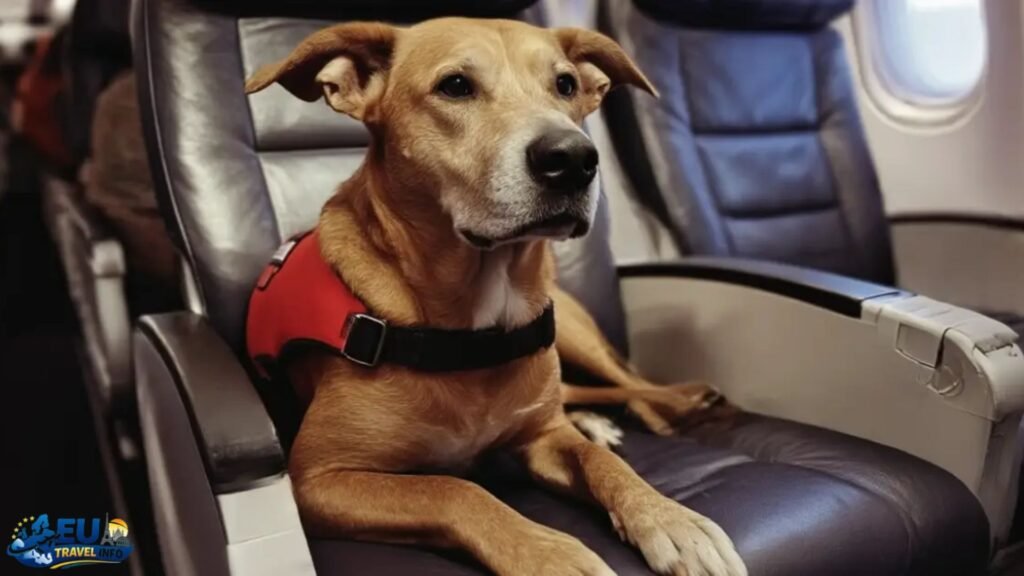
I discovered that the method of travel changes the dog international flight cost significantly. If your dog is small enough, it might fly with you in the cabin. This usually costs between $125 and $200 for each leg of the trip. Therefore, a round trip could cost $250 to $400 in airline fees alone. This is often the cheapest way to travel. On top of that, it allows you to keep an eye on your pet. Though, there are strict rules. The container must fit under the seat in front of you. This means the height is usually limited to about 8 inches.
If your dog is too big for the cabin, it must go in the hold. Excess baggage is an alternative where the dog travels like a suitcase. The cost for this is often nominal. It typically ranges from $50 to $150 per kennel. However, only the owner can make this booking. The airline takes no responsibility for the pet itself, only the container. At that time, I realized this might not be the best choice for a very long flight.
Manifested cargo is the third option. I found that the airline takes full responsibility for the pet during travel when you use this method. It is the most expensive means of transport. Plus, some countries only allow pets to enter this way. Great Britain is a major example. The dog international flight cost for cargo can range from $1,000 to $3,000. In some complex cases, it can even reach $6,000.
Choosing the Right Airline and Comparing Fees
I spent a lot of time looking at different airlines. I needed to see how much to fly a dog to europe using different carriers. I found that Alaska Airlines is often one of the cheapest options. They charge about $100 for an in-cabin trip. Similarly, Southwest Airlines charges a flat fee of $95 for domestic pets, but they do not offer cargo.
Later, I looked at the big international carriers. Delta Air Lines and United Airlines are very popular. Delta charges about $125 for in-cabin travel. Their cargo rates start at $300. United Airlines charges around $150 for in-cabin pets. Their cargo fees usually fall between $350 and $400.
On the contrary, luxury airlines like Qatar Airways or Turkish Airlines can be more expensive. Qatar might charge up to $500 for cargo. Turkish Airlines allows small dogs in the cabin for $150 to $250.
I noticed that prices have gone up lately. From 2023 to 2026, the average dog international flight cost rose by 15 to 20 percent. Therefore, it is vital to check for the latest airline pet fee updates before you book. I used an airline pet fee comparison chart to help me budget. I even found that some airlines offer loyalty points pet travel programs. JetBlue has a program called JetPaws that gives you bonus miles for booking a pet.
The Hidden Costs: Vet Bills and Paperwork
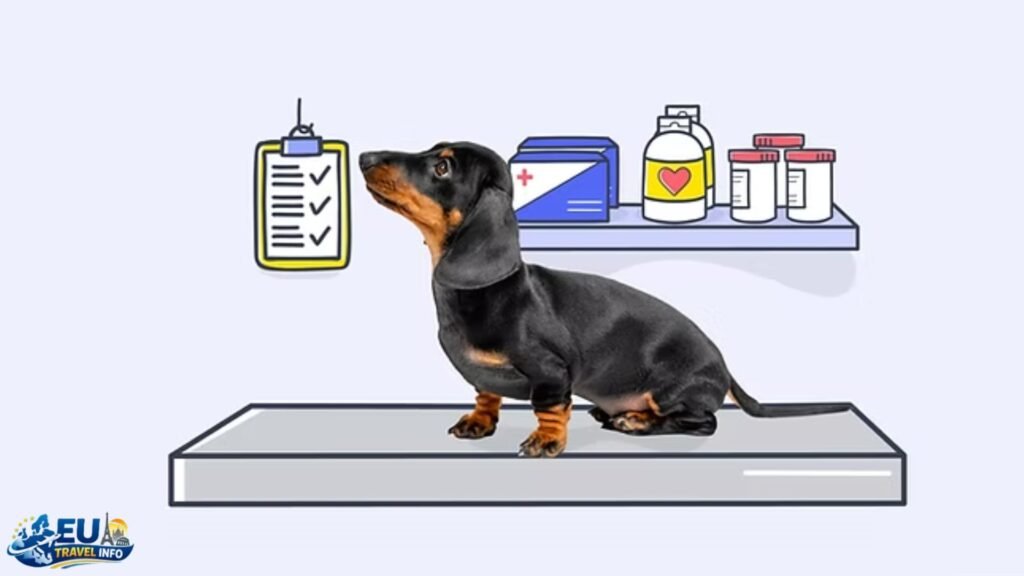
I quickly learned that the ticket is just the beginning. I had to ask: how much does it cost to take a dog to europe when you add in all the health requirements? Every country has different rules. I had to visit a USDA-approved vet to get an international health certificate. This certificate can cost between $75 and $250. Additionally, getting the document endorsed by the government costs money. The USDA endorsement fee is usually $38 if no laboratory tests are needed. However, if your dog needs many tests, that fee can jump to over $200.
First of all, my dog needed a microchip. This is mandatory for almost every country. The cost for a microchip is about $45. Later, I had to ensure all vaccinations were up to date. A rabies vaccine is a must. Most vaccines cost between $20 and $100 each. Some countries require a special rabies test called a FAVN or titer test. This test is expensive. It usually costs between $200 and $300. Gradually, I saw my budget growing.
I also had to think about the pet passport or the Animal Health Certificate (AHC). In the United Kingdom, they no longer use the old EU pet passport. Instead, I needed an AHC. The cost for an AHC typically ranges from £150 to £350. On top of that, I had to pay for a tapeworm treatment. This treatment must be given between 24 and 120 hours before you enter certain countries like the UK or Ireland. The treatment costs about $30 to $50.
Equipment and Gear: The Right Crate Matters
I realized that safe pet travel depends heavily on the crate. I had to find a crate that met IATA standards. This is very important. If you show up at the airport with the wrong crate, the airline will not let your dog board. Therefore, I had to measure my dog very carefully. I measured the length from the tip of the nose to the root of the tail. I also measured the height from the floor to the top of the head.
The crate must be big enough for the dog to stand, sit, and turn around naturally. I found that small soft carriers for the cabin cost about $50 to $90. However, large plastic crates for cargo are much more expensive. They usually cost between $350 and $495. If you have a dog with a strong jaw or a “dangerous” breed like a Pitbull, you might need a reinforced wooden crate. These custom crates can cost between $600 and $2,000. Also, they are very heavy.
I added several accessories to the crate. I needed water and food bowls that attach to the door. I also bought absorbent pads for the floor. Gradually, the crate became a safe space for my dog. I spent weeks training my dog to like the crate. I put treats and familiar blankets inside. Finally, my dog felt comfortable enough to sleep in it.
Destination Specifics: Europe vs. the Rest of the World
I focused my plans on Europe. how much does it cost to fly a dog internationally to the EU is generally between $1,500 and $3,000. This is because the paperwork is complex but manageable. On the contrary, countries like Australia or New Zealand are much more expensive. They often require a mandatory quarantine period. Quarantine can cost $50 to $200 every single day. Therefore, a trip to Australia could easily cost over $5,000.
In Europe, I had to be aware of the 15-week rule. Most EU countries want dogs to be at least 15 weeks old before they enter. They must have all their shots properly documented. Also, I found a great tip for traveling to the UK. The UK has very strict rules about flying pets into the country. They must arrive as manifest cargo. This is very expensive. However, I found that I could fly into a nearby city like Paris or Amsterdam. Later, I could take a pet taxi through the Channel Tunnel. This saved me money and allowed my dog to be with me in the car.
I considered the cheapest dog price in bangladesh just to compare costs. It is funny to think that buying a dog there might cost very little, but moving one to Europe is a high-end financial commitment. I spent about $2,000 just on the move for my medium-sized dog. Plus, I had to account for a $30 to $60 fee for pet travel insurance. This insurance is a good idea. It covers medical emergencies or delays during the trip.
Special Considerations for Snub-Nosed Breeds
I discovered that some dogs have a much harder time flying. Snub-nosed or brachycephalic breeds have short snouts. This includes Bulldogs, Pugs, and Boxers. These dogs are more prone to breathing issues. Therefore, many airlines have strict bans or rules for these breeds. Some airlines only allow them to fly during cooler months. Additionally, they often require a crate that is one size larger than usual to allow for more airflow.
I read that Alaska Airlines and American Airlines allow snub-nosed dogs in the cabin if they are small enough. However, they often ban them from the cargo hold. Lufthansa and Turkish Airlines allow them in cargo under specific temperature conditions. I found that working with a professional pet shipper is a smart move for these sensitive breeds. These experts know which routes are safest. Gradually, I realized that the safety of the pet is more important than the cost.
Budgeting and Saving Money

I used a simple formula to create my pet flight budget calculator. I added the airline fee, the cost of the crate, vet bills, and government paperwork. I also added about 25 percent more for hidden costs. First of all, I saved money by booking early. Booking three to four weeks ahead can lock in lower rates. Additionally, I chose a direct flight whenever possible. Every connection can add another fee or transfer charge.
I also looked into pet travel hacks. I learned that I could share a carrier for two small pets in some cases. Airlines like Alaska Airlines allow two kittens in one bag if they are under 20 pounds. This saves a second in-cabin fee. Plus, I checked if my credit card offered travel perks. Some premium cards reimburse pet airfare as part of their travel incidental fees. Finally, I joined loyalty programs like JetBlue’s TrueBlue Pets.
I found that the total cost to fly with a pet usually falls between $345 and $840 for a simple trip. However, for a typical international move, you should expect to spend between $1,900 and $3,300. If you have a very large dog or are going to a country with strict rules, the price can climb to over $8,000. Therefore, planning is essential. I kept a detailed pet travel checklist to stay organized.
Statistical Data Summary Table
| Expense Category | Estimated Cost (USD) |
|---|---|
| In-Cabin Airline Fee | $125 – $200 per leg |
| Manifested Cargo Flight | $1,000 – $3,000 |
| International Health Certificate | $75 – $250 |
| USDA Endorsement | $38 – $275 |
| Microchip Implantation | $45 |
| Rabies Titer Test (FAVN) | $200 – $300 |
| Soft-Sided In-Cabin Carrier | $50 – $90 |
| Standard Cargo Crate | $350 – $500 |
| Custom/Reinforced Crate | $600 – $2,000 |
| Pet Travel Insurance | $30 – $60 |
| Quarantine Fees (per day) | $50 – $200 |
| Professional Pet Shipper | $450 – $2,000+ |
FAQ
How much is it to fly a dog to Europe?
Total costs for European Union countries typically range between $1,500 and $3,000. However, if your dog is large or the paperwork is complex, you might spend over $5,000.
How much is an international ticket for a dog?
Most large airlines charge $125 to $200 for each leg of the trip if the dog is in the cabin. On the contrary, a ticket for the cargo hold often costs between $1,000 and $3,000.
How expensive is it for a dog to fly?
It is quite a high expense. You should expect to pay between $1,000 and $6,000 for international moves. Gradually, these costs add up because of flight fees, crates, and vet visits.
Which flights to Europe allow dogs?
KLM and Air France are popular choices because they allow pets under 8 kg in the cabin. Additionally, carriers like Delta, United, and Turkish Airlines offer pet transport services to Europe.
Can you bring a 70 lb dog on a plane?
Yes, but a dog of that size cannot stay in the cabin. The maximum weight for the cabin is usually 20 to 25 pounds. Therefore, a 70 lb dog must travel in the cargo hold.
Is flying stressful for dogs?
Yes, international travel is often a stressful experience for animals. The unique structure of certain airways can also make breathing harder during times of excitement or pressure changes.
Does Air France allow dogs?
Yes, they allow dogs. They permit pets under 8 kg in the cabin for a fee of about $215. Plus, they allow larger dogs to travel in the cargo hold.
Is it better to ship or fly a dog?
Manifest cargo, which is a form of shipping, is the safest option for flying animals on commercial airlines. It is often more secure because the airline takes full responsibility for the pet.
Is it safe for dogs to fly in cargo?
Yes, it is safe when you follow the rules. Cargo holds are pressurized and temperature-controlled just like the passenger cabin. Though, you must use a crate that meets IATA standards to ensure safety.
Can I buy an airplane seat for my dog?
No, you generally cannot buy a seat for a regular pet. The dog must stay in a carrier that fits under the seat in front of you. However, certified service dogs are sometimes allowed by your side.
Do any airlines let dogs fly free?
No, airlines do not allow pets to fly for free. Only certified service animals travel without a standard pet fee. Every other pet requires a paid ticket.
Which airline is best for dogs?
Qatar Airways has an excellent reputation for pet friendliness. Similarly, Delta Air Lines is well-regarded because they have temperature-controlled holding areas and trained staff.
Where does my dog sit on the airplane?
Small pets sit under the seat in a soft carrier. Larger dogs stay in the cargo hold beneath the plane where it is heated and ventilated.
Are big dogs allowed on airplanes?
Yes, big dogs are allowed. First of all, they must be in the cargo hold because they are over the cabin weight limit. Finally, they require a rigid, IATA-approved crate for the journey.
Final Tips for a Smooth Journey
I wanted my dog to be as happy as possible. I scheduled a vet visit 10 days before my flight. This ensured I had the most current health certificate. At that time, I also asked my vet about calming chews. I avoided sedation. The combination of altitude and drugs can be fatal for some animals. Instead, I used natural calming methods. I also froze water in the crate bowl. This provided my dog with water throughout the flight without the risk of spilling.
I arrived at the airport early. I stayed with my dog until the very last moment. I made sure all the labels on the crate were clear. I used a “LIVE ANIMAL” sticker and “THIS WAY UP” labels. Gradually, I felt more confident. The staff at the airport were very helpful. They checked my paperwork and ensured the crate was secure.
I realized that flying with a dog is a big emotional and financial decision. Though the costs are high, the reward of having my best friend with me in a new country is priceless. I learned that the true cost of flying with pets goes beyond a single fee. It is about health, safety, and comfort. I am glad I did the research. Now, my dog is enjoying his new life in Europe. He loves seeing the different sights and meeting new furry friends.
In the end, preparing for a pet’s international flight is like building a custom house. You must measure every corner, follow every regulation, and prepare for unexpected costs to ensure that the final result is a safe and welcoming home for your most precious resident. Read more, How much does it cost to Fly a Dog to Europe?