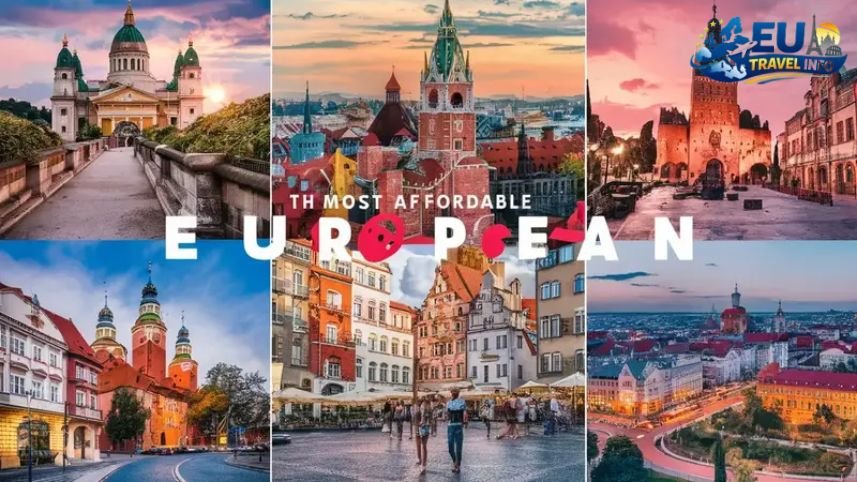
I have spent years of my life wandering through the old streets and beautiful landscapes of the European continent. It is a truly magical place where every corner seems to have a story to tell. You might think that a trip here during the warm months is too expensive for your budget. However, I am here to share that you can see the world without spending all your money if you follow the right path. I will show you how to travel Europe cheap in summer by using the same secrets I use for my own trips.
The Secret of Picking the Right Region
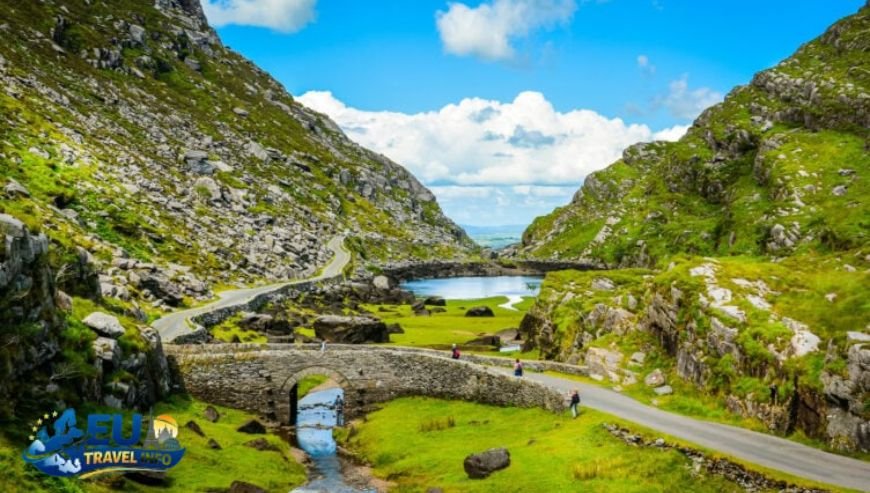
First of all, you must understand that Europe is divided into different price zones. Western countries like France, Switzerland, and the United Kingdom will drain your bank account very fast. On the contrary, Eastern Europe offers a great deal for your money and is full of amazing experiences. For example, the cost of living in Bulgaria is nearly half of what you would pay in France. Therefore, you should pick your destinations with care to make your money last longer.
Many travelers make the mistake of only visiting the most famous cities like Paris or Rome. Though these places are beautiful, they are often crowded and very pricey in the summer. I have found that “Second City” alternatives offer the same charm for a much lower cost. Additionally, the people in these less-visited spots are often more curious and open to a chat with you.
The Best Time to Visit: The Magic of the Shoulder Season
I always tell my friends that timing is just as important as the place you choose. The single most important way to save money on a trip is to avoid the peak months of July and August. During these two months, the heat is often too much and the crowds are thick. Instead, you should aim for the shoulder season. This is the sweet spot between the busy and quiet times.
In Europe, this season falls in the spring from late April to early June and in the autumn from early September to mid-October. I have seen prices for flights and hotels drop by 20% to 40% as soon as the school holidays end. For example, a week in Spain might cost £1,884 in July but only £1,337 in September. That is a saving of over £500 for two people. Plus, the weather is much more comfortable for walking around. Finally, you will find shorter lines at museums and better service at restaurants because the staff is not overwhelmed.
The Top 10 Cheapest Countries to Visit in Europe
I have put together a list of the top 10 cheapest countries to visit in europe based on my own travels and the latest data for the upcoming years. These spots are perfect for anyone who wants to see beauty without a high price tag.
- North Macedonia: This is perhaps the biggest hidden gem in Europe. I was blown away by the natural beauty and the history here. You can get by on a daily budget of about €30.
- Serbia: I can 100% recommend this country for its inexpensive food and great nightlife. It is one of the least-visited places, so you will not have to fight crowds. Expect to spend around €30 per day.
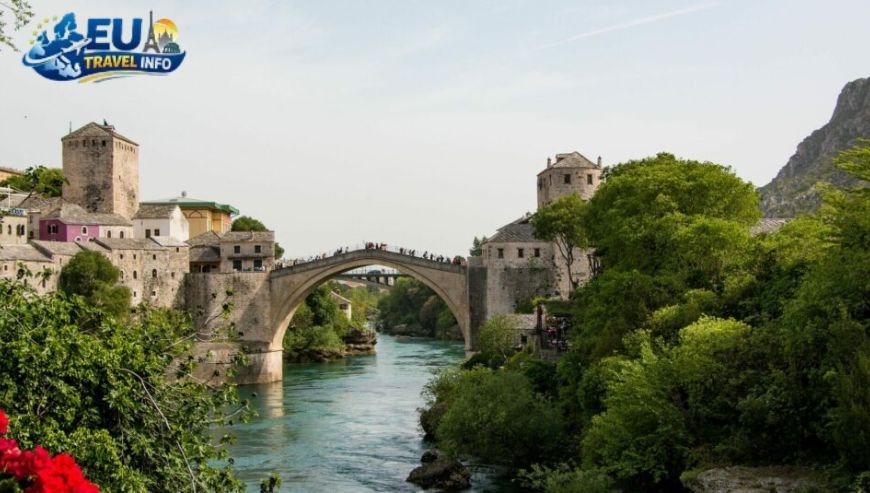
- Bosnia and Herzegovina: This country offers an intriguing blend of cultures and rocky mountains. Prices do not change much throughout the year, which is a great perk. A budget of €32 per day is usually enough.
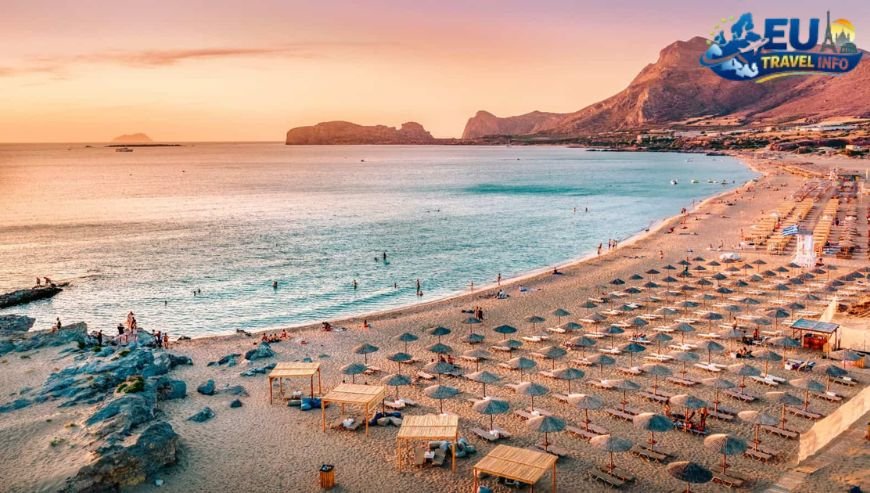
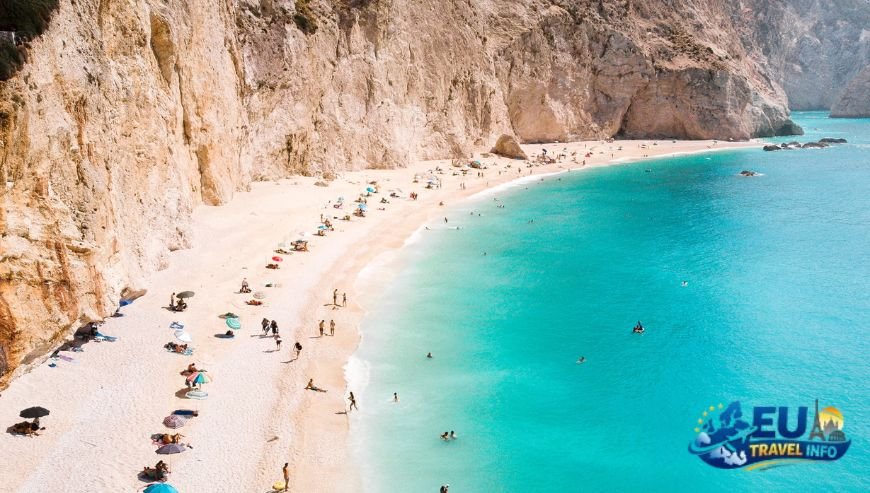
- Albania: This is one of the cheapest countries to visit in europe 2026. It has a winding coastline called the Albanian Riviera with dreamy beaches. It is a perfect cheap destinations in europe with beach for those who want to avoid the crowds in Greece. You only need about €35 per day.
- Montenegro: This small country has an astonishing landscape. It borders Croatia but is much more affordable. You can hike in Durmitor National Park or enjoy the Adriatic Sea. The average budget is €35 per day.
- Bulgaria: This country is often at the top of the list for value. It has gorgeous beaches on the Black Sea and affordable ski resorts for the winter. I suggest spending about €38 per day here.
- Romania: I have a soft spot for this big, beautiful nation. It has sandy beaches and the famous Transylvanian castles. It is very affordable at €40 per day.
- Hungary: I love the capital, Budapest, for its thermal baths and architecture. Outside the capital, things are even easier on your wallet. You can budget around €42 per day.
- Poland: This country is becoming a modern and exciting place to be. The cities of Kraków and Gdańsk are full of history and very budget-friendly. You will need about €45 per day.
- Croatia: Though it is getting more popular, the shoulder season is still very affordable. I once lived on the coast for a very low price by staying just outside of Split. Aim for a budget of €45 per day.
Detailed Guide to the 12 Cheapest Countries to Visit in Europe
If you have more time, I want to expand this to 12 cheapest countries to visit in europe to give you even more options. These extra spots are also high in value.
- Slovakia: This is a small and diverse nation in the center of Europe. The High Tatras mountains offer great hiking without the high prices of the Alps.
- Latvia: This is a lesser-known country that is great for a road trip. The capital, Riga, has incredible Art Nouveau designs and is one of the most affordable capitals.
Additionally, you might want to look at best summer destinations in europe 2026 like Georgia. I have heard from other travelers that it is one of the cheapest places to explore right now. The mountain scenery is spectacular and the wine is very cheap.
How to Get There and Move Around
I have learned that how you get around can make or break your trip budget. Flights are often the biggest cost. However, I use apps like Skyscanner or Google Flights to find the best deals. I suggest being flexible with your airports. For example, it might be cheaper to fly into Frankfurt and then take a bus to Paris.
The Power of the Bus
Taking the bus is often the cheapest way to travel europe with family or as a solo traveler. I frequently use a company called FlixBus. Their seats are comfortable and they have Wi-Fi. Some tickets even start as low as €5 if you book them early. Additionally, night buses can save you the cost of a night in a hotel.
Train Travel Tips
I love the train because it is more comfortable than a bus or a plane. You can walk around and see the beautiful scenery out of the large windows. Train stations are usually in the middle of the city center. This saves you time and money on taxis from far-away airports. I suggest using Trainline to compare prices between different companies. Booking at least a week in advance can save you 30% on your ticket.
Budget Airlines
By far the fastest way to cover long distances is to use budget airlines like Ryanair or Wizz Air. I have found flights for as little as €15. You must be very careful with their baggage rules, though. They will charge you a lot of money if your bag is too big or if you forget to print your boarding pass. I try to travel with only a small carry-on bag to avoid these fees.
Car Sharing and Rental Cars
I have also used BlaBlaCar to hitch a ride with locals. It is often faster than the bus and you get to meet interesting people. If you are traveling in a group, a rental car can be a good value. Four people sharing a car often pay less than four people buying train tickets. Just remember that gas in Europe is expensive.
Where to Stay Without Breaking the Bank
Accommodation is usually the largest part of a travel budget. However, there are many ways to keep these costs low.
Hostels and Budget Hotels
I find that hostels are the cheapest option, especially if you do not mind sharing a room. Many hostels now offer private rooms which are clean and safe but cheaper than hotels. In countries like Albania or Georgia, you can find a room for as little as $10 to $20 per night.
University Rooms
During the summer months, many university halls open their doors to travelers. I have stayed in central rooms in cities like Madrid or London for under £40 a night. These rooms are often very clean and professional. For example, in Valencia, you can get a room with internet and a fridge for around £26.
House Sitting
This is one of my favorite secrets for long trips. House sitting is an exchange where you look after someone’s home and pets while they are away. In return, you get to stay in their house for free. I have done this in many countries like Spain and Germany. You do have to pay a yearly fee for a website like Trustedhousesitters, but it pays for itself in just a few days. It is the best way to live like a local in a luxury home.
Eating Well on a Budget
I believe that the food is a huge part of the travel experience. You do not have to live on instant noodles to save money.
Lunch Deals
In many countries, lunch is the best time to eat out. In Spain, look for the Menu del Dia. It is a set-price meal that usually includes three courses, bread, and wine for about €10 to €15. Similarly, Italy has the Pranzo di Lavoro for about €12. I always look for a handwritten menu in the local language. If the menu is in many languages, it is likely a place for tourists with higher prices.
Street Food and Markets
I often eat street food when I am on the move. A Doner Kebab is a very filling meal that only costs around €4 to €6 in most cities. I also love visiting farmers’ markets. The food is high quality and much cheaper than in a restaurant. You can buy fresh bread, cheese, and fruit for a perfect picnic in a park.
Grocery Stores
I enjoy shopping at local grocery stores like Aldi or Lidl. Fixing your own meals is always your cheapest option. Additionally, many stores have prepared salads or sandwiches for about $5 to $9. I suggest buying a large bottle of water at the store and refilling it. Tap water is safe to drink in most of Western and Northern Europe, so you do not need to buy expensive bottles every day.
Free Sights and Activities
One of the best things about Europe is that many of the best experiences are free.
Free Museums and Tours
I suggest doing some research on free museum days. In London, many of the best museums like the British Museum are free every day. In Paris, many museums are free on the first Sunday of the month. Additionally, almost every big city has free walking tours. These are a great way to learn the history of a city for just a small tip to the guide.
Public Parks and Landmarks
I find that sitting in a beautiful square or wandering through an old church is often more memorable than a paid attraction. For example, walking along the Charles Bridge in Prague or sitting in the Retiro Park in Madrid does not cost a penny. I also love the “Coolcationing” trend of heading to the northern mountains like the Slovakian High Tatras to enjoy free nature hikes away from the summer heat.
Planning for 2026 and Beyond
I want to mention a few things for those planning their future trips. There are many travelling around europe packages that you can look into, but I usually prefer to book things myself to save more. If you are looking for the best summer destinations in europe for young adults, I recommend the party scene in Sunny Beach, Bulgaria or the hip vibe of Tirana, Albania.
Additionally, be aware of the new ETIAS visa waiver program if you are visiting in 2026. I also suggest getting an eSIM like Airalo or Holafly for your phone. It is much cheaper than paying for roaming from your home country. You can get a data plan for as little as $5.
FAQ
What is the cheapest European country to travel in summer?
North Macedonia is the most affordable country for a summer trip. I have found that you can get by on a daily budget of only about €30. This makes it a true hidden gem for those who want to save money.
What is the cheapest way to travel in Europe?
Buses are usually the most cost-effective choice for moving between cities. FlixBus is a favorite of mine because tickets often start as low as €5. Additionally, you should mix and match your travel modes to find the best deals for each specific leg of your trip.
Which part of Europe is the cheapest to visit?
Eastern Europe is the best region for budget travelers. Countries in this area are often much cheaper than Western or Northern hubs. Therefore, focusing your trip on the Balkans or the Baltic states will stretch your cash the furthest.
Is 1000 euros enough for 2 weeks in Europe?
Yes, it is enough for a budget-minded person. I have found that budget travelers typically spend between €50 and €80 per day. A total of €1000 for 14 days gives you about €71 a day, which is plenty for the cheaper regions.
Is $100 a day enough in Europe?
It is definitely enough for a comfortable trip. Mid-range travelers who want private rooms and good restaurant meals usually spend between €100 and €150 each day. If you stay in affordable spots like Albania or Serbia, $100 will go very far.
Which place is best for summer in Europe?
Albania is a perfect choice for a summer getaway. It is one of the sunniest countries on the continent and offers pristine beaches at low costs. Similarly, Bulgaria is great for summer because it has budget-friendly beach resorts on the Black Sea.
Which month is the cheapest to fly to Europe?
The off-season from January to March is usually the cheapest time for flights. However, if you want summer weather, you should book in the shoulder season months of May or September. Prices drop a lot during these times because the demand is lower.
Where is still cheap in Europe?
The Balkans and some Baltic nations remain very affordable. Albania, North Macedonia, and Serbia are excellent choices for low costs. On top of that, Riga in Latvia is currently one of the most budget-friendly cities for hotel stays.
Where is hot in June and cheap in Europe?
Albania is very warm in June and remains easy on your wallet. I also suggest looking at Bulgaria for its sunny beach resorts. These spots provide great weather without the high price tag of the French Riviera.
Which Schengen country is the cheapest?
Bulgaria is one of the cheapest countries within the Schengen area. It offers affordable ski resorts in the winter and beautiful beaches in the summer. It is widely considered one of the most cost-effective places to visit on the continent.
Is $5000 enough for a vacation?
It is more than enough for a long and luxury-filled trip. Since budget travelers can live on less than $80 a day, $5000 could last for several months. Even luxury travelers spending $200 a day would find this amount sufficient for a few weeks of high-end fun.
What is the most expensive country in Europe for tourists?
Switzerland and the United Kingdom are among the priciest places to visit. Additionally, cities like Paris and Rome can drain your budget quickly during the peak summer months. Therefore, you must plan carefully if you visit these areas.
What is the best way to pay in Europe?
Using an ATM to get cash often gives you the best exchange rate. I also recommend using credit cards that do not have foreign transaction fees. Plus, always pay in the local currency rather than your home currency to avoid extra markups.
Concluding words
Travel in Europe during the summer does not have to be a financial burden. You can save a lot by picking affordable destinations like the Balkans or Poland instead of pricey western capitals. Use intercity buses or book train tickets early to keep your transit costs low.
I also suggest traveling during the shoulder season in September to enjoy smaller crowds and much lower prices. Focus on free sights and eat like a local to make your adventure both authentic and cheap.