I often dream of the perfect vacation with my furry best friend by my side. You probably do too. Is France Dog Friendly? This is the first question I asked before I packed my bags for a long adventure across the Atlantic and through the heart of Europe. I wanted to see if is france a dog friendly country in reality or just in brochures. I discovered that the French have a massive reputation for their love of dogs. Additionally, France has one of the highest ratios of dogs to people in the entire world. I saw roughly 17 dogs for every 100 people during my travels. The total dog population sits at a staggering 10 million. French dog owners even view their pets as the most important thing in their lives. First of all, you should know that this country is a true haven for canines, but there are specific rules you must follow to avoid a fine.
The Arrival: Crossing the Border
My journey began with a lot of paperwork. I learned that every animal needs a microchip that meets ISO standard 11784 or 11785. If your dog has a different chip, you must bring your own scanner. On top of that, a valid rabies vaccination is mandatory. You must wait at least 21 days after the first shot before you can travel. However, any rabies jab given before the microchip is placed does not count. My vet had to issue an EU animal health certificate because I was coming from outside the European Union. This document is only valid if an official state vet signs it within 10 days of your arrival.
I wondered if air french dog is friendly for my flight. Airlines like them have strict size limits and fees. Small dogs can often stay in the cabin if they are in an approved soft crate. Larger dogs must go in the hold in a rigid crate that meets IATA standards. Therefore, you must check the specific breed policies and pet caps for your flight early. Gradually, I realized that the plane was the only way to get there. Many travelers from the United Kingdom use the Eurotunnel LeShuttle, which takes only 35 minutes to cross from Folkestone to Calais. You can stay in your car with your dog the whole time. Later, I found out they even have dedicated dog exercise areas and a pet reception.
Exploring the Capital: is paris france dog friendly?
Paris is the City of Love, and I found it is a great place to love your dog. Though people say Paris is the capital of dog-friendliness, my experience was mixed. I could bring my dog into many small bakeries for a daily croissant without a single complaint. On the contrary, huge signs in many local parks stated that dogs were not allowed. First of all, you should know that until early 2019, dogs were banned from almost all public parks in Paris. Gradually, rules changed. Now, well-behaved dogs on leashes can enter some parks.
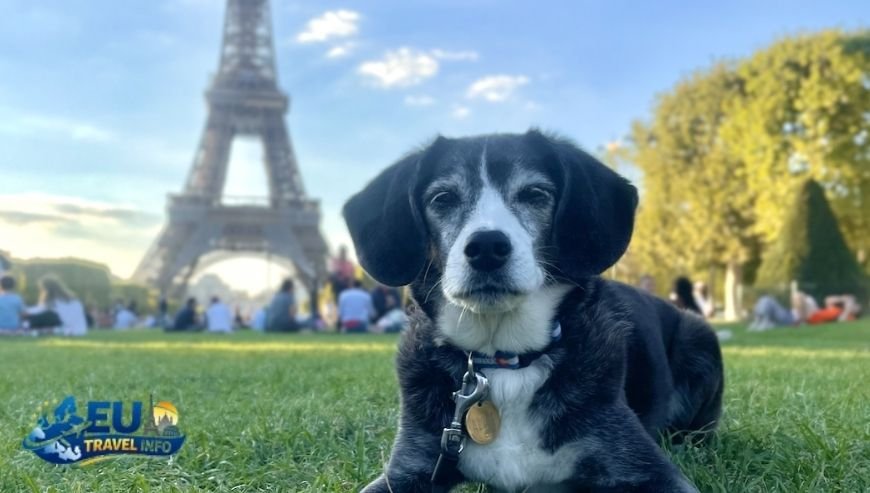
I visited the Jardin du Luxembourg in the 6th arrondissement. I had to stay in the southeast corner because dogs are only allowed in that specific area. Similarly, the Tuileries Garden near the Louvre only allows dogs on two flanks on either side. Additionally, I loved the Parc de Buttes-Chaumont. It is a hilly park in the 19th arrondissement with amazing views of the city. Plus, you can walk along the banks of the Seine. This is a beautiful walk from Île de la Cité to the base of the Eiffel Tower. I saw a dog playground with an agility course near the Jardin des Plantes. Finally, the Bois de Boulogne and Bois de Vincennes are huge woods on the edges of the city where dogs have a lot of room to roam.
Is france park dog friendly? In Paris, the answer is often “only in certain zones”. I had to read every gate sign carefully. If I missed a line on a sign, I risked a fine. Therefore, I always kept my dog on a short lead. I also learned that dogs cannot sit on park benches. Policemen will ask you to move them off the furniture.
Moving Around: Public Transport and Trains
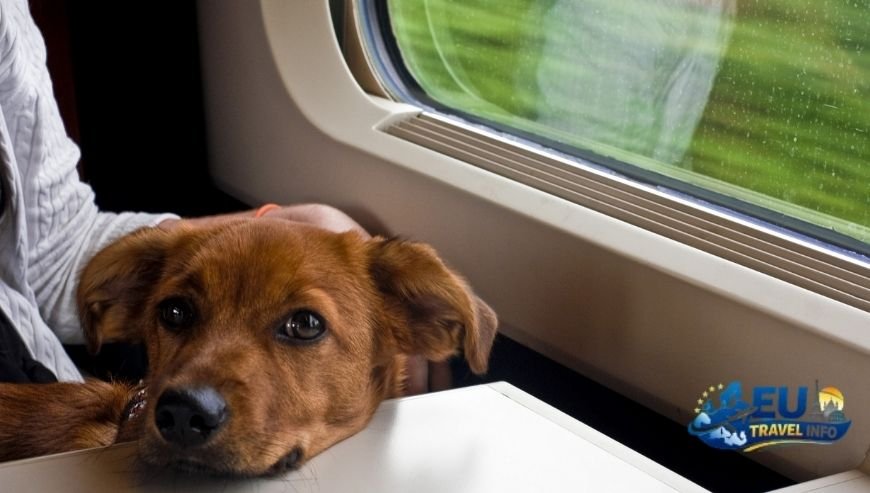
I used the Paris Metro and RER to get around the city. Small dogs travel for free if they are in a bag or on your lap. However, the official rule is that the container should be no larger than 45 cm. On top of that, larger dogs need a ticket. In Paris, this is usually a child’s half-price ticket. These big dogs must wear a muzzle and stay on a short lead. Also, I noticed that many people do not actually use muzzles on the Metro, but it is a legal requirement.
I took the SNCF trains to see the rest of the country. First of all, you must purchase a pet ticket. For a small dog under 10 kg in a carrier, the fee is usually a flat €7. Heavier dogs used to pay half of a second-class fare, but the rules changed. Additionally, you must validate your dog’s paper ticket before you board the train. However, e-tickets are now very common for TGV and Intercités trains. Gradually, I found that my dog was even allowed in the dining car as long as I did not leave him alone. Therefore, I could eat a meal without worrying about him.
City Highlights: Nice, Lyon, and Bordeaux
I traveled south to see if is nice france dog friendly. Nice sits right on the Mediterranean Sea. I walked the 7 km length of the Promenade des Anglais with my dog. It was very hot in April, so I had to make sure the pavement did not burn his paws. Though France is strict about dogs on beaches, Nice has two specific dog-friendly spots: Plage de Lenval and Plage de La Lanterne. My dog loved the salty water there. Additionally, I found that 59% of hotels in Nice allow dogs, which is higher than the 40% I found in Paris.
I also checked if is lyon france dog friendly. In Lyon, I found that only small dogs in a bag or basket were allowed on public transport for free. However, I saw many people with dogs enjoying the historic Fourvière Hill. I stayed at a boutique hotel that was a former 19th-century convent. It was just five minutes from a Roman amphitheater. Similarly, I asked is bordeaux france dog friendly before heading west. Bordeaux is very welcoming. Their transport rules only state that dogs must be leashed or in a basket. Large dogs need a ticket, but small dogs in carriers are exempt.
I visited the mountains to see if is annecy france dog friendly. The lake is famous, but you must be careful. The Bout du Lac d’Annecy National Nature Reserve is one of the 46 reserves in France that strictly forbids dogs to protect the ecosystem. Therefore, you must check the local signs before you hike near the water.
Dining Out: The “Chiens Interdits” Sign
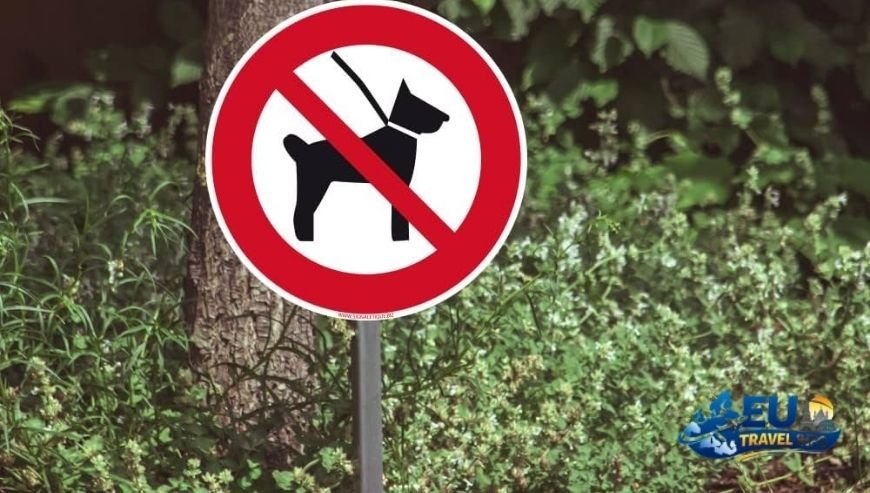
One of the best parts of the trip was eating at local restaurants. In many cities, dogs are treated like royalty. I could take my dog into most bistros, brasseries, and cafes. However, I always asked the staff before I stepped inside. A polite question like “Puis-je amener mon chien?” removes a lot of stress at the door. Gradually, I noticed that most places with outdoor terraces are perfect for dogs. Additionally, many waiters brought a water bowl for my dog before they even served me.
I avoided taking my dog into large supermarkets or malls. Hygiene laws generally ban pets from any business that sells food, except for restaurants. On the contrary, small independent boutiques often welcome calm, leashed animals. I found a famous department store called BHV in the Marais area of Paris. They have their own trendy pet supply store inside. I also visited a shop called Moustaches in the 4th arrondissement. They sell treats shaped like the Eiffel Tower. Later, I found Pet So Chic in the 6th arrondissement, where they monogrammed a leather harness for my dog on the spot.
Coastal Bliss: Dog Friendly Beaches
The coastline of France is a haven for canines. I found over 250 dog friendly beaches across the country. Though many are seasonal, you still have plenty of choices. I visited Berck-sur-Mer near Calais. Dogs must stay on a lead near swimming areas there. Every April, they have an International Kite Festival that is worth a visit. Additionally, Le Touquet-Paris-Plage has a wide beach where dogs can play on the sand.
I went to Escalles Beach, which is surrounded by green hills and cliffs. The sand is flat, which is perfect for a dog that loves to run. However, I had to keep him on a leash at all times. Gradually, I moved into Normandy. I saw Plage d’Antifer in Le Tilleul, which is one of the most beautiful spots in the region. Similarly, Omaha Beach is very dog-friendly. It is a stunning 2.5 km stretch of white sand. I saw monuments there that commemorate the Allied landing in 1944. Finally, in Brittany, I visited the Santec region. All the beaches there are now dog-friendly. My dog loved Hirel Beach near Mont Saint-Michel, but I had to watch out for sand yachts racing across the sand.
History and Nature: Châteaux and National Parks
I wanted to see the famous castles in the Loire Valley. I found that many permit dogs on their grounds. The Château de Chambord is the largest in the region. It allows leashed dogs on the extensive grounds, but not inside the building or formal gardens. On the contrary, Château de Chenonceau is very friendly. Leashed dogs can walk in the gardens, and I could even carry my small dog inside the actual château. Additionally, Château d’Ussé allows dogs of all sizes both inside and out. Gradually, I learned that Château Villandry allows small dogs in carriers inside and leashed dogs in the gardens.
I also hiked in the mountains. However, I learned that the rules in national parks are very strict. Only 0.45% of French territory consists of the centers of national parks, but dogs are strictly forbidden there to protect wildlife. For example, in the Vanoise National Park, dogs are prohibited even if you carry them or keep them on a lead. Similarly, dogs are banned in the heart of the Pyrenees, Ecrins, and Mercantour national parks. On the other hand, dogs are allowed on leads in the Cévennes National Park and the Calanques National Park. Therefore, you must check the “core zone” maps before you plan a long hike.
I found a very important rule for spring walks. Between 15th April and 30th June, you must keep your dog on a lead in all forested areas. This law protects wild animals that are giving birth to their young. If you let your dog roam free during this time, you risk a fine of up to €750. Also, be careful of patous in the mountains. These are large shepherd dogs that protect herds from wolves. They see your dog as a threat and will demonstrate force if you get too close.
Where to Stay: Hotels and Rentals
I found that a wide variety of accommodation in France is pet friendly. First of all, many affordable chains like Ibis, B&B, and Campanile are dependable options. Rates often start around €50 per night, plus a small fee of €5 to €10 for a dog. However, if you want luxury, France has plenty of that too. I stayed at The Hoxton in Paris. They sent up two pet bowls and a toy as soon as I checked in. Additionally, the Four Seasons Hotel Megève in the Alps gives pets a special welcome package with freshly-made treats. They even offer pet sitting and walking services.
I saw that some luxury hotels charge high daily fees. Le Majestic Barrière in Cannes charges €70 per pet per day. SO/Paris charges €50 per stay and requires you to show up-to-date vaccination certificates. Plus, they require you to treat your dog for worms and fleas before arrival. Finally, if you rent an apartment, the law is on your side. Under French law, a landlord cannot prohibit pets in your main residence. However, there is a big exception for seasonal vacation rentals. Since 2012, owners of seasonal rentals have the right to refuse pets. Therefore, you must check the listing carefully before you book.
Safety and Legal Matters: Banned Breeds
I discovered that France is very strict about certain breeds. They divide “dangerous” dogs into two categories. Category 1 includes dogs like Pitbulls, Mastiffs, and Tosas that do not have a pedigree. These dogs may not be imported into France at all. On the contrary, Category 2 includes pedigree Staffordshire Terriers, Rottweilers, and Tosas. You can bring these dogs, but the rules are very difficult. They must wear a muzzle and leash in all public areas and on transport. Additionally, the owner must have a French “Certificate of Aptitude” and specific liability insurance. Therefore, it is almost impossible to travel with these breeds for a short vacation.
I also kept an eye out for cleanliness. I learned that municipal agents issue penalties for fouling public spaces. Fines start at dozens of euros. I always carried bags and used the bins. First of all, I recommend you carry a small bottle of water for quick clean-ups. Gradually, I noticed that calm behavior is the key to everything in France. A quiet dog under a restaurant table draws fewer complaints than any sign on a door.
Practical Advice for Your Trip
I found several apps and social groups that map dog-friendly doors. Though official pages exist, local groups swap updates much faster. They post reviews of cafes and shops that accept dogs, which saved me from many wasted walks in the rain. Additionally, I printed a shortlist of dog-friendly spots on paper. Screens fail when your battery dies, but a folded cheat sheet in your wallet does not.
I always kept my dog’s vaccination papers in my bag for random checks on trains. Similarly, I fixed an ID tag with my mobile number to his collar. On top of that, I taught him a tight “heel” and a solid “wait” for ticket gates and lifts. Finally, I packed a foldable bowl and a blanket for cafes. This kept him warm on cold terraces and clear of people’s feet.
Is France Dog Friendly? After my long journey, I can say yes. With a lead, a carrier, a muzzle, and a solid plan, most urban days work perfectly. Your dog stays with you, your errands get done, and strangers often drift from suspicion to smiles. France is like a grand old library; it is beautiful and welcoming, but you must respect the silence and the rules of the house to enjoy it to the fullest.
Quick Summary of Fees and Rules:
- SNCF Train Fee: Roughly €7 for small dogs; varies for large dogs.
- Forest Leash Law: Mandatory from 15th April to 30th June.
- Park Fines: Can reach €750 in forests or dozens of euros in cities.
- Metro Rule: Small dogs in bags travel for free.
- Hotel Fees: Can range from €5 to €75 per night.
Frequently Asked Questions
Are dogs allowed everywhere in France?
I noticed that dogs are welcome in many spots, but you will see restrictions in certain places. I learned that supermarkets and large malls usually ban animals for hygiene reasons. Some parks and museums also forbid entry, which surprised me. I suggest you check the gate for signs before you enter. Read every gate.
Can I go to France with my dog?
Yes, you can bring your pet to this beautiful country. I had to ensure my dog had a microchip and a valid rabies vaccine. I found that travelers from outside the EU also need an official health certificate. Proper planning.
Which country is most dog friendly?
France often ranks as one of the most pet-centric countries on the planet. I saw a dog population of roughly 10 million animals. Many owners I met even view their pets as their top priority. A huge population.
Is Paris dog friendly?
I found that Paris has a mixed reputation for being friendly to dogs. I could bring my pup to many local bistros and boutiques. However, access to green spaces remained limited to specific zones in my experience. Mixed results.
How much is a pet passport in France?
I learned you can obtain one from any authorized veterinarian within the European Union. I saw that prices for health certificates in the UK range from £100 to £300.
Are pitbulls allowed in France?
I discovered that import rules for pitbulls are very strict. Non-pedigree pitbulls belong to Category 1 and are completely banned from entry. Pedigree pitbulls fall into Category 2 and require muzzles and special permits. Very strict.
Can I fly with my dog?
Yes, air travel is an option for your dog. I found that small dogs can stay in the cabin in a soft crate. Heavier dogs must travel in the hold in a rigid crate that meets safety standards. Safety first.
Concluding words
My journey through France proved that this nation truly loves dogs. The country offers 250 dog-friendly beaches and a culture that welcomes pups in cafes. You must follow rules for muzzles on trains and leash laws in forests to avoid heavy fines.
A bit of planning with a microchip and vaccine makes the trip a joy. France feels like a playground for pets if you respect the local laws. France is a grand dinner party. You are invited, but you must sit in your assigned seat and mind your manners.