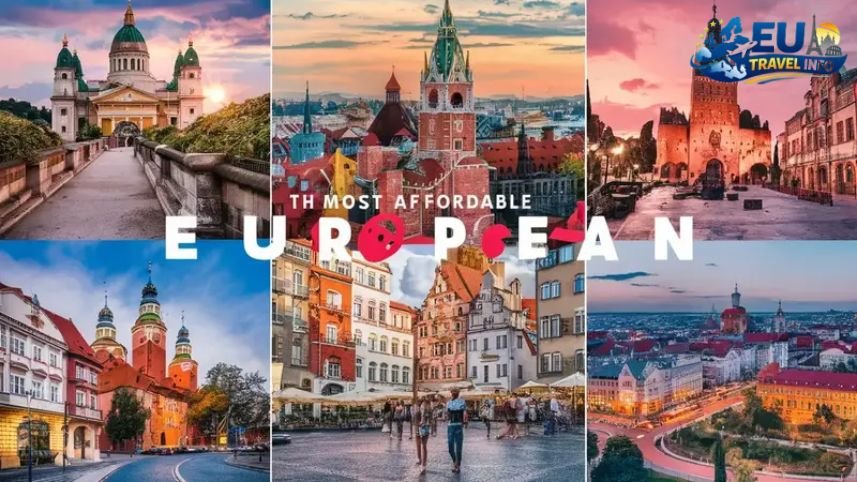
I have spent years bouncing around Europe as a student, a backpacker, and an expat. My first taste of budget travel happened when I went from Paris to London for less than the price of a six-piece chicken nugget meal. That moment changed my perspective forever. I realized that I do not need a fortune to see the world. You probably think Europe is too expensive because of famous cities like Paris, London, or Zurich. However, the continent is full of amazing places at half the cost if you look to the East and Southeast. This A Guide To Trip To Europe On A Budget will show you exactly how to plan a trip to europe on a budget in 2026.
The year 2026 is a unique time to explore. Interest in travel has climbed by 9 percent. On top of that, international airfares have eased by about 10 to 12 percent. Seven out of the ten top trending destinations for 2026 are in Eastern Europe. This region is the new frontier for value. I found that airfare to Sarajevo dropped by 36 percent. Split in Croatia saw a 33 percent decrease. Therefore, you can stretch your dollars much further right now. Authentic experiences. Low costs. This is the goal.
Selecting Your Budget-Friendly Destinations

First of all, I must talk about the absolute winners for your wallet. I categorize these as the “Value Corridor”. These countries offer culture, history, and beauty for a fraction of Western prices.
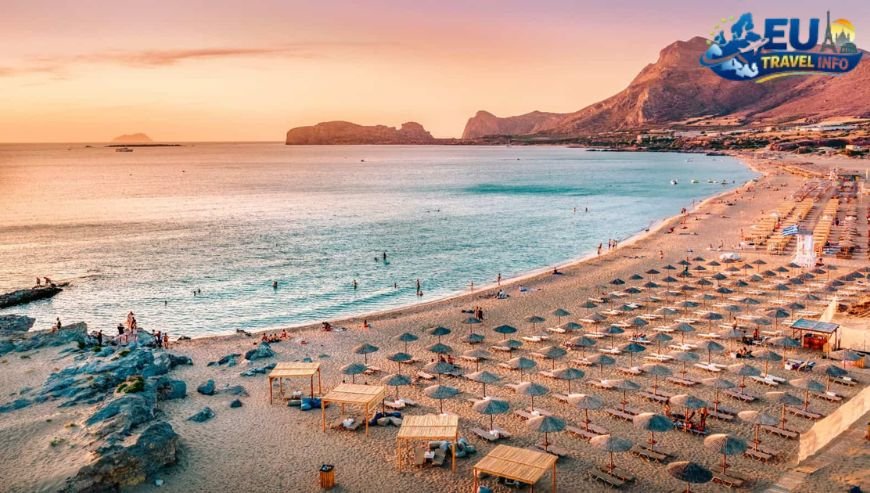
Albania is the best kept secret in Europe for outdoor fun. It offers clear water and beaches that rival the Greek islands. I can manage there on a daily budget of €30 to €55. Coastal towns like Himara and Dhermi offer authentic Mediterranean life without the tourist markups. Additionally, I can explore the capital of Tirana for free. Skanderbeg Square is the heart of the city. It is perfect for people-watching. I can climb the exterior of the Pyramid of Tirana for free views. Plus, a pint of beer in Tirana costs only about €1.65.
Bosnia and Herzegovina is another top pick for a trip to europe on a budget. Sarajevo is one of the most affordable capitals on the continent. I found that I can survive there on a backpacker budget of $30 per day. Traditional dishes like ćevapi or burek cost less than $5. Later, I suggest you take the cable car up Trebević mountain for $9 to see the abandoned Olympic bobsled track. History is everywhere here.
Romania combines medieval towns with dramatic landscapes. Places like Brașov feel like they are straight out of a fairytale. I found hostel beds there for as low as $14. Street food like covrig pretzels cost only $1.30. Romania also has a fast-growing digital economy. Additionally, Bucharest is known as “Little Paris” for its elegant buildings. I can get a one-way public transport ticket there for only 68 cents.
Bulgaria is officially the cheapest country in the European Union. Sofia offers a mix of ancient ruins and modern energy. I can live well there for about €35 a day. Public transport rides are only 72 pence. I recommend the free Balkan Bites Food Tour to taste local culture. Similarly, the Black Sea beaches offer some of the lowest prices in the EU.
Hungary is a premier spot for “luxury on a budget”. Budapest is split by the Danube river into hilly Buda and buzzing Pest. I love the thermal bath culture. A day at Széchenyi or Gellért is a splurge at €20 to €25, but it is a bargain compared to Western spas. For a cheaper soak, Dandár Baths cost only $8. A beer in Budapest is about $1.60.
Poland is clean, safe, and very affordable. Kraków is a must-visit city. It has the largest medieval market square in Europe. I save money by eating at “Milk Bars” (bar mleczny). These are traditional cafeterias where a full meal costs only $5 to $7. A 24-hour transport pass is only €4.50. Poland remains 40 to 50 percent cheaper than Western Europe.
Lithuania is the most affordable of the three Baltic states. Vilnius charms visitors with Baroque architecture and low prices. I can find basic hotels there for €45 a night. Kaunas is a hidden gem with a cool creative scene. Flight prices to Kaunas dropped by 31 percent recently. It is perfect for those seeking something under-the-radar.
Timing Your Journey for Maximum Savings
I must stress that timing is everything when you plan a trip to europe on a budget. The year is divided into peak, shoulder, and off-seasons.
Summer is peak season from June to August. I avoid this if I can because prices soar by 40 to 60 percent. The crowds are also overwhelming. However, I find that Scandinavia, Britain, and Ireland are often best in summer for the long daylight hours and better weather.
Shoulder season happens in April to June and September to October. This is the magical time. I find the perfect mix of smaller crowds, better prices, and mild weather. I once found a round-trip ticket to Spain for less than $400 during this time. September is my favorite month because the water is still warm but the kids are back in school. Hotel rates drop by about 11 percent in September.
Off-season runs from November to March. This is when I find the absolute lowest prices. Flights and hotels are much cheaper. I can have places like the Roman Forum or French châteaux almost to myself. On the contrary, the weather can be cold, windy, and drizzly. I must pack layers, thermal clothes, and waterproof shoes. Some sights may have shorter hours or close entirely.
Strategies for Cheap Flights

I start my planning by looking for the cheapest entry point into the continent. You do not need to fly to your final destination first.
France often has the lowest fares from the United States. The route from New York to Paris is a major hub with high competition. I also look at Warsaw, Bucharest, and Lisbon. A round-trip from New York to Warsaw averages $410. Bucharest is about $430 from Toronto. Lisbon is around $380 from Atlanta.
If you are planning a travel to europe on a budget from australia, you should expect to pay $800 to $1,500 for a round-trip. I recommend comparing flight deals two to three months in advance. I also check alternate airports. For example, flying into Brussels instead of Paris might save you money.
I follow the “Goldilocks Window” for booking. This is two to eight months before an international flight. For short-haul budget flights within Europe, the window is two to three months. Mid-week travel on Tuesdays and Wednesdays is usually the cheapest. I also use apps like Dollar Flight Club or Going to track price drops.
Getting Around Europe Without Breaking the Bank
I have a few favorites for transport. Each has its own benefits.
Buses are the absolute cheapest way to move around. FlixBus is the leader here. I can find fares as low as €5 one-way. The cancellation policy is amazing. I can change my ticket up to 15 minutes before it leaves for a one-euro fee. Though it is not the most scenic way to travel, it keeps more euros in my pocket. In the Balkans, I use local coach lines. I must often inquire at the station for the best schedules because they are not always online.
Trains offer a high-comfort experience. They link almost every city at up to 200 miles per hour. I find that a Eurail pass gives me great freedom and flexibility. A Global Pass covers 33 countries. For those under 28, a Youth Pass is very affordable. I also use overnight sleeper trains. This saves me the cost of a hotel night while I move between cities like Prague and Krakow.
Budget Airlines are often faster and sometimes even cheaper than the bus. Ryanair and Wizz Air are the most famous names. I have found flights for only 10 euros. However, I must be careful with hidden fees. They charge for everything like seat selection, priority boarding, and checked bags. A $30 ticket can easily become an $80 ticket. Therefore, I always travel with just a small backpack when I use them.
BlaBlaCar is a great carpool service. It matches drivers with passengers going to the same place. I essentially pay for gas in exchange for a seat. It is a safe system because of its reviews. Plus, it is a fun way to meet locals.
Hitchhiking is fifty shades of free. I only do this in certain areas like the Balkans. I once hitchhiked in Bosnia and was picked up by a lovely lavender farmer. It is not for everyone, though. I do not recommend it if you are limited on time or have strict plans.
Accommodation Hacks for Smart Travelers
I rarely stay in expensive hotels. There are so many other options.
Hostels are the classic choice. Modern hostels now offer pod-style beds for privacy and co-working spaces for digital nomads. I found dorm beds for as low as $8 in places like Sofia or Budapest. Some hostels even offer free group dinners.
Monasteries and Convents are divine for budget travelers. They offer clean, safe, and central rooms in historic buildings. I can find stays in Italy or Spain for as low as €44 a night. I must follow certain rules, like an 11:00 PM curfew. It is a quiet alternative to the chaos of a hostel.
Work-Exchange reduces my cost to zero. Platforms like Worldpackers or Workaway match me with hosts. I provide 20 to 30 hours of labor per week in exchange for room and board. This is very effective in expensive countries like Norway or Switzerland.
House-Sitting is another pro move. I look after someone’s pets or home while they are away. Sites like TrustedHousesitters connect me with homeowners. The lack of daily lodging costs lets me stay in primary homes in cities like London or Paris.
University Dorms are often available during school breaks. They are much cheaper than standard hotels. I also look for apartments outside the city center. This can save me 30 to 40 percent on my housing costs.
Eating Well Without Overspending
I never eat at restaurants with “tourist menus”. I follow the locals.
Markets are my best friend. I visit local bakeries and food stalls. In Bucharest, street mici (grilled sausages) cost less than $2. In Athens, a gyro is only $3. I also buy groceries at local shops and cook in my hostel kitchen. I can turn a $30 restaurant dinner into a $5 grocery haul.
Lunch Specials are a great way to eat well. Many European restaurants offer a “Menu del Día” or a set lunch menu. These are often 40 percent cheaper than dinner. In Hungary, look for the ebéd menü. In Poland, I go to the milk bars for hearty food at rock-bottom prices.
Picnics are a classic experience. I grab a bottle of local wine or beer, some cheese, and bread from a market. I head to a park or a riverbank. I find that a $3 bottle of wine from a supermarket tastes just as good when I am sitting in front of the Eiffel Tower.
Experiencing Culture for Free
I maximize the “Free Europe” infrastructure.
Free Walking Tours are the standard for orientation. Professional guides lead you through the city for tips. I usually tip €10 to €15. I learn about the real history of cities like Sarajevo or Warsaw through the eyes of someone who lives there.
Museum Days are a great hack. Many world-class museums have free entry windows. The Louvre in Paris is free on the first Friday evening of each month. Archaeological sites in Athens are free on the first Sunday of the month from November to March. In Krakow, Wawel Castle has select free exhibits on Mondays.
Churches and Parks offer rich experiences at zero cost. I can wander through historic old towns or hike trails in national parks for free. I can catch the changing of the guards in London or Athens without a ticket. Public beaches are another great free activity.
Planning Your Personal Trip Types
A girls trip to europe on a budget works perfectly in a city like Budapest. It blends old-world charm with an energetic nightlife. I love the ruin bars there. These are unique venues set in abandoned buildings with affordable drinks. Plus, you can have a spa day at the thermal baths for much less than at home.
For a family trip to europe on a budget, I recommend cities that are easy to walk. Valencia, Porto, and Kraków are great because they have family-friendly neighborhoods and good public transport. I find that a daily budget for a family of four is around €180 to €350 total. Many cities offer free child attractions like playgrounds or parks. Additionally, children under 12 often qualify for a free Eurail pass.
Practical Tips from My Experience
I have learned some hard lessons on the road. Do not make my mistakes.
Connectivity is essential. I do not rely on expensive roaming plans. I use an eSIM app like Eskimo or Saily. I can save 60 to 80 percent compared to traditional plans. I also download offline maps for my phone. My mobile network once stopped working the minute I entered Bosnia, and I kept getting lost until I found Wi-Fi.
Money and Banking can be tricky. I use travel cards like Wise, Curve, or Revolut. These allow me to convert money at the mid-market rate. I avoid currency exchange offices at airports because they charge 10 to 15 percent more. I always reject “Dynamic Currency Conversion” at ATMs. I pay in the local currency to let my own bank handle the rate. Additionally, I always carry some cash for smaller shops and rural areas.
Balkan Transit has its own rules. I found that buses often charge a small fee of about €1 to store big bags underneath. I must also pay for a “platform ticket” to enter the bus area in some stations. I always keep small change in the local currency for these fees. At border crossings, the driver may collect all passports to speed up the process. It is standard procedure, so do not panic. Plus, ensure your passport has enough blank pages because you get stamped at every border outside the Schengen area.
Safety is generally high in Europe. However, I stay vigilant against petty crime like pickpocketing. This is common in crowded tourist areas or on trains between major hubs. I use a crossbody bag or a zippered pouch for my valuables. I also “dress down” to avoid attracting unwanted attention.
Frequently Asked Questions
How much does a budget friendly trip to Europe cost?
A budget-friendly trip to Europe typically requires between €35 and €75 for each day.. This amount covers a bed in a hostel, local meals, and public transport.. Total expenses for a two-week journey often range between $1,680 and $2,850 when you include international flights..
Which country in Europe is the cheapest to visit?
North Macedonia is often the cheapest country to visit in the Balkans.. However, Bosnia and Herzegovina and Bulgaria offer some of the lowest daily costs overall.. Bulgaria specifically has the lowest price levels in the European Union..
Is 1000 euros enough for 2 weeks in Europe?
One thousand euros is enough for your daily needs like food and transport over two weeks.. This gives you about €71 each day, which fits within the budget range.. However, this sum will not cover the cost of your international flights from places like North America or Australia..
What is the cheapest way to travel to Europe?
The cheapest way to travel to Europe is to fly with low-cost carriers like Norse Atlantic Airways or French Bee.. You should also look for flights that land in Warsaw, Bucharest, or Lisbon.. These cities have high competition among airlines and lower airport fees..
What is the cheapest month to travel to Europe?
January and February are the cheapest months for your trip.. Flight and hotel prices are at their absolute lowest point during this winter window.. You can find return tickets for very low prices if you book during this time..
Where to go for a 3 day trip to Europe?
Prague is a perfect choice because you can see the main sights in two or three days.. Similarly, Kraków is a compact city that fits a three-day schedule perfectly.. Budapest also offers a great three-day experience focusing on highlights like thermal baths and architecture..
What are the 7 countries Europe trip?
A popular seven-country route in the Balkans includes Bulgaria, Greece, North Macedonia, Montenegro, Romania, Serbia, and Turkey.. You can visit these nations using the Balkan Flexipass.. This pass provides unlimited rail travel across these specific countries..
How to travel Europe for really cheap?
You can travel for almost no money if you try a work-exchange program via sites like Worldpackers.. Additionally, house-sitting allows you to stay in expensive cities for free.. Hitchhiking remains the absolute cheapest way to move if you are adventurous..
What is the best time to visit Europe?
September is the best month because the weather is pleasant and crowds are small.. Hotel prices drop by about 11 percent compared to August.. Late spring from mid-April to mid-June is another top choice for vacation-friendly weather..
Concluding words
I have learned that a grand trip to Europe does not require a fortune. You can choose affordable spots in the East like Albania or Romania to save money.. Use buses and budget planes to move between cities.. Stay outside city centers and eat at local markets.. My experience shows that a smart plan makes a dream trip possible for less.. Go see the world now. Your adventure awaits.