
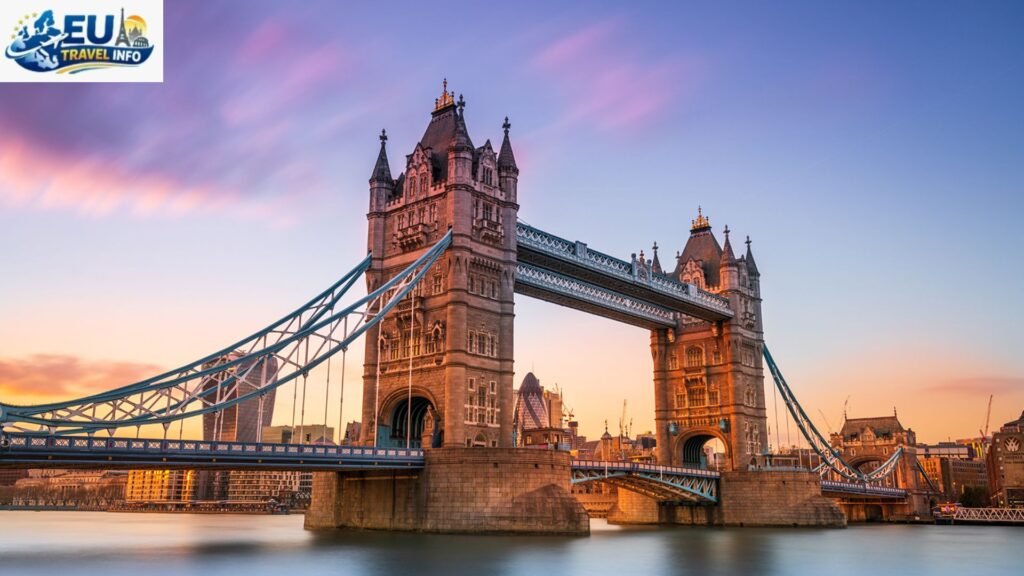
You are planning a trip to the capital of the United Kingdom. You want to see the red buses, the historic palaces, and the misty banks of the Thames. However, you likely have one big question on your mind. What Is the Best Time to Visit London in 2026? It is a city that never stops. It is a world-class destination that offers something different every single month. You might want the warm sun of July. You might prefer the quiet streets of January. Perhaps you want to see the flowers bloom in the royal parks.
The truth is that your perfect time depends on what you value most. Do you want to save money? Are you trying to avoid the massive groups of tourists? Do you dream of a white Christmas or a summer music festival? This complete guide will help you decide. First of all, you must understand that London has a temperate maritime climate. This means the weather is rarely extreme, but it is often unpredictable. You will see four distinct seasons here. Each one has its own pricing, crowd levels, and special events.
The Winter Months: A Budget Traveler’s Dream
You might think that winter is the worst time to visit London because of the cold. On the contrary, this is often the cheapest time to visit london. If you visit in January or February, you will find that hotel rates drop by 40% to 50% compared to the summer peak. A room that costs £300 in July might only cost £100 in January. Plus, the crowds are at their absolute smallest. You can walk into major museums like the British Museum or the National Gallery without waiting in a long line.
January and February are the coldest months. Temperatures usually stay between 5°C and 10°C (41°F to 50°F). Daylight is very short at this time. The sun sets around 4:30 PM in January. However, the city is still bright with leftover holiday lights. You can spend your days in world-class indoor attractions. Think about a shopping trip to the famous Harrods. Imagine a cozy afternoon in a local pub with a Sunday roast and a pint. Additionally, you can enjoy the Chinese New Year celebrations in February, which is the largest event of its kind outside of Asia.
Best time to visit london in winter? Most people say December for the magic, but January for the price. Therefore, if you are a budget-savvy traveler, you should consider these early months. You will save a fortune on flights and rooms.
Spring: The City in Bloom
 When the calendar turns to March, you might ask, is march a good time to visit london? The answer is a resounding yes if you like transitions. The weather starts to warm up to around 12°C (54°F). You will see the first signs of life in the parks. Bright yellow daffodils begin to line the grass in Buckingham Palace and St. James’s Park. At that time, the crowds are still manageable before the Easter rush begins.
April and May are widely considered the best time to visit London overall. This is the “shoulder season.” It offers a perfect balance of decent weather, moderate prices, and reasonable crowds. You will see the famous cherry blossoms in St. Paul’s Cathedral and Regent’s Park during April. Later, in May, the wisteria turns the residential streets of Chelsea and Kensington into a purple wonderland.
May is truly spectacular. Temperatures reach a comfortable 18°C (64°F). The daylight extends to 16 hours by the end of the month. You can enjoy the Chelsea Flower Show, which is the most prestigious gardening event in the world. On top of that, the outdoor cafes are fully open. You can take a boat cruise on the Thames without feeling too cold.
Summer: The Peak of Everything
Summer is when London truly buzzes with energy. June, July, and August are the warmest months. Temperatures average 20°C to 23°C (68°F to 73°F), though heat waves can push them higher. This is when you get the most daylight. In late June, the sun stays up until after 9:15 PM. You have endless time for sightseeing and evening strolls.
However, you must be prepared for the downsides. This is the best time to visit london for weather, but it is also the most crowded and expensive period. International tourists flood the city during school holidays. Westminster Abbey can see over 20,000 visitors a day in the summer, compared to half that in winter. You will face 60 to 90-minute waits for the Tower of London if you do not book a timed entry ticket.
Prices also reach their annual maximum. You will pay a premium for flights and hotels. A mid-range hotel in central London can cost between £250 and £450 per night. Similarly, flights from places like New York can cost over £1,000. If you love big events like Wimbledon or the Notting Hill Carnival, the cost might be worth it to you. But if you hate crowds, this is not your season.
Autumn: The Sweet Spot Returns

As September arrives, the summer madness fades. This is often the best time to visit london to avoid crowds while still enjoying pleasant weather. September feels like a continuation of summer but with fewer families and shorter lines. Temperatures stay around 19°C (66°F). Cultural institutions launch new exhibitions and theater shows at this time.
You might also wonder, is october a good time to visit london? It is actually a favorite for many travelers. The city turns golden and amber as the trees change color. It is very photogenic. The temperatures are cooler, around 15°C (59°F), which is perfect for walking. Additionally, hotel prices begin to settle back to more moderate levels.
If you are planning a longer trip, this is also the best time to visit london and scotland. The weather in the north is still decent enough for exploring the Highlands or Edinburgh Castle before the deep winter sets in. By the time November arrives, the city gets quieter and cheaper again. It is a great month for value before the Christmas rush begins in mid-December.
Strategies for Your 2026 Visit
How to Avoid the Rain
You have probably heard that it always rains in London. This is a bit of a myth. Though rain falls year-round, it is usually just light showers rather than heavy storms. To find the best time to visit london to avoid rain, you should look at the stats. March, April, and July actually have some of the lowest average precipitation. October and November tend to be the rainiest. Regardless of when you go, you must pack a waterproof jacket. London averages 15 to 20 rainy days every month.
Managing the Crowds
If your main goal is peace and quiet, follow the “off-peak” rule. Visit between January and early March or in November. You will see 50% to 60% fewer people than in July. Another trick is to visit major sites on a Tuesday or Wednesday. Most domestic travelers visit on weekends, so midweek is always calmer. Always book your tickets for the Tower of London or Westminster Abbey for the first time slot in the morning.
Budget Planning
You can save a lot of money with a little bit of timing.
- Flights: Book 6 to 8 weeks in advance for the best deals.
- Hotels: Stay in Zone 3 or 4 and use the Tube to save money on rooms.
- Food: Look for “Meal Deals” at supermarkets or eat at local markets like Borough Market to keep costs down.
- Transport: Use contactless payment or an Oyster card. There is a daily cap of about £8.50 for travel in central London. Do not buy expensive paper tickets.
Seasonal Event Highlights for 2026
You should check the calendar before you book. Some events are once-in-a-lifetime experiences.
- January: New Year’s Day Parade and the London Art Fair.
- February: LGBTQ+ History Month and Chinese New Year.
- March: St. Patrick’s Day Parade in Trafalgar Square.
- April: The London Marathon and the Oxford vs. Cambridge Boat Race.
- May: The Chelsea Flower Show (May 19-23).
- June: Trooping the Colour for the King’s birthday.
- July: Wimbledon Tennis Championships and concerts in Hyde Park.
- August: The massive Notting Hill Carnival.
- September: London Design Festival and Fashion Week.
- October: London Literature Festival and Halloween events.
- November: Bonfire Night fireworks (Nov 5) and the Lord Mayor’s Show.
- December: Winter Wonderland in Hyde Park and New Year’s Eve fireworks.
Final Thoughts on Timing
You are now equipped with the secrets of London’s seasons. If you want the absolute best experience with flowers and nice weather, choose May. If you are watching your wallet, aim for January. If you want to see the city at its most vibrant and do not mind the heat or the crowds, July is for you.
Remember that London is a city of layers. It is a mix of the old and the new. You will find magic here whether it is under a bright summer sun or a gray winter sky. Pack your walking shoes. Prepare for a bit of drizzle. You are going to have an incredible time in one of the greatest cities on Earth.
FAQ
What is the best month to go to London?
May and September are the top choices. They offer a perfect mix of comfortable temperatures (14-19°C), blooming parks or autumn colors, and smaller crowds than the summer peak.
What is the best month to move to London?
September is often considered the best month to move. The city has a fresh energy as schools return and the new cultural season begins with major art exhibitions and theater premieres.
What is the rainiest month in London?
October and November typically see the highest number of rainy days and total precipitation. However, rain is spread relatively evenly throughout the year, so you should always be prepared.
Which month is the cheapest in London?
January is the cheapest month. Following the holiday rush, hotels and airlines slash prices to fill seats and rooms, offering discounts of up to 50%.
Concluding Words
Choosing the right time for your 2026 London trip depends on your personal priorities for weather, budget, and crowd tolerance. Spring and autumn provide the best overall balance, while winter offers the deepest savings and summer delivers the longest days and most festivals. No matter when you choose to visit, London remains a world-class destination with endless cultural and historic wonders to explore.