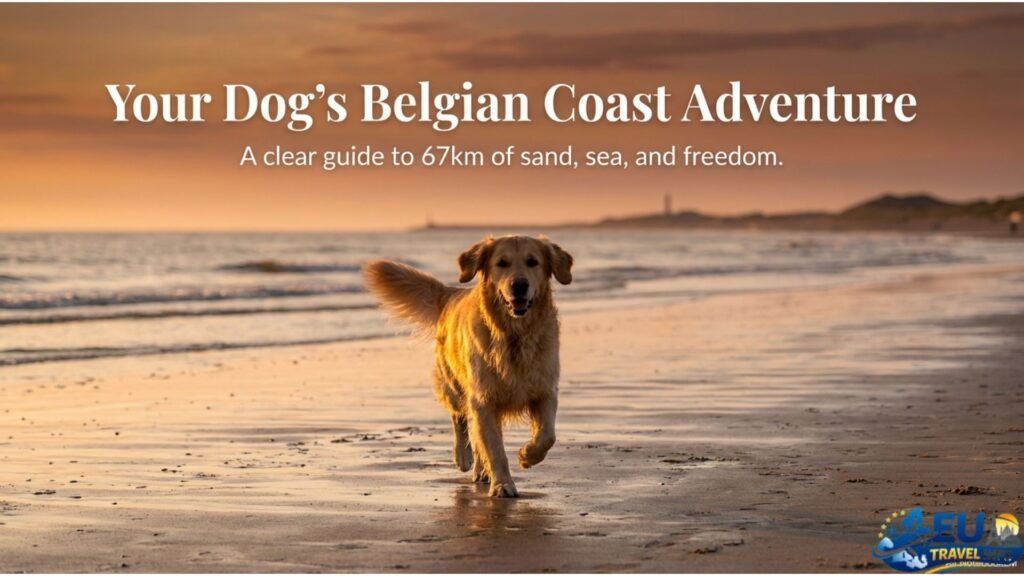

I have spent years crossing borders with my four-legged friends. It is my favourite way to see the world. If you love travel as much as I do, you know that a trip feels incomplete without a wagging tail. Europe is the absolute best place for people like us.
The pet-friendly culture and rules make it a dream destination for mature travellers who want comfort and companionship. I have visited over 30 countries with my pups. Every border crossing taught me something new. Some countries treat dogs like royalty. Others have strict rules you must follow.
In this guide, I will share everything I have learned about the best pet-friendly spots. I will also explain the legal bits, the transport tricks, and the unspoken rules of etiquette.
Visiting Europe with your dog
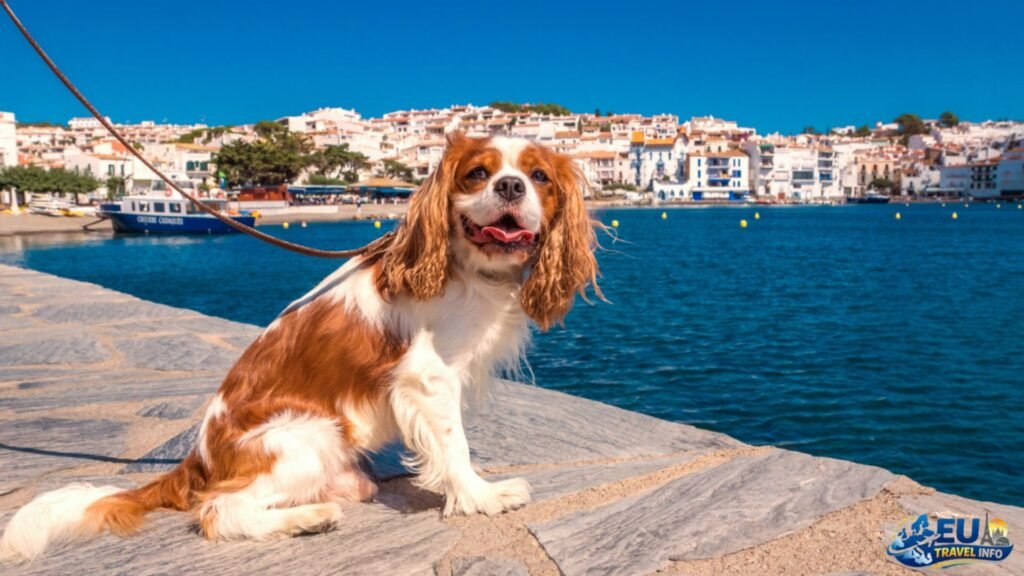
First of all, you must understand the paperwork. Your dog needs an identity. The International pet passport is the gold standard here. If you are a resident of the European Union, you can get an EU Pet Passport from any authorised vet. It is a simple blue book. It contains the microchip code and rabies vaccination records of your pet.
How long does a dog passport last? It is valid for the life of your pet as long as the rabies vaccinations are kept up to date. I always make sure my vet records the booster shots before the old ones expire. If you let a vaccination lapse, you must wait 21 days after the new shot before you can travel again.
Additionally, if you are coming from outside the EU, like the United States or the United Kingdom, things are different. You will need an EU Animal Health Certificate (AHC). An official state vet must sign this document. You must do this no more than 10 days before you arrive in Europe.
The cost of an Animal Health Certificate can be a bit of a shock. In the United Kingdom, it usually costs between £100 and £200. On top of that, your dog must have a microchip that meets ISO standards 11784 or 11785. Specific countries have extra rules.
If you go to Finland, Ireland, Malta, or Norway, you need the anti-Echinococcus treatment entry in the passport. A vet must give this tapeworm treatment between 24 and 120 hours before you enter the country.
You must also be aware of breed bans. Public safety is a big deal in many European regions. Germany does not allow the import of Pit Bull Terriers or American Staffordshire Terriers. France is even stricter. They have “Category 1” dogs that are not even allowed to pass through the country in transit.
The United Kingdom recently added the American XL Bully to its banned list in 2024. Often, these laws are based on physical features rather than just pedigree. Therefore, you should ask a pet travel specialist before you go if you are unsure about the breed of your dog.
Traveling to dog-friendly countries in Europe
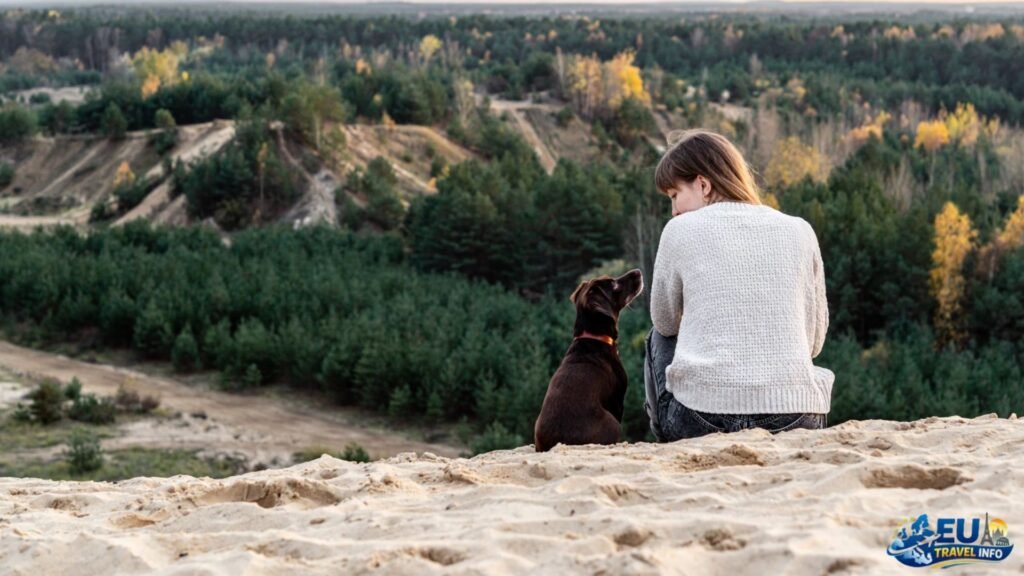
Italy is a paradise for dog owners. I give it a perfect 10 out of 10. You will see dogs in restaurants, cafes, and even high-end boutiques. 79 per cent of Italian pet owners consider their pets family members. This number rises to 85 per cent among millennials. It is the most inclusive place I have ever been.
Similarly, Germany is another 10 out of 10 for me. It is extremely organised. Dogs are welcome in most shopping malls and restaurants. However, you must pay a dog tax called Hundesteuer if you live there.
France is famous for the “café dog”. Most restaurants and bars love dogs. Waiters often bring a bowl of water before they even take your order. I give France a 9 out of 10. The only reason it is not a 10 is because many public parks in Paris do not allow dogs.
On the contrary, the coastline is very welcoming. The Netherlands is also a master of pet integration. You will see dogs in the front baskets of bicycles everywhere. Amsterdam is home base for many travellers because dogs are welcome on all public transport.
Switzerland is perfect for active travellers. You can take your dog on almost any hike or train. They take pet ownership very seriously. Austria follows similar rules to Switzerland. I give it a 9 out of 10. The mountain trails are endless and very dog-friendly. Romania might surprise you.
It actually ranks number one in Europe for pet ownership. 48 per cent of households own cats and 45 per cent own dogs. Public attitudes are changing from “guard dogs” to “family members”.
The Czech Republic has earned a funny nickname: “The Dog Republic“. There are more dogs than children under age 10 in this country. You can take your dog into most pubs and even some castles. Luxembourg recently updated its laws to recognise animals as sentient beings with rights.
Public transport has been free since 2020, and that includes dogs. Poland has also shifted its view of pets over the last 20 years. Now, you can take your dog to some movie theaters and museums. 49 per cent of Polish households have a dog.
Slovenia is a hidden gem. It is one of the most pet-loving countries in the Balkans. Over half of the hotels in the capital, Ljubljana, are pet-friendly. Belgium is a dog-lover’s paradise too. Most restaurants welcome dogs and offer them water.
Sweden has some of the highest animal welfare standards in the world. Over 90 per cent of pets are insured. Estonia is very forward-thinking. In the capital, Tallinn, dogs are welcome in many restaurants and even some museums. Portugal is a bit more complicated. In the past, it was less friendly, but things are changing. Dogs are allowed in restaurants about 50 per cent of the time now.
Traveling to dog-friendly cities in Europe
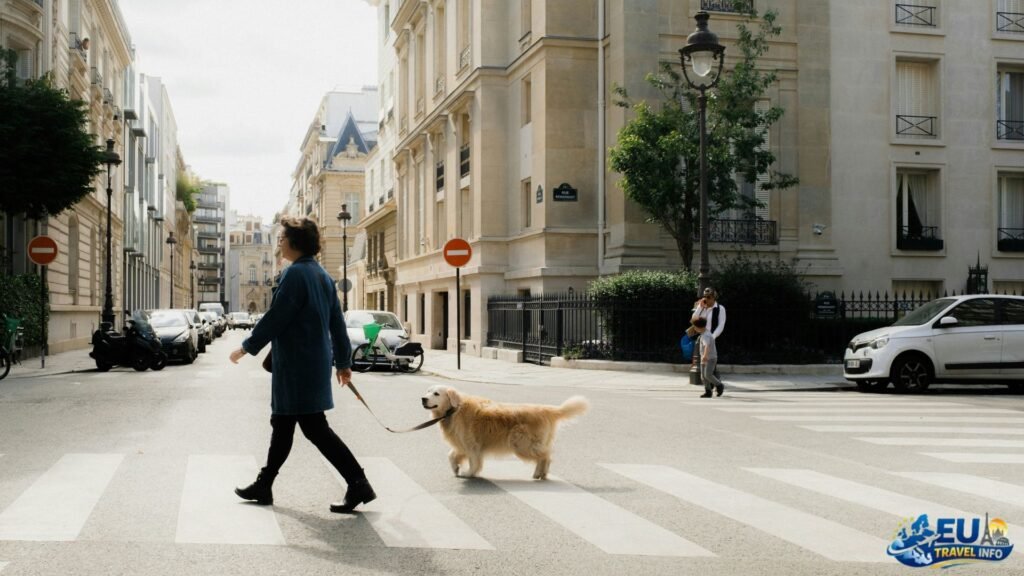
Which European city is truly the most dog-friendly? I have tested 12 cities to find the winner. Zurich, Switzerland takes the top spot with a score of 9.5 out of 10. Zurich is not just dog-friendly. It is dog-ideal. Dogs can swim in Lake Zurich alongside humans. The public transport is unmatched. Dogs ride on all Zurich transport including trains, trams, buses, and boats.
Paris, France follows closely as the runner-up. Paris is where dogs live their best life. Period. From morning croissants at Café de Flore to sunset at Sacré-Cœur, my dog was treated like royalty. Waiters brought water without me even asking. Munich, Germany ranks third.
If Berlin is the cool artsy friend, Munich is the outdoorsy friend who brings their dog hiking. All beer gardens allow dogs. It is Bavarian law!
London, United Kingdom is a city of dog lovers. Dogs ride for free on the Tube and buses. Hyde Park and Hampstead Heath offer world-class urban greenery. Additionally, Berlin, Germany is the place where you can bring your dog everywhere. Tiergarten is a forest in the middle of a capital city where dogs can run off-leash for hours.
Amsterdam, Netherlands is perhaps the most relaxed city. The Dutch attitude is very welcoming. Renting a cargo bike with a dog in the front basket is a must-do experience.
Rome, Italy is a place where locals are obsessed with dogs. My dog was stopped every 100 metres for compliments. Barcelona, Spain is fantastic for social dogs. Gaudí architecture and tapas culture are better with a pet. However, summer heat can be intense. Copenhagen, Denmark is the happiest city for pups.
Scandinavian design meets bike-friendly infrastructure. Lisbon, Portugal is charming and affordable. It offers easy access to Atlantic beaches. Gradually, you will see that Vienna, Austria is elegant but formal. There are many rules to follow on public transport. Finally, Prague, Czech Republic is the most affordable city for dog owners on a budget.
Where to Stay: Dog-Friendly Hotels in Europe

If you are planning a trip, you can find hotels by using the pet-friendly filter on booking websites. Italy is fantastic because many hotels allow dogs to stay for free. On top of that, some luxury hotels in Amsterdam even offer room service for dogs. In Zurich, the quality of pet amenities matches the high price.
Berlin offers a wide selection of pet-friendly hotels across the city. Prices in Berlin are quite reasonable, usually between €60 and €100 per night. Prague is the winner for budget stays. You can find hotels for €40 to €70 per night. London is on the more expensive side. Expect to pay between €120 and €200 per night. Similarly, Munich hotels are pricey because business travel drives up the costs.
When you book, always check if there is an additional dog fee for cleaning. Some places charge a flat fee. Others charge per night. It is also smart to ask if the hotel provides a bed or bowls for your dog. I always bring a familiar blanket from home. This helps my dog feel safe in a new room.
Dog-friendly public transport for traveling in Europe
Train travel is the best way to see Europe with a dog. It is much less stressful than flying. Most rail operators allow pets. However, the rules vary by company. Small pets in carriers usually travel for free. Carriers should be around 45 x 30 x 25 cm. Larger dogs usually need a ticket. In Germany and Austria, you pay a “child rate” or half-price for a larger dog.
In Italy, small dogs in carriers are free on Frecciarossa trains. Larger dogs get a 50 per cent discount. Additionally, in France, SNCF charges a flat fee of about €7 for pets.
One important rule is that larger dogs must be leashed and wear a muzzle on almost all European trains. Even if your dog is the sweetest soul, you should carry a muzzle in your bag. A conductor might ask you to put it on at any time.
Public transport in cities like London and Luxembourg is even more generous. Dogs ride for free on the London Tube and buses. In Munich, your dog can ride the public transport without any issues or extra tickets. However, in Vienna, dogs over 40cm need a half-price ticket and a muzzle. Plus, in Prague, muzzles are strictly required and enforced on the Metro.
Most dog-friendly places in Europe
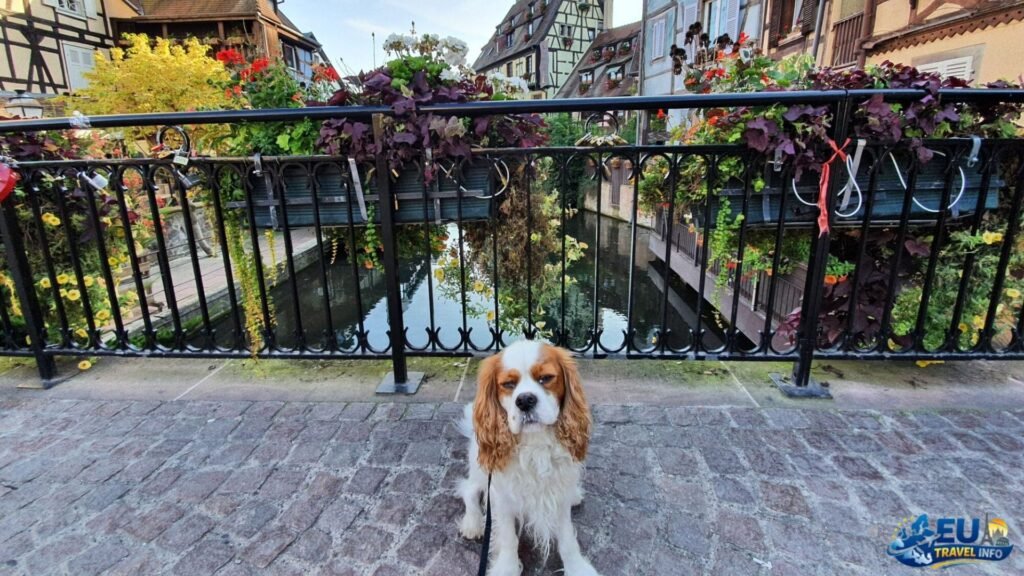
Italy is the king of dog love. You can bring your pet into high-end boutiques and even some grocery stores. Similarly, Slovenia is a favorite for those who love nature and open trails. One traveller even calls Slovenia the most dog-friendly country they have ever visited. Germany is also very inclusive but has more specific rules for owners to follow.
If you love the outdoors, Switzerland is a top choice. There are many beautiful hikes and extraordinary hotels. Austria is another mountain explorer’s dream. The mountains of the Allgäu in Germany offer fantastic views and quiet trails. Romania is the leader in pet ownership, which means the culture is becoming very welcoming.
The Northern Lakes region of Italy is a dream for scenery and comfort. Lake Como and Lake Garda have beautiful waterfront paths. Dogs are welcomed in shops, hotels, bars, and even farm stays called agriturismos. Additionally, the coastline of Portugal is beautiful for walks, even if some beaches have summer bans.
Dog-friendly city breaks to visit in Europe

Zurich is the ultimate city break destination. You can hike Uetliberg Mountain for panoramic views and then return to the city for dinner. Paris is the best for café culture. No contest there. Sitting at a Parisian terrace with your dog is a classic experience. Amsterdam is perfect for a relaxed break. You can rent a boat on the canals and many of them allow dogs.
Berlin is the most fun city. It is the cool, artsy friend who brings their dog everywhere. Sunday afternoon at Tiergarten is a must. London is perfect for park fanatics. You can spend an entire day exploring Hyde Park and then go to a dog-friendly pub for a Sunday roast. Similarly, Munich is great for a city and mountain hybrid break.
Copenhagen is the best for biking enthusiasts. Exploring the city in a cargo bike is an experience you will never forget. Barcelona is the place for social dogs who love outdoor life and Mediterranean vibes. Rome is the best for food lovers. Romans will share their prosciutto and gelato with your pup. Lisbon is perfect for a beach-focused city break with a low budget.
Dog-friendly beaches in Europe
Lisbon is the best city for beach dogs. It offers easy access to Atlantic beaches like Cascais and Guincho. Luna the Golden Retriever loved swimming in the ocean there. Additionally, Barcelona has a dog-friendly beach called Playa de Llevant. However, city beaches often have restrictions from May to October.
Croatia is famous for its pet-friendly coastline. There are 20 best dog-friendly beaches to explore there. Belgium also has 15 best dog-friendly beaches. In Italy, some beaches have no rules about dogs, so you can bring them even during the high season. On the contrary, some Portuguese beaches have bans during the summer.
In Copenhagen, Amager Strandpark is a free and beautiful dog-friendly beach. Gradually, you will find that the best dog beaches are often a short train ride away from the main city centers. Always pick up after your dog. Use a little water to clean up any spots they mark. This is a rule in many Spanish cities.
Snow destinations to discover with your dog

The Alps are a great place for winter walks. Hiking in the snow with your dog is a magical experience. You should check which paths are passable before you go. Switzerland and Austria offer many trails that are open in the winter. Additionally, the Allgäu region in Germany is beautiful in the snow.
If you go on a winter hike, you will need some extra gear. Bring an insulated bottle so the water does not freeze. Use paw pads to protect your dog from salt and grit on the paths. Vaseline can prevent snow from sticking to the pads of long-haired dogs. An insulation mat is also a good idea for breaks.
Munich is a fantastic winter city because it is close to the Alps for snow fun. You can enjoy the Christmas markets with your dog by your side. Similarly, Vienna is beautiful in the winter. It has over 1,000 parks to explore. Helsinki and Copenhagen also rank highly for winter dog travel.
Dog-Friendly Restaurants in Europe
Dining out with your dog is a privilege. In Italy, people treat dogs like queens and kings in restaurants. No restaurant ever told a traveller they could not bring their dog. Similarly, France is famous for the sophisticated dining experience with a “café dog”. Most restaurants and bars welcome them with open arms.
Germany has a strong social expectation that dogs should be impeccably trained and quiet. In many places, dogs even sit at the tables. However, you must keep them out of supermarkets and bakeries. On the contrary, in some Spanish cities, people might feel offended by dogs in restaurants. You might get rejected when entering a shop or mall.
Follow the unspoken rules to be a good guest. First of all, know your dog. If they bark at strangers, leave them at the hotel. Call ahead and ask for a patio or corner table. Keep them on the floor and never on a chair or your lap. Do not feed them from the table. Additionally, always bring your own collapsible water bowl.
Practical Tips for Dog-Friendly Travel in Europe
Traveling with a dog forces you to slow down. You see the parks and the quiet streets. You meet locals who want to pet your dog. It is a bridge between cultures. First of all, get the paperwork right. Later, pick your transport. Finally, enjoy the freedom of the open road or the high-speed rail.
Always research local vets before you arrive. Save the numbers for 24/7 emergency hospitals in your phone. Additionally, building a pet emergency kit is a must.
Include a copy of vaccination records and prescription medications. Carry first aid items like bandages and antiseptic wipes. Carry pet insurance that covers international travel. This can save you thousands if an emergency happens.
Be aware of health risks like Leishmaniasis in Southern Europe. This disease is transmitted by sandflies. Use prevention like Scalibor collars or spot-on treatments. Avoid walking your dog at dusk and dawn during the summer months in wooded areas. If you hike in the mountains, watch out for Ibex. Make sure you can control your dog if they are surprised by a mountain goat.
A well-prepared journey leads to a happy tail. Europe is waiting for you and your best friend.
Summary Table of Dog-Friendly Cities
| City | Overall Score | Key Feature |
|---|---|---|
| Zurich | 9.5/10 | Best transit and lake swimming |
| Paris | 9.3/10 | Best for café culture |
| Munich | 9.0/10 | Best for beer gardens and parks |
| London | 8.9/10 | Best for massive urban parks |
| Berlin | 8.7/10 | Best for culture and freedom |
| Amsterdam | 8.5/10 | Best for biking and canals |
| Rome | 8.3/10 | Best for food and pet love |
Imagine standing at the top of a mountain with your four-legged friend. Together you have conquered the peak. That is the beauty of hiking with dogs. Traveling with a dog is like wearing a perfectly matched pair of shoes. They take you further than you could ever go alone. Be that pair. Explore Europe. Make memories that last a lifetime.
FAQ
Which cruise line is dog friendly?
If you want to cross the ocean with your pet, you should look at Cunard. It is the most famous line for dog owners. The Queen Mary 2 is a great choice for travel between the United Kingdom and the United States. It is a very specific type of travel. Total luxury.
Are there any cruises that you can take dogs on?
Yes, but you must be careful. Most shipping lines and cruise companies have their own unique pet policies. You should always check with the company before you book a ticket. It is not as simple as jumping on a train.
Are dog-friendly cruises more expensive?
However, travel with a pet usually involves extra costs. For example, some ferries charge €40 for a kennel. Larger dogs on trains often require a half-price ticket. Pet-friendly travel adds up. A big shock.
What is the new dog friendly cruise?
They focus on established lines like Cunard. You should watch for updates from major shipping companies.
How much does it cost to take a dog on Cunard?
You will need to contact the cruise line directly. Prices for pet travel change often based on the season and the size of your dog.
Concluding Words
Travel in Europe with your pet is a rewarding journey that builds a deeper bond. You must handle the legal paperwork like the EU Pet Passport and follow local etiquette to succeed.
Italy and Germany offer great freedom for dogs in public spaces. Switzerland and Austria provide perfect nature trails for active pups. You can create a lifetime of memories with your best friend in these welcoming countries.