I walked through the rugged mountains and sun-soaked beaches of Bulgaria with my dogs, Abigail and Charlie, in 2023. It was an adventure that changed how I see travel. Many people look at dog friendly uk holiday destinations, but let me tell you, dog friendly holidays in europe have a hidden gem in the Balkans.
You might wonder, is bulgaria pet friendly? The short answer is yes, but you must know the rules first. Bulgaria with dog travel is affordable and beautiful, though it is not as simple as visiting Paris or Vienna. Dog friendly holidays in Bulgaria – A Complete Guide starts with a bit of paperwork and a lot of heart.
First of all, let us talk about the entry rules
Preparation is the most important part of a smooth trip. You cannot just pack a bag and go. First of all, your dog needs a microchip. This microchip must follow ISO standard 11784 or 11785. Additionally, the vet must scan this chip before they give your dog a rabies shot. The law is very strict about this order.
Your dog needs a valid rabies vaccination given at least 21 days before you cross the border. If you come from a country outside the European Union (EU), like the United States or Serbia, you might need a rabies titer test.
However, Bulgaria does not require this test for dogs entering from within the EU. You will also need an EU pet passport or an EU health certificate. A licensed vet must sign these papers within 10 days of your arrival. Therefore, do not wait until the last minute to visit your vet.
Understanding the local laws for your furry friends
Bulgaria has an Animal Protection Act that keeps our pets safe. It says that no one can treat animals in a cruel or inhumane way. Cruelty includes things like hitting animals, making them work while they are ill, or clipping their ears and tails for looks.
Also, it is illegal to abandon your dog. On top of that, there are rules for how much space a dog needs if you live in an apartment. Small breeds under 10 kg need at least 6 square meters, while large breeds over 25 kg need 10 square meters.
Plus, you have responsibilities when you are out in public. You must prevent any aggressive behavior from your dog. If your dog is on a leash most of the time, the law says they still need a daily walk and a space that allows free movement.
Gradually, Finally, you should know that stray dogs and cats are common in Bulgaria. Most are timid, but you should keep your dog on a leash to avoid trouble. Some people in the mountains use hobbles on shepherd dogs to keep them from chasing game, so do not be surprised if you see this.
How I moved around: Trains and the Metro
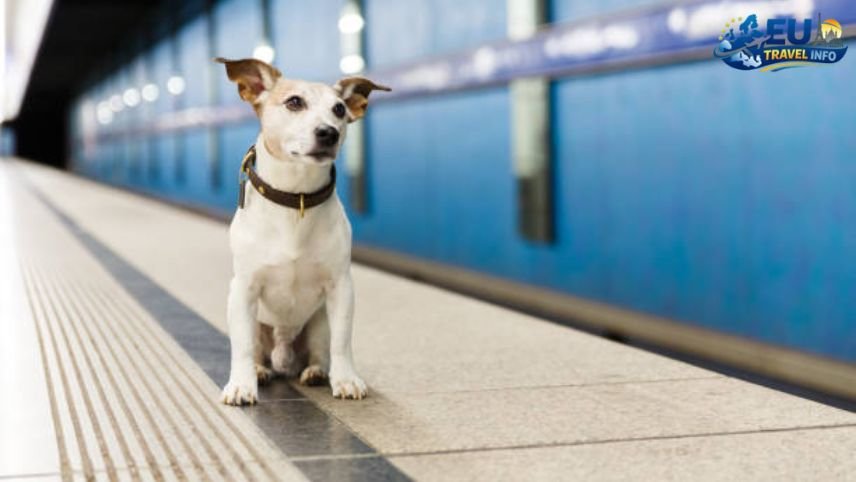
Later, I found out that public transport can be a bit tricky. Dogs are allowed on Bulgarian trains, which are run by BDZ. You can bring a small dog in a waterproof box for free if they stay on your lap or the floor. However, if other passengers object to your pet, you must move to the entry lobby of the coach.
Large dogs are a different story. They must stay in the entry lobby of the last coach of the train. You must buy them a half-price second-class ticket. Additionally, they must wear a muzzle and you must carry their vet certificate. Guide dogs for visually impaired people can travel in all coaches, including sleeping cars.
In the capital city of Sofia, the metro and buses have similar rules. Small pets in boxes travel for free. Large dogs need a single ride ticket. Therefore, always have your dog’s registration papers or pet passport with you. At that time, I noticed that muzzles are usually expected for bigger pups on the metro.
Sofia: A green heart for urban explorers
Sofia is the capital and it is full of history. It is more dog-friendly than you might think. Vitosha Boulevard is the main street for shopping and eating. It has many restaurants with outdoor seating where I dined with my dogs. Similarly, the area around the Alexander Nevsky Cathedral has a grassy spot that is perfect for a nap in the shade.
The National Palace of Culture is another great place. There is a park outside called Ploshtad where dogs can walk freely. Additionally, you can visit the “Ivan Vazov” National Theatre and the National Assembly Square, which both have beautiful gardens for sniffing around. For a bit of ancient history, I took my dogs to see the Temple St. George Rotunda, which is surrounded by Roman ruins.
Plus, some bars in Sofia actually let dogs INSIDE. I always made sure it was not too loud for their ears. If you want a fancy meal, the Japanese restaurant SASA welcomed my dogs with open arms. On the contrary, if you just want a quick coffee, several cafes like Altruist, 65 Fireflies, and Coffee Syndicate are known to be pet-friendly.
The Cultural Hub: Plovdiv
Plovdiv is one of the oldest cities in the world. It is a cultural hub that is very welcoming to dogs. The Old Town has narrow, cobbled streets and colorful houses that are beautiful to explore. I loved visiting the Roman Theatre there. However, while dogs can walk around the outside, they are often restricted from going inside monuments.
Later, we walked along the main pedestrian street, which is one of the longest in Europe. It connects the center to the Old Town and is full of life. Plovdiv also has great parks like Tsar Simeon’s Garden and Lauta Park, which even has a dedicated dog park. Additionally, you can join a dog-friendly wine tasting tour at places like Villa Yustina or Dragomir Winery Estate.
Sun, sand, and paws: The Black Sea Coast
Gradually, Finally, we reached the Black Sea Coast. This is a paradise for beach lovers. Chernomorets was my home base for five weeks. My dogs loved the Vromos Beach because it is peaceful and has lots of shade from tall trees. On the contrary, the Central Beach in Chernomorets has many rules. Dogs are only allowed there before 7:00 a.m. or after 8:00 p.m. during the summer.
If you want a beach that is a “paradise for dogs,” go to Gradina Beach. It allows dogs all year round, even in the busy season. Similarly, Drivers Beach near Dyuni is wild and very dog-friendly. It has crystal clear water and sand dunes for resting.
In Burgas, the Sea Garden is a huge park along the coast. It is perfect for long walks under the trees. However, if you visit the famous Golden Sands or Sunny Beach, be careful. Many of the main public beaches ban dogs from June to September because children play in the sand. Therefore, you must visit early in the morning or look for “wild” beaches where no one bothers you.
Other great spots on the coast include:
- Sozopol: Walk the stone streets of the Old Town and see the islands.
- Nessebar: An ancient town on a peninsula. The ruined Church of Saint Sophia is a must-see with your dog.
- Castle of Ravadinovo: A fairy-tale castle with gardens and fountains where leashed dogs are welcome.
- Irakli Beach: A protected area with a natural, quiet vibe.
Heading for the hills: The Majestic Mountains
Bulgaria has stunning mountain scenery. I spent a lot of time in the Rhodope Mountains, which cover 15% of the country. Smilyan is a village famous for its beans and is a great place to stay in a dog-friendly house. Additionally, the village of Mogilitsa has beautiful old stone houses and a feudal complex called Agushevi Konaktsi. While we went inside the buildings, our dogs waited happily in the enclosed courtyard.
If you like hiking, the Waterfall Canyon Trail near Smolyan is amazing. It follows the river Elenska and has many waterfalls. However, the trail can be rough, so wear good boots. At that time, a storm caught us on the mountain, so we had to turn back quickly. Always check the weather forecast before you go!
In the Balkan Mountains, the Freedom Monument is a majestic sight at the top of a peak. The hike up is great for dogs, and the view of the Central Balkan National Park is worth every step. Additionally, the Ethno Village Etar is an open-air museum where dogs are welcome to walk with you through history.
Practical tips: Vets, food, and care
I worried about finding help if my dogs got sick. However, I found that many vets in big cities speak English. In Sofia, the Central Vet Clinic is highly recommended and is open 24/7 for emergencies. Dobro Hrumvane is another good choice in the center. Also, there is a vet named Georgi in the Krasno Selo area who even does home visits.
For bulgaria dog food, you can find pet shops in most towns. I visited shops in Smolyan and Madan to get treats and new collars. Plus, most supermarkets carry standard brands, but it is a good idea to bring any special prescription food with you.
Finally, remember that traveling with a dog means being a good guest. Always clean up after your pet. In some places, locals might be sensitive about dogs on beaches or in certain parks. Therefore, stay respectful, keep them on a leash when needed, and enjoy the incredible beauty of Bulgaria. It is a trip you and your dog will never forget.
FAQ
Is Bulgaria dog friendly?
Bulgaria is a great choice for a trip with your pup because it is very welcoming. The country has many outdoor spots and natural beauty to enjoy. However, it is not the most pet-friendly place in Europe compared to others. Some museums and churches do not allow dogs inside.
Where is the best place to holiday with a dog?
The Black Sea coast is a paradise for those who love the beach. Similarly, the Rhodope Mountains offer amazing views and hiking paths for you and your furry friend. You could also visit Sofia or Plovdiv for a mix of culture and parks.
Can I fly with my dog to Bulgaria?
You can certainly fly with your pet if you follow the EU Pet Travel Scheme rules. You must check with your airline about their specific rules for crates and fees. Additionally, airlines have their own policies that you need to follow for a safe flight.
How are dogs treated in Bulgaria?
Locals are generally very hospitable and friendly toward dogs. On the contrary, you will see many stray dogs and cats in the cities and countryside. The law forbids any cruel or inhumane treatment of animals.
What is the easiest country to travel with a dog?
Places like Paris and Vienna are often called the most dog-friendly spots in Europe. Bulgaria is an affordable and beautiful choice, though it has more limits than those famous cities.
Can I buy my dog a seat on an airplane?
You must ask your airline if this is possible as policies change between companies. Small dogs often travel in a carrier under the seat in front of you. Large dogs usually travel in the cargo hold.
What should I be careful of in Bulgaria?
Packs of stray dogs can be a concern in some areas. Also, many public beaches ban dogs during the busy summer months of June to September. You should be careful about hot weather and always have water ready.
Is Sofia, Bulgaria dog friendly?
Sofia is a very dog-friendly capital with many parks and gardens. Plus, you can find cafes and bars that even let your dog come inside. It is a city that combines history with a green heart for pet owners.
Concluding Words
Bulgaria is a fantastic and affordable spot for a holiday with your dog. First of all, you must handle the paperwork like microchips and rabies shots before you leave. The country offers beautiful beaches and tall mountains where your pet can run and play.
Therefore, if you plan ahead and respect the local rules, you will have a pawsome adventure in the Balkans.