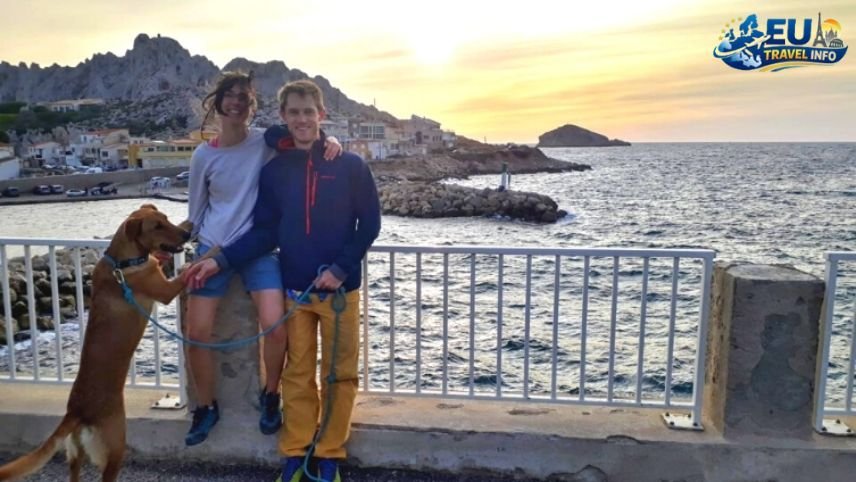
The open road. My trusty dog by my side. The smell of salt air from the Adriatic Sea. This was the dream I chased when I decided to pack up and head south to a region many people overlook. It is a place of rugged peaks and hidden valleys. It is a land where history sits on every street corner. I am talking about the Balkans. If you are a mature traveler who loves a good tour but does not want to leave your four-legged friend at home, this is for you.
Why is it called the Balkans? It is a fair question. The name actually comes from a Turkish word that means “mountains”. Once you see the landscape, you will understand why. These mountains are everywhere. They are beautiful. They are a little wild. How many Balkan countries are there? The answer can be tricky depending on who you ask, but for this trip, I focused on the core group: Albania, Bosnia and Herzegovina, Bulgaria, Croatia, Montenegro, North Macedonia, and Serbia.
Before we dive into the details, you might wonder: is it safe to travel to the Balkans? From my experience, it is absolutely safe. The people are some of the most welcoming souls I have ever met. They might be a bit surprised to see a tourist with a dog, but their hospitality is top-notch.
The Logistics: Getting Your Dog Ready for the Border
First of all, you cannot just show up at a border and expect to breeze through without a plan. The balkans travel guide book in your head needs to start with paperwork. Do not let this part scare you. It is just a series of steps.
Identification and Passports Your pet must have a microchip. This chip needs to be ISO 11784/11785 compliant. It is a 15-digit number that identifies your dog. If you are from the EU, an EU Pet Passport is your golden ticket. It is valid for life as long as vaccinations are current. For my friends from the United States or Canada, you will need an official health certificate issued by a government-approved veterinarian. In the US, that is a USDA-accredited vet.
Vaccinations: The Rabies Rule
Rabies is a big deal here. Your dog must be vaccinated against rabies at least 21 days before you travel. However, some countries, like Albania, do not recognize the 3-year vaccine; they want to see a 1-year booster. Additionally, the microchip must be implanted before the rabies shot is given. If you do it the other way around, the vaccine is considered invalid by EU rules.
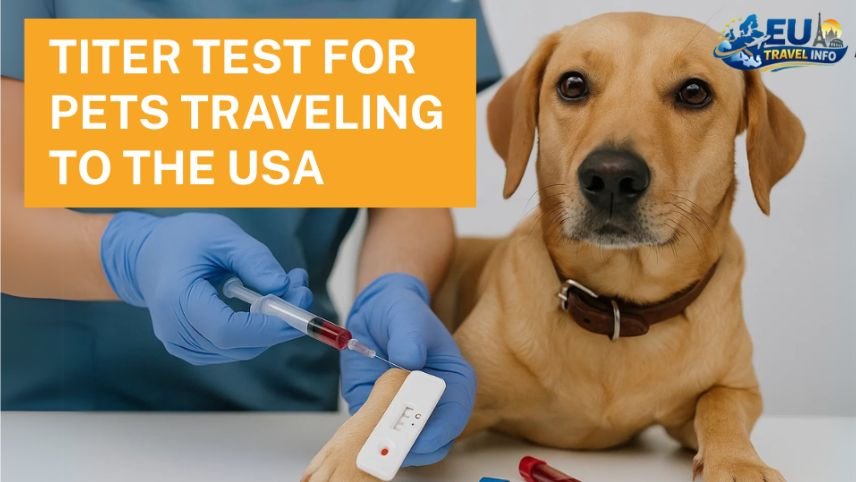
This is where many travelers get confused. I saw plenty of debates about this on balkans travel reddit threads. A titer test measures the antibodies in your dog’s blood to prove the vaccine is working.
- Entering the EU from “High Risk” countries: If you go into Montenegro, Serbia, or Albania and then try to return to the EU (like going from Montenegro back to Croatia), you must have a titer test.
- The Waiting Game: The test must be done at least 30 days after the vaccine. Then, you usually have to wait three months from the blood draw date before you can enter the EU.
- Pro Tip: Get the test done before you leave the EU. If it is recorded in your EU Pet Passport before you depart, there is no three-month waiting period to come back.
Country Spotlight: Bosnia and Herzegovina
Bosnia is a gem. It is not part of the EU or the Schengen area, which makes it a great “reset” spot if your 90-day visa is running low. It is very dog-friendly, but you have to be ready for some local quirks.
The Best Time to Visit I arrived in March, and the weather was perfect for walking. The spring air was crisp. However, keep in mind that many restaurants only allow dogs on their outdoor terraces. If you visit in the winter, your dining options will be limited because it is too cold to sit outside.
Documentation for Bosnia To enter, you need the standard microchip and rabies vaccine. Interestingly, a tapeworm treatment is not required for entry into Bosnia. If you are driving from a non-EU country, you need an Animal Health Certificate issued no more than 10 days before arrival.
Where to Explore
- Sarajevo: There are massive open spaces like Vrelo Bosne park. It is perfect for a long leash walk.
- Banja Luka: We crossed the border at Gradiška and spent time in this lovely city.
- Jajce: The waterfalls are spectacular, and dogs are welcome around the historic sites.
Country Spotlight: Bulgaria and the Balkan Mountains
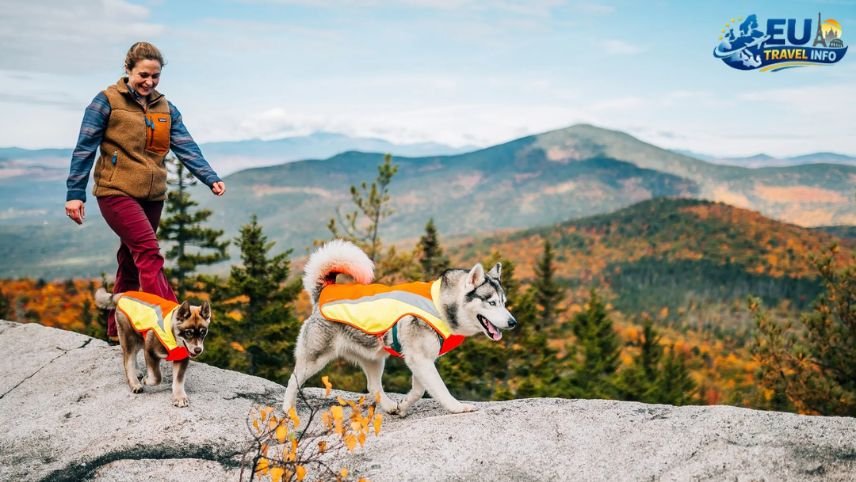
Bulgaria was a massive surprise. It is a paradise for hikers. My husband and I spent four weeks touring here in September. The landscape is a mix of rugged peaks and rolling green hills.
Hisarya: The Roman Spa Town This town is incredibly pet-friendly. We stayed in a cozy apartment near the parks. The Parks of Hisarya, like Orpheus Dol, are great for daily walks. We even hiked up to the White Cross. It is a rocky trail, so bring good boots. The view from the top is a masterpiece of nature.
Plovdiv: Culture on the Hill Plovdiv is one of the oldest cities in the world. Walking the narrow, cobbled streets of the Old Town with a dog is like stepping back in time. We sat on a terrace near the Roman Amphitheatre and just watched the world go by. The main pedestrian street is one of the longest in Europe. It is vibrant. It is full of life. Plus, there are several dog-friendly cafes like Pavaj and Smokini.
The Central Balkan National Park If you want a real adventure, go here. This park covers over 700 square kilometers. You must keep your dog on a leash to respect the wildlife. We saw mountains that looked like they were sculpted by giants.
- Botev Peak Trail: This is the big one. It takes about 8 hours to reach the highest point. It is challenging.
- Kozya Stena Trail: A shorter 4-hour hike with views of rocky cliffs.
Country Spotlight: Serbia
Serbia is affordable and very open to dogs, especially in the capital.
Belgrade: A City of 29 Hills Did you know Belgrade sits on 29 hills?. It is a lot of walking for those little paws! The city has a great riverside walk along Ada Ciganlija. In the winter, more restaurants are opening their doors to pets indoors. Look for the “Pet Friendly” sticker on the door.
Top Pet-Friendly Eats in Belgrade:
- Amphora: Located on the Danube quay. It has an elegant terrace on the water.
- Rustique: Great Italian food in the Senjak area.
- Smokvica: They have several locations and are very welcoming to furry friends.
The Logistics of Serbia If you are coming from Serbia to an EU country, you must have a veterinary inspection certificate. You can get this from a district vet inspection office 48 hours before you leave. It costs about 4,200 dinars. Make sure your dog has been vaccinated against rabies at least once a year and that it is recorded in the passport.
Country Spotlight: Albania
Albania is the new frontier of travel. The balkans language varies, but many younger people in Albania speak great English, which helps when you are looking for a vet.
Local Attitudes You should be aware that some locals are uneasy around dogs. They might cross the road or stare. This is often because of a history of strays and rabies concerns. However, the younger generation is very different. They often want to say hello to your pup.
Getting Around Albania Public transport is the biggest hurdle. Dogs are generally not allowed on public buses.
- Furgons (Minibuses): These are informal. Sometimes a driver will let a small dog in a carrier on board, but it is not a guarantee.
- Renting a Car: This is the best way to see the country. Companies like Avis and Eurocar are usually pet-tolerant.
- Taxis: Most will take a pet if you ask nicely. Sometimes an extra 500 Lek will help change a driver’s mind.
Must-Visit Spots
- Tirana Grand Park: A favorite for local dog owners.
- Theth and Valbona: These are mountainous areas with jaw-dropping trails.
- The Riviera: Places like Himarë have quiet beaches where dogs can roam.
Country Spotlight: Montenegro
Montenegro is small but mighty. You can drive across it in an afternoon, but you should take your time.
Beaches and Lakes There are seven official pet-friendly beaches on the coast.
- Herceg Novi: Look for the swimming area below the Military Hospital.
- Budva: Slovenska beach has a designated pet section.
- Ulcinj: Mojito Beach on the famous Long Beach is welcoming to pets.
National Parks We loved Biogradska Gora National Park. We walked the loop around the lake and did not see another soul. It was peaceful. We even heard there are bears in the woods near Plav!.
Transportation: Ferries and Trains
Traveling between these countries often involves the sea.
Crossing the Adriatic by Ferry You can take a ferry from Italy (Bari or Ancona) to Albania (Durrës).
- Pet-Friendly Cabins: This is the best option. It is more expensive, but your dog can stay with you.
- The Kennel Option: I do not recommend this unless you have no other choice. The kennels are often on the top deck, noisy, and dirty. My dog panicked in one.
- The “Relief” Issue: Most ferries do not have a real pet relief area. Bring absorbent pads just in case.
The Famous Train to Serbia We took the train from Bar, Montenegro to Uzice, Serbia. The Montenegrin side used old 6-seater cabins. It was not very fancy. The Serbian train was much more modern and clean. The pet ticket only cost about €7.50. No one even checked the dog’s papers at the border.
Safety and Health: What to Watch For
The Balkans are beautiful, but they come with unique risks for pets.
Stray Dogs You will see strays everywhere. Most are calm community dogs. However, aggressive packs have been reported in rural areas and on hiking trails. I always keep my dog on a leash in these spots. It is also smart to carry a deterrent spray or an air horn just in case.
Poison and Hygiene Sadly, some locals put down poison to control the stray population. Be very vigilant. Do not let your dog eat anything off the street. Additionally, the tap water in many places like the Albanian Riviera is not potable. Buy bottled water for your dog. It usually costs between 30 to 80 Lek per bottle.
Fleas, Ticks, and Parasites The region has plenty of these pests. Keep your dog on a monthly preventative medication. The good news is that these meds are very cheap to buy at local pharmacies or vets in the Balkans.
The Balkan Trail
Exploring this region with a dog requires a sense of adventure. It is not as simple as a trip to France. You have to be flexible. You have to be prepared. But the reward is immense. You will see landscapes that look like they were carved by the devil himself. You will eat delicious local food—I highly recommend the Balkan Meals prepared by guesthouse owners.
Numerical Fast Facts:
- Microchip: Must be 15-digits.
- Cost of Exit Certificate (Serbia): ~4,200 dinars.
- Train Pet Ticket (Montenegro to Serbia): ~€7.50.
- Wait time for Titer results: ~10 to 14 days for the lab work, but 3 months for travel if not done in the EU.
- Ferry Pet Cabin (Italy to Albania): ~€148.
A Complete Guide to Exploring the Balkans with Your Dog should always remind you to enjoy the moment. Do not stress the small stuff. If a border guard only gives your paperwork a cursory glance, just smile and keep driving. The mountains are waiting. The sea is calling. Your dog is ready. Go explore!.
FAQ
Is Bulgaria pet friendly?
It is a paradise for people who love nature and dogs. Friendly locals welcome guests and their pets with open arms.
Which country is the most dog friendly?
Slovenia is one of the most dog-friendly countries in the region. Pups are welcome in many cafes, parks, and even shops there.
Which part of Bulgaria is best to stay in?
Hisarya is a top choice if you want to visit the central region. Sofia is the capital and has a green heart with many parks. Plovdiv is a cultural hub with long pedestrian streets for walking.
Is Bulgaria friendly to foreigners?
It is very welcoming. I found that the people are hospitable and happy to see travelers.
Is Sofia, Bulgaria dog friendly?
Sofia is a dog-friendly destination. It has many activities and parks like Borisova Gradina where dogs can socialise.
Is Emirates dog friendly?
The provided text does not mention this airline.
Can I bring my dog to Bulgaria?
Yes, you can bring your dog. You must have a microchip, a rabies vaccine, and an EU pet passport or health certificate.
Which city is the most dog-friendly?
Ljubljana is a fantastic city for pets. Dogs are welcome in many public spaces and cafes there.
Concluding Words
A trip through the Balkans with your dog is a grand adventure. First of all, you must prepare the correct papers like the microchip and rabies shot. Countries such as Slovenia and Serbia are very open to pets.
Though border checks can be slow at times, the views of the mountains and the sea are stunning. Additionally, you should be ready for stray dogs in some cities. Finally, the mountain trails and old towns create a perfect tour for you and your furry friend. This region offers a unique experience that stays in your heart forever.