I am a traveler who loves to explore new places with my best friend, my dog. We have spent a lot of time wandering through the Balkans. Most people ask me one specific question before they pack their bags. Is Albania dog friendly? The answer is a resounding yes. Albania is a stunning, pet-loving paradise if you know how to navigate it.
I spent two months there in early 2025. I visited the busy streets of Tirana and the quiet peaks of the Albanian Alps. Traveling Safely with Your Dog in Albania requires a bit of planning. However, the reward of seeing your pup run on a Mediterranean beach is worth every second of work.
First of all, I want to talk about the preparation. You cannot just show up at the border and hope for the best. Albania is not part of the European Union or the Schengen area. Therefore, the rules are slightly different than in Italy or Greece. You must have a collection of documents that we call a pet passport.
This collection includes proof of a 15-digit ISO 11784/11785 compliant microchip. Additionally, your dog needs a current rabies vaccination. Albania does not recognize the three-year rabies shot. Your dog must have a valid one-year rabies vaccine. Plus, you must wait at least 21 days after the shot before you enter the country.
Later, you will need an official health certificate. A licensed vet must prepare this within 10 days of your travel. On top of that, a government vet must endorse it. In the United States, this is the USDA. You might be looking for an animal health certificate pdf online to see how it looks. The official form includes your information and details about your pet.
It also lists vaccinations and parasite treatments. Albania requires a treatment for internal and external parasites shortly before you arrive. Gradually, you will realize that organization is the key to a stress-free entry.
Taking Your Dog to Albania: The Journey Begins
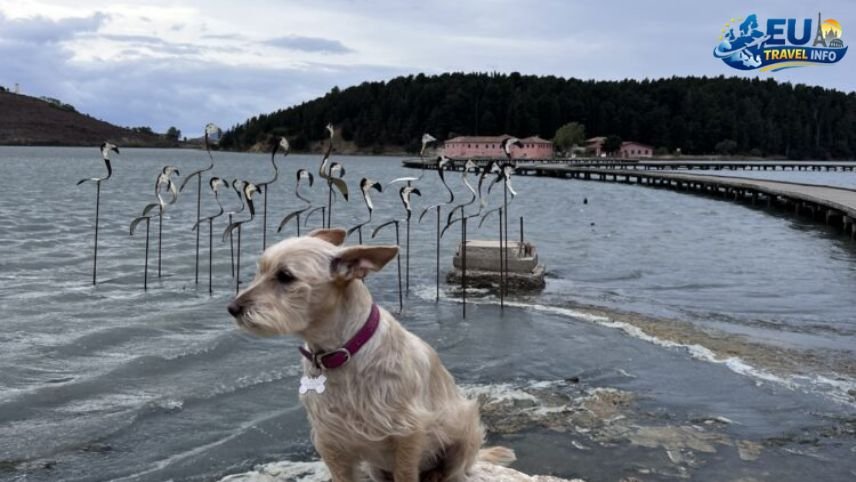
There are several ways to get to this beautiful country. Taking dogs abroad by plane is a common choice. You must enter through the Tirana International Airport Nënë Tereza in Rinas. I suggest that you give advance notice to the vet officials at the airport.
This is important if you arrive late at night or on a weekend. Flying dog to europe in cabin is possible if your pet is small. My dog is only 4 kg and fits in a small carrier. This makes the process much easier. Many airlines allow this, but they have a limit on how many pets can be in the cabin. You should book your pet ticket right after you buy yours.
However, many people ask how to get a dog to europe without flying. I prefer this method too. I took an overnight ferry from Bari, Italy to Durrës. You can book a private room on the ferry. This allows your dog to relax off-leash in a safe space.
Adria Ferries offers pet-friendly cabins. Similarly, you can take a ferry from Corfu, Greece to Saranda. The views of the Ionian Sea are stunning. I found that ferry companies usually check your papers before you board.
Driving is another great option. I drove across the Greek-Albanian border in a van. The road from Igoumenitsa climbs a hill with a view of the sea. Greek officials were very fast. On the contrary, the Albanian side took about an hour. They searched my van and checked all the paperwork. The officials were very friendly though.
They even apologized for the delay. You can also enter by bus, which the locals call a furgon. This is more common for small dogs in carriers. Larger dogs might not be allowed on these minibuses. Therefore, renting a car is the most flexible way to move around.
Durrës: The Gateway Port
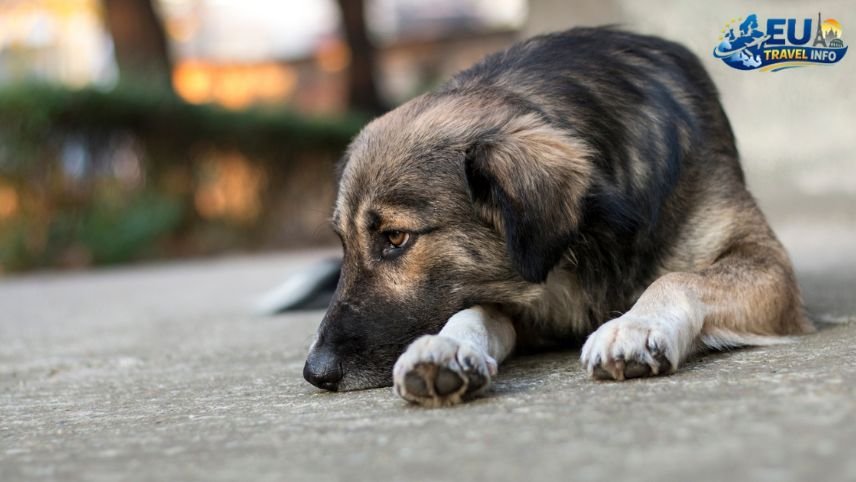
My first stop was Durrës. This is a big port town. First of all, be aware of the stray dogs here. As I walked from the port to my rental home, several strays followed us. They were barking and growling, which made me nervous.
I was worried about my dog’s safety. However, after a week, the dogs got used to us. The strays in Durrës often live in small packs. You will see locals feeding them. I did the same.
Durrës has some good services for pets. My dog got sick while we were there. I found a clinic called Pet House. The vet spoke English and was very careful. She gave my dog two shots. The total cost was only $10.50.
This is much cheaper than in Western Europe. At that time, I realized how affordable vet care is in Albania. Plus, you can find dog food in supermarkets like Spar and Conad. Dog food is more expensive here than in the EU. I recommend that you buy wet food at Spar and dry food at Conad to save money.
Tirana: The Vibrant Capital
Later, we moved to Tirana. The capital is the most crowded city in the country. It has a population density of about 454 people per square kilometer. Tirana is surprisingly dog friendly. I stumbled upon a dog park in Reinia Park on my first day.
It is near the city center and the pyramid. My dog made many new furry friends there. Even though she barks in English, she had no trouble communicating with the local dogs.
Additionally, you must visit Tirana Park. It surrounds a large artificial lake. This is a popular spot for locals to walk. The park even has drinking fountains that dogs can use. I highly recommend staying in an area between these two parks.
It is a 20-minute walk between them, so finding a spot in the middle is perfect. Tirana also has the largest veterinary hospital in the Balkans. It is called Vet Hospital Tirana. This facility is 4,000 square meters. It offers 24/7 emergency care and has digital X-rays. It even has a luxury boarding facility.
Tirana has a great café culture. Many places allow you to sit outside with your dog. Some restaurants even let you sit inside.
I visited Mulliri Vjetër, which has several locations. The staff often bring out a bowl of water without me asking. On top of that, ODA Garden Café is a hidden gem. They keep dog treats at the counter. Your pup might be more excited to go there than you are.
The Albanian Riviera: Beaches and Sun
Moving south, we hit the Albanian Riviera. This area is famous for its turquoise waters and smooth pebbles. Saranda was our base. It is a coastal city with a lively nightlife. Saranda is also the gateway to the ancient city of Butrint. I brought my dog to Butrint National Park, which is a UNESCO site. He enjoyed the nature trails and historical ruins. We even had a picnic in the castle while looking at the wetlands.
The beaches in the south are amazing. However, you should visit during the shoulder season like May or September. Dhërmi Beach is ideal for active dogs with high energy. It has wild open spaces where they can run.
Borsh Beach is the longest stretch of beach in Albania. It is 38 km north of Saranda. It is perfect for “lazy loungers” who want to nap under an umbrella. There is a charming restaurant in Borsh village with a waterfall running through it. We had lunch there, and my dog was welcomed with open arms.
Ksamil is another slice of paradise. It has Caribbean-like beaches and crystal-clear water. In the off-season, it is a great place for social dogs to make friends. Though it is packed in the summer, we loved our visits in the spring.
Himare has a mix of pebble and sandy beaches. We had morning coffee at a seafront café where the dogs were pampered. If you want a hidden gem, go to Gjipe Beach. You have to hike or take a boat to get there. It is very secluded and has caves for curious pups to explore.
Gjirokastër: The Stone City
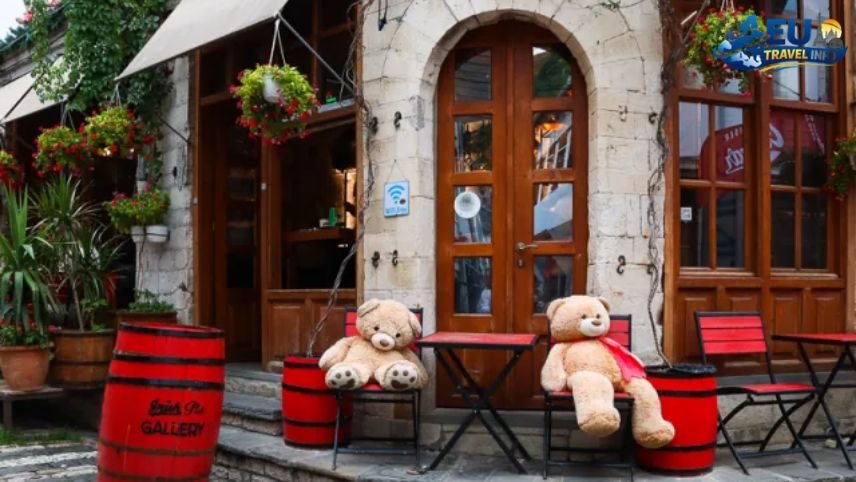
We also visited Gjirokastër, which is 55 km from Saranda. It is a UNESCO town known for its unique Ottoman architecture. I took my dogs to explore Gjirokaster Castle. It is a magnificent hilltop fortress with a panoramic view of the river valley.
The dogs loved the adventure as much as we did. Later, we walked through the Gjirokaster Bazaar. The streets are zig-zagged and full of local crafts. Dogs are welcome everywhere in the market area. My dog was fascinated by the teddy bears sitting on chairs in the street.
The Manalat Quarter is another lovely area for a walk. It is a quiet neighborhood with beautiful homes. There are fewer people here, which makes it perfect for a calm stroll. Additionally, you can visit Zekate House.
This is an old house from Ottoman times. Dogs are welcome to visit from 8:15 am until 8:00 pm. However, pets cannot enter the Ethnographic Museum. You can still walk them around the outside to enjoy the local culture.
The Albanian Alps: The Accursed Mountains
If you love hiking, you must go to the Northern Albanian Alps. This area is a hiker’s paradise with peaks over 2,000 meters. Most trips start in Shkoder. I stayed at Wanderer’s Hostel, which is very knowledgeable about the mountains.
They even offer luggage storage for your extra bags while you go hiking. Shkoder is also home to Klinike Veterinare Edi. The vet there is very helpful with travel paperwork.
To get to the heart of the Alps, you must take a minibus to the Komani Lake ferry port. The ferry ride is stunning and costs about €10. People call it the “Thailand of Albania”. Once you arrive in Fierza, you take another bus to Valbona.
Valbona Valley National Park is full of generational guesthouses. These are locally owned and very traditional. I found the owners to be some of the friendliest people in the country.
Things to know before you go to the Alps:
- It is cash only. There are no ATMs in Valbona or Theth.
- There are no grocery stores. You will eat meals cooked by your guesthouse hosts.
- The weather can be unpredictable. Snow falls from late October to May.
- June and September are the best months for hiking.
The most famous hike connects Valbona to Theth. It takes anywhere from three to nine hours depending on your fitness. The highlight is the Valbona Pass, where you see epic views of both valleys. In Theth, you can hike to the Blue Eye of Theth.
This is a waterfall pool with ice-cold water. It is a long hike, but taking a dip in the cold water is dreamy during the summer heat. Similarly, the hike to Grunas Waterfall is very accessible and beautiful.
Staying Safe: Health and Local Hazards
Traveling Safely with Your Dog in Albania – Tips for Each Town includes knowing the local hazards. First of all, watch out for poison. Unfortunately, some locals put down poison to control the number of stray dogs. This often happens in cities like Saranda and Gjirokaster. You must be extra vigilant. Do not let your dog eat anything off the street.
Additionally, stray dogs can be a challenge. Most are not aggressive, but they are territorial. I suggest keeping your dog on a leash at all times. If a stray approaches, stay calm. Sometimes a loud “shuuuush” or telling them off works well.
You can also carry a pet corrector that uses a burst of air to distract them. On top of that, beware of shepherd dogs in rural areas. Their job is to defend their flock against wolves. They are large and can be fierce.
Disease control is another big topic. Albania has both fleas and ticks. I keep my dog on monthly medication. The good news is that these meds are very cheap in Albania. You should also be aware of Leishmaniasis.
This is a fatal disease spread by sandflies, which are common in Southern Europe. I recommend getting your dog vaccinated for this at least one month before your trip. Plus, keep your dog indoors at dusk and dawn when insects are most active.
Other hazards to watch for:
- Water: Most tap water is not safe to drink in Tirana or the Riviera. Give your dog bottled water.
- Heat: Summers can get over 40°C (104°F). Avoid midday travel and always carry fresh water.
- Pine Processionary Caterpillars: These are active from September to March. Their hairs are toxic and can be fatal to dogs. Stay away from infected pine or oak trees if you see white nests.
- Trash: There is garbage in many places, which can contain broken glass or metal. Check your dog’s paws regularly.
The Big Question: Exiting Albania
Many people find that getting into Albania is the easy part. However, getting back out is more complicated. Albania is considered a “high rabies risk” country by the EU and UK. If you want to return to the EU, you might need a Rabies Antibody Titer Test.
You must have this blood test done at least 30 days after the rabies shot. If the test is done in Albania, you must wait three months before you can re-enter the EU.
I suggest that you get this test done while you are still in the EU. The test results last forever as long as you keep the rabies boosters up to date. If you did not do this, you can find vets in Albania who offer the service. Klinike Veterinare Putrat in Shkoder and Klinike Farmaci Veterinare MTG in Saranda can send blood samples to a lab in Germany. This takes time and costs around 22,000 lek ($200).
Additionally, as of June 2025, you need an exit health certificate from the Albanian government. First, a local vet must examine your pet and give an anti-parasite treatment. Then, you take your papers to a government office. In Tirana, the office is near Rruga Reshit Petrela. They are open from 8:00 am to 4:00 pm, Monday to Friday.
You have to go to a bank to pay a fee of 500 lek ($6) and bring the receipt back to the office. I suggest giving yourself an extra day for this process. Sometimes the person in charge of the paperwork is on leave. In Shkoder, some vets will do this entire process for you for about 2500 lek ($30).
Town-by-Town Quick Tips
Here is a quick summary of what I learned in each town to help you plan.
Tirana:
- Stay between Grand Park and the dog park in Reinia.
- Visit Artigiano at Vila for a pet-friendly Italian dinner.
- Check out Vet Hospital Tirana for any emergency.
Durrës:
- Be careful when walking from the port due to stray packs.
- Use BS Taxi to move around; they allow dogs on the floor.
- The vet clinic Pet House is excellent and very affordable.
Saranda & Ksamil:
- Take your dog to Butrint National Park for a mix of history and nature.
- Eat at Natyra Restaurant for breathtaking views and pet-friendly service.
- Visit Ksamil in the shoulder season to avoid the massive crowds.
Theth & Valbona:
- Bring plenty of cash as card is not accepted.
- Ask your guesthouse for a packed lunch before you start your hike.
- Store your extra luggage in Shkoder to make the mountain travel easier.
Gjirokastër:
- Walk the Manalat Quarter for a quiet, scenic stroll.
- Visit the Castle but skip the Ethnographic Museum if you are alone with your pet.
- Watch out for hot stones in the Bazaar during the summer.
Understanding the Local Culture
You should know that many Albanians are genuinely afraid of dogs. This fear is often rooted in the culture. Adults often warn children that a dog will bite or bark at them. Because there are so many strays, people see them as dirty or dangerous. Therefore, I always make sure to give people space. If I notice someone feeling uneasy, I move to the other side of the street. This is being a respectful traveler.
However, attitudes are changing. We met many locals who adored our dogs. One restaurant owner even called them “angels”. People often stop us to ask about my dog’s breed and name. In the cities, you will see more and more people with their own pets. Companion animal ownership is a recent phenomenon in Albania. The veterinary services are developing fast to meet this demand. Plus, there is a program to neuter strays, and you will see them with yellow ear tags.
Final Packing List for Albania
Before you go, make sure you have these essentials in your bag.
- Collapsible water bowl and plenty of fresh water.
- Doggy sunscreen for those hot Riviera days.
- Tick twister for safe removal of parasites.
- Biodegradable poop bags, as they are not widely available in shops.
- Muzzle, which is sometimes required on public transport or ferries.
- Local SIM card (Vodafone is good) to find vets on Google Maps.
- High-quality dog food if your pet has a specific diet.
Is It Worth It?
Traveling to Albania with a dog is not always simple. It requires more paperwork than a trip within the EU. You must deal with strays and high summer heat. However, it is definitely worth it. Albania is one of the last “undiscovered” countries in Europe.
The prices are low, and the scenery is spectacular. The people are some of the kindest I have ever met. My dog, Dory, loved the mountain air in Theth and the pebble beaches in Himare. We are already planning to return next year.
How long does a dog passport last? This depends on your home country, but the rabies vaccination is what usually dictates the validity. Ensure yours is up to date before you leave. Traveling Safely with Your Dog in Albania – Tips for Each Town is my gift to you so you can enjoy this adventure too.
Pack your bags, grab your leash, and go explore the Accursed Mountains. You will not regret it. Plus, your dog will thank you for the extra zoomies on the beach. Finally, remember to take it slow and enjoy the simple pleasures of life with your furry companion in this Balkan gem.
Frequently Asked Questions
Can I travel to Albania with my dog?
You can travel to Albania with your dog if you follow the local entry rules. Your dog must have a 15-digit ISO 11784/11785 compliant microchip and a current rabies shot. Additionally, you need an official health certificate from a licensed vet that is signed by a government official. You can enter the country by plane at the Tirana airport, by car at land borders, or by ferry from Italy or Greece.
Are dogs allowed on the beach in Albania?
Dogs are allowed on most beaches in Albania, especially if you visit during the off-peak season from January to April or September to October. Many beaches do not have strict rules about dogs running free in these quiet months. However, some busy spots like Ksamil Beach may restrict dogs during the middle of the day in the summer. Similarly, it is always best to check the specific rules of a beach before you let your dog off the leash.
How do I travel safely with my dog?
You must keep your dog on a leash to protect them from packs of territorial stray dogs. You should also use monthly medicine to stop fleas and ticks because these parasites are common in the Balkans. Give your dog bottled water because tap water in most cities is not safe to drink. On top of that, you must avoid feeding your dog raw meat to prevent them from getting tapeworms.
Is Albania rabies free?
No, Albania is not rabies free. The World Organization for Animal Health classifies Albania as a high-rabies country. Therefore, you must ensure your dog has a valid rabies shot before you enter. Plus, you will likely need a Rabies Antibody Titer Test to get your dog back into the European Union or the United Kingdom.
What is considered impolite in Albania?
It is considered impolite to take your dog into religious sites like mosques. Additionally, many people in the country are genuinely afraid of dogs because of local culture. You should always ask for permission before you bring your dog into a restaurant or a shop. If you see someone who looks scared, you should move to the other side of the street to give them space.
What happens if I bring my dog to the beach?
Your dog will have a great time running on the sand and playing in the clear waters of the Ionian Sea. However, you must be careful because the pebbles on beaches like Dhërmi can get very hot and burn their paws. You might also encounter stray dogs or large shepherd dogs that are guarding the area. Finally, remember to rinse the salt off your dog’s skin to prevent irritation after they swim.
How safe is Albania for tourists?
Albania is very safe for tourists and has low rates of crime. Many travelers feel comfortable walking through the cities as solo visitors even at night. People in the towns are generally very welcoming and kind to foreigners. Though you should always stay aware of your surroundings, you do not need to worry about theft in most areas.
Concluding Words
Albania is a beautiful and affordable place for you and your dog to visit together. You will find pet-friendly parks in Tirana, stunning beaches on the Riviera, and wild trails in the Northern Alps.
You must be organized with your pet passport, rabies shots, and health certificates to ensure a smooth trip. Though you will face challenges like stray dogs and high summer heat, the kindness of the local people makes the effort worth it.
Traveling Safely with Your Dog in Albania – Tips for Each Town helps you navigate every stop from Durrës to Theth. Finally, remember to get your titer test done early so that you can return home without any delays.