I have traveled all over the world, but I must tell you that Germany is a paradise for people like us who cannot imagine a vacation without our four-legged best friends. It is easily one of the most dog-friendly countries in Europe. You will see dogs everywhere. In cafes. In parks. On trains. Even in some shops. The locals are very relaxed and respectful. Dog Friendly Places to Visit in Germany are around every corner. Whether you want to see historic towns, stunning nature, or big cities, there are many spots for a tail-wagging adventure.
First of all, I need to talk about the rules because Germans love order. If you are coming from a non-EU country, your dog must have a microchip and a valid rabies vaccination. You also need an official health certificate from a veterinarian. Do not forget that the rabies shot must be given at least 21 days before you travel. Additionally, you should know about banned dog breeds in Germany. Certain breeds are classified as dangerous and cannot be imported. If you own one of these breeds, your pet must always wear a muzzle and stay on a lead in public.
Plus, you must be a responsible pet parent. In cities like Berlin, there are more than 100,000 pet dogs. Therefore, you must carry poop bags at all times. If you are caught without them in a public place, you can be fined between 35 and 250 Euros. It is a high price for a small mistake. Also, many cities require dogs to have liability insurance. This insurance covers you if your dog accidentally breaks something or hurts someone. I recommend getting it because it is cheap and saves you from a big headache.
Gradually, you will find that the culture here is different from North America. I was transfixed the first time I saw dogs lying quietly at their masters’ feet in a fancy restaurant. It is very common here. Though some places like supermarkets and bakeries are off-limits, most restaurants welcome well-behaved pups. You might see a sign that says “Wir müssen draußen bleiben” which means “We must stay outside”. If you do not see a sign, just walk in casually like it is the most normal thing in the world. Most of the time, the server will bring a bowl of water before they even take your order.
Getting Around: The Magic of Public Transport
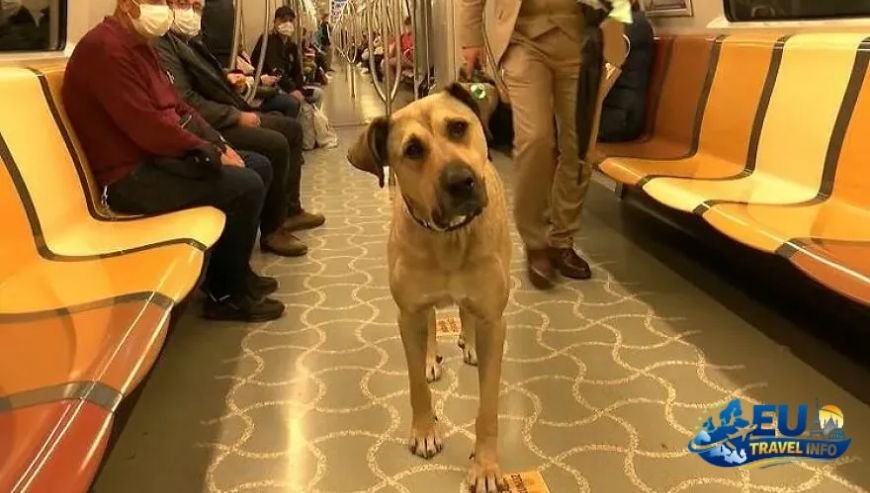
The public transportation system in Germany is excellent. It makes dog friendly holidays germany so much easier. Dogs of all sizes are allowed on buses, trains, and trams. However, there are rules you must follow to avoid a penalty fare. Small dogs that fit into a carrier or a bag usually travel for free. On the contrary, larger dogs usually need a ticket. This is often a reduced fee, like a children’s ticket.
First of all, let us talk about the trains. If you take the ÖBB Nightjet, which is a great night train, you must book a whole compartment to bring your dog. Your dog must also wear a muzzle and a leash. Plus, dogs are not allowed on the seats or in the MiniCabin category. They must sit on the floor. If you are using a Deutschland Ticket, which costs 58 Euro per month, remember that it does not automatically include your dog. Some regions like NRW or Berlin/Brandenburg allow dogs to ride for free with you, but in other places, you must buy an extra ticket.
Muzzles are a big topic of conversation among travelers. Though your dog might be the sweetest soul, the law often says that any dog bigger than a house cat must be muzzled on public transport. Some people say it is rarely enforced, but I always carry one just in case. It protects others who might be scared of dogs. It also protects your dog if there is an accident and they get scared and try to bite. Safety first.
Additionally, if you are wondering, is austria dog-friendly? Yes, it is. You can take the night trains from Germany directly into Austria with your pup. The rules are very similar, so you can expand your trip easily.
Berlin: The Dog Capital
Berlin was voted the most dog-friendly city in Germany. It has a “punk-rock soul” and rolls out the welcome mat for pets. I love to start my day in Tiergarten. It is a massive green oasis in the middle of the city. It is perfect for sniffing out new adventures. There are many other spots like Grunewaldsee, which is a famous swimming area for dogs. You will see dozens of dogs splashing in the water there.
On top of that, you should visit DogTap Berlin. It is the European headquarters for BrewDog. It is a paradise for dog owners who like beer. They have freshly brewed beer, a beer museum, and even a bowling alley. The best part is the fenced-in dog park right on the property. You can sip your drink while your dog runs free. It is a total win-win.
If you are looking for dog-friendly restaurants berlin, try spots like Five Elephant, Rosario Steakhaus, or Oslo Kaffebar. They are very welcoming. If you visit in late November, do not miss the Berlin Dog Christmas Market in Grunewald. They have Christmas decorations with an animal touch and gifts for your furry friends. You can even get mulled wine for yourself while your dog meets new friends. The admission is only €2,50, and part of it goes to animal welfare.
Later, if your pet gets sick, do not panic. Berlin has a high standard of veterinary care. There is a 24/7 emergency service at Veterinary Practice Bärenwiese on Uhlandstraße. They are prepared for any situation. Many vets in the city speak English, so communication is easy.
Munich and the Bavarian Alps
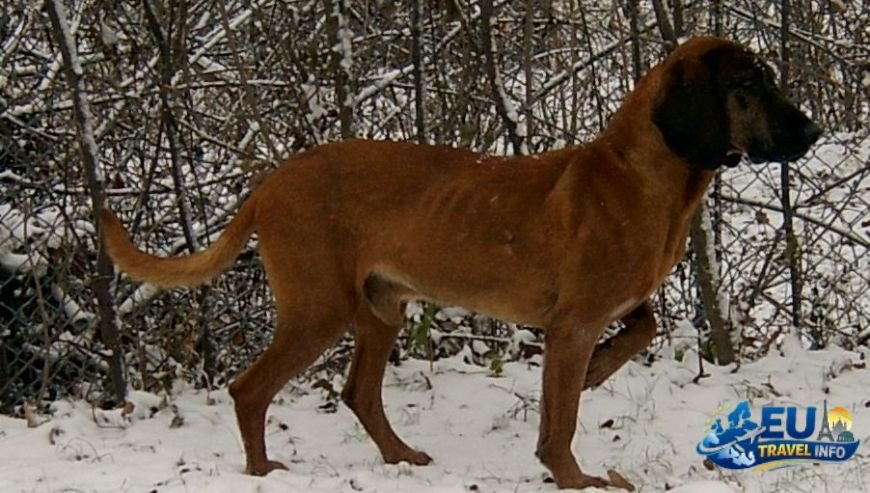
Munich might be dog heaven in disguise. There are endless parks and friendly beer gardens. Many strangers even carry treats in their pockets just in case they meet a pup. First of all, you must go to the Englischer Garten. It is one of the largest urban parks in Europe. It is a giant off-leash wonderland with rivers to splash in and wide-open fields. After a long walk, pop into a beer garden for a bratwurst. Your pup will definitely give you “the look” for a bite.
Though the city is great, the Bavarian Alps are a dream come true for active pairs. Think about the crisp mountain air and turquoise lakes. Hiking with dogs germany is at its best here. There are trails for every skill level. Some mountain huts even serve “Hundewurst,” which is a special dog sausage. Plus, dogs are allowed on many cable cars and cog railways, like the Wendelsteinbahn, for a small fee.
Similarly, you can visit Garmisch or Berchtesgaden. These towns are very welcoming. However, do not forget that some places like Neuschwanstein Castle have restrictions. You can usually walk around the gardens and the outside, but dogs cannot go inside the historic buildings. It is best to take turns exploring the inside while someone stays with the dog.
Therefore, always check the rules before you go. Bring plenty of water and watch your dog’s energy levels on long hikes. The mountain weather can change fast.
Hamburg and the Baltic Sea Coast
If your dog loves the water, Hamburg and the Baltic Sea are perfect. Hamburg has breezy riverside trails and sections of the beach near Altona just for dogs. Additionally, the town of Sylt is famous for being pet-friendly. It has 17 dog beaches. Imagine the early morning walks on the sand. Pure bliss.
Additionally, the state of Mecklenburg-Vorpommern has a 2,000 kilometer coastline with many designated dog beaches. Here are some of my favorite spots:
- Binz: On the island of Rügen. The Nordstrand (access 50 and 51) allows dogs to run off-lead all year round. The sand is fine and the water is shallow.
- Prerow: This beach is nearly five kilometers long. It has white sand that looks like powdered sugar. Dogs must stay on a lead here all year.
- Ahrenshoop: This area has an “artists’ colony flair”. The beach is wide and bordered by dunes and pine trees.
- Lubmin: Located on the Greifswald Bodden. It has wide, shallow water and sandbanks where dogs can splash safely.
- Boltenhagen: The dog beach is near Tarnewitz. It is a quiet spot with a wide carpet of light sand.
During the main season (May to September), dogs are usually only allowed on these marked sections. However, in the low season from October to April, the entire coastal strip is often open to dogs. I find that the low season is actually better because there are fewer crowds. On top of that, there are often poop bag dispensers at every beach crossing to help keep the sand clean.
The Black Forest: A Fairy Tale Vacation
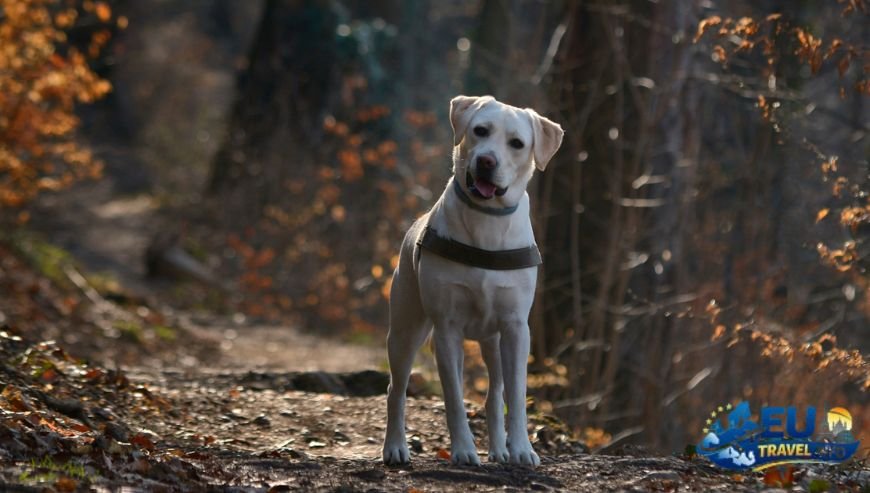
The Black Forest is a region that looks like it came straight out of a storybook. It is an ideal destination for dog friendly germany trips. The nature is beautiful and the atmosphere is very welcoming. Many hotels here are set up specifically for dogs. Some even have fenced gardens, special sleeping areas, or grooming services.
First of all, let us talk about the hiking. There are thousands of kilometers of trails.
- Todtnau Waterfall Circular Trail: This is a 4.5 km hike with impressive waterfalls. It is rated 4.5 out of 5 stars for dogs.
- Mummelsee – Hornisgrinde: A 6.7 km loop that is perfect for young or untrained dogs because the paths are well-developed.
- Wutach Gorge: This is a more challenging 14 km hike. It is one of the most impressive gorges in the country. The water is cool and refreshing for the dogs.
Additionally, dogs are allowed in some of the lakes. At Titisee, pups can jump in the water on the south bank. Schluchsee also has dog-friendly bathing spots. If you want something different, you can visit Steinwasen Park. It is an animal park where dogs can join you for a reduced fee.
Behavioral tips are important here. Please keep your dog on a leash in nature reserves and the National Park to protect wild animals. Also, check your dog for ticks after every walk, especially in the spring and summer. If you travel in winter, be careful of the salt on the roads and protect your dog’s paws.
The Harz Mountains: Wild and Free
The Harz Mountains are located in the center of Germany. This makes them very easy to reach. There are more than 8,000 km of signposted hiking trails. Your dog will love the chance to sniff every corner. One unique thing here is the Harz hiking pin. You can collect stamps at 222 places. For your furry friend, there is even a “four-paw badge” they can wear on their collar.
On top of that, there are special “dog forests.”
- Wildemann Dog Forest: This is a 3,000 square meter area that is fully fenced. It is open day and night and it is free. Dogs can dig and roll around as much as they want.
- Wolfshagen Dog Park: This one is even bigger at 5,000 square meters. It has trees and bushes for shade on hot days.
- Hahnenklee Dog Park: A 1,850 square meter area with fresh water and benches for the owners.
Though these areas are off-leash, remember that leashes are mandatory in the Harz National Park all year long. Rangers monitor this and the fines are high. Similarly, during the breeding season from March or April to July, you must use a leash in the forests to protect young wildlife. Fines can go up to 2,500 Euros. Plus, there are no rubbish bins in the deep forest. You must take your waste bags back to the town with you.
Saxon Switzerland: Rugged Beauty
Saxon Switzerland National Park is near the border with the Czech Republic. It has lush paths and incredible rock formations. It is as dog-friendly as can be. You can even stay at Hohnstein Castle with your pup. How cool is that?
First of all, you should use the public transport here. There are ferries that shuttle people across the Elbe River. Dogs are allowed and they pay a reduced fare. You can also take the Kirnitzsch Valley Tramway to different trailheads.
The Bastei Trail is the most famous hike. It takes you over a massive stone bridge. However, it can get very crowded. I recommend going very early in the morning. Otherwise, your dog might get stressed by all the feet and noise. For something quieter, try the Kirnitzschtal Valley trail. It is flat and easy.
Additionally, you must protect your dog’s paws. The terrain is rugged and rocky. If your dog will not wear boots, use paw wax to create a protective layer. Similarly, keep your dog on a short leash at spots like Sanssouci Park in Potsdam if you visit that area. It is a world-renowned garden and they are very strict about the rules.
Cologne and Leipzig
Cologne is a historic city where you can stroll along the Rhine River. It is perfect for snapping selfies in front of the iconic Gothic cathedral. Most shops and public transport options here allow pups. Rheinpark and the Altstadt (Old Town) are great for long walks.
Leipzig is another hidden gem for dog owners. It is an artsy, laid-back city. Most public transport, including trams and buses, allows dogs. A unique bonus is the Leipzig Zoo. It is one of the few zoos that lets dogs into the outdoor areas. This is a great way to spend a day together without leaving anyone at the hotel.
On top of that, if you are in the Landstuhl area, you should visit the Nanstein Castle Ruins. There is a 3-mile circular hike that passes through the Palatinate forest. This forest was the first UNESCO biosphere reserve of its kind in Europe. It is a bit hilly, but the medieval ruins are beautiful.
Final Tips for Your Trip
Finally, I have a few practical tips to make your journey smooth. Always carry a foldable water bowl. Good behavior is expected from dogs in Germany, so bring treats to keep them focused in busy areas. Plus, do not forget to register your dog at the Rathaus (town hall) if you stay for a long time. They might charge a dog tax called Hundesteuer.
Additionally, if you are flying, choose a pet-friendly airline. Acclimate your pet to their crate weeks before the trip. Use absorbent “Puppy Pads” for the bottom of the kennel. When you arrive at the airport, exercise your pet immediately. If you arrive at Frankfurt International Airport, there is an examination fee of about 35 to 55 Euros. It can increase by 50 percent on weekends or holidays.
Germany is truly a leader in pet travel. The mix of city culture and wild nature is perfect for us. I hope this guide helps you plan your dream vacation. Your dog is ready. Are you? Happy travels!
Frequently Asked Questions
Where to go in Germany with dogs?
You should visit the Baltic Sea coast to enjoy over 2,000 kilometers of shoreline with many designated dog beaches. Additionally, the Harz Mountains are a perfect choice because they offer more than 8,000 km of signposted trails and special “dog forests” where pets run free.
Is Germany a dog-friendly country?
Yes, it is one of the most dog-friendly countries in the world. People take their pets to cafes, parks, and even on trains with great ease.
Is Frankfurt, Germany dog-friendly?
Frankfurt is very welcoming to pets and provides a high number of veterinary services and pet-friendly housing options. Plus, you can visit Amelie’s Wohnzimmer, a quirky cafe that offers water and sausage treats to canine guests.
Does Germany have dog parks?
Germany has many designated dog parks and free-run zones in its major cities. Berlin features famous spots like Grunewaldsee, which is a popular swimming area for four-legged friends.
What is the most dog friendly city in Europe?
Berlin is frequently cited as the most dog-friendly city. It provides a vast range of services, including pet-friendly public transport and many green oases.
How do I travel with my dog to Germany?
You must ensure your pet has an ISO-compliant microchip and a valid rabies vaccination given at least 21 days before arrival. Additionally, you need an official veterinary health certificate completed within 10 days of your departure.
Are dogs allowed in supermarkets in Germany?
No, dogs are strictly forbidden in supermarkets, bakeries, and any shops where food is openly displayed.
What country is most dog friendly?
Germany is widely recognized as one of the top leaders in pet-friendly travel globally.
Are dogs allowed to bark in Germany?
You must be careful about noise because Germans value peace. Owners should respect night quiet times from 9:00 p.m. until 8:00 a.m.. Excessive barking that disturbs neighbors can lead to fines.
Can I walk around the airport with my dog?
Yes, dogs are allowed in many areas of German airports. At Frankfurt International, you should exercise your pet immediately after they arrive to help them relax.
Is Munich pet friendly?
Munich is often called “dog heaven in disguise” because it offers giant off-leash wonderlands like the Englischer Garten.
Where to go in Germany with a dog?
Saxon Switzerland National Park is an incredible destination for nature lovers and their pets. It has hundreds of well-maintained paths that provide stunning views and plenty of new smells for your pup.
What is the most dog friendly city in Germany?
Berlin holds this title and even features unique attractions like the Berlin Dog Christmas Market in Grunewald.
What’s the prettiest place in Germany?
The Bavarian Alps are often considered the most beautiful area because of the crisp air and turquoise lakes. Similarly, the Black Forest offers a “fairytale” atmosphere with lush forests and refreshing streams.
Concluding words
Germany is a premier destination for dog friendly holidays. Whether you choose the sandy beaches of the Baltic Sea, the rugged trails of the Harz Mountains, or the vibrant parks of Berlin, your pet will be treated with respect. Public transport is easy to use, and most restaurants will gladly provide a water bowl for your companion.
You must simply remember to follow the rules for rabies vaccinations, microchips, and muzzles on trains to ensure a smooth journey. This country offers the perfect blend of culture and nature for every pet owner.