I recently arrived in the beautiful city of Bavaria with my golden retriever, Noodle. He looked thrilled with his tongue out and tail wagging as we stepped off the plane. I felt a bit nervous because I knew Germany is a land of beer, bureaucracy, and many rules. However, I soon discovered that having a dog in munich is a fantastic experience if you follow the local laws. These rules exist for good reasons. They keep dogs safe and neighbors happy.
You will find that Munich is one of the most Pet Friendly Munich spots in Europe. The city even has a special bond with the dachshund, which served as the official mascot for the 1972 Olympic Games. They called him “Waldi”. Today, this little dog is a symbol of the city. If you plan to visit or move here, you must prepare for a few things first.
The First Steps: Paperwork and Protection
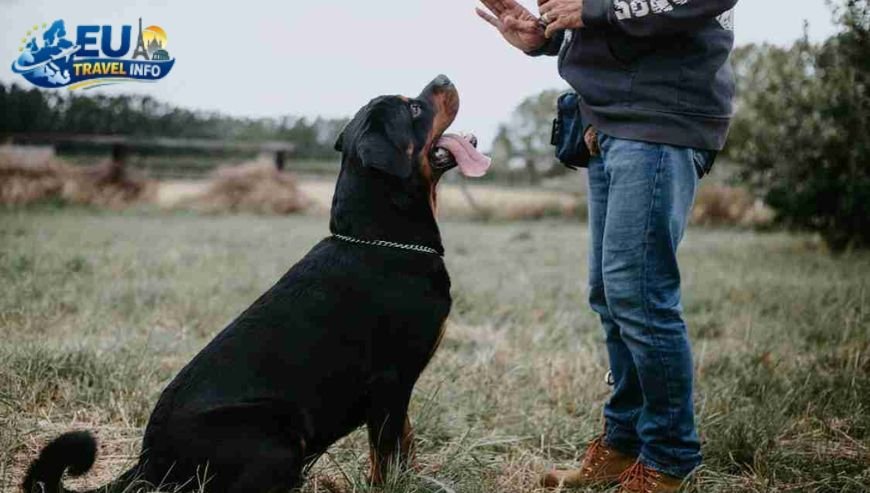
First of all, you cannot just hop on a plane without the right papers. Your dog must have a microchip for identification. This chip must follow ISO standards. Additionally, a valid rabies vaccination is mandatory. You must ensure the vaccine happens at least four weeks before you arrive. Later, a vet will issue an EU Pet Passport. This document is a bilingual record in English and German. It acts as an official travel record within the EU.
You must also consider dog liability insurance, known as Hundehaftpflicht. Many landlords in Germany will not rent to you unless you show proof of this insurance. It covers damages if your pup knocks over a cyclist or causes an accident. The cost for full coverage is usually around €100 per year.
The rules for entering the country are very strict. You must carry all original documents with your pet during travel. If you do not follow these rules, the fines are steep. Therefore, you should double-check everything before you leave home.
Navigating Dog Registration and Taxes
Once you arrive, you must handle the dog registration munich process immediately. You have two weeks to register your furry friend with the local authorities. You can do this online, by email, or in person. Skipping this step can lead to fines of up to €10,000. On top of that, you must pay the dog tax, or Hundesteuer.
The annual fee in Munich is typically €100 per dog. However, if you own a breed labeled as a “fighting dog” without a negative certificate, the price jumps to €800 per year. You must pay this by January 15th every year. Your dog technically receives its own tax number. Plus, registration makes it much easier to find your dog if they ever go missing.
It is important to note that Germany has some of the strictest animal welfare laws in Europe. You can not keep a dog tied up all day. You can not confine them in a crate for long periods. Finally, they must have daily human interaction. Violating the Tierschutzgesetz can lead to fines up to €25,000.
Understanding Breed Restrictions in Bavaria
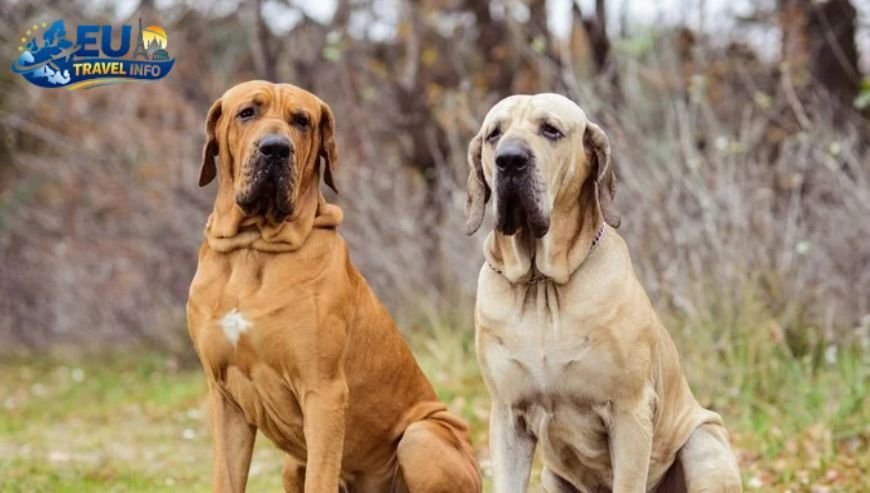
You must know that Bavaria has very specific laws regarding “dangerous dogs”. These rules apply to everyone, including visitors. The law divides these dogs into two classes.
Class 1 Dogs are presumed to be dangerous because of their breed. These breeds include:
- American Staffordshire Terrier
- Pit-Bull Terrier
- Staffordshire Bull Terrier
- Tosa-Inu
- Bandog.
You generally can not import these dogs into Bavaria. The government grants very few exceptions.
Class 2 Dogs are presumed dangerous unless you prove otherwise. This list includes:
- Rottweilers
- American Bulldogs
- Mastiffs
- Bull Terriers.
If you own a Class 2 dog, you must pay for a temperament test. This test usually costs around €200. The dog must be at least 9 months old to take the test. A licensed specialist will watch how the dog reacts to strangers, joggers, and other animals. If the dog passes, you receive a “negative certificate”. This certificate allows you to keep the dog without the extra high tax.
Public Transport: Trains, Trams, and Buses
I found that getting around Munich with Noodle is quite easy. You can take your dog on the MVV public transport system for free if you have a valid ticket. This includes the S-Bahn, U-Bahn, and buses. However, this free travel only applies to one dog per passenger. If you bring a second dog, you must buy a child fare ticket for them.
Small dogs travel for free if they stay in a basket or carrier. Larger dogs must stay on a short leash. On top of that, they must wear a muzzle if they could pose a risk to others. “Fighting dogs” are generally not allowed on the MVG vehicles or in the stations.
If you use the Deutsche Bahn (DB) trains to travel further, small pets in carriers are free. Larger dogs need a special pet fare. This fare is often half the price of an adult ticket. When you book a ticket for your dog, you should type the word “Hund” in the passenger name field. Always carry a muzzle just in case a conductor asks for one.
Where to Stay: Pet-Friendly Hotels
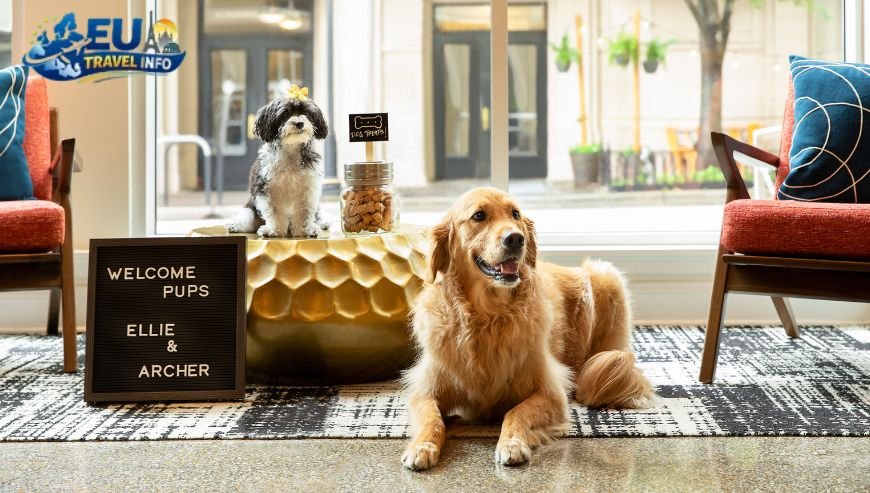
We stayed at the Pullman Hotel in a quiet residential area. It is close to the Englischer Garten. I liked that the hotel was easy to reach by car and had secure parking. You are only steps away from the subway, so you can reach the city center in less than 10 minutes.
Other great options include the Maximilian Munich Hotel in the Old Town and Harrys Home in Moosach. These places often provide bowls, treats, and towels for your pups. You can even find campsites in Obermenzing and Thalkirchen that welcome dogs for a small fee.
Things to Do in Munich: Parks and Playtime
There are so many things to do in munich with a dog. The city is incredibly green. The Englischer Garten is the crown jewel. It covers 910 acres in the center of the city. Dogs can run off-leash here and even swim in the canal. You should visit the Mini-Hofbräuhaus in the middle of the park. It is often called the “dog beer garden” because so many owners gather there for coffee and cake.
The Olympiapark is another fantastic spot. It offers plenty of room to frolic and has a dedicated dog area. You can also visit the Hellabrunn Zoo. Dogs are welcome there as long as they stay on a leash. You can only bring one dog per visitor, and they can not enter the animal houses.
If you want a more natural walk, head to the Isar River. A 6km loop trail runs along the meadows and forest. It is a popular route, so watch out for cyclists. Additionally, the Westpark and Riemer Park offer vast lawns and lakes. In Westpark, you must keep your dog on a leash.
For those living in the suburbs, Unterhaching has a thriving dog community. It features 269 dog-friendly parks and 256 hiking trails. It even has two fenced dog parks for extra security.
Dining Out: Dog-Friendly Restaurants and Cafes
I was amazed at how many dog-friendly restaurants munich has to offer. The Hofbräuhaus in the Old Town is world-famous. It is very welcoming to dogs. Noodle received lots of attention from the staff while I ate traditional Sauerbraten.
If you prefer a quieter meal, try Spatenhaus an der Oper. They focus on elegant Bavarian cuisine. I enjoyed venison and spaetzle while my dog sat peacefully by my side. For vegan lovers, Bodhi is a great choice. They serve plant-based twists on Bavarian food and allow dogs indoors.
Here is a list of some other top spots:
- Café Katzentempel: A vegan café where rescue cats roam free, but dogs are also welcome.
- Man Versus Machine: A stylish coffee spot with pet-friendly outdoor seating.
- Kaisergarten: Located in the English Garden, it has a doggie water fountain.
- Park Café: Known for a delicious brunch buffet and a big patio.
- Burger House: Perfect for a juicy burger and fries with your pup.
- Café Frischhut: famous for freshly fried pastries called Schmalznudel.
Most cafes in Munich will put out a water bowl for your dog. Just make sure your pup stays on a leash and does not disturb other guests.
Weather and Nature in Munich
The munich weather can be quite varied. Summers are usually warm and pleasant, reaching around 30°C in July and August. This is the best time for swimming in the Eisbach or the Isar. Winters can be cold with snow, which many dogs love. You should always check the forecast before a long hike in the nearby mountains.
Regarding munich wildlife, you might be surprised to find beavers in munich. These creatures live along the Isar and other small streams like the Hachinger Bach. They are mostly active at night. You should keep your dog away from beaver dams to protect the local habitat. You might also see deer in the Hirschgarten, which is Europe’s largest beer garden.
On a historical note, the munich pact of 1938 is a major part of the city’s past. While it is not related to pets, you will see many historical markers as you walk through the Altstadt with your dog. The city does a great job of remembering its history while remaining a modern, welcoming place.
Safety and Health: Vets and Warnings
There is a high density of veterinarians in Munich, so you are never far from help. The Tierarztpraxis Dr. Maul + Dr. Herget near the Deutsches Museum offers a 24-hour emergency service. They speak English, which is very helpful for expats. Another option is the Tierklinik Haar, which is open on weekends and holidays.
One thing you must watch out for is poison bait, known as Giftköder. Sadly, some people leave harmful items in popular dog areas. You should join local WhatsApp groups or check the Dogorama app for warnings. If your dog starts vomiting, shaking, or acting weak, seek a vet immediately.
Etiquette for a Good Experience
Germans value order and cleanliness. You must always pick up after your dog. Not doing so can lead to fines between €10 and €150. Most parks provide thin “poo bags,” but you should always carry your own biodegradable ones.
In beer gardens, keep your dog under the table and on a lead. Do not let them beg from other tables. It is also polite to ask “Ist dieser Platz frei?” before sitting down at a communal table. Most people are very friendly and will want to fuss over your dog.
Munich also has “quiet hours” called Ruhezeit. These run from 10 pm to 6 am. During this time, persistent barking can lead to complaints from neighbors and official fines. Therefore, you should try to keep your pup calm during the night.
Frequently Asked Questions
Is Munich pet friendly?
Yes, Munich is widely considered one of the most pet-friendly cities in Germany. It offers a high standard of living for pets, featuring massive green spaces like the Englischer Garten, dog-friendly public transportation, and a culture where dogs are welcome in many cafes, restaurants, and traditional beer gardens.
What is the most dog-friendly city in Germany?
Munich is specifically identified as one of the most dog-friendly cities in Germany.
Is Germany a pet friendly country?
Yes, Germany is described as one of the most dog-friendly countries in Europe. It is known for its high standards of animal welfare and strict protection laws, which mandate that dogs cannot be confined in crates long-term and must have daily human interaction.
Can dogs go to the Munich Zoo?
Yes, dogs can visit Tierpark Hellabrunn (Munich Zoo) provided they are kept on a leash. However, they are not allowed inside the animal houses, and each visitor is limited to bringing only one dog.
Concluding words
Munich is a premier destination for dog owners, offering a unique blend of historical charm and modern pet-friendly amenities. From the vast off-leash areas of the Englischer Garten to the welcoming atmosphere of traditional beer gardens, the city ensures dogs are integrated into daily social life.
While navigating German bureaucracy—including dog taxes, mandatory registration, and specific leash laws—is essential, the high standard of living for pets makes Munich an exceptional home for canine companions.