I just returned from a wonderful Pet Friendly Vacation in Seville, Spain, and my heart is full. I spent weeks exploring this sun-soaked paradise with my furry best friend. I am here to share every detail of our adventure. Seville is a city of magic. It has the scent of jasmine, the sound of flamenco, and a history that stretches back for thousands of years. Many people ask me, is spain dog friendly? My experience says that the answer is a big yes, but you must know the rules. Spain is home to over 29 million pets, yet the regulations can feel like a complex web. Do not worry. I have done the hard work for you. I want to help you plan a trip that is smooth and stress-free.
Planning Your Arrival and Entry Rules
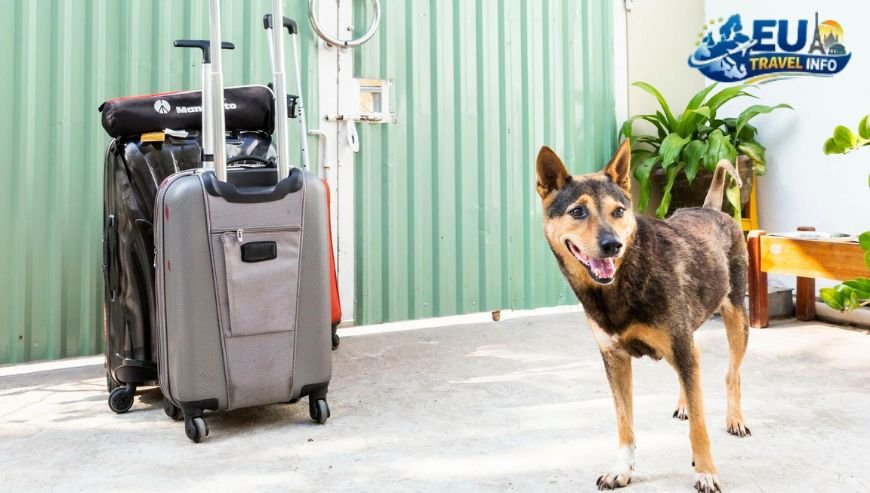
First of all, you must get your paperwork in order before you even pack a suitcase. If you travel from the United States or another non-European Union country, the process takes time. You cannot bring a dog that is younger than 15 weeks old into Spain. This is because of rabies vaccine rules. Your pet needs an ISO-compliant microchip first. ISO-compliant chips usually have 15 digits. After the chip is in, your dog must get a rabies shot. You must wait at least 21 days after the first shot before you can travel.
Additionally, you need a Health Certificate. A USDA-accredited vet must issue this within 10 days of your arrival in the European Union. For my trip, I made sure my vet scanned the microchip before every single shot. If you do not do this, the vaccine might not count according to European Union rules. On top of that, you must have a Declaration signed by the owner. It sounds like a lot of work. Is it worth it? Totally.
Finding the Best Pet Friendly Hotels in Seville, Spain
Once you arrive, you need a great place to stay. I spent hours looking for pet friendly hotels seville spain. I found some absolute gems.
Hotel Petit Palace Canalejas was a standout choice for us. This hotel is very generous. They allow up to 2 pets per room. There is no weight limit at all. They even provide a bed and a food bowl for your dog. However, they do charge a supplement of 25 Euros per stay.
Another fantastic option is Hotel Gravina 51. It is located in a restored 18th-century house with beautiful Andalusian courtyards. The best part? They often allow pets for free. They allow up to 2 pets per room without a weight limit. You can even have breakfast with your pet if they stay in their carrier.
If you want something in the heart of the city, look at Hotel Palacio Alcázar. The views of the Giralda are breathtaking. They charge only 10 Euros for the full stay and give you a toy and a bowl. Similarly, the Casual de las Letras Sevilla is a great choice. They allow pets up to 35 kg, but they have been known to accept dogs up to 45 kg if you ask nicely.
Navigating the City with Your Dog
Moving around Seville can be a bit of a puzzle. First of all, the Cercanías commuter trains are your best friend. They allow dogs of any size for free, and you do not even need a carrier. You just need a leash and a muzzle. However, the local city buses (TUSSAM) and the tram are much stricter. They only allow small pets in carriers that are no larger than 45 x 35 x 25 cm.
The Metro de Sevilla also has strict rules. It generally prohibits animals, though there are talks about changing this in the future. If you need a taxi, I suggest you call the Servicio Municipal de Taxis de Sevilla. You must tell them you have a dog. Some drivers are happy to take you, especially if you have a carrier.
For long-distance travel, the Renfe high-speed AVE trains have a new program. They allow dogs up to 40 kg on certain routes, including the line between Madrid and Seville. You must book an Elige Estándar ticket at least 24 hours in advance. There is a 35 Euro fee. You must arrive 40 minutes early at the station to show your papers. These papers include a vaccination card and proof of civil liability insurance. Renfe will give you a travel kit with a seat cover and a floor mat. Your dog must wear a muzzle when boarding but can take it off once you are in your seat.
Enjoying the Local Parks and Nature
Seville has some wonderful green spaces. Parque del Alamillo is a pioneer for dog owners. It is located on the Isla de la Cartuja and has 3 hectares of space for dogs to run. It even has an agility area with ramps and tunnels. If you visit in May, you might catch the Dog Festival.
Parque de Maria Luisa is another must-see. It has 38 hectares of romantic gardens. It is the perfect place for a long, leashed walk. On top of that, the Buhaira Gardens offer a serene setting with a majestic palace.
If you want to escape the city, take a drive to the Marismas del Río Piedra in Huelva. It is only 1 hour and 20 minutes away. Your dog can run free on the wild beaches and sand dunes. Gradually, you will see how much your pet loves the fresh sea air. Another great day trip is to the Cerro del Hierro. It is about 1 hour and 30 minutes north of Seville. It is an old mining area with a 1.8 km circular trail that dogs love.
Dining Out with Your Furry Friend
I was pleasantly surprised by the food scene. In the past, it was hard to find places that allowed dogs inside. Finally, things are changing.
Mokambo in the old town is perfect for a fancy brunch. They have high-quality ingredients and a very welcoming vibe. For a traditional meal, I highly recommend La Tizná. It is a small organic restaurant that prepares local dishes perfectly.
If you are in the Triana neighborhood, you must visit Selva Coffee. They are very dog-friendly and allow pets both inside and outside. Their cold brew and banana bread are famous. Plus, they have a very friendly staff that makes you feel at home.
Toby Eats the World is another great spot. They claim to be the first pet-friendly tavern in the city. They will give your dog a special treat when you arrive. Similarly, Billy Brunch Sevilla has a covered terrace and a very relaxed atmosphere.
Essential Safety Tips for the Spanish Summer
The heat in Seville is no joke. During July and August, temperatures often go above 35°C. This can be very dangerous for animals. They do not sweat like we do. You must change your routine to keep them safe.
First of all, master the Spanish dog walking schedule. You should only walk your dog in the early morning before 9 AM or late in the evening after 9 PM. Midday breaks should be very short and only on shaded grass.
Secondly, always perform the 5-second pavement test. Place the back of your hand on the asphalt. If you cannot hold it there for 5 seconds, it is too hot for your dog’s paws. Pavement can reach over 50°C even if the air is only 25°C.
Finally, never leave your pet in a car. Not even for a minute. The temperature inside can become lethal in less than 10 minutes. If a pet is harmed because they were left in a car, fines can reach 200,000 Euros.
Health Care and Emergency Services
It is a good idea to know where the vets are before you need one. Seville has many excellent clinics. Pets&Co Clinic in Seville Este is a great choice because they have English-speaking staff. You can even book appointments via WhatsApp.
For emergencies, there are over 21 veterinary clinics in the city. Some of them are open 24 hours a day. I saved the number for Clinica Veterinaria Victoria and Albero Hospital Veterinario just in case. If your dog shows signs of heatstroke, like frantic panting or bright red gums, you must act fast. Move them to a cool spot, use wet towels, and call a vet immediately.
Understanding Local Laws and Customs
Spain has some specific laws you must follow. Since September 2023, every dog owner must have civil liability insurance. This insurance helps if your dog causes an accident or damage.
In Seville, you are expected to be very clean. You must pick up all waste or face heavy fines. Additionally, many people now carry a bottle of water to rinse away urine from buildings and sidewalks. It is considered good manners and is even a law in some nearby cities like Cádiz.
If you have a breed that is considered potentially dangerous (PPP), like a Rottweiler or a Pit Bull, there are extra rules. These dogs must wear a muzzle at all times in public. You also need a special license and higher insurance coverage. Therefore, you should check if your dog is on the list before you travel.
Equipment Rental for Travelers
If you do not want to haul heavy crates and gear across the ocean, I have a secret for you. Equiply is a service in Spain that lets you rent high-quality pet equipment. You can rent airline-approved carriers, car restraints, or even pet strollers. This is a smart way to save money on baggage fees. On top of that, it ensures you have the right gear that meets local Spanish laws. You can pick up your items when you arrive and return them before you leave.
Frequently Asked Questions
- Is Seville, Spain dog friendly?
- Seville is considered pet-friendly, offering a large number of dog parks and an increasing number of leisure establishments that welcome animals. While municipal ordinances prohibit entry to many main monuments, you can still enjoy walking through the old town and the city’s many public gardens with your pet.
- Which city is the most dog friendly?
- San Sebastian is noted for its high level of friendliness, particularly because dogs are allowed inside pintxos bars. Madrid is also described as very dog-friendly due to its inclusive metro rules and the fact that many businesses accommodate pets.
- Are dogs allowed in taxis in Spain?
- Most private taxis accept pets if they are in a carrier, though it is necessary to check with the driver in advance. There are also specialized companies like Mascotaxi that cater specifically to pet transport.
- Can I take my dog to Spain on vacation?
- Yes, it is possible to bring your dog to Spain for a vacation from both EU and non-EU countries. Travelers from the USA must ensure their dog has an ISO-compliant microchip, a valid rabies vaccination, and a USDA health certificate.
- Can dogs go in restaurants in Spain?
- In most of Spain, dogs are generally restricted to outdoor terraces. However, specific pet-friendly establishments exist, and in the Basque region, dogs are more commonly allowed inside dining areas.
- Can I take my dog on trains in Spain?
- Yes, small pets up to 10 kg are allowed in carriers on most Renfe trains for a fee. Additionally, large dogs up to 40 kg are now permitted on select high-speed AVE lines, including the Madrid-Seville route, provided they wear a muzzle and leash.
- Can dogs go on beaches in Spain?
- During the peak summer months, dogs are generally prohibited from most Spanish beaches. However, there are specific designated “playas caninas” (dog beaches) where they are allowed year-round, and rules are typically more relaxed during the off-season.
- What is the best place to vacation with dogs?
- The Basque region is recommended for those who wish to dine indoors with their pets. Seville is also a top choice for its extensive parks, such as Parque del Alamillo, and its historical walking routes.
- Is the ferry to Spain pet-friendly?
- Yes, ferries like those operated by Balearia are pet-friendly, offering options such as pet-friendly cabins, specific seats where pets can stay by your side, or monitored kennels.
- Do buses in Spain allow dogs?
- Long-distance buses typically do not allow dogs in the cabin, requiring them to travel in the luggage compartment. In Seville, TUSSAM city buses only permit small pets in carriers not exceeding 45 x 35 x 25 cm or guide dogs.
Concluding words
A vacation in Seville with your pet is a rewarding experience if you plan around the city’s specific rules and climate. While main monuments are often restricted, you can stay in pet-friendly hotels like Petit Palace and enjoy the city’s vast green spaces, including Alamillo and Maria Luisa parks.
Transporting your dog is convenient via Renfe’s expanded large-dog policy on trains, though city buses remain restricted to small carriers. Most importantly, travelers must be mindful of the intense summer heat, limiting walks to early mornings or late evenings to protect their dog’s paws.