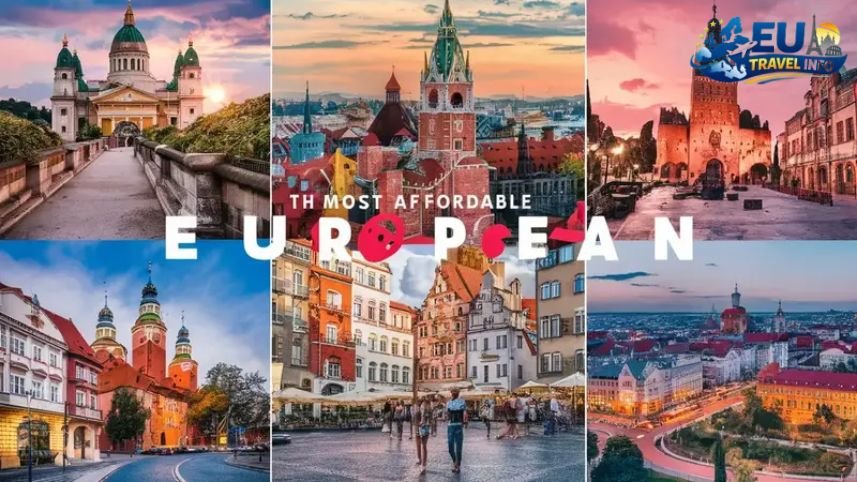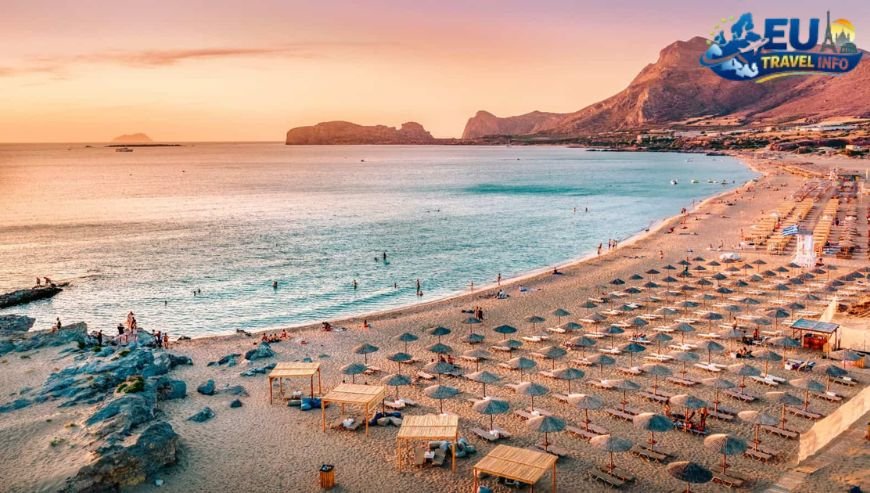
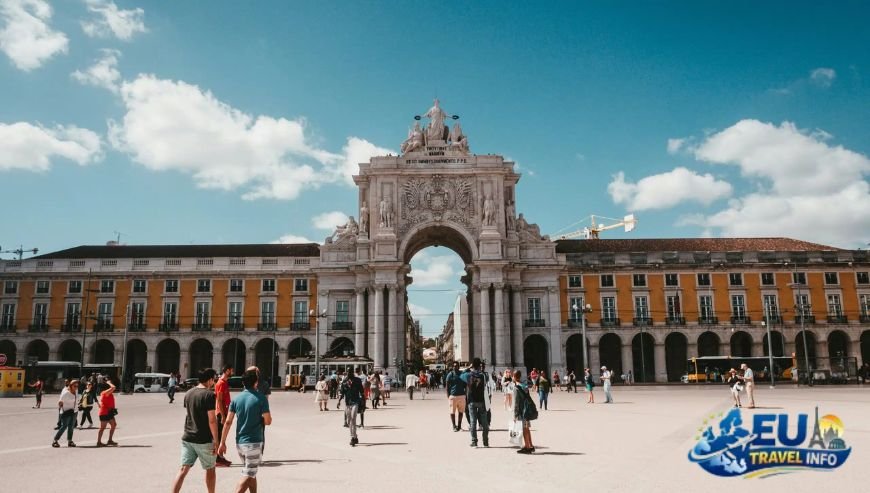
I have seen the photos on the internet. I have dreamed the dreams of walking through ancient streets. Then I looked at my bank account. It made a little whimper. Does that sound familiar to you? You might think that European travel is a crazy expensive thing. People say it is a once-in-a-lifetime trip that requires saving for a decade. That is a myth. It is a lie told by people who only go to Paris or London. The Europe I want to show you is a whole different beast. It is a continent of hidden gems. Your money does not just survive here. It thrives. We are talking about Cheap Places For Students To Travel in Europe. I have found cities where you can sip killer coffee for a single dollar. You can feast like a king for less than ten bucks. You can sleep in a nice hotel without selling a kidney. This is about smart travel. This is about value.
First of all, let us ditch the overpriced tourist traps. I am going to share my experience with the top 10 cheapest countries to visit in europe. We will look at the best places for students to travel in europe so you can plan your next big move. Many of these spots are the cheapest countries to visit in europe 2026 because they still use their own money or keep costs low for locals. If you are a student, you should also look into the cheapest countries to study in europe for international students for master’s degrees while you are exploring. You might just find a new home.
Riga, Latvia: Northern Beauty for Pennies
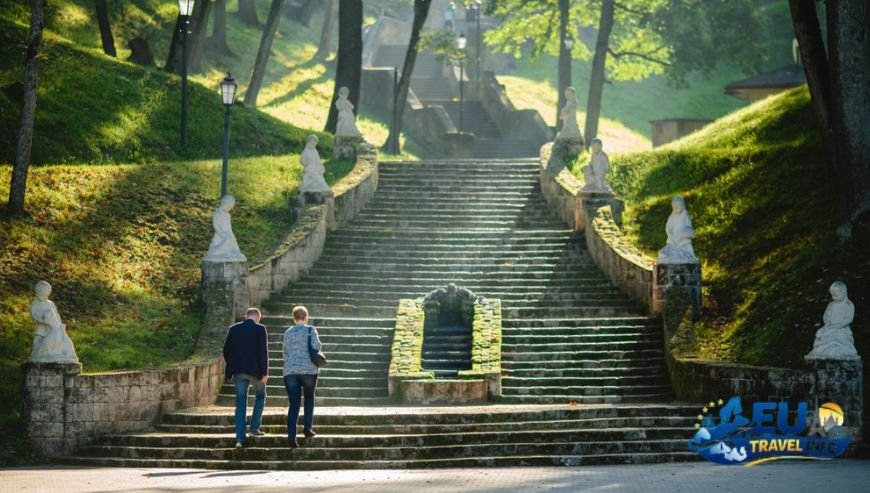
I started my journey in the Baltics. Riga is one of the best-kept secrets on the continent. Imagine taking the best parts of Stockholm or Helsinki. Think about the stunning buildings and cozy cafes. Now, imagine getting all of that at 75% off. That is Riga. The heart of the city is the Old Town. It looks like a fairy tale. I walked through cobblestone streets and saw churches with tall spires. The Art Nouveau buildings are amazing. Whole blocks of them exist. Every building looks like a piece of art with sculptures and patterns. You can wander for hours for free.
First of all, food is where the magic happens. A big local meal with pork chops and potatoes costs about $9. If you want a real experience, go to a place called Lido. It is a huge cafeteria where you just point at food. I got a feast of meat, dumplings, and pancakes for $6 or $7. On top of that, you must visit the Riga Central Market. It is inside old Zeppelin hangers from the 1930s. It is one of the largest markets in Europe. I grabbed a pastry and local cheese for just a couple of euros.
Additionally, staying the night is cheap. A central four-star hotel costs around $100. You can find even better deals if you go during the off-season. The city is very walkable. However, a tram ride is only $1.60 if you need it. Riga is beautiful, affordable, and full of charm. A perfect start.
Tbilisi, Georgia: The Budget Paradise
Later, I flew into Tbilisi. People ask if Georgia is even in Europe. Geographically, it is on the border. Culturally, it is 100% European. It is a budget paradise. Flying here is like entering a cheat code for travel. My money did not just go far. It ran. The city is a wild mix of ancient history and modern vibes. I saw a 5th-century church next to a glass bridge.
The food is underrated. You must try Khachapuri. It is a boat-shaped bread filled with cheese and a sunny egg. It costs about $3 or $4. Then there is Khinkali. These are juicy soup dumplings. A dozen of them costs maybe $5 or $6. Georgia is the birthplace of wine. They have been making it for 8,000 years. I went to a cool bar and tried natural wine. In New York, that would be $20 a glass. Here, a whole bottle is $10 or $15.
Daily costs are laughably low. A mid-range hotel in the center is $50 to $80. A huge feast with a friend cost us $30 total. I took a cable car for $1. The metro is less than a quarter. I also visited the sulfur baths. A private room for an hour was only $20. I constantly checked my receipts because I thought they forgot to charge me. It is that cheap.
Bucharest, Romania: The Little Paris
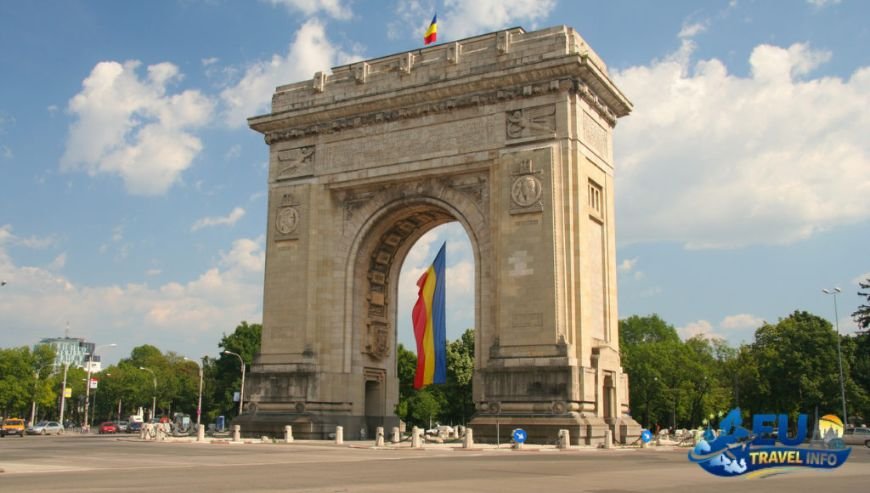
Gradually, I moved to Bucharest. This city has grit. It is not a polished princess. It has character and a fascinating history. It is one of the cheapest cities in europe for students. People call it “Little Paris” because of the architecture. I saw the Palace of the Parliament. It is the second-largest building in the world after the Pentagon. It is so huge that it will make your jaw drop.
Eating out here is a dream for your budget. I went to a legendary place called Caru’ cu Bere. The interior is ornate and beautiful. I ordered grilled sausages for the price of a fancy coffee back home. A local meal is about $5 to $8. A three-course dinner for two is $35 max.
Plus, accommodation is a steal. I found four-star hotels for $70 to $100 a night. Transportation is a joke. A single metro ride is about 63 cents. A day pass is $1.40. You can pay for a week of travel with the loose change in your pocket. Bucharest is authentic and unfiltered.
Belgrade, Serbia: Raw Energy
Finally, I arrived in Belgrade. This city has a rock concert heartbeat. It is gritty and historic. It is among the 12 cheapest countries to visit in europe. I spent my day at the Kalemegdan Fortress. It is a massive park where people drink coffee and play chess. The views at sunset are spectacular. It is free. I also visited the Church of St. Sava. It is one of the largest Orthodox churches in the world. The gold mosaics inside are breathtaking.
People come here for the nightlife. The “Splavs” are floating river clubs on the Danube. A beer there costs about $3. A cocktail is maybe $5 or $6. You can party all night without a loan. On top of that, the food is incredible. I started my day with Burek. It is a flaky pastry filled with meat or cheese. A slice is about $2. For dinner, I had Cevapi. These are small grilled sausages. A big portion is $4 or $5.
Here is the best part. As of 2025, all public transport in the city center is completely free for everyone. That saves you money every single day. Belgrade gives you more bang for your buck. It is a top choice.
Sofia, Bulgaria: Relaxed and Ancient
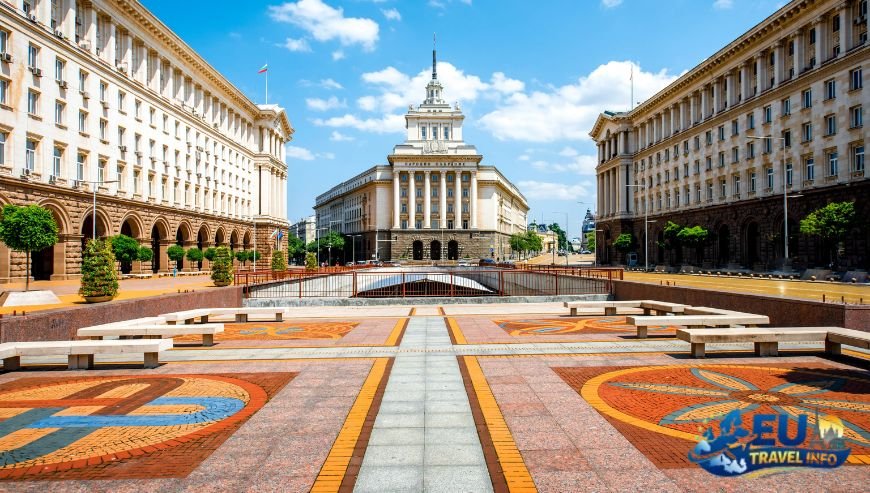
Similarly, Sofia is a great stop. It is the chill cousin of European capitals. You can walk down the street and trip over a 4th-century Roman basilica. The city has Roman ruins and Soviet monuments all in one place. The cost of living is wild. A meal at a good restaurant is $8. A nice dinner for two with wine is $25 or $30.
I tried a Banitsa for breakfast. It is a cheese-filled pastry that costs $1. Additionally, nature is very close. Vitosha Mountain is the city’s backyard. I took a bus to the foothills and a lift up the mountain for a few dollars. I went from city coffee to mountain hiking in under an hour.
Staying here is easy. A nice hotel in the center is between $80 and $130. The metro is also very cheap at 82 cents a ride. Sofia is for the traveler who wants to relax. You do not even have to think about your budget. It is almost impossible to overspend.
Skopje, North Macedonia: Weird and Wonderful
Moving south, I visited Skopje. This city is an experience. The government built hundreds of statues and grand buildings to make it feel historic. It looks like a theme park of history. I saw a giant warrior on a horse in the main square. Then I crossed a stone bridge into the Old Bazaar. It is a labyrinth of tiny shops and ancient mosques.
I sat in a tea shop and had Turkish coffee for $1. A meal of baked beans, the national dish, was only $4 or $5. The value is insane. Skopje is also the gateway to Lake Ohrid. A bus there takes 3 hours and costs $10 to $15. Ohrid is a UNESCO site and is very beautiful.
Hotels in Skopje are dirt cheap. I found a four-star hotel for $60 or $70. Everything from food to souvenirs feels like it is from twenty years ago. Skopje is weird and won’t touch your wallet.
Sarajevo, Bosnia and Herzegovina: East Meets West
Therefore, you must visit Sarajevo. It is a city that will grab your soul. You can walk from a street that looks like Vienna into an Ottoman bazaar that feels like Istanbul. The smell of grilled meat and coffee is everywhere. It is magical. The city also has scars from the war in the 1990s. I saw bullet holes in buildings. It is a moving place to visit.
The prices are absurd. This is one of the cheapest cities on my list. I had Cevapi for about $2. It was a legendary meal. A cup of strong Bosnian coffee was $1.50. I sat in a coffee shop for hours. No one cared.
Accommodation is mind-boggling. A private room in a guest house can be $25. A nice hotel in the center is $50 to $70. Sarajevo teaches you about culture and resilience. Some of the best things in the world do not have to cost a thing.
Tirana, Albania: Colorful and Energetic
Next, I headed to Tirana. This place is like a shot of espresso. It is energizing and a little chaotic. The city is full of bright colors. A former mayor had the old buildings painted purple, orange, and green. It gives the city a funky vibe. I even climbed the “Pyramid of Tirana,” which is a strange old museum.
Tirana is a great base for the Albanian Riviera. It has some of the most beautiful and cheap destinations in europe with beach vibes. A bus to the coast is less than $10. I had a city and beach holiday in one trip. The prices in Tirana are great. A coffee is $1. A slice of pizza is $1.50. A full dinner with a lamb dish is about $8 to $12.
I found a modern hotel for $70 or $80. A bus ride in the city is only 40 cents. Tirana is for the traveler who wants something different. It is just now hitting the radar of most people.
Pristina, Kosovo: Young and Optimistic
Later, I visited Pristina. It is the capital of one of the youngest countries in the world. The energy is resilient and optimistic. It is not packed with monuments. The charm is in the daily life. People here are obsessed with coffee. I sat for hours watching people and drinking a macchiato for $1.
I saw the “Newborn” monument. They repaint it every year. It is a symbol of the country’s spirit. The numbers here are amazing. A huge plate of grilled meat and salad was $5. A taxi ride across the city was about $3. A luxury five-star hotel was $160, which is what you pay for a basic room elsewhere. Pristina is real and raw. The warmth of the people is unforgettable.
Chisinau, Moldova: The Ultimate Value
Finally, I reached the number one spot. Chisinau is the champion of budget travel. It is the least visited capital in Europe. You will feel like you have the place to yourself. The city is green with lots of parks and Soviet buildings. But the real reason to come here is the wine.
Moldova has the largest wine collection in the world. One wine city has streets you drive through underground. You can do a tasting for a fraction of the cost in France. Everything else is so cheap it will make you laugh. A meal at a great restaurant is $5 to $7. A beer is $1. A bus ride is 25 cents.
I stayed in a comfortable hotel for $40 a night. You can live like a king on a backpacker’s budget. Chisinau is for the curious traveler. It is the end of the line for cheap travel. It wears that crown with pride.
Surprising Finds: Cheap Beaches and Big Cities
Though you might think only Eastern Europe is cheap, I found some surprises. Let us look at cheap destinations in europe with beach options.
Sicily, Italy has become very popular. It is one of the cheapest regions in Europe. I stayed in Palermo for $30 a night per person. Palermo is the capital of street food. I had Arancini, which are fried rice balls, for $3. An espresso is always $1. You can see amazing churches for free. I even went to a theater performance for $20 in one of the most beautiful buildings in Europe.
Corfu, Greece is another winner. It is a large island with crystal clear water. I stayed in a hotel with a sea view for $24 a night per person. Eating out is affordable. A main dish is less than $10. I found street food for under $5. You can rent a car for $30 a day or take a bus for $1.20. It is a paradise on a budget.
Tenerife, Spain is called the “island of eternal spring”. The weather is good all year. I stayed in an apartment for a week for under $400 with friends. You can hike a volcano or watch whales for as little as $15. Stargazing is magical and free.
Additionally, even London can be cheap if you are smart. I know that sounds crazy. However, most museums in London are free. You can see the British Museum and the National Gallery without spending a penny. I stayed in a capsule hotel for $30 a night. I used an “Oyster card” for the bus. It has a daily limit so you do not overspend. I bought sandwiches at supermarkets to save money.
How to Save Even More: Student Tips
To get the most out of your trip, you need the right tools. First of all, get an ISIC card. That is the International Student Identity Card. It is recognized in over 130 countries. It verifies that you are a student. This card gives you thousands of discounts. I used mine to save money on museum tickets, buses, and food. Some museums in Europe only give discounts to ISIC holders. It costs about $20 but pays for itself quickly.
On top of that, think about how you move. Cheapest european countries to fly to often depend on budget airlines like Ryanair or easyJet. These airlines keep prices low by not offering free food and using one type of plane. Be careful with fees. They charge for bags and printing your pass. Sometimes, the train is better. Trains leave from city centers. You do not need to spend two hours getting to an airport. For short trips, trains are faster door-to-door. But for very long trips, a budget flight wins.
Similarly, think about your bed. Do not stay in hotels. Youth hostels are a great alternative. They usually cost $20 to $29 a night. They are central and you meet cool people. You can also use Airbnb to rent a room from a local. This is often cheaper for groups. For the very brave, there is “couch surfing” where you stay for free. It is hard to find but amazing if you do.
Planning for 2026: What to Know
When you plan for the cheapest countries to visit in europe 2026, keep the season in mind. The best time to visit is from mid-April to mid-June and September. The weather is nice but the crowds are small. Prices are much lower than in July or August. In September, hotel prices can drop by 11% compared to August.
Gradually, you will see that Europe is wide open for you. Whether you want the beaches of Albania or the wine cellars of Moldova, there is a spot for your budget. Do not let the fancy travel magazines scare you. You do not need a fortune to see the world. You just need a plan and a little bit of curiosity.
Finally, remember to use your student status. Check for the cheapest countries to study in europe for international students for master’s programs if you want to stay longer. Countries like Poland and Hungary have great schools and low costs. You can get a world-class education while exploring the best places for students to travel in europe.
So, what are you waiting for? Pick a city. Book a ticket. Your adventure is waiting. Europe is not just for the rich. It is for the ones who know where to look. I have given you the map. Now you just have to go.
“The world is a book, and those who do not travel read only a page.”
I am ready for my next trip. I hope to see you out there on the road. Safe travels!
FAQ
Which Europe country is affordable for students?
Poland is highly affordable, featuring student-friendly prices in cities like Kraków and Warsaw. Serbia is also a popular choice, with budget-friendly accommodation and low weekly expenses.
What is the cheapest way to travel Europe as a student?
The stagecoach bus is the most cost-effective public transport, often three times cheaper than trains and ten times cheaper than planes. For the most adventurous, hitchhiking is the absolute cheapest option, though it is time-consuming.
Which country in Europe is the cheapest to visit?
Moldova (specifically Chișinău) is highlighted as the “cheapest of the cheap” and the ultimate budget destination for curious travelers. Georgia and Albania are also noted as budget paradises where daily costs are remarkably low.
Which country is best for study in low budget?
Poland attracts students worldwide because its cities offer rich history and student-friendly pricing. Germany is also noted for its high-quality education system which is free for international students.
Which EU country is best for international students?
Poland is excellent for its blend of vibrant student life and affordability. Portugal is another strong option in Western Europe, offering low-cost meals and efficient public transport for those on a budget.
Is 1000 euros enough for 2 weeks in Europe?
Yes, 1000 euros is sufficient, especially in budget-friendly regions. For context, students can spend a week in places like Serbia or Bulgaria for approximately €250, including lodging and food.
Is $100 a day enough in Europe?
Yes, $100 is more than enough for many countries. In Hungary, budget travelers can live comfortably on €40 to €60 a day, and in Bulgaria, daily expenses can be less than €60.
What’s the cheapest month to fly to Europe?
Flying during the off-season (winter) or shoulder seasons (April-May and September-October) typically offers much lower prices and fewer crowds.
Which country is best for travel in low budget?
Albania is an excellent choice, offering beautiful beaches and low costs for food and transport. North Macedonia is also recommended for its enchanting mix of nature, culture, and very reasonable prices.
Concluding words
Traveling through Europe on a student budget is highly achievable by prioritizing hidden gems in the Balkans and Central Europe over expensive hubs like London or Paris. Students can maximize their funds by utilizing long-distance buses, staying in hostels or couch surfing, and leveraging the ISIC card for significant discounts on attractions. By choosing destinations like Poland, Albania, or Moldova, young travelers can experience rich history and stunning landscapes without financial strain.