I have spent years wandering through the old streets and beautiful landscapes of the European continent. It is a dream for many. However, your wallet does not have to suffer for you to enjoy this magic. Europe is as wonderful as ever, and a tight budget can actually lead to a better trip. You will find that spending less lowers the barrier between you and the local culture. I want to share my secrets for the 15 Best Cheap Travel Tips Europe. Whether you plan 10 days in europe on a budget or you want to know how to spend a month in europe on a budget, these tips will help you save hundreds of euros.
The Art of the Flight Sale

First of all, you must understand when to book your flight. For summer travel in 2026, the sweet spot is usually two to four months before you leave. March to May is the best time to look for June or July flights. If you book too early, you pay a premium because airlines know you want certainty. If you wait too long, you compete with people who are willing to pay any price. Transatlantic routes often cost between $900 and $1,400 during the right window.
Additionally, you should consider an open-jaw ticket. This means you fly into one city and out of another. It is the best way to travel to Europe for the first time. You save time and money because you do not have to backtrack to your first airport. Algorithms often price these the same as regular round trips. Plus, you get to see more ground.
Low-cost carriers are also a major force. In 2015, these airlines carried 28% of all scheduled passengers globally. You can find round-trip fares for as low as 5 EUR if you book at least one month early. Names like Ryanair, EasyJet, and Wizz Air are your best friends. However, you must be careful. These airlines often use secondary airports that are far from the city center. You might spend more on a taxi than you did on the flight if the buses are not running.
Master the European Rail System
The cheapest way to travel europe by train depends on your plan. For long distances and many countries, a Eurail Pass is a great deal. It gives you unlimited travel across 33 countries for a fixed time. Spontaneous travel? This pass is perfect for that. I used a pass for a 10-day trip and it was the most flexible way to move.
However, a pass is not always the winner. If your itinerary is fixed and involves only a few cities, point-to-point tickets are often cheaper. Advance booking can save you up to 60% on these individual tickets. Similarly, if you stay in one country, a country-specific pass is better value. In Germany, a 49€ ticket gives you unlimited access to regional trains and local transport for a whole month.
Second-class cars are another smart choice. These tickets cost about 50 percent less than first-class. You will still arrive at the same time. Most locals do not use first class unless someone else pays for it. Therefore, you should stick with the regular seats and save your cash for better food.
Embrace the Budget Bus
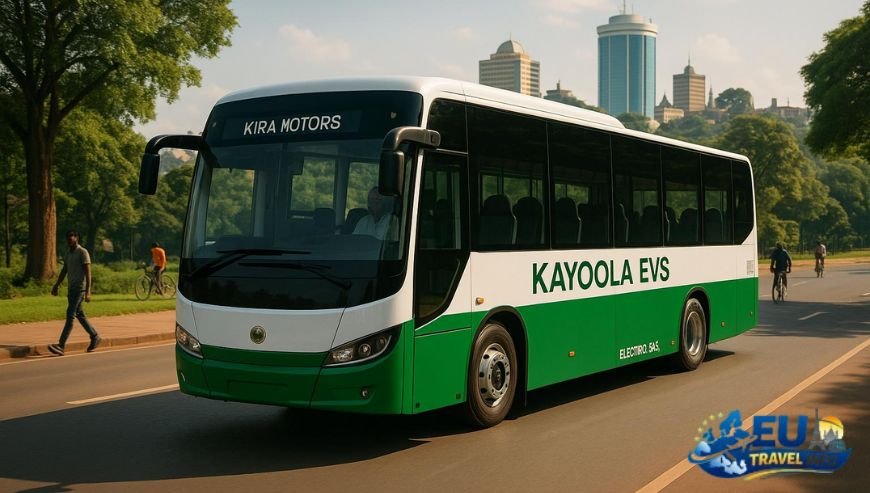
Buses are often the cheapest way to travel europe with family or on a solo mission. Though they are slower than trains, the price is hard to beat. Flixbus is a top contender here. You can find fares as low as 5 euros one way. Their app is easy to use, and you can change your ticket up to 15 minutes before you leave for a small fee.
On top of that, some buses offer a high level of comfort. RegioJet, also known as Student Agency Bus, provides movies and even free hot chocolate or tea. It is a luxurious way to travel at a budget price. If you are in the UK, Megabus and National Express offer deals for as low as 1 pound if you book early enough.
Rethink Your Bed (Accommodation Hack)
Accommodation will be one of your biggest costs. Amsterdam is a tough city for cheap rooms, where anything under €140 might have rough edges. However, you can find a safe room for €80 if you look hard. Hostels are a classic choice. You can pay for just one bed in a room with others. Many hostels have kitchens where you can cook, which saves a lot of money. If you do not like dorms, many hostels also offer private rooms for less than a hotel.
Additionally, you should look at alternative sites. Fairbnb is a cooperative that gives back to local communities. Socialbnb connects you with ecological projects where you can rent a room. Kindred is a house-swapping platform where 90% of the homes are primary residences. You pay a cleaning and service fee of about £250 a week, but the home itself is part of a swap system.
For the truly brave, Couchsurfing is an option. It has 12 million users. You stay on a local person’s couch for free. It is a great way to meet people and get a culturally immersive experience. Plus, the subscription fee is only about $15 per year if you come from a country with a strong currency.
Eat and Drink Like a Local

Food can destroy your budget if you are not careful. 15 Best Cheap Travel Tips Europe must include a plan for meals. My favorite trick is the picnic. Ten dollars can buy a fine lunch for two anywhere on the continent. Visit local supermarkets like Lidl or Aldi for fresh bread, cheese, and fruit.
On top of that, you should look for the lunch special. Restaurants often cut prices during the day to attract business workers. You can get a high-quality meal for a fraction of the dinner price. In cities like Vilnius, a soup and main dish might cost only 7-8 euros.
Avoid the tourist traps with “We speak English” signs. Look for small, local places where the menu is only in the local language. Ask for tap water because it is safe and free. If you ask for just “water,” the waiter will bring an expensive bottle. Similarly, in Southern Europe, drinks are often half price if you stand at the bar instead of sitting at a table.
Head East for Big Savings
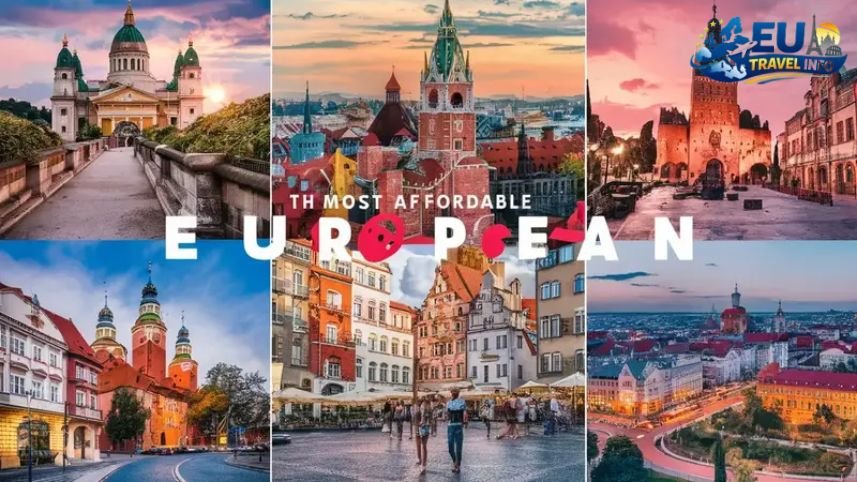
Eastern Europe is still a haven for budget travelers in 2026. Cities like Budapest and Prague offer luxury experiences without the high price. You can soak in the Széchenyi Thermal Bath in Budapest for much less than a spa in Western Europe.
Krakow is another gem that looks like a medieval postcard. It is one of the best way to travel europe in 2 weeks if you want history and cheap prices. The Old Town is a UNESCO site and most landmarks are free to see. Warsaw also offers a mix of history and modern life with plenty of options for cheap eats.
Gradually, you will notice your money stretches much further here. A beer in Prague often costs less than a bottle of water. In Sofia or Brasov, you can find quality rooms and meals for a small part of your daily budget.
Time Your Trip Perfectly
Peak season is summer, but that is when everything is crowded and expensive. The weather is great, but you will pay the highest prices for a bed. On the contrary, the shoulder season is the best time for savvy travelers. April to May and September to October offer good weather and smaller crowds.
I once went to Patagonia in November and paid half the price of a December trip. The same logic applies to Europe. You will have more room on the beach in Greece or Croatia during the shoulder months. Plus, it is cooler for hiking in the Alps.
Winter is also an option if you like Christmas markets. Prague and Berlin take these markets very seriously. You can find hot mulled wine and sweets, which is a cultural tradition you should not miss.
Walk More, Spend Less
Most European city centers are compact and beautiful. You should explore on foot whenever possible. It is free and you see more of the hidden details. Many cities also offer free walking tours. You learn history from a local guide and just give a small tip at the end.
If you must use transport, stick to the public systems. Taxis and ride-shares will add up quickly. Most large cities have day passes for 5-12 EUR that offer unlimited rides on trams, subways, and buses. In Amsterdam, you can buy a card with 15 strips (strippenkaart) that you can share with a partner. Any downtown ride only uses two strips.
Use the Night as a Hotel
Night trains are a fantastic secret. You save the cost of a hotel room while you move to your next destination. The Thello Sleeper Train from Paris to Venice costs about 40 Euros for a berth. A budget hotel in Paris would cost at least 100 Euros.
Berths are usually comfortable and come with pillows and sheets. Some trains even serve breakfast in bed. You wake up refreshed in a new city and avoid the midday tourist swarms. However, you must be careful with your luggage. Use a lock and keep your valuables in a fanny pack or money belt while you sleep.
Secure Your Stash
Theft is a reality in big cities. American tourists are often targets because thieves know we have the “good stuff” in our wallets. I always recommend a money belt. It is a small price to pay for peace of mind.
Additionally, you should keep your cash and cards in different places. Do not put all your money in one bag. If you lose a bag, you will still have a backup. Make copies of your passport and flight tickets. Store them on your phone and in your email. It is also smart to carry a spare power bank so your phone does not die when you need a map.
Share the Load (Group Travel)
Groups of four people can often save by driving. Four railpasses might cost more than a single rental car. European cars get great mileage, and distances between sights are often short. Therefore, if you are traveling with a family, this is a top option.
Similarly, you can “pack the room”. A quad room is only a little more expensive than a double. The more people you put in a room, the cheaper it gets per person. Plus, you can split the cost of guidebooks and picnics.
Pick Up a City Pass
Many local tourism offices sell a card for all their attractions. These cards give you free entry or big discounts on museums and tours. On top of that, they often include free local public transport.
The “I amsterdam Card” is a good example. It covers most city sights, canal boat tours, and unlimited use of trams. This card is a winner if you are a busy sightseer. Similarly, the Paris Museum Pass pays for itself in just three visits and lets you skip long lines.
Stay a Month or More
If you have the time, staying longer can actually be cheaper. Finding a short-term apartment for a month is easier than ever. Most hosts on sites like Airbnb or VRBO offer a cheaper monthly rate than a weekly one.
You can also look for digital nomad rentals. Agencies like HousingAnywhere operate in more than 50 countries. You can find full apartments in cities like Rotterdam starting from €550. If you are willing to look after you arrive, you might find even better deals through local signs or classifieds. Ask around at local coffee shops or bars.
Avoid the “Tourist Traps” in Big Cities
Big cities like London and Paris are sophisticated and fun, but they are not cheap. You should get out of the center. In Amsterdam, visit neighborhoods like Jordaan or Oost where there are fewer tourists and better outdoor cafes.
Additionally, you should avoid hotel breakfasts. They are rarely a good value. Join the local crowd at a corner café for a croissant and coffee instead. You will get more character and a lower price. Also, check business hotels for weekend deals. When business traffic is slow, you might score a $300 room for $100.
Use Miles, Points, and Loyalty
Loyalty programs can save you a fortune on flights and hotels. Credit cards that earn miles are one of the best ways to cut travel costs. For example, some cards offer 75,000 bonus miles which can cover a whole trip.
Also, you should know what your points are worth. Different programs have different values. Invest in the right ones to help you travel your way. Using these tools, you can stay in luxury hotels for almost nothing.
Frequently Asked Questions
What is the best way to travel around Europe for cheap?
Traveling by bus is frequently cited as the most affordable option, with fares from companies like FlixBus starting as low as €5. For those visiting multiple countries, a Eurail Global Pass offers significant flexibility and can save hundreds of euros on long-distance train travel. Additionally, budget airlines such as Ryanair and Wizz Air often provide flights between major cities for €5 to €20 if booked well in advance.
What are some budget travel tips for Europe?
Key strategies include traveling during the shoulder season (spring and fall) to avoid peak prices, using public transportation instead of taxis, and picnicking with grocery store supplies rather than eating every meal at restaurants. Travelers can also save by staying in hostel dorms, using Couchsurfing to stay with locals for free, and always asking for tap water in restaurants, which is safe and free.
Is $100 a day enough in Europe?
Yes, €100 (roughly $108) is generally considered a solid backpacker budget for Western Europe, while Central and Eastern Europe can be enjoyed for significantly less, around €50 to €70 per day. This daily amount typically covers a hostel bed, inexpensive meals, free tours, and some paid attractions.
Where in Europe is it cheapest to travel?
Eastern Europe and the Balkans are the most budget-friendly regions. Cities like Budapest, Krakow, Prague, Sofia, and Bucharest offer rich cultural experiences and historical sites at a fraction of the cost found in Western Europe or Scandinavia.
Is 1000 euros enough for 2 weeks in Europe?
Yes, a €1,000 budget for 14 days averages to approximately €71 per day, which aligns with a standard backpacker budget for Central Europe. If you focus on Eastern Europe or utilize cheap accommodation like hostels or Couchsurfing, this amount is more than sufficient.
Which country is best for travel in low budget in Europe?
Hungary, Poland, and Romania are excellent choices for low-budget travelers. Albania is also highlighted as a very affordable destination with beautiful beaches often compared to more expensive Mediterranean hotspots.
What month is the cheapest to fly to Europe?
The cheapest times to fly are generally during the off-season (October through April) or the “shoulder season” edges, such as late May or early September. Airline sales are also common between January and March.
Is $5000 enough for a vacation?
Yes, $5,000 is quite substantial. For a backpacker spending €100 a day, it could fund a trip lasting over 45 days. Even for midrange travelers spending €185 a day, it would cover nearly four weeks.
How much does a 7 day Europe trip cost?
A one-week trip for a backpacker in Western Europe costs roughly €700 (excluding transcontinental flights), while a midrange trip averages around €1,295. Costs decrease significantly if traveling in Eastern Europe, where a week might cost only €350 to €500.
How to backpack cheaply?
To maximize savings, travel light with only a personal item to avoid budget airline baggage fees, cook your own meals in hostel kitchens, and join free walking tours provided in most major cities.
How to stay cheap in Europe?
Beyond hostels, consider house swapping (Kindred), house sitting (TrustedHousesitters), or camping in private gardens (Campspace). Finding local accommodation in person after arrival can also result in rates up to 50% cheaper than those listed on major tourist booking sites.
Concluding words
Traveling Europe on a budget is highly achievable by prioritizing affordability and flexibility. By utilizing low-cost buses and budget airlines, staying in alternative accommodations like hostels or B&Bs, and eating local specialties or picnicking, travelers can significantly stretch their funds.
Focusing on Eastern Europe and the Balkans provides a luxurious cultural experience at a fraction of Western rates, ensuring that the magic of the continent is accessible to everyone regardless of their bank balance.