
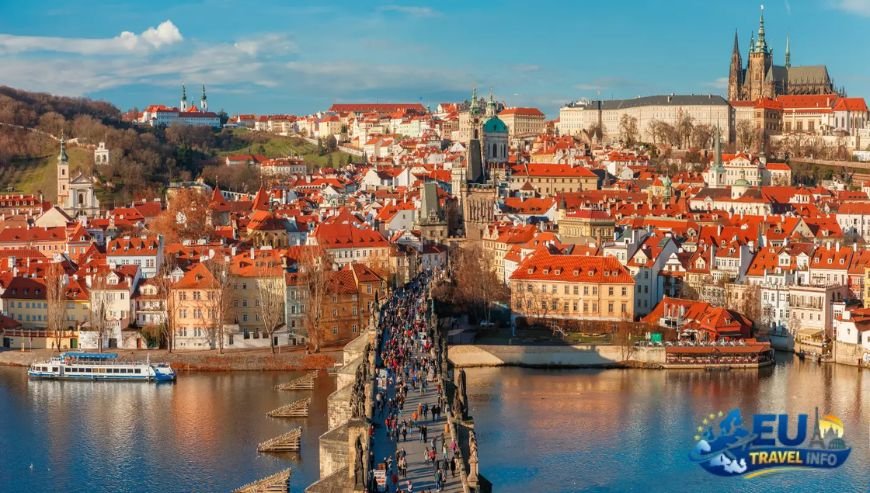
I remember the first time I set foot on the cobblestone streets of Prague. The scent of fresh pastries filled the air, and the historical buildings looked like they belonged in a storybook. I was terrified about my wallet. I kept asking myself: How Much To Budget For Europe Trip Per Day? I spent hours with a europe trip cost calculator in my head. I soon learned that Europe is a land of massive price gaps. You can spend a fortune or you can live like a local on a tiny budget.
Europe is an investment in yourself. However, the cost of that investment depends on where you go and when you go. A standard two-week trip for a budget traveler usually costs between $1,800 and $3,000. If you want a bit more comfort, mid-range travelers spend between $3,500 and $6,000. Luxury lovers should expect to pay $6,500 to $12,000 or even more. I am here to share my real experiences so you can plan with confidence.
The Big Formula: How To Budget For A Trip To Europe

First of all, you need a simple way to guess your costs. Experts often suggest the Accommodation Double + 15% rule. First, you find the average price of a place to sleep. You double that number to cover your food and fun. Finally, you add 15% to cover your travel between cities. For example, if your bed costs £22 per night, your total daily budget would be around £50.60.
This is a great starting point. how much to budget for europe trip per day typically averages around 100 euros per person once you are on the ground, but this does not include your hotel. You must realize that prices change based on your style.
- Budget Tier: You spend €35 to €75 per day. You stay in hostels and eat street food.
- Mid-Range Tier: You spend €75 to €150 per day. You get a private hotel room and eat at casual restaurants.
- Luxury Tier: You spend €200 to €400+ per day. You stay in five-star hotels and enjoy fine dining.
Additionally, your departure point matters. If you are looking at a 1 month europe trip cost from australia, your biggest cost will be the flight. Airfare from Australia or Asia often ranges from $800 to $1,800+. You should book your flights at least three to six months early to save money.
The Regional Price Divide: North vs. South vs. East
Your choices in geography will make or break your bank account. Northern Europe is a premium market. I found Scandinavia to be the most expensive region. In Denmark, prices are 40-45% higher than the average in the European Union. Stockholm is beautiful but tight on the wallet. A budget traveler in Sweden should expect to spend $80 to $100 per day. Mid-range comfort in Sweden requires $150 to $200 per day.
On the contrary, Eastern Europe is your best friend if you want to save money. Countries like Poland, Hungary, and Romania are roughly 30% to 50% cheaper than Western Europe. In Warsaw, you can eat for just €10 to €18 a day. Local transport there is only €3 to €5.
Similarly, Southern Europe offers a nice balance. Portugal is one of the most affordable spots in the West. Budget travelers in Lisbon can manage on €60 to €75 per day. Italy is a mix of high and low. Cities like Venice are very expensive, but the southern parts of Italy are much cheaper. Plus, Greece has introduced a new “Climate Resilience Tax” that adds €1.50 to €15 per night to your bill.
The Cost of a Trip to London: The “Big Smoke” Reality
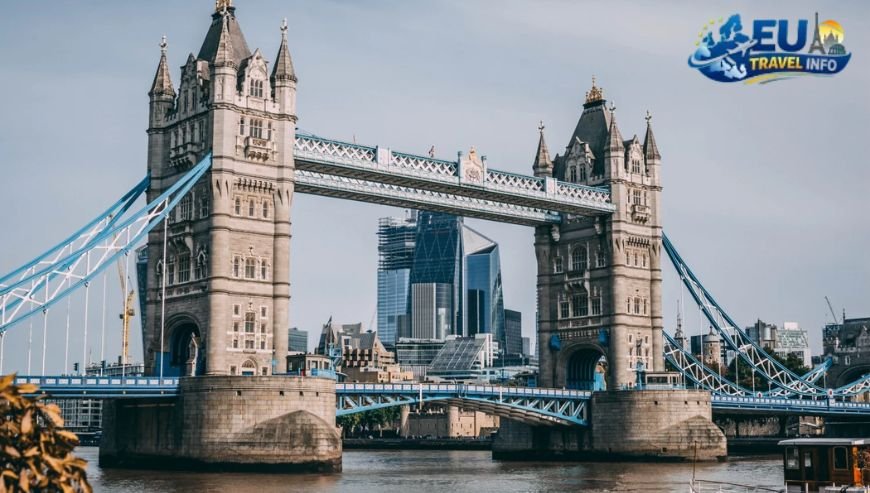
London is a treat for the soul, but it is expensive. I have lived there, and I can tell you that it is one of the priciest cities I have ever visited. If you want to know how much is a trip to europe for 1 week specifically for London, you need to be careful.
A budget traveler in London needs roughly £55 to £100 per day. This means you sleep in a hostel for £30 to £50 and eat grab-and-go meals. Mid-range travelers should budget £200 to £350 per day. This covers a nice hotel room for £120 to £200 and sit-down meals at pubs or cafes.
- Hostel Dorm Bed: £20–£50.
- Mid-Range Hotel: £150–£250.
- Tube Daily Cap (Zones 1-2): £8.90.
- Fast Food/Meal Deals: £10–£20 per day.
Though London is costly, many treasures are free. The British Museum and the National Gallery do not charge for entry. Also, the parks like Hyde Park are free to wander. I always suggest the “meal deal” from supermarkets like Marks & Spencer for a cheap lunch. It costs about £3.50 to £6.
The Moveable Feast: Planning for Paris
Paris is iconic. It exudes culture and style. As Hemingway once said: “If you are lucky enough to have lived in Paris as a young man, then wherever you go for the rest of your life, it stays with you, for Paris is a moveable feast.”.
how much is a trip to europe for 1 week in Paris? A budget traveler should aim for €80 per day. This covers a hostel dorm, picnics in the park, and public transit. Mid-range travelers spend about €175 per day. This allows for a private hotel room, meals at cheap takeaway spots, and some paid activities like the Louvre.
- Hostel Dorms: 40-90 EUR.
- Sit-down Restaurant: 35-50 EUR.
- Eiffel Tower Ticket: 16-26 EUR.
- Metro Ticket: 2.50 EUR.
On top of that, food in Paris is an arm and a leg if you eat dinner at restaurants. Therefore, I always eat my main meal at lunch. Many places offer a “prix-fixe” menu for €10-€20 at midday. It is the same food as dinner but half the price. Gradually, I learned to carry a water bottle. Tap water in Paris is free and safe to drink.
The Best Value: Berlin and Lisbon
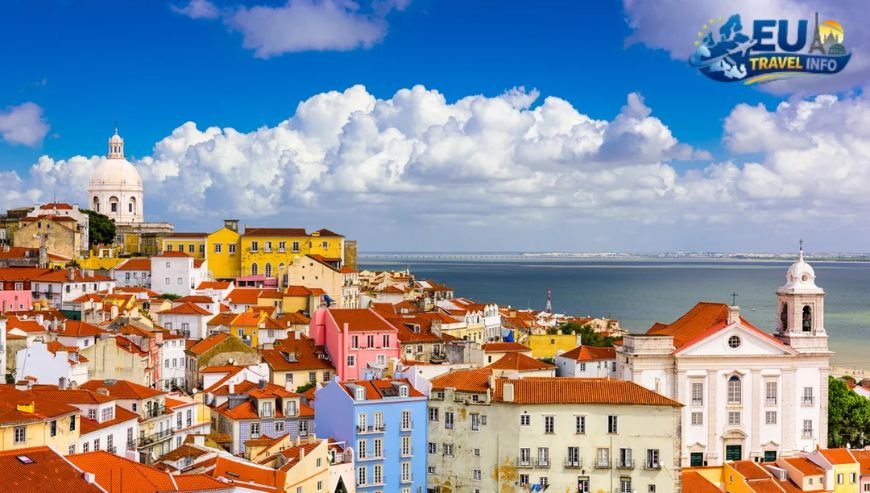
If you want the most bang for your buck, look at Berlin and Lisbon. Berlin is the most affordable major capital in Western Europe. It is 30% to 40% cheaper than London or Paris. A mid-range traveler in Berlin spends €120 to €180 per day. This covers a private hotel, casual dining, and museum passes.
Similarly, Lisbon is a fantastic value. You can explore comfortably on €60 to €80 daily as a budget traveler. Mid-range experiences cost €100 to €150 per day. The Lisboa Card is a great deal. For €22, you get 24 hours of unlimited transport and free entry to 39 attractions.
At that time, I found that “tasca” lunches in Lisbon are a hidden gem. These local spots serve a “Prato do Dia” (plate of the day) for €8 to €12. This usually includes soup, a main dish, and a drink.
The Golden City: Prague and Its Secrets
Prague is a medieval dream. It is also quite affordable for tourists. However, you must watch out for the currency. The Czech Republic uses the Czech koruna (CZK), not the euro. A mid-range budget in Prague is €90 to €140 per day.
- Public Transport 24-hour Pass: 120 CZK (about €4.80).
- Traditional Lunch: 200–350 CZK.
- National Beer: €2 to €4 per half-liter.
Also, you should avoid exchange offices in the Old Town. They often scam tourists with hidden fees. Use ATMs inside banks for the best rates. Plus, pickpockets are common on tram route 22 because it is full of tourists. Keep your bags in front of you.
Breaking Down Specific Trip Lengths
You might be asking about a 10 days europe trip cost. For a single person, a 10-day trip to a city like London would be roughly $1,100 to $2,000 depending on your style. This includes your bed, food, and sightseeing but not your flights.
A 15 day europe trip cost is slightly more efficient. You might spend $1,600 to $2,800 total. If you are a family of four traveling for 15 days, you should expect to spend between $10,000 and $11,000. This assumes you are staying in Airbnbs and eating some meals at your rental.
If you want a longer stay, the how much does a trip to europe cost for 3 weeks question comes up. For Scandinavia, three weeks of travel can average $121 per day even if you use cheaper options like Airbnbs and rental vans. This totals about $2,500 for the ground costs. For a more general European tour, budget at least $3,000 to $4,500 per person for ground expenses over 21 days.
Later, you might look at a 1 month europe trip cost from australia. A solo traveler for four weeks can expect to spend about $5,000. This includes trains, souvenirs, and local flights. For a family of four from Australia, a one-month trip will likely exceed $20,000 once you add in those expensive long-haul flights.
Hidden Costs and “Friction” Fees in 2026
I learned that the price tag you see is not always the price you pay. In 2026, new rules are in place. Non-European travelers must now get an ETIAS waiver. It costs about €7 ($23) and lasts for three years. It is a small fee, but you can not forget it.
Additionally, city taxes are rising. Amsterdam has the highest tourist tax in Europe. A family of four staying a week in Amsterdam might pay over $1,000 just in hidden costs and extras. Most cities charge between €1 and €5 per night just for staying in a hotel.
Connectivity is another trap. Using your home mobile plan can cost $10 to $15 per day. Therefore, you should use an eSIM. Regional data packages can cost as little as $7.00. This will save a family hundreds of dollars over a long trip.
Also, do not forget the “couvert” in restaurants. In places like Lisbon, servers bring bread and olives to your table automatically. These are not free. They cost €1 to €3 per person if you eat them. Simply decline them if you do not want to pay.
Transportation: How To Move Without Breaking The Bank
Public transit is the heartbeat of Europe. It is efficient and usually cheap. Single tickets for buses or metros are typically $1.50 to $4.00. However, the real savings come from multi-day passes. A 7-day ticket in Berlin costs €43. A similar pass in London is about £45.
Intercity travel is where it gets tricky. High-speed trains are fast but expensive if you buy tickets at the last minute. I always book my trains two to three months early to save up to 50%. If you plan to visit many cities, the Eurail Global Pass is a good option.
- Eurail (4 days in 1 month): $340.
- Eurail (1 month continuous): $836.
Budget airlines like Ryanair or EasyJet offer fares as low as $30. However, they have hidden fees for bags and seat selection. Sometimes a $5 fare ends up costing $200 after you add your luggage. Therefore, you must read the fine print.
Accommodation: Where You Sleep Matters
A bed will be your biggest daily expense. Hostel dorms are the cheapest. They cost $20 to $60 per night in Western Europe. In Eastern Europe, you can find a bed for as low as $10 to $20. I always suggest hostels with kitchens. You can save a lot of money by making your own breakfast or dinner.
Hotels offer more privacy. A standard room is usually $90 to $150 per night. If you want luxury, prepare for $300 to $500+. I find that staying outside the city center saves 30% to 40%. Europe has great public transport, so a 20-minute ride into town is worth the savings.
Vacation rentals like Airbnb are better for groups. A one-bedroom apartment in a residential neighborhood often starts at €60-€80. But beware of the cleaning fees. They average about $68 per stay.
Food and Drink: The Joy of European Eating
Missing the local food is like going to Disneyland and not riding the rides. However, you do not need to eat at a restaurant for every meal. I follow a simple plan. I eat a grocery store breakfast and a street food lunch. Finally, I splurge on a casual sit-down dinner.
- Street Food (Currywurst/Kebab): €4–€10.
- Supermarket Daily Basket: €15–€25.
- Pint of Beer: €2–€6.
- Coffee: €1–€4.
Additionally, tap water is your best friend. In many cities like Berlin and Prague, the water is perfectly safe. You can save €2 to €3 per bottle by using a refillable bottle. Plus, many museums have free water fountains.
Specific Itinerary Costs: A Summary for Planners
If you are planning for different lengths of time, here is a quick guide. These numbers are ground costs and do not include international flights.
- 1 week in Europe: Budget $500–$1,000. Mid-range $1,000–$1,800.
- 10 days in Europe: Budget $750–$1,500. Mid-range $1,500–$2,500.
- 15 days in Europe: Budget $1,200–$2,200. Mid-range $2,500–$3,800.
- 3 weeks in Europe: Budget $1,600–$3,000. Mid-range $3,500–$5,500.
- 1 month in Europe: Budget $2,200–$4,000. Mid-range $4,500–$7,500.
how much does a europe trip cost from australia? You must add about $1,500 to $2,500 to the totals above to cover your flights and travel insurance from the Southern Hemisphere.
Top 5 Money-Saving Master Tips
- Travel in the Shoulder Season: Visit in May, June, September, or October. Prices are 20% to 30% lower than in the summer, and the crowds are smaller.
- Use City Passes: If you love museums, get a pass. The Paris Museum Pass pays for itself if you see three or more museums.
- Eat Like a Local: Skip the restaurants with photo menus or people standing outside trying to pull you in. Find a place where the locals are eating.
- Validate Your Tickets: In cities like Prague and Berlin, you must stamp your ticket in a machine before you ride. If you do not, you will get a huge fine, even if you have a ticket.
- Be Cash Smart: Always choose to pay in the local currency when a credit card machine asks. If you choose your home currency, the machine will give you a terrible exchange rate.
FAQ
How much money do I need in Europe per day?
I have found that your daily needs depend mostly on your style. Budget travelers usually need between €35 and €75 per day. If you prefer a mid-range experience with private rooms and some nice meals, you should plan for €75 to €150. Plus, those who want luxury should set aside at least €200 to €400+ every single day.
Is $100 a day enough in Europe?
Yes, it is certainly enough for most budget-conscious people. In Western Europe, $100 is the standard for a frugal backpacker. However, this amount goes much further in Eastern Europe. Similarly, a traveler in Poland or Hungary can live quite comfortably on $40 to $90 daily.
How much will I spend a day in Europe?
The region you visit changes everything. In Northern Europe, you might spend €100 to €200 per day because of high costs. On the contrary, Southern Europe usually requires only €50 to €125. First of all, you must decide if you value cheap beer in Prague or expensive wine in Norway.
How much does a 7 day Europe trip cost?
A one-week trip to a city like Berlin costs roughly €420 to €630 for budget travelers. If you want mid-range comfort, you will spend between €840 and €1,260. Additionally, luxury visitors often pay €1,750 to €2,800 for a single week of high-end service.
Is 1000 euros enough for 2 weeks in Europe?
This works out to about €71 per day. I can tell you that this is plenty for the Balkans or Eastern Europe where daily costs are often €35 to €55. However, it is a very tight budget for Paris or London. You will need to stay in hostels and eat supermarket meals to make it work in the West.
Is $5000 enough for a vacation?
A total of $5,000 is a very healthy budget. I have seen that a comfortable two-week trip for one person usually costs around $2,890 to $3,000 including flights. Therefore, $5,000 can easily cover a one-month solo trip or a very fancy two-week getaway for two people.
How much euro cash should I carry?
You should keep between €50 and €100 in cash for your daily needs. Though many places take cards, small shops and traditional pubs in cities like Prague still prefer cash. I always suggest withdrawing €100 to €200 at a time from a bank ATM to avoid high fees.
What month is the cheapest to fly to Europe?
January is the absolute cheapest month for travelers. November is a close second. During these months, you can find flights for as low as $400 to $700. You should avoid June through August because demand sends prices above $1,400.
What is the cheapest way to travel around Europe?
Buses and regional trains are the best ways to save your cash. Regional buses often cost only €10 to €30 for city transfers. Additionally, budget airlines like Ryanair offer fares under $30, but you must watch out for hidden bag fees.
What is the best way to carry money in Europe?
You should use a contactless credit card for most of your purchases. Plus, a travel debit card from a provider like Wise helps you avoid bad exchange rates. I always carry a small amount of cash as a backup for markets and tips.
What is the most expensive country in Europe for tourists?
Norway and Switzerland are famously expensive. In Denmark, the prices are roughly 40% to 45% higher than the average for the European Union. Therefore, you should limit your time in the Premium North if you have a tight budget.
How much to eat per day in Europe?
A budget traveler can eat for $20 to $40 a day by using supermarkets and street food. Mid-range travelers who enjoy restaurants should budget $50 to $100. On top of that, fine dining easily costs over $300 per day.
What are Europe’s top destinations in 7 days?
If you only have one week, I suggest you stick to two major hubs. Popular pairs include London and Paris, or Prague and Budapest. Some travelers choose Berlin and Amsterdam because they are connected by easy train routes.
Which Europe tour is best?
I recommend small group tours with 6 to 18 people for a personal feel. Companies like G Adventures are great for those who want to avoid the stress of planning. Also, city-specific tours like a five-day Berlin package can offer great value for history lovers.
What’s the best time to visit Europe?
The shoulder seasons of April to May and September to October are the best. You will enjoy mild weather and smaller crowds. Also, accommodation costs during these months are 20% to 30% lower than the summer peak.
Concluding words
A trip to Europe is a grand investment that requires a smart plan for your money. You can choose a budget path for €35 a day or a luxury journey for over €400, but most people find a happy middle around €100 per person.
The key to success is to balance expensive Western capitals with affordable Eastern gems while traveling during the shoulder seasons. I have learned that with advance booking and a diligent savings plan, anyone can experience the magic of the European continent.