
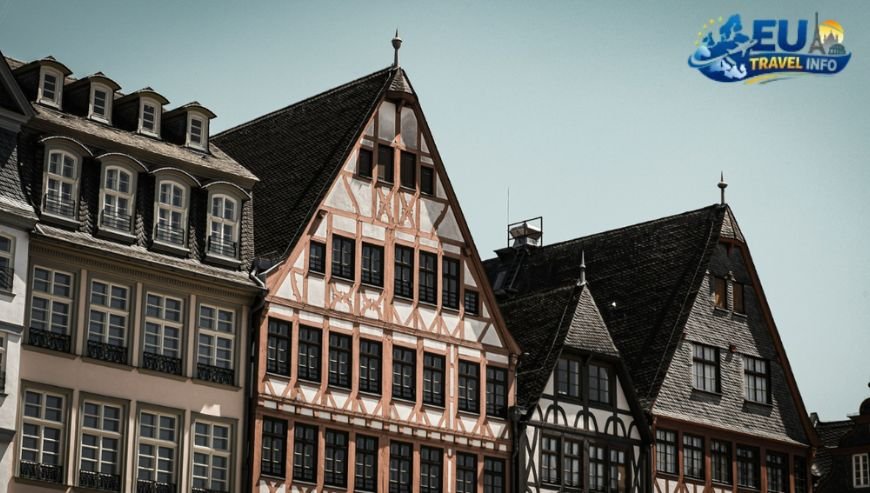
I have spent years exploring the winding streets and historic castles of the Federal Republic of Germany. Many people think that this part of the world is too expensive for a regular person. I am here to tell you that you can see the best of this country without spending a fortune. It is a huge place with 16 federal states and roughly 11,000 municipalities. You might wonder how to travel germany on a budged while still enjoying yourself. I found that it is all about making smart choices with your sleep, your food, and your train rides. If you want to know how to plan a trip to germany that will not break the bank, keep reading.
The Big Question: What Does It Cost?
First of all, you need a clear idea of the money you will spend. You likely want to know how much should i budget for a trip to germany. For a person traveling alone, the bare minimum to cover basic living expenses is about €992 per month. If you are visiting for a shorter time, a daily budget of €70 to €150 is common. However, a savvy person can survive on a “backpacker” lifestyle for about €56 to €95 per day. This covers a bed in a hostel, simple meals, and local travel. On top of that, you should think about how much should i budget for a trip to europe in general. Germany is often cheaper than other big neighbors like France or the United Kingdom.
Prices change a lot depending on which city you choose to visit. Munich and Stuttgart in the south are usually the most expensive places. Rent and food there cost more because of high property values. On the contrary, eastern cities like Leipzig and Dresden are much more affordable. For example, a budget meal in Leipzig might cost €12.00, while the same meal in Munich is €19.00. Therefore, choosing where you stay is the first step in How To Travel Germany On A Budget.
Later, you will see that these regional differences can save you hundreds of euros. I have seen that a family of four usually spends about €3,406 per month, not including rent. If you are looking for what is a good budget for travelling europe, Germany is a great starting point because it is moderate in price. Additionally, the country is very safe for solo travelers and families alike.
Where to Rest Your Head for Less
Accommodation is often the biggest cost for any traveler. I found that you can spend 30% to 50% of your total budget just on a place to sleep. Though hotels are nice, they can be pricey. A basic hotel room for two people often costs between €70 and €120 per night. However, there are much cheaper ways to find a bed. I highly suggest looking into hostels that feel like hotels.
One of my favorite tricks is staying at a&o Hostels. They are the largest hostel chain in the world. I have stayed in their Berlin rooms for as low as €11 to €13 per night. They have private rooms for families too. Similarly, Meininger Hotels are a great choice. They provide guest kitchens where you can cook your own meals to save even more money. Plus, they offer free Wi-Fi and en-suite bathrooms in most rooms.
Another secret I love is the German Youth Hostel Association, known as DJH. They have over 400 hostels across the country. Some are located in real castles or by beautiful lakes. You do need a membership to stay there, but it is cheap. For people over 27, it costs about €22.50 per year. This is a small price for the chance to sleep in a historic castle for a low rate. Finally, if you stay for more than a week, look for a “Zwischenmiete” on sites like WG-Gesucht. These are rooms that students rent out while they are away. These can cost as little as €250 to €600 per month.
The Secret to Cheap Travel: The Deutschland-Ticket
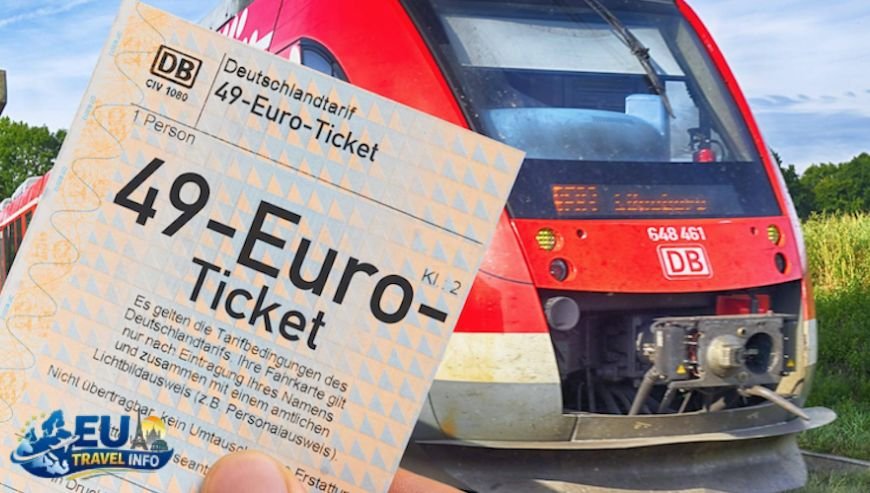
Getting around the country used to be expensive. High-speed trains are fast but they cost a lot of money. However, a new ticket has changed everything. It is called the Deutschland-Ticket, or D-Ticket. For just €63 per month (starting in 2026), you get unlimited travel on all local and regional transport. This includes buses, trams, subways, and regional trains. It is an incredible deal.
You must understand how it works to avoid extra charges. It is a monthly subscription that you can cancel. You must cancel it by the 10th of the month if you do not want it for the next month. On top of that, it is only valid for one calendar month. If you buy it on the 15th, it still expires at the end of that same month. Even with these rules, it is the best way to see the country for a flat fee. It also works for trips to nearby places in other countries like Salzburg in Austria or Basel in Switzerland.
If the D-Ticket does not fit your schedule, there are other ways to save on transport. First of all, FlixBus is a lifesaver. I have found bus tickets for as low as €5 for intercity travel. They have Wi-Fi and power outlets on the bus. Additionally, BlaBlaCar is a popular ride-sharing app. You can hop in a car with a local who is going the same way and just chip in for gas. It is often faster than the bus and much more social. Therefore, you have many choices for how to go to germany on a budget without needing a rental car.
Eating Well Without Spending Too Much
I love German food. It is hearty and filling. However, eating at restaurants every day will drain your wallet quickly. A meal for two at a mid-range restaurant can cost around €65 to €80. You should learn to love the local supermarkets instead. Discounters like Aldi, Lidl, and Penny are where I do most of my shopping.
If you stick to store brands, your grocery bill will stay low. I found that a loaf of bread costs about €1.91 and a dozen eggs are roughly €3.32. On top of that, you must learn about the Pfand system. When you buy a bottle of water or a can of soda, you pay a small deposit. It is usually 25 cents for plastic and 8 cents for glass. You get that money back when you return the bottle to a machine at the store. It is a simple way to get back a few euros every week.
For a hot meal, I often look for a university cafeteria called a Mensa. They are open to the public at a “guest price”. You can get a full, healthy meal for about €6 to €9. Similarly, street food is a classic choice. A Döner Kebab or a Currywurst usually costs between €8.50 and €15. These are huge portions that will keep you full for hours. Plus, you can use the Too Good To Go app to buy leftover food from bakeries at a huge discount at the end of the day.
Free Adventures and Cultural Gems

The best part of traveling in Germany is that many of the top sights are free. I have spent days exploring without spending a single cent on tickets. Berlin is a gold mine for this. You can walk along the East Side Gallery, which is a long stretch of the Berlin Wall covered in art. Additionally, the Reichstag government building has a glass dome you can visit for free if you book online.
In Munich, I love the English Garden. It is one of the largest city parks in the world. You can watch surfers ride a wave in the river or just enjoy a picnic. If you love museums, Munich has a special rule. On Sundays, admission to most major state-run museums is only one euro. This is a great way to see world-class art for almost nothing.
Nature lovers should head to Saxon Switzerland National Park near Dresden. It is completely free to enter. The Bastei Bridge offers stunning views of sandstone cliffs and the Elbe River. Similarly, the palace gardens in Potsdam are free to wander. You can see elegant fountains and vine-covered buildings without a ticket. Gradually, you will realize that the most beautiful parts of the country do not have a price tag.
Planning Your Timing and Region
When you are thinking about how to travel europe on a budget, timing is everything. I found that the “shoulder seasons” are the best times to go. These are spring (March to May) and autumn (October to early November). The weather is mild and the crowds are smaller. On top of that, accommodation prices are much lower than in the summer.
However, you must be careful about special events. For example, during Oktoberfest in late September, room prices in Munich can triple. I would avoid Munich during that time unless the festival is your main goal. Similarly, the Christmas markets in December are magical but can make cities more expensive. If you visit in January or February, you will find the lowest prices, but the weather will be very cold.
Also, keep regional costs in mind. The south is affluent and pricey. The east is more affordable and has a very cool, alternative vibe. Leipzig is often called the “New Berlin” because it is so youthful and budget-friendly. It has vibrant street art and affordable cafes. Therefore, focusing your trip on the east can help you stretch your euros much further.
Practical Tips for the Road
Finally, I have a few small tips that make a big difference. I always carry some cash. While cards are becoming more common, some small shops and cafes still only take cash. Also, bring a reusable water bottle. Tap water is safe and clean everywhere in Germany. This saves you from buying expensive bottled water at tourist sites.
You should also look into city tourism cards like the Berlin WelcomeCard. These can be good if you plan to visit many museums in a few days. However, if you already have a Deutschland-Ticket, check if a “Basic” version of the city card is available. This way, you do not pay for transport twice. Additionally, use apps like DB Navigator for train times and Finanzguru to track your spending.
Traveling this way makes the journey feel more authentic. You meet locals on the regional trains and eat where the students eat. It is a rewarding way to see the world. I hope this guide helps you realize that a trip to Germany is within your reach. Happy travels!
Frequently Asked Questions
What is the cheapest way to travel in Germany?
Buses are the most affordable choice for your journey. FlixBus often provides tickets for as low as €5. Additionally, the Deutschland-Ticket allows you to use all regional trains and city transport for a flat fee of €63 per month.
How much money is required for a Germany trip?
A solo traveler should plan to spend between €1,220 and €1,320 for a one-week visit. However, a couple will likely need between €1,880 and €2,350 for the same amount of time. These amounts cover your room, food, and local travel.
What is the cheapest month to fly to Germany?
You will find the lowest prices if you fly between November and March. This time of year is very budget-friendly because there are fewer tourists. Plus, winter is the cheapest time to find deals on high-end hostels.
Is 500 euros enough for a month in Germany?
No, it is not enough. A single person needs at least €992 per month to pay for basic life costs without including rent. Rent in many cities starts at €500 for a simple one-bedroom apartment.
How much would a 7 day trip to Germany cost?
A one-week trip for a single person costs about €1,220. On the contrary, a family should budget around €115 per night for a room alone. Daily costs for a family also include roughly €52 to €66 for food.
How much bank balance is required for a Germany visa?
You must show that you have at least €11,208 for one year. This money is often kept in a blocked account to prove you can support yourself.
Is 1000 enough in Germany?
Yes, €1,000 is enough for a single person to cover basic monthly living expenses. Though money might be tight, students often live on a budget of €800 to €1,200 per month.
What language is spoken in Germany?
People speak German. However, many residents also speak excellent English, which makes travel easy for tourists. It is still a good idea to learn a few basic German phrases.
Is Metro free in Germany?
The metro is not free. However, a single ticket is quite affordable at around €3.20. You can also use the Deutschland-Ticket for unlimited metro rides.
How many days in Germany is enough?
Germany is a huge and diverse country, so you should not rush your visit. You can see the main parts of a city like Bremen or Nuremberg in 48 hours. Finally, a full week allows you to see one or two major regions comfortably.
Concluding words
I have shown you that a trip to this beautiful country does not have to be expensive. You can save a lot of money if you use the Deutschland-Ticket for trains and stay in a&o Hostels or DJH youth hostels. Eating at a Mensa or buying food from discount stores like Aldi will keep your belly full for a low price.
On top of that, many of the best sights like the English Garden and the East Side Gallery are totally free. Germany is a place with a high quality of life and moderate prices. I hope you use these tips to plan a great budget adventure soon.