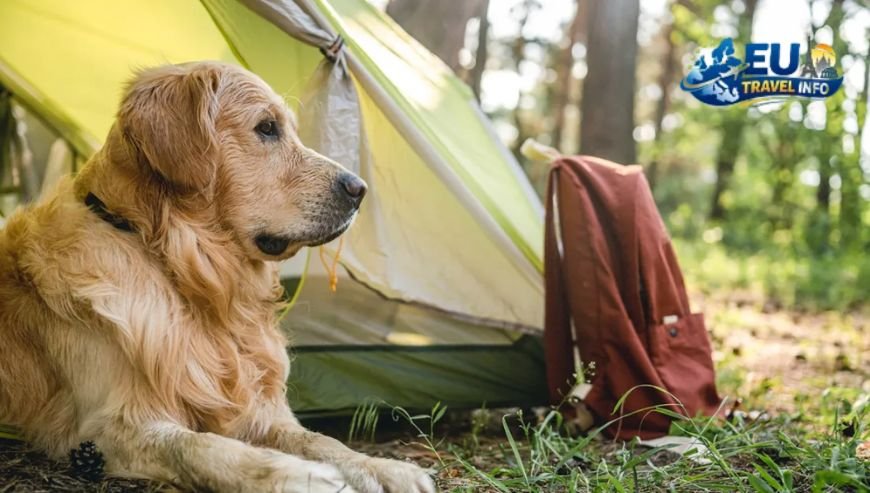
I am a person who loves to include my dog in every single adventure. It is a massive bummer when I find out that I cannot take my furry friend to most national parks. Traditional camping usually forces your pup to stay on a leash at all times, which makes the whole trip much less exciting for both of you. Plus, those developed campgrounds often feel way too crowded and are not very scenic. Fortunately, I discovered that public lands are an amazing option where my dog can run free and I can truly become one with nature. This is where the concept of dispersed camping changed my life.
First of all, I need to explain what dispersed camping actually is. The National Forest Service says it is camping anywhere outside of a designated campground. This means I camp without assigned sites, bathrooms, or other fancy amenities. It is a much more solitary and immersive outdoor experience. Pure magic. Through these trips, I can survey the landscape and let my dog explore freely too. You might be looking for a campsite dog friendly near me, and public lands managed by the Bureau of Land Management (BLM) are the answer. These lands provide remote and very inexpensive camping opportunities.
Affordable Dog Friendly Campsites are everywhere if you know where to look. I found that I can stay on BLM Utah-managed lands for free. There are no fees, permits, or passes associated with this type of camping. However, I must follow a 14-day camping limit while I occupy any site on these lands. Additionally, I only travel on designated routes. I always make sure to camp at least 300 feet away from range improvements like corrals or gates. On top of that, I never trench, dig, or level my site. I always pack out all of my trash to keep the land beautiful. A total game changer.
Gradually, I learned that dog friendly camping is a wonderful way to bond with my pup. We explore together and we both stay very active. I also love that I do not have to pay for a pet sitter when we go into the woods. My dog acts as an extra set of eyes and ears to keep me safe. I usually know about surrounding wildlife long before I can see the animals because of his sense of smell. This is perfect for high-energy dogs who need a huge, unrestricted area to roam and play.
Finding the Best Spots
The search for cheap dog friendly campsites does not have to be a headache. I use several apps to find the best spots. One of my favorites is iOverlander. The free version is quite powerful. It allows me to see different campsites, and even laundromats. I also use Campendium which is a fantastic resource for discovering dry camping locations. It provides photos, cell data info, and reviews from other travelers. If those do not work, I check Freecampsites.net. It often has more sites listed, though the quality can vary. The ultimate freedom.
Later, I started using Gaia Maps to cross-reference my spots. This is a great resource to see the boundaries for public lands so I do not accidentally end up on private property. Similarly, Google Maps in satellite view is a total lifesaver. It allows me to see the area from the sky. I can spot little clearings, tire tracks, and even trees for shade before I waste time driving down a road. I also keep paper maps as a backup because cell service is often non-existent in remote areas.
Locations Across the Map
If you want to travel further, there are amazing options in Europe. I have seen that there are best dog friendly campsites france has to offer listed on Camperguru. You can find dog friendly camping france sites that are free for an overnight stay. Some of these are dog friendly caravan sites in france located in beautiful regions. Additionally, Pitchup.com lists over 1,051 destinations in France that allow dogs. It is a great way to see the French countryside with your best friend.
On the contrary, if you prefer the United States, I have some top picks for you. The Dyrt identified the best dog-friendly campsites for 2024. First on the list is 4 Paws Kingdom Campground & Dog Retreat in North Carolina. It is the first dog-dedicated campground in the country. They even have a doggy bathhouse with a grooming station and a swimming pond. Another great one is Wagonhammer RV Park & Campground in Idaho. It has a nature walking path on an island where dogs can run off-leash. Doggy heaven.
Affordable Monthly Stays
Many people struggle to find affordable long-term parking for their RVs. I found that monthly rates are often much lower than daily rates. For example, a park in Washington charges $65 per night, which is about $1,950 for a month. However, their monthly rate is only $700. That is a savings of $1,250.
Here are five cheap monthly RV parks in the U.S. that I recommend:
- Sunlit Meadows RV Park in New Mexico. The monthly rate is about $395. It has full hookups and is pet-friendly.
- Shady Pines Retreat in Texas. This one is around $440 per month. It is close to local stores and has community events.
- Oceanview RV Resort in Florida. You can stay for approximately $480 a month. It offers lake access and shaded lots.
- Forest Haven RV Camp in Georgia. The rate is around $450. It has a fishing lake and spacious sites.
- Desert Oasis RV Getaway in Arizona. This spot is about $475 per month. It is solar-friendly and has lots of sunshine.
Preparing for the Journey
You must do your homework before you set out. I always research any restrictions at my destination. While most BLM land allows dogs, some protected areas have stricter rules. I check official maps and contact local field offices to be sure. I also think about my dog’s unique temperament. Some dogs love the outdoors, but others might feel anxious in new places. I consider his energy level, age, and any specific needs he has.
First of all, I pack the “must-haves” for every trip. This includes a sturdy 6-foot leash and a collar with current ID tags. I also bring proof of a current Rabies vaccination because many places require it. I never encourage my dog to drink from puddles or lakes to keep him healthy. Safety first. Additionally, I bring plenty of baggies to pick up his waste. Abandoned dog waste is a major reason why some parks decide to stop being pet-friendly. I always try to leave the area cleaner than I found it.
Essential Gear for Your Dog
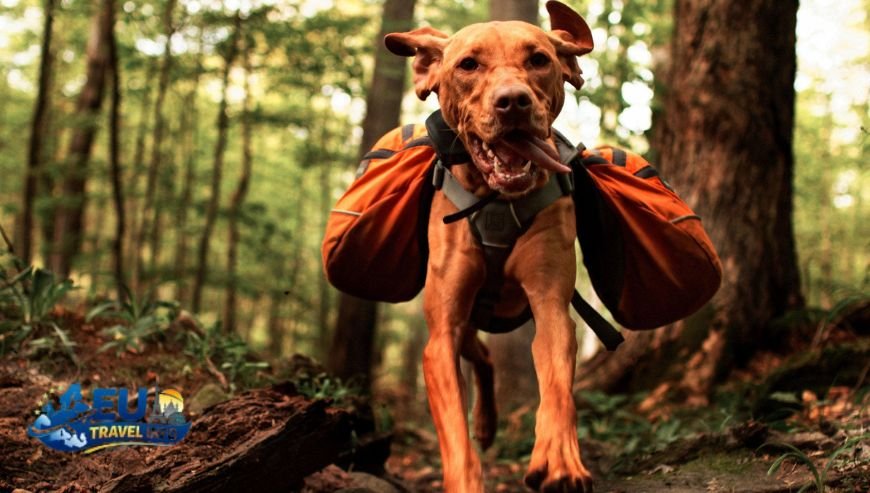
I have learned that specific gear makes dog friendly camping much better. Here is what I keep in my pack:
- Sleeping Bags: My dog needs a cozy space to rest after a long day of exploring. Some bags function as both a bed and a sleeping bag.
- Doggy Backpacks: Dogs love having a job to do. A backpack allows them to carry their own food and water. A healthy dog can carry up to 25 percent of their own weight.
- Waterproof Toys: These are great for playing fetch in a lake or river.
- Paw Protectors: Booties shield their feet from sharp rocks, thorns, or hot surfaces. This is essential for dogs who do not get out of the house often.
- A Wireless Containment System: I use a GPS fence like SpotOn. It allows me to create a virtual fence anywhere so my dog can roam without a leash. It even works without cell service.
- Canine First Aid Kit: I include bandages, antiseptic wipes, and tweezers for ticks.
- LED Lights: I put a light on his collar so I can see him better at night.
Managing Utilities Off-Grid
Finally, I had to learn how to manage my own utilities while dry camping. This means I camp without any exterior hookups for water, sewer, or electric. It was a big learning curve for me.
Water Conservation is the hardest part. I must limit the amount of water I use every day. I figure out my tank size first. Large RVs can hold up to 150 gallons, but smaller ones might only hold 30 gallons. I wash dishes under a tiny trickle of water. I also take very short “military” showers where I turn the water off while I soap up. I know where to refill my tanks at gas stations or rest areas. Love’s, Flying J, and Pilot are great one-stop shops for water and dump stations.
Power Management is another challenge. I use a house battery to power my lights and appliances. I recharge these batteries using a generator or solar panels. A decent generator can cost between $150 and $500. Solar is a bigger investment, often costing around $1,500 for a simple setup, but it is worth it if you camp often. I also make sure my propane tank is full. I run my refrigerator and hot water heater off of propane when I am not plugged in.
Respecting the Rules and Etiquette
I always follow proper camping etiquette to ensure facilities stay pet-friendly. Irresponsible behavior by a few owners can cause owners to ban pets entirely. I always keep my dog on a leash in developed campgrounds. Even if he is perfectly behaved, it is unfair to people who might be afraid of dogs. I also mind the noise. Nothing ruins a peaceful trip faster than a dog barking for hours. I keep treats handy to distract him from squirrels or other dogs.
Therefore, I never leave my dog alone at the campsite. Dogs causing a disturbance while alone is one of the biggest complaints people have. If I must leave him for a minute, I make sure he is comfortable. I also never allow my dog to explore someone else’s campsite. I pay close attention to where he relieves himself and never let him do it on someone else’s belongings. Be a good neighbor.
Safety in the Great Outdoors
I am responsible for keeping both myself and my pup safe. I watch out for heat stress on hot days. Even on an 85-degree day, the inside of a car can reach 102 degrees in less than 10 minutes. If my dog shows signs like rapid panting or glazed eyes, I cool him down immediately with cool water and seek a vet. I also use zinc-free sunscreen on his nose and ears if he has thin hair.
Additionally, I stay alert for local hazards like snakes or toxic plants. I keep my dog on the trail to avoid these dangers. If he gets lost, I contact a Park Ranger immediately. I also put up posters in a 3-mile radius and file a report with animal control. I always make sure his microchip info is up to date before we leave home.
Fun Activities to Enjoy
To camp with your dog is an experience like no other. We spend our days doing things that strengthen our bond.
- Outdoor Games: I pack frisbees and ropes for tug-of-war. I even use fallen logs to set up a little agility course.
- Hiking: We go on scenic hikes, but I am realistic about his limitations. Older pets or “couch potatoes” should not do long, strenuous hikes right away.
- Swimming: If we are near a lake, we go for a dip. I use a doggie life jacket if we are on a boat or in deep water.
- Campfire Moments: We gather around the fire at night. I make sure to keep him at a safe distance from the flames.
The Value of State Parks
If dispersed camping sounds too intense, state parks are a fantastic middle ground. California State Parks have nearly 15,000 campsites and 280 miles of coastline. Most of these developed sites include fire rings, picnic tables, and showers. They usually allow dogs on leashes no longer than six feet. However, they often do not allow pets on trails or most beaches to protect wildlife. I always check the specific park rules before I go.
I found that I can save money at state parks too. Campers who are 62 or older get a $2-per-night discount in California. Disabled campers can get a discount pass for 50 percent off regular fees. These parks offer a more “out in the sticks” vibe than private RV parks, but they still have some basic comforts.
Glamping: A Comfier Choice?
Sometimes I want a bit more luxury, so I consider glamping. Glamping pods often have proper beds, electricity, and even heating. This is a great choice if you have mobility issues or if you do not want to sleep on a thin mat on the ground. It also allows you to enjoy the outdoors during the winter. Though it is more expensive per night, you do not have to buy a bunch of expensive camping gear like tents and stoves. Most sites allow dogs, and pods usually have plenty of room for their toys.
Conclusion of My Journey
Camping with my dog has taught me so much about freedom and responsibility. Whether we are at a free camping near me dog friendly spot in the desert or one of the best dog friendly campsites france provides, the memories are priceless. I save a lot of cash by avoiding kennels and pet sitters. Most importantly, my dog is happiest when he is by my side.
Gradually, you will become a pro at this too. Just remember to respect the land, follow the rules, and keep your pup safe. The road is always ready for your next big adventure. Happy tails and happy trails!.
Quick FAQ for Your First Trip
Is it safe to camp in the middle of nowhere? It can be nerve-wracking at first, but safety issues are very rare. I lock my doors at night and stay in areas with decent cell service until I feel more brave.
How do I deal with wildlife? Most animals want to leave you alone. I keep all food inside the RV to avoid attracting bears or mountain lions. In the desert, I wear closed-toe shoes and watch my step for snakes.
Can my dog really be off-leash? On BLM and national forest land, yes, if they respond to voice commands. However, I never let them wander without supervision. I do not want them bothering other campers or getting into trouble with wild animals.
What if I do not have a fancy RV? I started my journey in a regular car. You would not believe the beautiful places you can reach if you take your time on dirt roads. Just make sure your vehicle can handle the terrain before you go too deep into the woods.
What are the best apps again? I recommend iOverlander for general spots, Campendium for reviews and cell service info, and Google Maps for a bird’s eye view. Good luck!
The act of traveling with a pet requires extra work. However, the joy of seeing my dog run through a field of wildflowers makes every bit of planning worth it. I hope you find your own version of paradise under the stars.
Statistical Summary for Campers
- Public Land Access: 440 million acres managed by USFS and BLM.
- Monthly Savings: Up to $1,250 compared to daily rates.
- Solar Costs: Approximately $1,500 for a basic setup.
- Water Usage: The average family uses 300 gallons a day; RV tanks hold 30-150 gallons.
- Heat Safety: Car interiors hit 120 degrees in 30 minutes on an 85-degree day.
- Dog Weight Limit: Healthy pups can carry up to 25% of their body weight in a pack.
FAQ
Where to keep a dog while camping?
You should keep your dog on a sturdy leash no longer than six feet while you are at the campsite. You can also use a long cable to tether them away from the fire or use a doggy zip line. At night, regulations often require dogs to stay inside your tent or an enclosed vehicle. Safety first.
Can you go camping with a dog?
You absolutely can go on a trip with your furry friend!. Many public lands and developed campgrounds welcome canine companions with proper planning. A huge amount of people, over 50 percent, choose to take their pets along.
What is the 3-3-3 rule for dog anxiety?
The rule describes the timeline for a rescue dog to adjust to a new home. First of all, they need 3 days to decompress, then 3 weeks to learn a routine, and finally 3 months to feel at home.
Can a dog sleep in a tent?
A dog can definitely sleep in a tent, and many parks actually require it at night for safety. This habit keeps them safe from roaming wildlife like skunks or coyotes. It is also a sweet way to stay warm during cold nights.
What is the 7 7 7 rule for puppies?
I recommend you verify this independently. It usually refers to socialization, like a meeting with 7 new people and visits to 7 new places by age 7 weeks.
Do dogs need blankets when camping?
Dogs often need blankets or extra bedding if they are not used to sleep on the cold ground. Additionally, you can even get a specialized dog sleeping bag to keep them warm. This gear provides insulation and protection against insects. Cozy pup, happy life.
How do I say “I love you” in dog language?
I suggest you check with a professional trainer. Generally, slow blinks, leaning against your legs, or gentle physical contact are ways dogs express love.
What is the 3 second rule for puppies?
It usually refers to a “consent test” where you pet the dog for 3 seconds and then stop to see if they want more attention.
What is the rule #1 of camping?
The number one rule is to leave no trace by a removal of all your trash and waste. Additionally, you must be courteous to the land and other visitors. You should leave the area cleaner than you found it.
How long can dogs hold their pee overnight?
You should check with a vet for your specific breed. Adult dogs can typically hold it for 8 to 10 hours.
Concluding words
A trip into the wild is a great way to bond and stay active without high costs. Additionally, you can find Affordable Dog Friendly Campsites on public lands or stay for low monthly rates at RV parks.
Plus, use apps like iOverlander to find the best dog-friendly campsites today. Pack the right gear like sleeping bags and booties to keep your pet safe. Finally, follow the rules to keep these areas pet friendly for everyone. Happy trails!