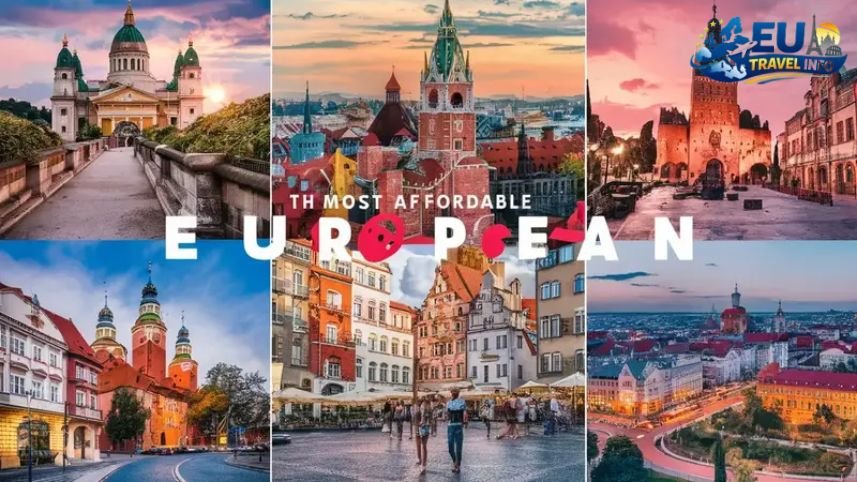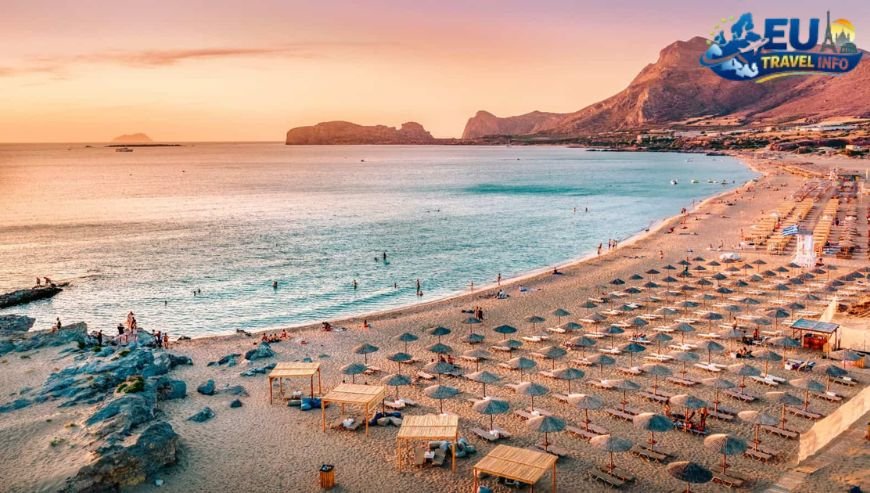
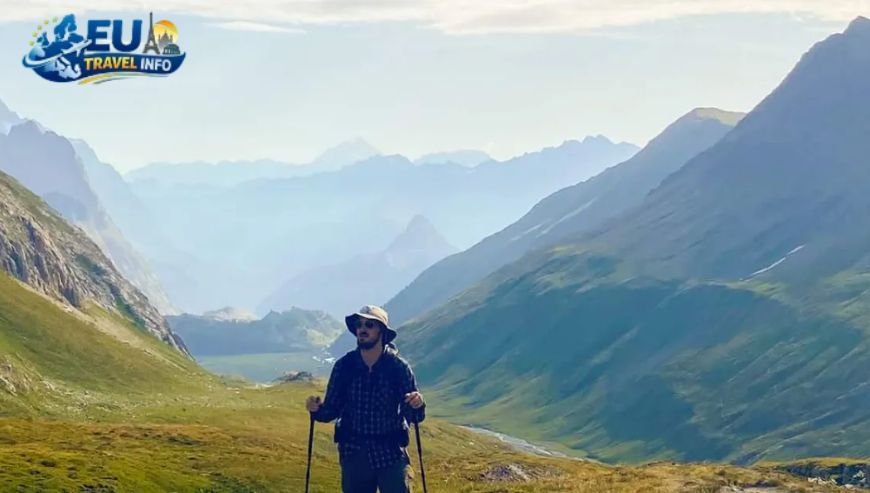
I remember the first time I stepped onto the cobbled streets of Prague. The air felt crisp. The buildings looked like they belonged in a fairytale. I expected my wallet to take a heavy hit, but I was wrong. Eastern Europe is a hidden treasure for those who want to see the world without spending a fortune. It is a place where your money stretches further than you could ever imagine. You might wonder why I chose this path instead of something like backpacking in bangladesh. The answer is the unmatched value and rich history found in these European towns.
I have spent months wandering through this region. I have learned the secrets to a perfect backpacking Eastern Europe budget. You do not need to be rich to enjoy these cultures. You only need a smart plan and a sense of adventure. This guide will show you exactly how to navigate this beautiful part of the world.
The Big Picture: Why Choose Eastern Europe?
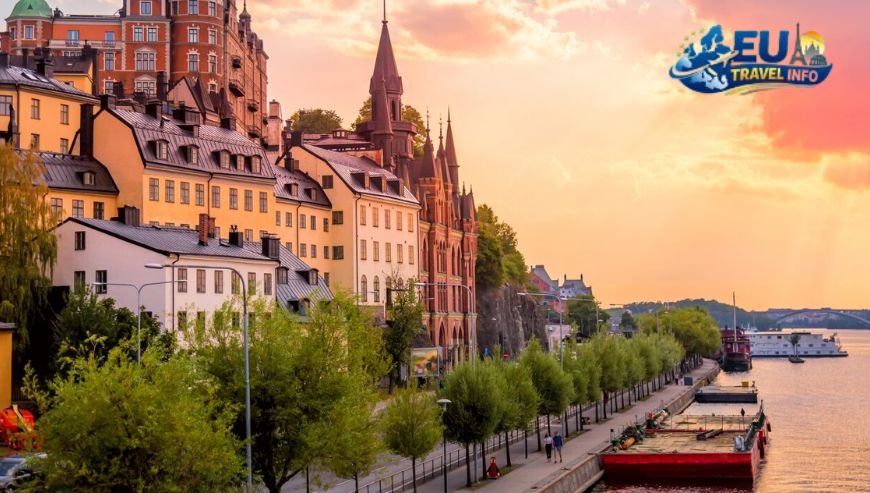
I have found that Eastern Europe offers an incredible value for money compared to Western Europe. It is truly a beauty of a budget travel destination. I do not know if there are many other places where you can get so much for so little. You can find awesome quality meals for a fraction of the price you would pay in Italy or France.
The crowds are also much smaller. You will not feel like a sardine in a can while you look at a castle. Plus, the people are friendly and the history is deep. It is a challenge for travelers that you do not find on the well-worn trails of the West.
The Real Numbers: Backpacking Eastern Europe Cost
I want to be very clear about the numbers. A typical backpacking Eastern Europe cost is much lower than in other regions. Most travelers who stay in hostels and eat local food spend between $40 and $90 per day. If you are very careful, you can even do it for less in specific countries.
Here is a quick look at the daily budget based on your style:
- Frugal Budget: $40 to $60 per day. You stay in dorms and cook your own meals.
- Mid-Range Budget: $80 to $150 per day. You stay in private rooms and eat at nice restaurants.
Additionally, you should know that a 2 months backpacking europe budget for this region would be roughly $2,400 to $5,400 depending on how much you splurge. This is a steal when you consider that Western Europe often requires at least $75 to $125 per day.
Country Guide: Romania
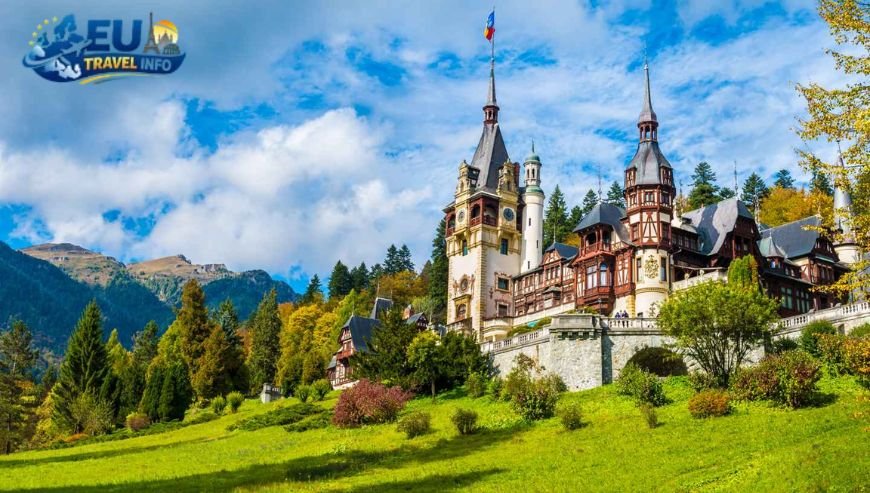
I have a soft spot for Romania. It is growing in popularity but still feels untouched in many areas. I spent about $36 per day here, which covered my travel from Bucharest to the mountains.
Brașov: A Hidden Gem
First of all, you must visit Brașov. It is a special mix of old and new. You will see horse-drawn carriages and farmers working fields by hand just a short drive from the city. I suggest you go bear watching at night. Romania has one of the largest brown bear populations in Europe.
- Average Hostel Cost: $9 per night.
- Food Fact: You can enjoy a full dinner for two for about $20, including the tip.
Bucharest: The Busy Capital
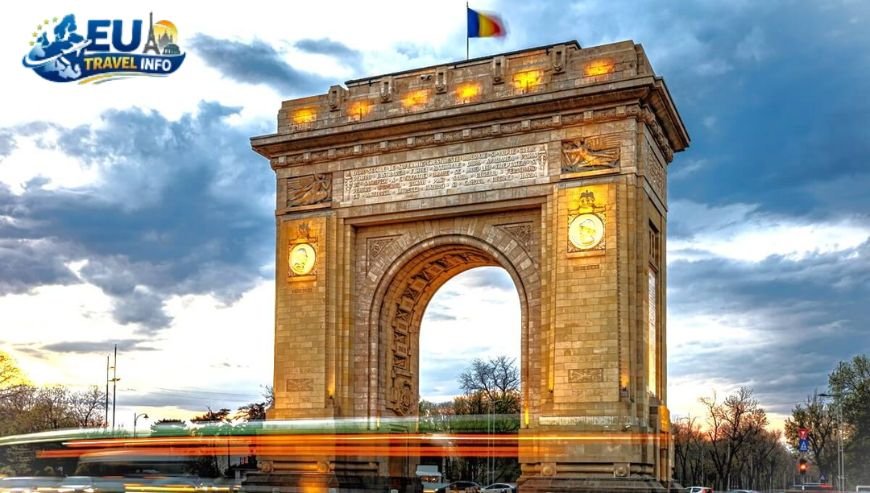
Later, you might head to Bucharest. I found it to be okay, but I prefer the mountains. However, it is very cheap. Hostels here average only $12 per night.
Money Saving in Romania
I recommend using rideshare apps like BlaBlaCar. It is not always cheaper than a bus, but it is often faster and more fun. On top of that, you should shop at discount grocery stores like Lidl or Penny Market to save on snacks.
Country Guide: Bulgaria
Bulgaria is another budget-friendly winner. I spent about $44 per day here while visiting all the major sights. It is an ideal stop if you are traveling from Turkey toward Central Europe.
Sofia and Beyond
Sofia is the main hub. You can get almost anywhere in the country by bus from here. I stayed at Hostel Mostel, which I highly recommend. They offer great discounts if you stay for more than three nights.
- Average Hostel Cost in Sofia: $22 per night.
- Local Tip: Look for guesthouses called “kvartiri” in smaller towns. They offer the most authentic Bulgarian hospitality and are often the cheapest option.
Avoid the Tourist Traps
Similarly, I suggest you avoid Sunny Beach. It is expensive and crowded with tourists. I do not understand the appeal of a beach with more chairs than sand. Instead, head to Varna or Burgas for a more chill vibe.
Country Guide: Poland
Poland offers incredible value and moving history. I was amazed by cities like Kraków and Warsaw.
Kraków: The Heart of Poland
Kraków is beautiful but can be touristy. The average dorm price is around $31, but you can find deals as low as $6.
Warsaw and Gdańsk
Warsaw is just as affordable, with hostels starting around $5 per night. If you love history, do not miss Gdańsk. It has amazing museums, including the WWII Museum and the Solidarity Museum.
The Secret of Milk Bars
Therefore, you must eat at milk bars (bar mleczny). These are communist-era cafeterias. You can get a hot, decent Polish meal for only 3 to 4 Euro. It is one of the best ways to keep your budget for backpacking europe in check.
Country Guide: The Balkans
The Balkans are where things get really cheap and exciting. I explored Albania, North Macedonia, Kosovo, Montenegro, and Bosnia.
Bosnia and Herzegovina: My Favorite
Bosnia was the highlight of my trip. Sarajevo is an amazing city with heartbreaking history and great food. I stayed at Miran Hostel in Mostar, which was a 10/10 experience. The host tells war stories that give you a perspective you cannot get anywhere else.
- Average Daily Spend: About 48 Euro, though this included many paid tours and museums.
Albania: Pastries and History
Albania is also wonderful. The food is cheap and the people are friendly. I loved sitting in cafés and eating pastries.
- Average Hostel Cost in Tirana: $17.
- Average Hostel Cost in Berat: $13.
Kosovo: The Youthful Vibe
Finally, do not overlook Kosovo. It has a very youthful vibe because half the population is under 25. I spent only about 29 Euro per day here.
Transportation: Getting Around Cheaply
You have many choices when it comes to moving between cities. Your choice depends on where you are.
Trains in the North
In the north (Czech Republic, Poland, Slovakia, Hungary, and Romania), the train is king. I always use an app to help me find prices in English. It makes life simple.
Buses in the South
Across the south (Croatia, Serbia, Bosnia, Montenegro, Albania, and Bulgaria), you should catch the bus. There are not many train lines in this area. FlixBus is a great company with a good app and fair prices.
Overnight Travel
Actually, you can save a lot of money by taking night buses or trains. You save the cost of a hotel room for the night. Plus, you do not waste a day of your trip traveling. I suggest you bring a travel pillow and a thin blanket to stay comfortable.
Rideshare Apps
Additionally, use apps like Uber or Bolt for short distances in cities. The rates are fixed, so you do not have to worry about difficult languages or being cheated. For long distances, BlaBlaCar is very popular across Eastern Europe.
Accommodation: Where to Sleep for Less
Finding a bed is easy if you know where to look. I have stayed in everything from hostels to local apartments.
The Modern Hostel
Hostels in Eastern Europe have changed a lot. Many now offer boutique facilities, like capsule beds and coworking spaces. You do not have to be young to stay in one either. People of all ages use them now.
- Top Picks: Dakura Vintage Hostel in Prague, Das Nest in Budapest, and Infinity Boutique Hostel in Sarajevo.
Apartment Rentals
Do not neglect apartment rentals. They offer privacy and a kitchen. Cooking your own meals even a few times a week is a massive money-saver. Sites like Booking.com and Agoda now offer many apartment options.
Free Breakfasts
However, I always look for a place with a free breakfast. Not paying for one meal a day adds up quickly over a long trip.
Food and Drink: Living Well on a Budget
You can eat very well in Eastern Europe without spending much. I often find that food is one of the best parts of the trip.
Local Markets
Hit up the local markets. They are plentiful and full of cheap groceries. It is also a great way to talk to local people.
Drink Local
On top of that, you should drink local alcohol. Beer is often cheaper than water in countries like Czechia and Poland. In Bulgaria and Romania, the local wine is excellent and very cheap. Avoid imported drinks if you want to save money.
Street Food
Try the street food! In Bulgaria, bakeries have delicious pastries that fill you up for almost nothing. In Albania, the kebabs are amazing.
Packing List: Essential Gear
I have learned that what you bring is just as important as where you go. You want to travel light.
- Filter Water Bottle: I recommend a filter bottle like Water-To-Go. It allows you to drink tap water safely anywhere. It saves you money on bottled water and reduces plastic waste.
- Travel Towel: Bring your own small, quick-drying towel. You do not want to pay rental fees at every hostel.
- Universal Adapter: You will need this for different plug types.
- Padlock: This is essential for keeping your things safe in hostel lockers.
- Backpack Size: I suggest a 40-50L backpack. It is large enough for the essentials but small enough to carry onto budget airlines.
Timing and Logistics
The timing of your trip can change everything. I have traveled in different seasons, and each has its pros and cons.
Avoid the High Season
First of all, do not travel in July and August if you can help it. Prices soar and crowds are everywhere. I prefer the shoulder months of June or September. The weather is still good, but the rates are lower.
Winter Travel
Winter can be very affordable. However, it is cold and dark. I have seen temperatures drop below -10 degrees in Romania. If you do not mind the cold, the bars and cafés feel very cozy.
Visas and Roaming
Most of these countries are in the Schengen Area. This means you can move between them without border checks. However, some countries like Cyprus and Ireland are not members yet.
- SIM Cards: If you have an EU SIM card, you can often use your data across many Eastern European countries at no extra cost.
- Bank Cards: I always use a Wise Card. It helps me avoid transaction fees and bad exchange rates.
Safety and Security
Is it safe to backpack alone on a budget? Yes. Europe is generally very safe for solo travelers.
Trust Your Instincts
I always stay in well-reviewed hostels. Staying in a community makes it easier to stay safe and meet people. Also, I keep copies of my important documents in a separate place.
Travel Insurance
Finally, you must get travel insurance. It is essential for medical emergencies or trip cancellations. I never go on a trip without it.
FAQ
What is the new Entry/Exit System?
I have noticed that the European Union is starting to use the Entry/Exit System (EES). It is an automated IT system that uses facial recognition and fingerprint scans. It replaces the old way of stamping passports. This will be fully in place across 29 countries by April 2026. A bit modern? Yes.
Is the tap water safe to drink in Eastern Europe?
I found that the water is safe in places like the Czech Republic. However, this is not true everywhere. I always carry a filter water bottle like Water-To-Go. It makes water from any tap safe to drink. A small cost for peace of mind? Definitely.
How much does a flexible Eurail Pass cost?
I saw that a Global Eurail Pass price depends on how long you travel. A flexible pass for 4 days within a month starts around 300 Euro. A 15-day pass can cost between 400 and 500 Euro. Worth it for long trips? I think so.
Can I stay longer than 90 days?
I learned that you need a long-stay visa or a residence permit for trips over 90 days. You can only stay for 90 days within any 180-day period without one. A serious rule? Very much so.
Which bank cards work best for travelers?
I always use a Wise Card to avoid sneaky fees. It gives me real exchange rates with no markups. Additionally, I use Apple Pay or Google Pay at many supermarkets. Cash is still king in many hostels though. Simple to use? Absolutely.
Concluding words
Eastern Europe is a perfect spot for travelers who want to save money. I have seen that you can live well on $40 to $90 per day. The region has great food, deep history, and cheap transport. You only need to plan your route and pack a good backpack. On top of that, you should use local markets and budget buses to keep costs low. The adventure of a lifetime is waiting. Will you take the first step?