I once thought that a grand tour across the Atlantic was only for the young or the very rich. I was wrong. I spent months wandering through cobblestone streets and ancient ruins. It was the most incredible experience of my life. You might wonder if you can afford such a trip at this stage of your life. The answer is a loud yes. You do not need a mountain of gold to see the Eiffel Tower or the canals of Venice. I managed to see 25 countries on a very tight budget. I learned that Backpacking Europe Daily Budget planning is the secret to success. This guide will show you exactly how I did it. I will share the costs, the routes, and the tricks I used to stay on the road without losing my mind or my savings.
The Big Question: What Is the Daily Cost?

You need to know the numbers before you pack your bags. The average cost to travel through the continent is about 50€ a day, but that does not include your flights. Your style of travel will change this number. I found that I could spend very little if I was careful. First of all, you must understand that the continent has different price zones.
Western Europe is the most expensive area. I spent between $75 and $125 per day in cities like Paris and London. However, Eastern Europe is a true bargain. I could live well on $40 to $90 per day in places like Prague or Budapest. If you choose to visit Scandinavia, prepare your wallet. You will likely spend $100 to $150 every day there.
A detailed breakdown of daily costs for a budget traveler looks like this:
- Accommodation: $25 to $40 in the West, but only $15 to $25 in the East.
- Food: $15 to $25 in the West, while the East costs $8 to $15.
- Transportation: $10 to $20 for local rides.
- Activities: $10 to $25 for museum tickets and tours.
How Much Money Do You Need for Long Trips?
I often get asked about the total price for longer stays. People want to know how much does it cost to backpack europe for 1 month. For a thirty-day trip, I suggest you budget between $2,500 and $4,500. This range covers your places to sleep, your food, and your fun. If you want a 2 months backpacking europe budget, you should double those numbers but leave a little extra for surprises. I spent two months out there and it changed my world.
You might plan an even longer escape. A 6 months backpacking europe budget will require a serious savings plan. Some people on a backpacking europe budget reddit thread say you can do three months for about $10,000. I actually did three months on much less. I spent about $3,440 total for ninety days. I was very frugal. I slept in a tent or on trains to save money. You do not have to be that extreme.
If you are a true nomad, you might ask how much does it cost to backpack europe for a year. You would likely need $20,000 to $30,000 to stay comfortable for twelve months. Use a backpacking europe cost calculator online to help you find your own number. It will help you see where your money goes.
Picking the Best Backpacking Europe Routes
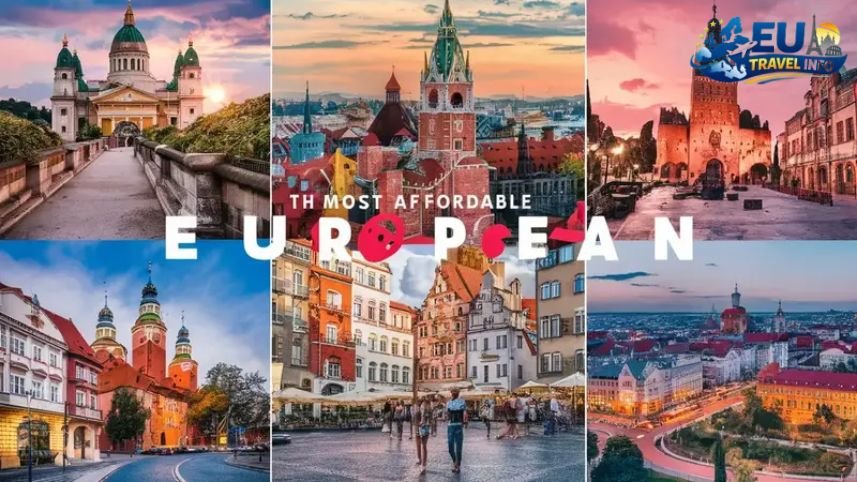
The path you take will decide how much you spend. I recommend the Classic Eastern Europe Circuit for people who want to save money. This route goes from Berlin to Prague, then Vienna, Budapest, Krakow, and Warsaw. It takes about three to four weeks. The history is rich and the prices are low.
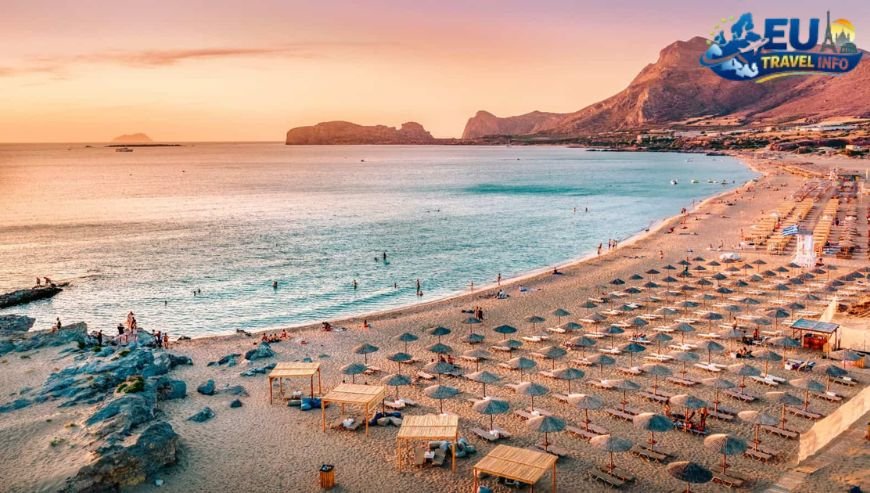
I also love the Mediterranean Budget Trail. You can start in Barcelona, move to Nice, then Rome, Athens, and end in Istanbul. This trip is best in the spring or fall. The weather is perfect then. Additionally, you could try a Western Europe Highlights tour. You visit the big names like London, Amsterdam, and Paris. I suggest you mix these expensive stops with cheaper ones to keep your average costs down.
Finding a Place to Rest Your Head
I spent many nights in hostels. They are the cheapest choice for people like us. A bed in a dorm room usually costs between $20 and $40 per night. Some cities are more expensive. London can cost up to $85, while Krakow is as low as $15.
I have a few tips for booking your stay:
- Book two or three days before you arrive for flexibility.
- Choose a place with a kitchen so you can cook your own meals.
- Read the reviews to make sure it is clean and safe.
Similarly, you can look at other options. Airbnb is great if you travel with a partner. I found shared rooms that were cheaper than hostels in big cities. At that time, I also tried Couchsurfing. It is a way to stay with locals for free. It is a wonderful way to learn about the culture. Finally, you can try camping. It is very popular in the mountains and in Scandinavia. I even slept outside under a bush once in Spain. I do not recommend that for everyone.
Eating Well on a Shoestring

Food is a big expense. I learned to eat like a local to save my cash. First of all, I shopped at supermarkets like Lidl or Aldi. I bought bread, cheese, and fruit for my lunch. I saved about $15 to $25 every day by cooking in my hostel.
Street food is another great choice. I found delicious meals for $5 to $10. In Spain, I looked for the “menu del día”. It is a fixed-price lunch that is very filling and cheap. In Italy, I went to “aperitivo” hours. You buy one drink and get to eat from a free buffet. Plus, I always carried a reusable water bottle. The tap water in the West is safe to drink and free.
Moving Between Cities and Countries
Transportation will be your biggest cost after your bed. I used a Eurail Pass for most of my travel. It gives you freedom to jump on almost any train. A pass for one month costs about €500 to €650. I found it was worth the price because I moved around a lot.
However, trains are not the only way. FlixBus is a budget bus service that covers the whole continent. The tickets can be as low as €5. It takes longer than a train, but the price is hard to beat. I also looked for flights on Ryanair or EasyJet. You can find tickets for $40 if you book early. Be careful with these airlines. They charge extra for every little thing, like a big bag.
Managing Your Gear and Luggage
I learned quickly that a heavy pack is a curse. I used a 40 to 50-liter backpack. It was large enough for my things but small enough to carry on a plane. I chose one with padded straps and a hip belt to save my back.
You will face problems with your bags when you want to see the sights. Many museums do not allow big backpacks. I used a service called Radical Storage. They have thousands of locations in local shops. It only costs about €5 per day to leave your bag there. It gave me the freedom to walk around without a heavy weight on my shoulders.
Essential Planning and Safety Tips
You must prepare before you leave home. Therefore, I made a checklist of everything I needed.
Important Documents:
- A passport that is valid for at least six months.
- Travel insurance is a must. I spent about $30 a week for peace of mind.
- Copies of your documents stored in a separate place.
Technology:
- Get a local SIM card or an eSIM. I spent about $15 to $25 a week for data.
- Download maps that work offline so you do not get lost.
- Carry a portable charger for your phone.
Health:
- Pack a small first aid kit with basic medicine.
- Check if you need any shots, though Western Europe is very safe.
- Always carry a reusable water bottle to stay hydrated.
The Best Time to Go
I think the shoulder seasons are the best time to visit. These are the months of April, May, September, and October. The weather is mild and the crowds are small. Everything is cheaper then, too. Summer is very hot and very crowded. I found that prices for beds and flights go up a lot in July and August.
FAQ
How much to budget per day backpacking in Europe?
You should expect to spend about 50€ every day for a standard trip. This amount does not include your flights from home. However, you can spend less if you stay in the East. Simple as that.
Is $100 a day enough in Europe?
A budget of $100 is doable for most people. It might feel tight in expensive cities like London or Amsterdam. First of all, you must watch your costs in Western Europe. A smart move.
How much should a backpacker budget per day?
You should aim for $40 to $90 in Eastern Europe. Western Europe usually costs $75 to $125 each day. Gradually, you will learn how to spend even less. Total control.
How much money do you need per day to travel in Europe?
You need between $75 and $155 per day for a comfortable experience. This total covers your food, bed, rides, and fun. On the contrary, very frugal travelers can get by on much less.
Is 1000 euros enough for 2 weeks in Europe?
You can make 1000 euros work if you stay in cheaper countries. It is possible to drop your daily costs by 25% if you are careful. Therefore, you must cook your own meals. Pure savings.
Concluding words
I have shown you that a grand tour is possible for anyone with a plan. You can save on beds, food, and trains if you use my advice. The costs do not have to be a mountain of gold. First of all, choose a cheap route in the East. Gradually, you will feel like a pro on the road.
Similarly, a light pack will save your back and your cash. Your adventure is waiting for you across the sea. You must take the first step and decide to go. Later, you will have memories for a lifetime. Your dream is near. Go now.