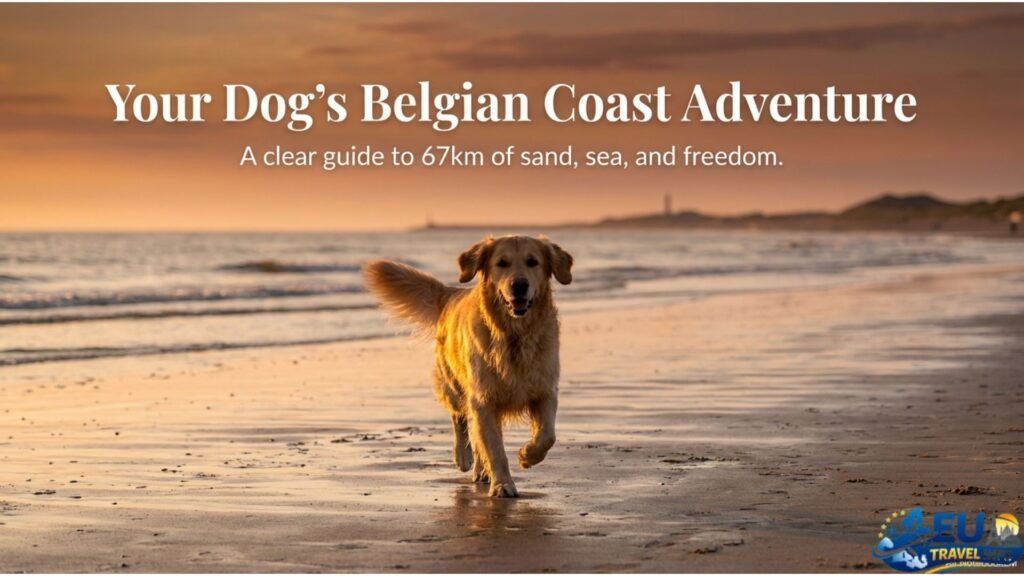
I spent three months on the road with my Golden Retriever, Luna. We took twenty-seven trains and ate more treats than I care to admit. Europe is a wonderland for people who refuse to leave their four-legged friends behind. However, not all cities are the same. Some places treat dogs like royalty. Other places make you jump through hoops just to find a patch of grass. I created a scoring system to find the best pet friendly cities in Europe. I looked at hotels, cafes, parks, and transport. The results surprised even me.
Travel with a dog changed my life. It forced me to slow down. I sat in more parks than museums. I talked to hundreds of locals who stopped to scratch Luna’s ears. A dog is the ultimate icebreaker. Plus, it reveals the true character of a city. The way a government treats animals tells you a lot about their values.
First of all, you must understand the rules. The Europe Pet Tourism Services Market was worth USD 837.5 million in 2024. Experts think it will grow to over USD 2 billion by 2035. Why? Because 53% of travelers now refuse to vacation without their animals. We are part of a massive movement.
The Paperwork: What You Need Before You Go
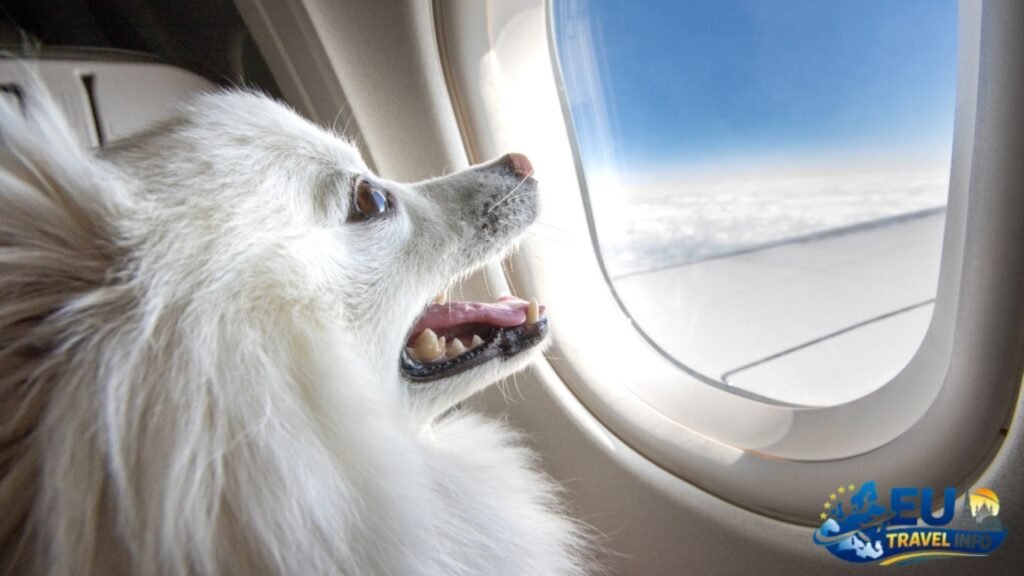
Before you book a flight, you must get your documents in order. The European Union has strict rules for the non-commercial movement of pets. Microchipping is mandatory. It must be an ISO-compliant 15-digit chip. You must do this before the rabies shot.
The rabies vaccination is the most important step. Your pup must be at least 12 weeks old before the jab. You have to wait 21 days after the first shot before you can travel. Additionally, you need an EU Pet Passport if you live in the bloc. People from the US or the UK need an Animal Health Certificate (AHC). This document is only valid for ten days before you enter the EU.
Specific countries have extra rules. Finland, Ireland, Malta, and Norway require a tapeworm treatment. A vet must give this between 24 and 120 hours before arrival. Do not forget these steps. Failure to follow the law leads to fines or even quarantine for your pet.
1. Zurich, Switzerland: The Unmatched Champion
Zurich is the winner of my list with an overall score of 9.5 out of 10. It is not just dog-friendly. It is dog-perfect. The balance between city life and nature is incredible. You can see the Alps from the city center. Every neighborhood has a park.
The public transport is a masterclass in efficiency. Dogs are welcome on all trains, trams, buses, and even boats. I bought a day pass for Luna for only 3.40 CHF. The system is spotless. On top of that, Swiss people are very clean. They always pick up waste. Poop bags are available everywhere.
My best experience? A visit to Strandbad Mythenquai. This is a public swimming area on Lake Zurich. Dogs can swim in the crystal-clear water alongside humans. Luna swam with swans while the sun set over the mountains. It was pure magic. Zurich is the best city in Europe for dogs that love the water.
The laws here protect the animal’s mind too. Dogs have a legal right to daily contact with humans and other dogs. This reflects a deep pet-positive culture. Though the city is expensive, the quality of life justifies the cost. A sandwich might cost you €15, but the parks are free and pristine.
2. Helsinki, Finland: The King of Hotels
Helsinki is a city that truly loves its furry residents. It consistently ranks as one of the most dog friendly cities in Europe. Why? The data proves it. 82% of hotels in Helsinki allow pets. Compare that to only 19% in London or 21% in Barcelona. You will never struggle to find a place to sleep here.
The city infrastructure is equally impressive. Dogs ride free of charge on all buses, trams, trains, and the metro. This is a huge help for your budget. Most other cities charge at least half-price for a dog ticket. Helsinki is a pioneer in retail too. I saw dogs in luxury department stores and grocery shops. Some stores even provide dog carts so your pup can roll next to you while you shop.
You must visit Rajasaari, which is a dedicated dog island. It has forest trails and rocky shores where your pup can run leash-free. The city also has 88 dedicated dog parks. Plus, there is a social scene for pups. We went to a bar in Katajanokka for a monthly doggy “afterwork”. They even had a pet photographer on site.
3. Paris, France: The Cafe Royalty
Paris is often called the city of love. I call it the city of dog lovers. Dogs are treated like royalty here. You can take your pup into almost any cafe, bistro, or high-end restaurant. They usually sit right on the floor or a banquette next to you. Waiters often bring a bowl of water before you even ask.
The city has over 300,000 pet dogs. Because many Parisians live in small apartments, the dogs are always out and about. Similarly, shopping is a breeze. Dogs are allowed in most boutiques and department stores. I took Luna into a designer shop, and the staff just smiled.
However, the park situation is a bit complicated. Historically, dogs were banned from most green spaces. Since 2019, things have improved. Now, dogs are allowed in many parks if they stay leashed and on the paths. Champ de Mars is a great spot near the Eiffel Tower, but dogs must stay off the grass. For off-leash fun, head to Bois de Boulogne.
Transport in Paris is hit or miss. Small dogs in bags travel for free. Large dogs officially need a muzzle and a child-fare ticket on the RER trains. Enforcement is not always strict, but you should be prepared. Paris remains one of the top 10 best pet friendly cities in europe because of its unmatched dining culture.
4. Munich, Germany: The Beer Garden Life

Munich is the outdoorsy friend of the European cities. It is a dream for active dogs. The city is famous for its beer gardens. Bavarian law allows dogs in all beer gardens. This is a wonderful tradition. I sat in the Englischer Garten with a pretzel, and Luna received her own treat from the waiter.
The Englischer Garten is massive. It covers 900 acres of land. There are sections where dogs can swim in the river or run through the meadows. On top of that, the city is very close to the Alps. You can take a train and be on a mountain hiking trail in one hour.
Munich is very pet-friendly in terms of housing too. 71% of hotels allow pets, which is tied with Zurich for second place in Europe. Public transport is easy to use. A dog ticket costs only €1.50 for the whole day. The general culture is very welcoming. Locals are dog-savvy and respectful.
5. Berlin, Germany: Responsible Freedom
Berlin is cool, artsy, and incredibly easy with a dog. It is frequently voted the most dog-friendly city in Germany. The city follows a model of “responsible freedom.” All dogs must be registered in a central database. Residents pay a dog tax of €120 per year for the first animal. This money helps fund the massive network of dog parks.
Tiergarten is the heart of the city. It is larger than Central Park in New York. Luna ran off-leash for hours in the forested areas. Later, we went to a biergarten where dogs are welcome to sit at the tables. Berlin even allows dogs in some techno clubs. I am not kidding.
Transport accessibility is a pillar of the city. Dogs are allowed on all S-Bahn, U-Bahn, and buses. You need a discounted ticket for a large dog unless you have a day pass. 64% of hotels are pet-friendly, so finding a base is easy. Berlin is perfect for alternative travelers who want their pup by their side 24/7.
6. Amsterdam, Netherlands: The Relaxed Capital
Amsterdam is perhaps the most relaxed city I visited. The Dutch attitude is very simple: “Of course dogs are welcome”. You will see pups on canal boats, cargo bikes, and cafe terraces. The city center is compact and very walkable.
Vondelpark is the most famous spot for a stroll. It has wide paths and designated off-leash areas. We also rented a boat and toured the canals with Luna. She loved the breeze on her face. Similarly, public transport is great. Small dogs in carriers are free on trams and buses. Large dogs on trains need a “Dog Day Ticket” for about €3.
One thing to watch out for is the water. The canals are not fenced. Keep your dog on a leash near the edge. Luna almost jumped in after a duck, which would have been a disaster. Also, be aware that some breeds like Pit Bulls are banned in the country. Amsterdam is one of the best pet friendly cities in europe to live if you love a laid-back lifestyle.
7. London, United Kingdom: The King of Parks
London is a city of two halves. The parks are world-class. Hyde Park, Regent’s Park, and Hampstead Heath offer hundreds of acres of off-leash freedom. Luna received more compliments here than almost anywhere else. Britain is truly a nation of dog lovers.
Transport is a huge plus. Dogs ride free on the Tube and buses. They just must be kept under control. This is the best deal in Europe. Plus, the pub culture is very inclusive. Most pubs welcome dogs. Some even have special “dog menus” or offer a “puppuccino”.
However, the city is very expensive. Hotels can cost €200 per night, and only 19% of them allow pets. This is one of the lowest rates on my list. You must book your accommodation far in advance. Additionally, the rules for entering the UK are very strict. You must have a tapeworm treatment and specific paperwork. Though it takes effort to get there, the parks make it worth the trip.
8. Rome, Italy: The City of Obsession
Romans do not just like dogs. They are obsessed with them. Luna was stopped every hundred meters for scratches and photos. The general pet culture is a perfect 10 out of 10. I felt so welcome everywhere we went.
We ate at a trattoria in Trastevere, and the owner brought Luna a plate of prosciutto. He said she was part of the family. This is common in Italy. Most restaurants allow dogs inside. Similarly, you can take your pup to ancient sites like the Roman Forum if they are on a leash.
The biggest challenge in Rome is the heat. Summer temperatures often go above 35°C. We had to wake up at 5 AM to walk before the pavement got too hot. Plus, off-leash spaces are limited in the city center. Villa Borghese is the best park for shade and running. Therefore, a visit in April or October is a much better idea.
9. Barcelona, Spain: Sun, Sand, and Gaudí
Barcelona is a vibrant city that knows how to show a dog a good time. People here treat their pets like family members. You will see them on outdoor terraces all over the city. Parc de la Ciutadella is a favorite for Sunday morning walks.
The highlight for us was Playa de Llevant. This is a dedicated dog beach that is open year-round. Luna swam in the Mediterranean while I enjoyed the sun. However, be careful in the summer. Most other city beaches ban dogs during the bathing season.
Transport is relatively easy. Small pets in carriers ride the metro for free. Large dogs are allowed during non-peak hours but must wear a muzzle. Only 21% of hotels allow pets, so your choices are somewhat limited. Barcelona is perfect for social dogs that love the beach and the Mediterranean vibe.
10. Vienna, Austria: Elegance and Rules
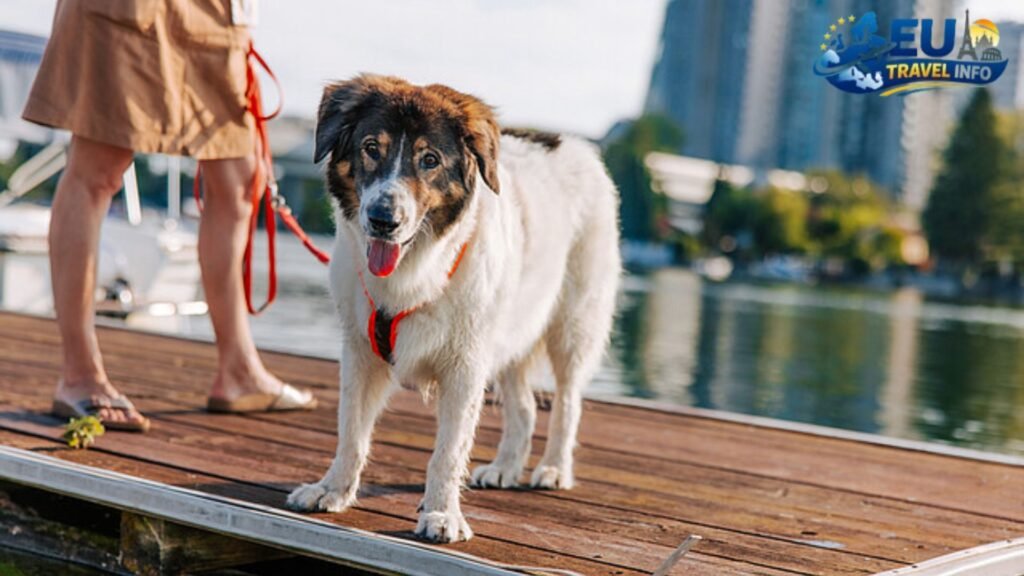
Vienna is a city of structure and beauty. It is very dog-friendly, but there are clear rules you must follow. There are nearly 59,000 registered dogs in the city. That is about 1 dog for every 34 people. You are never far from a wagging tail.
The city has over 200 designated dog zones. The Prater Hundezone is the largest, with 300,000 square meters of space. It is a doggy paradise. We also loved the traditional coffee houses. Places like Café Central allow dogs inside while you eat cake.
The rules are strict. Dogs must be leashed in public and muzzled on transport. A dog ticket is usually half-price. Interestingly, if you live there, you can take a “dog handling license” test to get a discount on your dog tax. This focus on education makes the city very predictable and safe. Vienna is one of the best cities in europe for dogs if you appreciate order and classical culture.
11. Prague, Czech Republic: The Fairy Tale Budget Win
Prague is gorgeous and very affordable. It is one of the Best Pet-Friendly Cities in Europe for dogs if you are on a budget. Hotels often cost between €40 and €70 per night. The city center is compact and perfect for long strolls.
Prague Castle is a must-visit. You can walk through the courtyards with your dog on a leash for free. Later, you can go to Letná Park. it has a huge off-leash area and a beer garden with amazing views of the river. Czech people love their dogs. You will see “dog bars” (water bowls) outside many cafes.
Public transport is free for dogs within the city. This is a fantastic perk. Officially, dogs must wear a muzzle, but the reality is often more relaxed. The only downside is that some restaurants are still strictly “no dogs”. You should always check the door for a sign before you enter.
12. Ljubljana, Slovenia: The Green Capital
Ljubljana is a hidden gem. The entire city feels like a park. It is green, slow-paced, and very open to animals. Dogs are welcome on buses and in many cafes. On top of that, the city has institutionalized “Museum Etiquette for Dog Owners”. This allows trained dogs to go into specific galleries.
We spent our days at Tivoli Park. It is a vast green space right in the city. The city is very safe and clean. 52% of hotels are pet-friendly, which is a good rate for a smaller capital. Ljubljana is perfect for dogs that prefer a quiet, natural environment over a busy metro.
13. Lisbon, Portugal: Atlantic Adventures
Lisbon is full of charm, pastel buildings, and vintage trams. The people here adore dogs. You will hear “Que lindo!” (how beautiful!) everywhere you go. We took a train to Cascais beach, and Luna swam in the Atlantic for the first time.
The topography is the biggest challenge. Lisbon has seven steep hills. My legs felt like jelly after a day of sightseeing. Similarly, the city has limited green spaces compared to Zurich or Berlin. Monsanto Forest Park is the best spot for off-leash fun.
Only 11% of hotels allow pets, which makes it one of the more difficult cities for a traveler. Also, Portugal was historically less friendly toward dogs in restaurants. Things are changing, but you still have to sit outside about 50% of the time. Though it has some hurdles, the coastal views and friendly locals make it special.
14. Nice, France: Riviera Glamour
Nice is where glamour meets canine comfort. We strolled along the Promenade des Anglais with thousands of other walkers. The sea-facing cafes almost always have a water bowl ready. There are even public beaches with dedicated dog zones.
The city is very walkable. You can explore the flower-lined lanes of the Old Town or hike in Mont Boron park. 59% of hotels allow pets, which is a very high rate for the French Riviera. Transport is easy, with small dogs in carriers riding for free on buses and trams.
15. Copenhagen, Denmark: The Hygge Experience
Copenhagen is often called the happiest city in the world. I think the dogs agree. The city is built for bikes. I rented a Christiania bike (a cargo bike), and Luna sat in the front box as we cycled through the city. It was the highlight of our trip.
Amager Strandpark is a beautiful dog-friendly beach where your pup can run free. The city infrastructure is very inclusive. Dogs ride on the metro and buses for a reduced fare. 51% of hotels are pet-friendly, so you have plenty of choices.
The only downside is the price. A coffee can cost €6, and hotels are very expensive. Budget travelers should be careful. Copenhagen is perfect for people who value design, safety, and a cozy “hygge” lifestyle.
Exploring the Least Dog-Friendly Countries in Europe
While much of the continent is welcoming, you should know about the Least dog-friendly countries in Europe. My research and experience showed that some places are much harder to navigate. Spain is often cited as a difficult destination because of strict beach bans and limited restaurant access in certain regions. I was even yelled at once for letting Luna pee on a patch of grass in a city.
Ireland is another challenge. Dublin has the lowest rate of pet-friendly hotels on my list at only 8%. The import laws are very strict too. Similarly, Portugal has a low hotel rate of 11%. Some travelers find the attitude in the Azores to be hostile, where dogs are often left outside and ignored.
The Balkan countries also tend to be less pet-friendly. Sarajevo has only 12% pet-friendly hotels, and Dubrovnik has 14%. If you plan to visit these areas, you must book your stays months in advance. Top 10 least dog-friendly countries in Europe lists often include these regions because the infrastructure has not yet caught up with the “pet humanization” trend.
Travel Logistics: Train vs Plane
Should you fly or take the rail? I analyzed over 50 routes. Trains win for 70% of European trips under 1,000km. Why? Because your dog stays with you. There is zero risk of cargo hold mishaps. Plus, trains are 60% to 80% cheaper than planes.
On a train, your dog can move and stretch. You can comfort them if they get anxious. Small dogs usually pay a tiny fee, like €7 in France or €6 in Germany. Large dogs often pay half-price. Best of all, dogs ride for free in the UK, Netherlands, and Belgium.
Planes are only better for very long distances over 1,000km. If your dog is over 8kg, they usually have to fly in cargo. This is very stressful for most animals. Temperature changes and loud noises can be scary. Therefore, I always recommend the train if it is possible.
Packing Tips for Your European Adventure
A successful trip requires the right gear. First of all, you need a high-quality, airline-approved carrier if you have a small dog. For large dogs, a durable harness is essential for those hilly Lisbon streets. Additionally, pack these items:
- Collapsible water bowls
- A portable first-aid kit for pets
- A familiar blanket to help them sleep in new hotels
- Travel-sized dog shampoo
- A cooling mat for the Mediterranean heat
Gradually, your dog will get used to the routine. Luna learned to sleep on long train rides after the first week. Finally, always carry plenty of treats to reward good behavior in cafes and shops. A well-behaved dog is a welcome guest.
FAQ
What is the most dog friendly country in Europe?
I have noticed that German-speaking countries often lead the pack. Germany, Austria, and Switzerland are consistently seen as the most welcoming places for pets. On top of that, these countries integrate dogs into daily life through clear laws and high social acceptance.
Which European country has the most pet dogs?
France is a major leader in this category. The country is home to about 7.5 million pet dogs. Also, Paris alone has more than 300,000 of those furry residents.
Which country is kindest to animals?
Switzerland stands out as a champion of animal rights. The laws there protect the mind and social needs of an animal. For example, dogs have a legal right to daily contact with humans and other dogs.
Is Italy dog friendly?
Yes, it is incredibly friendly! Italians do not just like dogs. They are obsessed with them. Romans frequently stop to scratch ears and take photos of visiting pups.
What is the best country to live in with dogs?
Switzerland is a top choice for living because of its elite welfare standards. Additionally, Finland is fantastic because cities like Helsinki offer unique perks like canine pilates and doggy afterwork events. Berlin is also a major contender as a capital for dog lovers.
Which city has the most dog owners?
Paris holds a very high number with over 300,000 dogs in the city. Though Vienna has a high “bark density” with about one dog for every 34 people, the total count there is nearly 59,000 registered dogs.
What is the most common pet in Europe?
Dogs and cats are the most frequent animal companions across the continent. Families often treat them as full members of the household.
Concluding Worlds
Europe is a paradise for travelers who love their pets. I found that the best pet friendly cities in Europe offer more than just grass. They provide freedom on public transport, welcoming cafes, and luxury hotels.
Zurich, Helsinki, and Paris lead the way with amazing cultures and great laws. Every city has its own charm. Just follow the rules. Bring your best friend. Your journey will be full of wagging tails.
Analogy: A truly pet-friendly city is like a well-fitted harness. It provides enough freedom to explore while keeping everyone safe and comfortable. ahead regarding transport and hotels, but once you find your rhythm, the board opens up into a beautiful experience.