I remember looking at my bank account last year and feeling a bit of a sting. Europe in 2026 is calling to me. Flights, hotels, and food all feel much more expensive right now. However, I have found that there are still places in Europe where you can travel comfortably. You do not have to stare at your credit card like it personally betrayed you. I have visited several destinations where your money still gets you real value. You can absolutely have a European adventure without emptying your savings account.
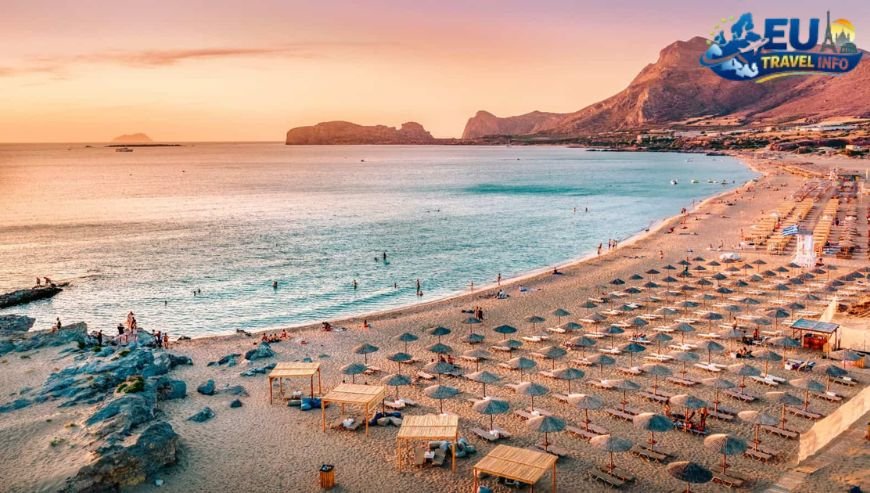
First of all, I want to talk about Albania. It feels like a secret coastline that people accidentally left off the travel brochures. The Albanian Riviera has the kind of bright blue water that people usually cross oceans to find. Additionally, a beachfront hotel can still cost only 35 to 60 euros during the shoulder seasons. I ate many meals that cost between six and 12 euros. Plus, the local buses are very cheap at one to three euros. Even longer distances rarely go above 10 euros.
The views at the Llogara Pass are jaw-dropping. You can see them for the price of a tank of gas. I suggest you visit in late May, June, or September. You get the summer weather without the midsummer crowds. Tirana is colorful and full of energy. Similarly, the cities of Butrint and Gjirokaster have incredible architecture from the Ottoman era. It is truly one of the 12 best cheap places to travel Europe summer. You get paradise for a fraction of the cost.
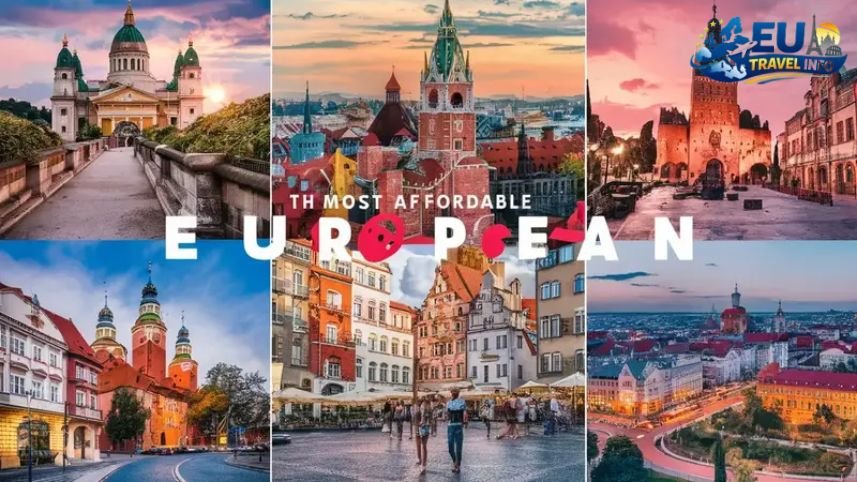
Later, I moved on to Poland. It is one of the best deals in Europe because everything is well-kept and full of life. Krakow is the headliner for most travelers. You can explore the Old Town, Wawel Castle, and Rynek Glowny, which is one of the largest medieval squares in Europe. I found that meals here are about eight to 12 euros. Hotels range from 40 to 70 euros if you do not stay right in the main square. A bed in a hostel might only cost $14 to $24.
On top of that, Poland offers more than just one city. I visited Gdansk on the coast. It has a relaxed seaside energy. I also loved Wroclaw because the architecture pops and there are little gnomes scattered around the city. May and September are the best times to go for great weather and lighter crowds. You can expect a daily budget in Poland to be around $38 to $100 depending on your style. This makes it one of the top 10 cheapest countries to visit in europe.
Gradually, I made my way to Hungary. Budapest is a stunning city with grand buildings and thermal baths. I could still get a hotel room there for 45 to 80 euros in the shoulder season. Local meals run about 10 to 15 euros. A full transit day pass is only about five euros. On the contrary, if you step outside the capital, the prices drop even more. I went to Pecs, which is one of the oldest cities in the country. It has beautiful Roman and Ottoman ruins.
Therefore, you should explore the countryside if you want to save more. I visited Eger, which is famous for wine cellars carved right into the hillside. Tastings start around eight to 12 euros. A nice guest house in town is usually around 35 to 55 euros. If you want a summer beach vibe, Lake Balaton is affordable and great for swimming. You can find small family-run pensions for 40 to 60 euros a night. This country is definitely one of the cheapest countries to visit in europe 2026.
Additionally, I found Romania to be a place where money stretches in an unreal way. Transylvania is full of highlights like Bran Castle and Brasov. I loved the scenic drives through the Carpathians. If you think about renting a car, Romania is one of the best deals. Most rentals sit around 25 to 40 euros a day. This is perfect for exploring at your own pace.
The capital, Bucharest, also delivers. You can find great restaurants and lively nightlife here. Hotels are often under 60 euros. Budget hotels and guest houses are usually 30 to 50 euros a night for clean rooms. I often had breakfast included in that price in rural areas. Meals usually fall in the eight to 12 euro range. Finally, the best months to visit are May, June, or September to avoid the heat.
Plus, Montenegro is a small country that packs a lot for budget travelers. The Bay of Kotor is the big draw here. Mountains drop straight into the sea. If you stay just outside the center, your hotel bill drops a lot to the 40 to 70 euro range. Meals will run you about 10 to 15 euros. Local buses are very cheap at a euro or two per ride.
I was surprised by the interior of the country. I visited Durmitor National Park and it felt like another world. There are Alpine lakes and deep canyons for hiking. Guest houses in towns like Zabljak often fall in the 35 to 60 euro range. This is one of the best places to rent a car without blowing your budget. Rental cars are typically 25 to 40 euros per day. It is one of the best cheap destinations in europe with beach and mountain combos.
Similarly, Slovenia continues to fly under the radar for most people. Lake Bled looks like a castle was photoshopped onto a postcard. I prefer Lake Bohinj because it is quieter and cheaper. A typical meal is around 12 to 15 euros. Hotels in the shoulder season run about 60 to 90 euros a night. If you love hiking, the Julian Alps will spoil you.
Ljubljana, the capital, is one of the easiest cities to love. It has riverside cafes and pedestrian streets. You can reach the castle by a short hike or a funicular. It is totally manageable on foot. If you want something different, you should head into the Karst region to see the cave systems. They do not cost a fortune. Slovenia is like the affordable version of the Alps. It feels intimate and personal.
Though prices are starting to rise, Portugal is still fantastic for budget travel. I suggest you head to places the locals love like Porto, Coimbra, or smaller Algarve towns. You can usually get a good hotel room for 50 to 90 euros in the shoulder season. Meals hover around 10 to 15 euros per person. Transit is also cheap at a couple of euros for a ride.
I found Coimbra to be a great base. It is an old university town with prices that feel frozen in time. If you head down to the Algarve, you should stick to Tavira, Lagos, or Ferragudo. Hotel prices there stay sane at around 60 to 90 euros. You avoid the sky-high resort numbers that way. I think April, May, or October are the best times for that perfect golden light. This is one of the cheapest european countries to fly to from many hubs.
Also, Bulgaria is a true hidden gem. Sofia is one of the most affordable travel destinations. You can explore the city for just €52 to €70 per day. Public transport is remarkably affordable at about €0.80 per ticket. Traditional restaurants serve authentic meals at budget-friendly prices. Accommodation averages about €42 per night.
If you like the sea, the Black Sea coast is a great choice. You can soak up the sun for half of what you would pay in Italy. Plovdiv and the Rila Monastery are also top attractions. Bulgaria is a unique cultural blend because it is at the crossroads of Europe and Asia. It is one of the 12 cheapest countries to visit in europe where your money goes very far.
Additionally, Bosnia and Herzegovina is a place with a complex history and warm people. Sarajevo is one of the cheapest destinations I have seen. You can get an inexpensive meal for about £6.74. A beer is only about £2.25. You can wander the Baščaršija bazaar and drink strong coffee for very little money. It is one of the most authentic adventures in the Balkans.
I also visited Mostar to see the famous bridge. Hostel beds can be found for less than $10 and meals for $3 to $5. The mix of Ottoman and Austro-Hungarian heritage is fascinating. It is an incredibly moving place to visit. You can travel comfortably on about $40 a day including your room and food. This is a great spot for cheap europe trips for students.
Therefore, you should consider Slovakia if you want mountains without the high prices. Bratislava is compact and very walkable. The Old Town is full of great cafes. Hotels start around €50 outside of the peak season. Trams cost about a euro per ride. It is very easy on the wallet.
The High Tatras are the real standout for me. They have dramatic peaks and clear lakes. It feels like an Alpine resort but without the Alpine prices. Rooms often run around 50 to 80 euros. Castle entries and museums are usually just five to 10 euros. It is a great alternative to the more expensive mountains in France or Switzerland.
Plus, the Czech Republic is more than just Prague, but even the capital can be done on a budget. You can walk across the Charles Bridge for free. The Old Town Square is the prettiest in the world. If you eat a few blocks away from the main tourist streets, you will pay half the price. A traditional meal might cost €10 to €14.
I found that Prague is significantly cheaper than London or Paris. Daily costs range from €60 to €90. Public transport is only about €5 to €7 daily. You can also visit Český Krumlov, which looks like a fairytale. It is one of the cheapest cities in europe for students who love history and architecture.
Similarly, Serbia is a place where the prices seem almost too good to be true. Belgrade has a vibrant nightlife and a unique urban experience. It combines Ottoman and modern influences. You can find street food for less than €2. Average daily costs are around $48 including your meals and transport.
I enjoyed the cafe culture and the friendly locals. If you head south to Novi Sad, you will find authentic travel experiences. It is a relaxed city famous for the EXIT music festival. Serbia is a captivating destination in the heart of the Balkans. It is a place where tradition and modern life meet.
First of all, you need a plan to save money on flights. I use budget airlines like Ryanair, EasyJet, and Wizz Air. They are the real MVPs of affordable travel. I once found a flight from London to Rome for 50 bucks. You should sign up for their email lists to get alerts on flash sales. If you pack light with just a backpack, you can keep your costs very low.
Additionally, you should consider shoulder season travel. This means visiting in May, June, September, or October. The weather is still great, but the crowds are smaller. Accommodation can be 30% to 50% cheaper during these times. I find that the experience is much more enjoyable when the streets are not packed with people.
On top of that, you can save a lot of money on housing. I often book apartments instead of hotels if I am traveling with friends. A four-person apartment is often cheaper than four hostel beds. Plus, you get a kitchen so you can cook some of your own meals. This is a massive way to save. Hostels are also a great choice for best summer destinations in europe for young adults because they are social and affordable.
Gradually, you will learn to eat like a local. I avoid the tourist traps near the main squares. I look for lunch specials or “napi menü” signs in Hungary. Many restaurants offer a set menu for half the price of dinner. I also love street food like pierogi in Poland or gyros in Greece. It is delicious and costs very little.
Therefore, you should use public transport everywhere. Buses, trams, and metros in Europe are efficient and cheap. I never rent a car unless I am doing a specific road trip in a place like Romania or Montenegro. I also join free walking tours in every city. It is a great way to learn the history and get your bearings. You just have to tip the guide at the end.
Finally, do not forget about city cards. The Krakow Card or the Budapest Card can save you a lot. They often include unlimited transport and free entry to many museums. I always check if the card is worth it for my specific plans. Sometimes, just walking and seeing the free sites is enough.
Europe does not have to be an impossible dream. I have shown you that you can see stunning castles, pristine beaches, and charming towns without breaking the bank. These 12 destinations offer authentic culture and rich history. You can travel longer and experience more when you choose the right spots.
You should start planning your next getaway today. Whether it is the Albanian Riviera or the medieval towns of Poland, your adventure is waiting. I promise that your wallet and your wanderlust will thank you. Happy travels!
FAQ
What is the cheapest European country to travel in summer?
Bulgaria and Bosnia & Herzegovina typically offer the lowest overall daily expenses in Europe. In Bulgaria, travelers can manage on approximately £27 ($35) per day, while Albania is another top value destination with daily spends around £34 ($44).
Which part of Europe is the cheapest to visit?
Eastern Europe and the Balkans are consistently the most affordable regions. Countries in the Southeastern region, such as Romania, Bulgaria, and Albania, provide world-class experiences at a fraction of the cost of Western Europe.
Where to go for 3 days in Europe?
Krakow, Poland is ideal for a three-day trip, especially with a “Krakow Card” that provides transit and museum access for about 30 euros. Other excellent 3-day options include Athens, Greece, for a mix of history and beaches, or Bratislava, Slovakia, which is compact and very walkable.
Where is the cheapest place to travel in the summer?
Albania is frequently cited as the ultimate budget summer destination, offering pristine beaches and $3 meals. Bulgaria and Romania also remain exceptionally affordable during the summer months.
Where should I go in Europe in July?
The Albanian Riviera is vibrant in July, with popular spots like Sarandë and Ksamil offering hot, sunny weather perfect for swimming. For those seeking nightlife, Dhërmi hosts various beach festivals and raves during this month.
Is $100 a day enough in Europe?
Yes, $100 a day is more than enough for most budget-friendly destinations. In Poland and Hungary, average daily costs range from $38 to $100. Many Eastern European cities are manageable on just $50 to $60 a day.
Which country is best for travel in low budget?
Bulgaria is often considered the best for a low budget, as Sofia is one of the cheapest capitals where a traveler can comfortably explore for €52–70 per day. Bosnia & Herzegovina is another top choice, where hostel beds can be found for under $10.
How do I plan a budget-friendly trip?
To save 30–50%, travel during shoulder seasons (April–May or September–October). Use budget airlines, stay in hostels or apartments to split costs, eat at local markets, and use public transportation instead of taxis.
Where is hot in June and cheap in Europe?
The Balkans are warm and affordable in June, particularly the coasts of Albania and Montenegro. Croatia is also a great choice in June before peak-season prices hit in July.
Who are the big 3 in Europe?
In terms of major tourism and high costs, Paris, London, and Amsterdam are often referred to as the “big” destinations that command the highest prices.
What are the top 3 tourist destinations in Europe?
While preferences vary, Paris, London, and Rome are traditional favorites, though their high costs lead many travelers to seek affordable alternatives like Lisbon, Prague, and Krakow.
Which country is best for 3 days?
Slovenia is excellent for a short trip because you can easily see the capital, Ljubljana, and Lake Bled within three days.
Where is still cheap in Europe?
Destinations that remain highly affordable in 2026 include Slovenia, Hungary, Poland, Albania, Romania, and Serbia.
Can you go on a trip with $500?
Yes, a 10-day trip for €500 ($540) is possible if you visit affordable cities like Krakow, Budapest, and Prague, stay in shared apartments, and eat primarily from grocery stores or street food stalls.
Is $5000 enough for a vacation?
Based on budget data where €500 can cover 10 days in Eastern Europe, $5,000 is an extensive budget that would easily fund a long, multi-country luxury-style trip or a very long budget-style adventure.
Concluding words
A summer vacation in Europe is achievable on a budget by prioritizing high-value destinations in the Balkans and Eastern Europe, such as Albania, Bulgaria, and Poland. By traveling during the shoulder season and utilizing budget airlines and public transit, travelers can experience world-class beaches and historic cities for under $100 per day. These regions offer an authentic experience with fewer crowds and significant savings compared to traditional Western European hotspots.