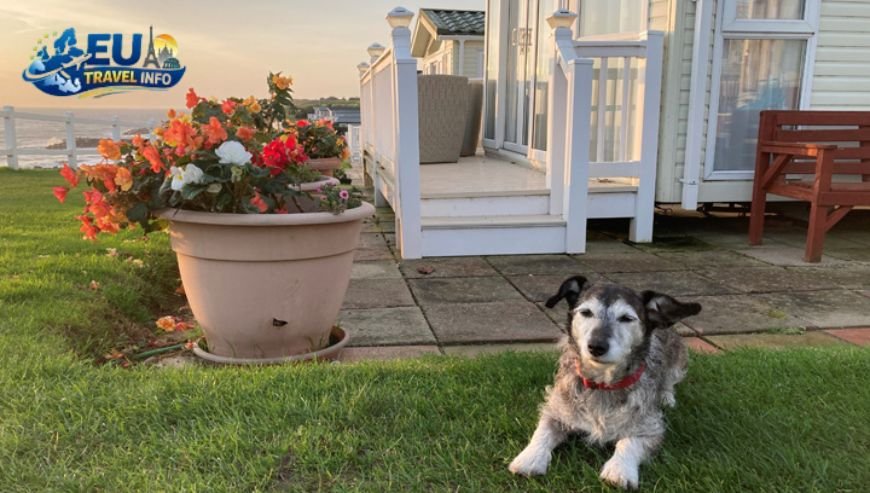
I have spent many years on the road with my family and our four-legged friends, and I can tell you that caravan holidays are about taking a little slice of home with you wherever you go. The decision to take the dog along means no emotional goodbyes, no expensive kennels, and no more dog-sitters. It is pure bliss. Dog Friendly Caravan Sites and Holiday Parks have become much more common because people realize that dogs are part of the family. Though the journey requires a lot of work, the reward of seeing a wagging tail in a new place is worth every second.
First of all, I want to share some numbers to show you that we are not alone in this love for travel. More than 375,000 campers are currently finding and booking the best sites through online resources. On top of that, visitors to these parks stay up to 74% longer than the national tourism average. We spend about £557 per visit as tourers, which is roughly £101 per day. This is much higher than the average daily spend of a typical UK tourist, which is only £63. Therefore, our community of caravan lovers makes a huge impact on the economy, contributing billions of pounds.
The dream of family camping in France often begins at the ferry port. I have found that sites like South Lytchett Manor in Dorset are perfect because they are just a 15-minute drive from the Port of Poole for ferries to France. However, before you roll onto that boat, you must know the rules for the EU. You do not need a pet passport anymore, but a YES is required for an Animal Health Certificate. Additionally, your dog must have a rabies vaccination, a microchip, and tapeworm treatment. I always suggest that you consult your vet at least one week before you travel to ensure your pet is fit and healthy.
The Ultimate Doggy Suitcase
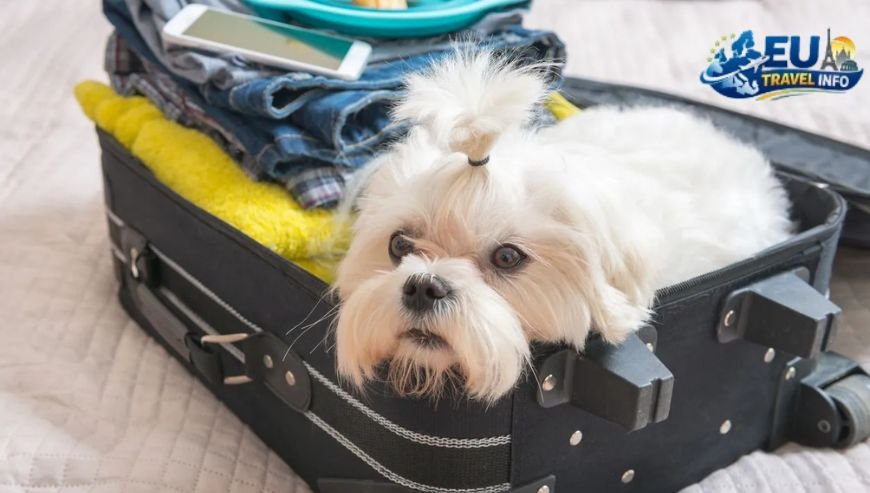
The act of packing for a dog is just as important as packing for yourself. To help your dog settle quickly into new surroundings, you should pack plenty of familiar toys, food bowls, and a well-loved blanket. A lead and waste bags are obvious essentials, but you should not forget grooming items for after long walks. A doggy first aid kit is a must-have item. It should include any normal medicine, flea control, travel sickness pills, and Kaolin, which is the dog equivalent of Imodium.
Plus, you must keep a copy of the vet details and pet insurance policy nearby. I also recommend old-fashioned collar ID discs with your home contact details and the address of the site where you will stay. Microchipping is a legal requirement and ensures the quick return of your dog if they get lost. It usually costs between £20 and £30. Later, when you are on the site, these simple tags provide peace of mind for everyone.
Gradually, I have learned that the weather plays a massive role in our comfort. All dog breeds respond differently to heat. Factors like age and fitness decide if your dog will cope with the French sun. According to the Kennel Club, the ideal temperature to walk your dog is below 20 degrees Celsius. Dogs are most comfortable in the range of 15 to 25 degrees. Overheating can happen fast and cause heat stroke or even death. Therefore, you should always check the weather app a few days before you leave.
The Search for the Perfect Camping and Caravan Park
Do most caravan parks allow dogs? Yes, the vast majority of sites now welcome our canine companions. However, some sites only tolerate them while others offer a truly warm welcome with amazing facilities. When I look for dog friendly caravan sites in France or the UK, I look for “The Doggy Spa”. This refers to warm dog wash stations and grooming facilities. After a sandy beach run or a muddy walk, a wash station is a lifesaver.
Similarly, many dog friendly caravan holiday parks now offer secure, fenced dog fields. These safe spaces allow your dog to run and play freely without a lead. Some parks even have agility zones or play fields to keep active dogs entertained while you relax under your caravan awnings. I have even seen small shops that sell doggy treats like doggy ice cream. It is a sweet way to spoil your four-legged travel buddy.
At that time, I realized that site selection depends on your travel style. If you love the sea, you should look for parks with direct access to all-year dog-friendly beaches. Sites like West Sands Caravan Park or Seaview Holiday Park are great examples of coastal paradises. On the contrary, if you prefer the woods, you might choose a site near a National Park. Sites near the New Forest or Exmoor offer miles of woodland trails and fresh air.
Safe Travel on the Road
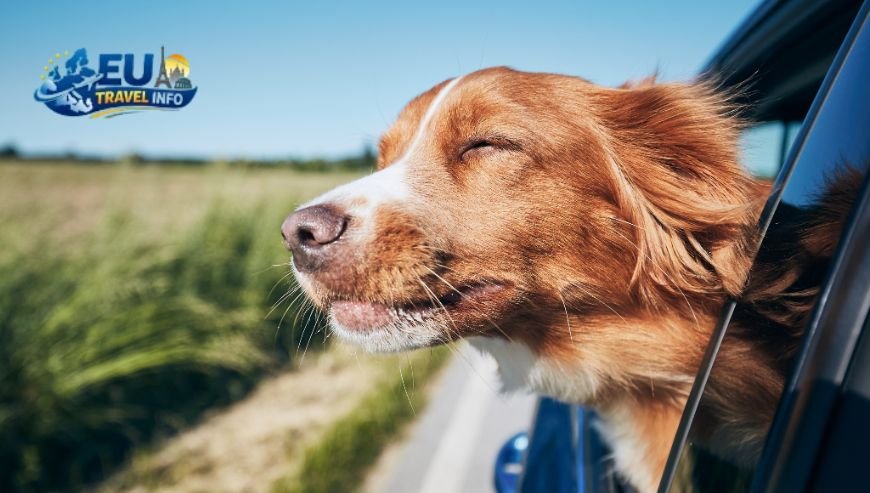
A long road trip should be an enjoyable part of the holiday. You should plan a route with plenty of stop-offs at dog-friendly pubs. These places often provide water bowls and pet facilities alongside great food for humans. I always investigate walks within a 5-mile radius of the motorways. The countryside is often breathtaking and offers a refreshing environment for everyone to stretch their legs.
A journey with a dog requires frequent pit stops every few hours. During these breaks, you must ensure your dog gets a drink and some exercise. Even if you park in the shade and crack a window, the temperature can rise quickly enough to cause heat stroke. You must never leave your dog unattended inside the vehicle. It is a dangerous risk that is never worth it.
Additionally, research shows that the type of vehicle matters. A preliminary study suggests that dogs are behaviourally more restless in diesel vehicles than in electric ones. Dogs in electric cars appear to have longer bouts of lying relaxed and alert. The reason might be the lower vibration or noise levels in electric vans and cars. Plus, dogs who suffer from nausea might show improvements when they travel in an electric vehicle.
Life at the Caravan Dog Friendly Sites
Once you arrive at your camping and caravan park, you should create a comfortable sleeping space. If you are in a tent, you might add a sleeping pod or a side annexe so your dog has an area to call their own. In a caravan or motorhome, you have the luxury of more space. You can bring a pet crate or a regular dog bed from home to help them feel settled.
First-time campers should not expect their dogs to settle immediately. New noises and smells can cause upset in a new environment. You should always have the lead and harness in easy reach for impromptu toilet breaks during the night. Stick to your usual routines for food, play, and sleep. This consistency helps your dog feel safe in the new surroundings.
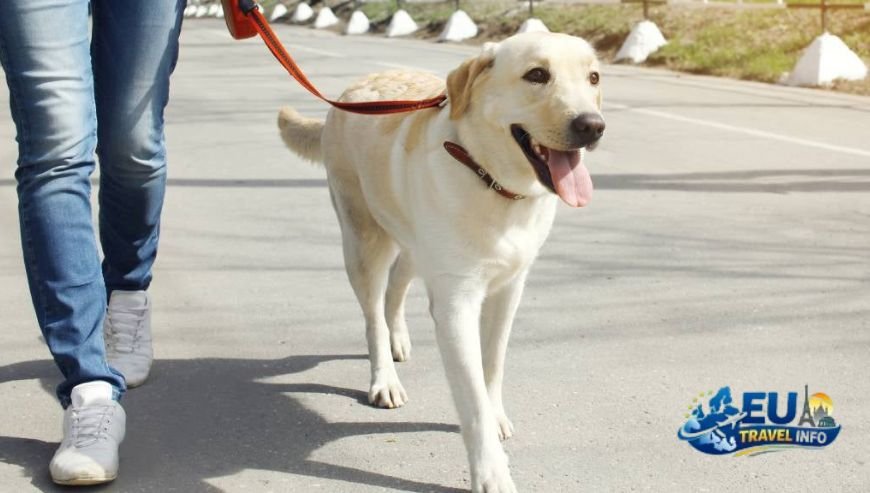
Most caravan sites for dogs require you to follow a strict code of conduct. For example, dogs must be kept on a lead at all times whilst on the park. The lead should typically be no more than 2 meters long. This rule ensures the safety and comfort of all visitors. You are responsible for the behavior of your dog, and you must make sure they are under control. Badly behaved dogs or those that affect the comfort of other guests may be asked to leave.
Rules and Pet Etiquette
Do caravan parks allow dogs of all breeds? Most do, but there are important exceptions. Any breed listed under the Dangerous Dogs Act 1991 is not permitted on most sites. These include the Pit Bull Terrier, Japanese Tosa, and the XL Bully. Even with a Certificate of Exemption, an XL Bully is often banned from holiday parks. You should always check the specific breed policy of a park before you book.
On top of that, you must manage your dog’s noise levels. Excessive barking can disrupt the peace for everyone and might result in an early departure. It is also your job to pick up after your pet. You must seal waste in a plastic bag and dispose of it in the correct rubbish bins. Many sites follow a “leave no trace” rule, so the location stays clean for the next person.
Some areas of the park are often off-limits for pets. These usually include the games room, laundry, amenity blocks, and playgrounds. You might be able to take your dog into certain areas of on-site restaurants, patios, or terraces. However, you will usually not be able to take them into entertainment venues or indoor pool areas. BetterCallTom on Reddit mentioned that some parks are great for sitting with a pint while overlooking the play area with your dog by your side.
Exploring France with Dogs
When you finally reach France, the adventure truly begins. Though I do not have a list of French site names in the general rules for caravan holidays in France with dogs remain similar to the UK. You should seek out sites that offer the same high standards we see in the “Best of British” group. Look for 5-star ratings and AA Platinum standards.
Many high-quality parks are set in incredible landscapes with plenty of opportunities for active holidays. You can enjoy cycling, walking, fishing, and even sailing. Many parks are also near heritage sites where you can indulge in local history. I love staying at sites that offer a sedate pace of life, allowing us to unwind in the great outdoors.
If you have a reactive dog, the search for a site is a bit more complex. You should communicate with the host before booking. Ask about the layout of the property and if there are quiet areas where your dog can relax undisturbed. Sanctuaries of compassion and awareness are needed for sensitive souls. You might choose to book midweek stays outside of school holidays to find fewer crowds and distractions.
The Cost of Bringing the Dog
Is it expensive to bring a dog? Some sites like Greenacres Touring Park allow up to 3 dogs to stay for free. Others might require a small additional fee to cover extra cleaning costs. For example, one park charges $15 per night for a small dog and up to $30 for an extra-large or long-haired dog. Some sites might also ask for a refundable pet bond on check-in to cover any potential damages.
Therefore, you should always check the pricing and the number of dogs allowed per pitch before you go. Phill D on a motorhome forum once complained about a “stockade” of 12 dogs on two pitches, which created a lot of noise. While some sites have no limit, others might restrict you to one or two pets. It is always better to call in advance and ask.
Top Tips for a Successful Trip
Here is a quick summary of my top tips for your next caravan holiday with your dog:
- First of all, plan your journey with plenty of pit stops for water and exercise.
- Carry an image of your dog for identification purposes in case they go missing.
- Stick to grassy or shady paths to avoid hot pavements that can burn their paws.
- Use a tie-out stake to keep your dog safely secured outside your caravan or tent.
- Bring long-lasting treats as a perfect distraction when you are busy pitching the tent or cooking.
- Do not leave your dog unattended in the vehicle, awning, or tent on hot days.
- Ensure your dog is wormed regularly and has flea protection before you leave.
- Practice basic commands like “stay,” “come,” and “heel” before your trip.
Finally, remember that holidays are supposed to be stress-relieving. By choosing one of the many dog friendly caravan sites and holiday parks, you are ensuring that your whole family has a great time. The UK and Europe are full of places that make travelling with your pet easy and enjoyable. From coastal escapes to countryside adventures, there is a park for every traveler and every tail.
Gradually, you will find your favorite spot and make lasting memories with your pet. Whether you are relaxing by a lake or hiking through a forest, the presence of your dog makes the experience better. So, prepare your bags, grab the lead, and hit the road. Your next paw-some adventure awaits!
The world of caravanning is a massive community that values freedom and the great outdoors. We are part of an elite group of travelers who appreciate the resilience and adaptability of the holiday park sector. The desire to escape the stresses of modern life is not going away. Caravan holidays are the perfect cure for the strains of daily life. As one visitor famously said, ***”Caravan holidays should be prescribed by doctors on the NHS as they would cure all but the most serious ailments!”***.
Planning a trip with a dog is like building a puzzle; every piece from the microchip to the favorite chew toy must fit perfectly to create a picture of a perfect holiday. Additionally, the bond you share with your dog will grow stronger with every mile you travel together. I have found that my family is much closer as a result of our UK and French breaks. Plus, the kids love the discos and the freedom of the outdoors.
Do not wait any longer. The road is calling, and the tail is wagging. I will see you at the next camping and caravan park!.
FAQ
Can I take my dog to a caravan park?
First of all, most caravan sites permit well-behaved dogs. You should check the specific park website or call in advance to ensure they are welcome. Additionally, some sites require a small fee to cover the extra work. You must verify if there are any breed limits before you travel. Safe travels for everyone.
What is the best place to vacation with dogs?
Cornwall and Devon are a doggy play heaven because of the miles of shoreline and river paths. Plus, the tourism industry in the UK is becoming more pet-friendly every day. You will find that these areas have many scenic landscapes to keep humans and animals entertained. Pure bliss for the whole family.
Where is the best place to holiday with a dog?
I have found that the Isle of Wight is an amazing destination because ferries provide free passage for dogs. Additionally, places near National Parks like the New Forest or Exmoor are perfect for woodland walks. These spots offer fresh air and plenty of room to roam.
Where do dogs sleep in a caravan?
Caravans offer the luxury of space for your pet. Therefore, you should bring their bed from home to help them feel settled. Similarly, you can bring a pet crate if they prefer that. On top of that, some people add a side annexe to their setup for extra doggy room.
Can I leave my dog alone in a hotel room?
You must not leave your dog unattended at any time while you are at a park or away from home. Dogs left alone in strange places can bark and disrupt the peace for other guests. Additionally, temperatures build up fast in enclosed spaces like vehicles or awnings, which is often fatal.
What is the easiest country to travel to with a dog?
France is very simple to visit if you have the correct health papers and vaccines. Many owners take the short 15-minute drive to the Port of Poole for ferries to France. Therefore, it is a top choice for a stress-free trip abroad.
Can I take my 50 lb dog on a plane?
Large dogs can travel by air, but you must consult your vet one week before you leave to ensure they are fit for the trip. Researchers have studied dog behavior during air transport to help keep them calm. However, you will need to check with the specific airline for their weight and crate rules.
Which country is the most pet-friendly?
The UK tourism industry is very pet-friendly now. Statistics show that 35% of caravan groups bring a pet along on their trips. Similarly, France is a major market for international visitors who travel with their dogs.
Are top 10 holiday parks pet friendly?
The vast majority of top-rated campsites welcome our canine touring companions. Later, you should check if they offer specific facilities like “Doggy Spas” or warm wash stations. On top of that, many parks now offer secure, fenced fields for off-lead play.
What is the most dog friendly place in the world?
The UK and Europe offer incredible coastal paths and countryside spots that adore dogs. I have seen that our community spends up to £557 per visit, which shows how much we value these trips. Therefore, these regions are some of the best places for dogs.
Where can I travel abroad with my dog?
You can take your dog to the EU, Northern Ireland, and the Channel Islands if you have the right documents. Though the rules have changed, you no longer need a pet passport. Instead, you must have an Animal Health Certificate and proof of rabies treatment.
Concluding words
The act of taking your dog on a caravan holiday is the perfect way to escape the stress of daily life. You can bring a little slice of home with you and enjoy the great outdoors as a family. Though the planning takes effort, the reward of seeing a wagging tail in a new place is worth it.
You will find that many parks offer amazing facilities like fenced fields and warm dog washes to make your stay easy. Statistics show that we are part of a large community, as 35% of groups travel with pets. Therefore, you should grab the lead and start your next adventure today.