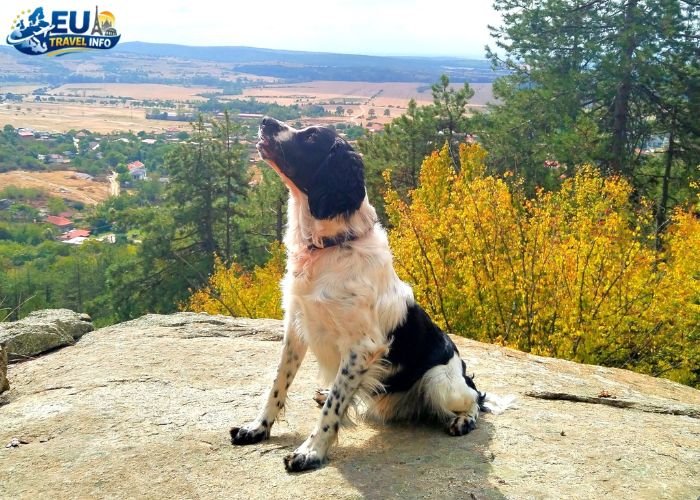
I have traveled to many places in Europe, but my recent journey through Bulgaria with my furry companions was something special. This country sits in the southeast of Europe and provides a mix of vibrant culture, beautiful nature, and deep history.
Is Bulgaria the most dog-friendly place on the continent? Not exactly, but it is a wonderful choice for those who prepare well. In this guide, I will share my personal experience exploring the Dog Friendly Cities in Bulgaria so you can plan your own adventure.
Preparing for the Journey: Laws and Rules
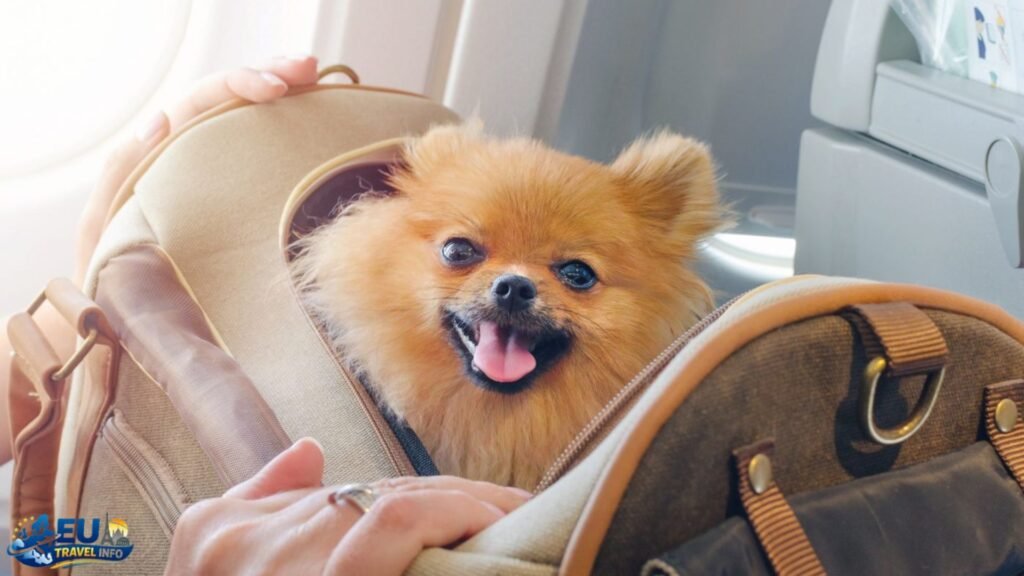
First of all, you must understand the entry rules. Bulgaria follows the European Pet Travel Scheme (PETS). Your dog needs a microchip that follows ISO 11784 or 11785 standards. Additionally, a valid rabies vaccination is a must. You should get this shot at least 21 days before you arrive. A licensed veterinarian must record this in an EU pet passport or a health certificate.
If you come from a country outside the EU, the rules are stricter. You might need a rabies titer test, which I recommend checking months in advance. However, I found the actual border crossing to be quite fast. When I entered from Greece, the officials checked my documents and searched my van in only 20 minutes.
The laws inside the country are also worth knowing. The Animal Protection Act of 2008 regulates how pets should be treated. It forbids cruelty, such as using electric collars or depriving an animal of rest. On top of that, there are specific rules for living spaces if you plan to stay long-term.
For example, a dog under 10 kg needs at least 6 square meters of space, while a large dog over 25 kg needs 10 square meters. This space is calculated as the area shared with people in the home.
Getting Around: Trains and Taxis
Public transport can be a bit tricky, but it is doable. The state railway company, BDZ, allows pets. Small dogs or cats in waterproof containers can travel for free in second class. Therefore, you can keep them on your lap or the floor as long as they do not bother others. If someone objects, you might have to move to the entry lobby of the coach.
Large dogs are a different story. They must wear a muzzle and stay in the entry lobby of the last coach. You will need to buy a ticket for them that costs half the price of a second-class ticket. Plus, you must carry their veterinary certificate at all times.
Similarly, taxis are a good option. I used an app called TaxiMe, which has a feature to let the driver know you have a pet. This ensures you get a driver who is happy to have a dog in the car.
1. Sofia: The Upbeat Capital
Sofia is the largest city and a great starting point. It is one of the Best dog friendly cities in bulgaria because of its many parks. My favorite was the area around the National Palace of Culture. I loved the fountains and the large green spaces where my dogs could stretch their legs.
Another top spot is Vitosha Boulevard. This is the main shopping street. Many restaurants there have outdoor seating that is perfect for a meal with a dog. I highly recommend a place called SASA. It is a trendy Japanese restaurant that welcomed my pups with open arms. The waitress was very friendly and even gave us top-tier service.
For a place to stay, I found the Peter Pan Guest House to be very affordable and spacious. It is near the St. Alexander Nevsky Cathedral, which is a beautiful sight. Although dogs cannot go inside the cathedral, the grounds are great for photos, especially early in the morning.
However, you must be careful on the metro and buses. Large dogs need a single ride ticket and must wear a muzzle. Small dogs in boxes are free, but they should not sit on the seats. A little tip: avoid the metro during rush hour as it gets very crowded.
2. Plovdiv: The Cultural Heart
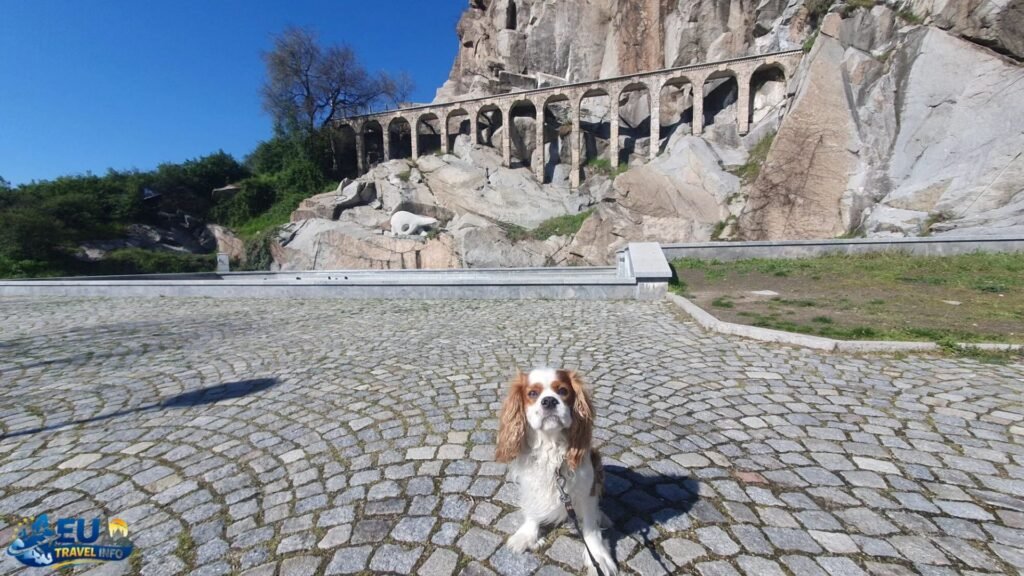
Plovdiv is my personal favorite. It is often called the most dog-friendly city in the country. The Kapana District is full of bars and cafes with outdoor tables. I spent many afternoons there enjoying the vibe with my dog.
The Old Town is another must-see. The cobbled streets and ancient houses are beautiful for a walk. We visited the Roman Theatre, which is one of the best-preserved in the world. Additionally, I stayed at an apartment on Ruski Boulevard. It was completely pet-friendly and had no extra fees for the dog.
If you are hungry, try the Yuzhen Polah Pri Malak Bunardzhik restaurant. It has a huge terrace, and the server even brought my dog some fresh water. For pet supplies, Zoomax is a great shop where they let dogs inside to sniff around.
3. Varna: Sun, Sand, and Sea
Varna is the place for beach lovers. It is definitely on the list of the Top 10 dog friendly cities in bulgaria. The city has many dog-friendly beaches with designated areas for off-leash play. Asparuhovo is very popular because of its clean, shallow water.
The Sea Garden in Varna is a massive park along the coast. I enjoyed long walks there under the shade of the trees. There are also several other beaches nearby like Kabakum and Rappongi.
One unique spot is the Shakespeare and Friends Bookshop. The owners are very welcoming to dogs. I was able to browse for books in English while my pups waited patiently by my side.
4. Burgas: A Coastal Paradise
Burgas is another major city on the Black Sea coast that loves dogs. The Sea Garden here is also fantastic and offers amazing views of the water. I found several water fountains for the dogs to drink from.
If you want a quieter beach, Vromos Beach near Chernomorets is perfect. It is a mix of sand and rocks, and the water is great for swimming. My dogs loved the tall, shady trees that lined the shore. Gradina Beach is another gem. Dogs are allowed there all year round, even during the busy summer months. It is a long sandy beach with a very relaxed atmosphere.
5. Bansko: Mountain Adventures
Bansko is famous as a ski resort, but it is also a hub for digital nomads in the summer. It is located in the Pirin Mountains. The hiking here is world-class. You can take a bus up the mountain and hike to Vihren Peak, which is 2,914 meters high.
The town itself is very walkable. I stayed at a co-living space called Valentina Heights, which was incredibly welcoming. They have an outdoor garden where nomads and their dogs hang out together. Avalon Coliving is another great choice because it is explicitly dog-friendly.
6. Hisarya: Roman History and Spas
Hisarya is a beautiful town known for its hot springs and Roman ruins. The Roman Walls are over 2,300 meters long and still stand tall today. I loved walking my dogs along these ancient fortifications.
The parks in Hisarya, like Lily of the Valley, are very green and relaxing. There is also a great hike to the White Cross above the town. The trail starts at a church and offers a wonderful view of the area. I suggest wearing good boots and bringing plenty of water for your pup.
7. Smolyan and the Rhodope Mountains
The Rhodope Mountains are the largest range in Bulgaria. Smolyan is a town with a lot of culture and a huge tree that is 1,000 years old! My dog loved sitting under its massive branches.
Nearby is the Waterfall Canyon Trail. This hike follows a river and passes by many waterfalls. However, you should be careful with the weather. When I was there, dark clouds moved in fast, and we had to turn back before the rain started.
The village of Smilyan is also charming. It is famous for its beans and traditional houses. I walked by the Arda River, which flows through Bulgaria, Greece, and Turkey. It was a peaceful experience that made me feel close to nature.
8. Nessebar: An Ancient Peninsula
Nessebar is a UNESCO World Heritage site on a small peninsula. It has traces of over 3,000 years of history. Walking through the Old Town early in the morning is the best way to avoid the crowds.
The churches there, like the Church of Saint Sophia, are stunning ruins that you can view with your dog. There is also a small, quiet beach at the end of the town where I relaxed with my pups. Just remember that dogs are generally banned from the main public beaches during the peak summer months.
9. Sozopol: Coastal Charm
Sozopol is another ancient town with a beautiful seaside walk. The Old Town has stone streets and interesting market stalls. I found a nice park with shade where we could rest after exploring.
The Castle of Ravadinovo is a unique attraction nearby. It has a moat, gardens, and fountains. Dogs are allowed as long as they stay on a leash. It costs about 10 leva for adults to enter, which is a fair price for such a cool place.
10. Karlovo: The Valley of Roses
Karlovo is famous for its rose production and its connection to Bulgarian history. I enjoyed walking around the old buildings and seeing the statue of the national hero, Vasil Levski.
The Suchurm Waterfall is just north of the town. The hike starts from a town park and follows the river upstream. It is an easy and scenic walk that my dogs absolutely loved. There is also an old hydroelectric plant along the way that is quite interesting to see.
The Reality of the Streets: Stray Animals

You should know that stray dogs and cats are common in Bulgaria. Most of them are timid and will leave you alone. However, some can be territorial, so it is best to stay away from large packs, especially at night.
I found that stray cats were more of a distraction at restaurants. Make sure to keep your dog on a short leash so they do not chase a cat while you are trying to eat! Many of the strays in cities like Sofia are neutered and tagged by the municipality.
Health and Veterinary Care
If your dog gets sick, do not worry. There are many vets in the big cities. In Sofia, a primary examination usually costs around 25 BGN. A year vaccine is about 55 BGN, and inserting a microchip is also 55 BGN.
Not all vets speak English, especially in smaller towns. I suggest using Google Translate or asking locals for a recommendation in Facebook groups. Most clinics work by appointment, so call ahead if you can.
Top Tips for a Smooth Trip
- Pack Smart: Bring your dog’s favorite toys, a blanket, and their usual food to help them feel at home.
- Stay Flexible: Things like bus schedules or restaurant rules can change, so be ready to adapt.
- Clean Up: Always pick up after your dog. It is the law and shows respect for the locals.
- Leash Laws: Technically, dogs should be on a leash in public. Some owners ignore this, but you could face a fine if you do not follow the rules.
- Water is Key: Always carry a portable water bowl, especially during the hot summer months.
Bulgaria and its mountains and coasts provided a beautiful adventure for me and my dogs. We met many friendly people who loved animals and made us feel welcome. If you are looking for a new place to explore in Europe, I highly recommend visiting these Dog Friendly Cities in Bulgaria. You will not regret it!
Gradually, you will fall in love with the Balkan life just like I did. Finally, remember to enjoy every moment with your best friend. A trip to Bulgaria is a wonderful opportunity to make memories that will last a lifetime.
Bulgaria is like a large, hidden garden that requires a bit of effort to enter, but once you are inside, the beauty and the space to roam make every hurdle worth the jump. It is a place where old history meets wild nature, providing a perfect playground for you and your loyal companion. [i],,
Frequently Asked Questions
Is Bulgaria dog friendly?
Bulgaria is considered a relatively affordable and accessible destination for travelers with pets, though it is not viewed as the most dog-friendly country in Europe. While many attractions and indoor restaurant areas are restricted, there is a wide range of pet-friendly accommodation and extensive outdoor dining terraces.
What is the nicest city in Bulgaria?
While subjective, Plovdiv is often highlighted by travelers as a favorite destination due to its walkable historic streets, vibrant parks, and welcoming atmosphere for dogs.
Does Bulgaria have a stray dog problem?
Yes, stray dogs are common throughout Bulgaria, including in cities and the countryside. While many are timid or managed by municipal neutering programs, travelers are advised to avoid packs, especially at night.
Does Bulgaria air allow dogs?
However, general travel information for the country notes that small dogs (8–10 kg including crate) may be allowed in the cabin, while larger dogs must travel in the pressurized hold.
Where do most foreigners live in Bulgaria?
Sofia, Plovdiv, Varna, and Burgas are popular hubs for expats, as these areas offer better access to English-speaking veterinarians and established international communities.
What to be careful of in Bulgaria?
Travelers should be cautious of packs of stray dogs, especially in neighborhoods further from city centers. Additionally, the high population of stray cats can be a distraction for some dogs, and sudden mountain weather changes can be hazardous during hikes.
Concluding Words
Bulgaria offers a diverse range of experiences for dog owners, from the mountain trails of Bansko to the pet-friendly beaches of Varna. While travelers must navigate challenges such as stray animal populations and restrictions on entering historical monuments or churches, cities like Plovdiv and Sofia provide excellent parks and outdoor dining options.
By following EU import regulations and local leash laws, you can successfully navigate these urban centers and enjoy the natural beauty of the country with your pet.