I have always believed that a vacation is not a real vacation without my dog. My four-legged best friend makes every sunset brighter and every walk more exciting. Recently, I took a long trip to explore Dog Friendly Spain. I wanted to see if this beautiful country really lives up to the hype for pet owners.
I found out that while it has some strict rules, it is also full of hidden gems for dogs. From the green mountains of the north to the sunny beaches of the south, I have seen it all. Spain is changing fast. In fact, 40% of households in Spain now have at least one pet. This means more places are opening their doors to our furry family members.
If you are a mature traveler who loves a good tour, you need to know how to navigate this country. It is a mix of old traditions and new laws. I have put together this massive guide based on my own footsteps. I want you to feel confident when you pack that leash and head to the airport. No more leaving the dog at home. It is time to see the world together.
Traveling in Spain with a Dog
When I first planned my trip, I felt a bit overwhelmed. Traveling in Spain with a dog requires a lot of preparation. You cannot just show up at the border and hope for the best. The rules are very specific. If you are coming from an EU country, things are quite simple. Your dog needs a microchip and a valid rabies vaccination. They also need an EU Pet Passport.
However, if you are coming from outside the EU, like the United States, you must be careful. You will need a “non-commercial” health certificate. This must be signed by an official vet and then stamped by the USDA or a similar agency. I learned that you must do this within 10 days of arriving in the EU. If you miss that window, you might face big problems at the airport.
I also noticed that Spain is very serious about rabies. You must wait at least 21 days after the first rabies shot before you can travel. For dogs coming from “high risk” countries, you even need a blood test to prove the vaccine worked. This test must happen months in advance. Planning ahead is the secret to a stress-free trip. I always keep a folder with all these papers. It makes the border guards happy and keeps my dog safe.
Important Information About Visiting Spain with a Dog
You must know about the local laws before you land. Spain recently passed a new Animal Welfare Law in February 2023. This law is a big deal. It raised fines for animal abuse to a whopping 200,000 euros. It also requires dog owners to take a training course, though some details are still being worked out.
One thing that surprised me was the PPP list. This stands for perros potencialmente peligrosos, or “potentially dangerous dogs”. If your dog is a Pit Bull, Rottweiler, or even a Doberman in some regions, you have extra work to do. You must get a special license from the local town hall. You also need liability insurance, which usually costs around 30 to 98 euros a year.
When you are in public, these breeds must wear a muzzle. They also must stay on a short leash. I saw many people following these rules in the big cities. Even if your dog is the sweetest soul, the police can fine you if you do not follow the law. It is better to be safe than sorry. Always check the rules for the specific region you are visiting. Spain is divided into different areas, and they do not all have the same laws.
Dog-Friendly Cities in Spain
I spent a lot of time visiting different urban areas. Some cities are much easier for dogs than others.
Bilbao
This city blew me away. It is probably the most dog-friendly city I have ever visited in Spain. When I walked along the river toward the Guggenheim Museum, I saw dozens of dogs. The atmosphere is very welcoming. The best part? The famous sculpture named Puppy by Jeff Koons. It is a massive dog made of flowers. I took a “puppy selfie” with my dog right in front of it. It is a classic move for any pet owner.
San Sebastian
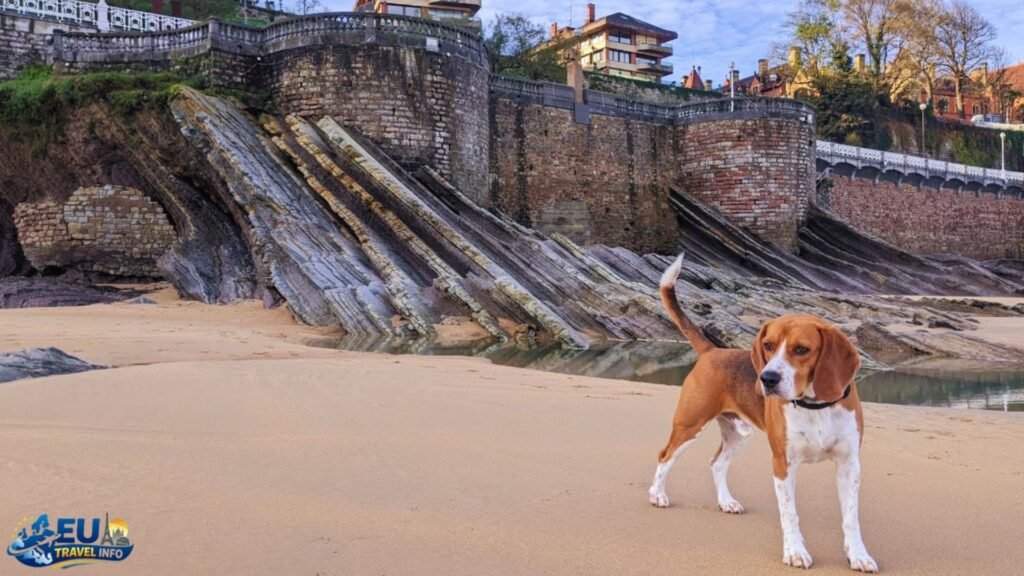
If you love food, this is your place. It is a world-famous foodie destination. I was worried I would have to eat alone outside. But in the Basque Country, dogs are often allowed inside Pintxos bars. These are bars that serve small snacks. I went to at least a dozen bars in Bilbao and San Sebastian, and every single one let my dog inside. This is very rare in the rest of Spain.
Barcelona
Barcelona is a bit more of a mix. While most restaurants do not allow dogs inside, the city has many dog-friendly parks and beaches. I visited the famous La Boqueria Market, and I heard that some areas there are okay for dogs. You just have to look for the perros buenos or perros bienvenidos stickers on the doors.
Girona
This city is stunning. I took a day trip there and loved the narrow streets. I highly recommend getting ice cream at a shop called Rocambolesc. They even have a shop in Houston and Madrid. We took our gelato and walked over the bridge to enjoy the views with the dog. It was a perfect afternoon.
Dog-Friendly Accommodations in Spain
Finding a place to sleep is much easier than it used to be. I found that pet-friendly tourism is becoming very professional. Many hotels now offer “welcome packs” for dogs.
You have many choices for dog-friendly accommodations in Spain:
- Hotels: Many big chains and boutique hotels now accept pets. I saw listings for places like Sercotel Villa Engracia in Tarragona.
- Vacation Rentals: Apartments are great because they give you more space. I stayed in a place from Pierre Vacances in Barcelona, and it was very convenient.
- Cottages and Country Houses: If you want peace and quiet, look for a casa rural. I saw a beautiful cottage called La Casa del Procurador in Alicante. These are perfect for long walks in the countryside.
- Resorts: Some high-end resorts are also joining the trend, though some remain “adults only”.
- Apartments: In Asturias, there are places like Apartamentos La Quintana de Romillo that are highly rated.
I always suggest booking directly or using a site that focuses on pets. Some places might have a weight limit or charge a small extra fee. Always ask if they have a bed or bowls for your dog. It saves room in your suitcase.
Dog-Friendly Dining in Spain
Eating out can be the trickiest part of the trip. In most of Spain, dogs are not allowed inside restaurants. This is because of health laws that say animals cannot be near where food is prepared or stored.
However, there is a big exception: Outdoor Terraces. Spain has amazing weather, even in the winter. Most cafes and restaurants have tables outside. I spent many lunches sitting under a sun umbrella with my dog at my feet. The waiters are usually very nice and will bring a water bowl without you even asking.
If you want to eat inside, head to the Basque region. As I mentioned, those Pintxos bars are a lifesaver. I also found some specific chains that are very open to dogs. Rock Hoco is a green bar with locations in Madrid and Barcelona that welcomes dogs of all sizes. In Lloret de Mar, I even found an American-style diner called Route 66 that allowed my dog inside. Look for that “dogs welcome” sticker on the window before you walk in.
Dog-Friendly Things to Do in Spain
I never felt bored during my trip. There are so many dog-friendly things to do in Spain.
Sightseeing
You can do a lot of sightseeing without going inside buildings. In Tossa de Mar, I visited a beautiful castle. It is completely dog-friendly and free to enter. The walk up takes about 20 minutes, and the views of the ocean are incredible. I suggest going at sunset to avoid the heat.
Hiking in Winter
The Pyrenees mountains are a paradise for hikers. You can take your dog on many trails near the lakes. I loved the hike to Lake Estaing and Lake Isabe. The air is crisp, and the scenery is like a postcard. But be careful! Dogs are strictly forbidden in the Pyrenees National Park, even on a leash. If you get caught there, you could be fined 350 euros. Stick to the regional parks like the Pyrenees Ariégeois, which are much more tolerant.
Swimming in Summer
When it gets hot, we head to the water. Some lakes allow dogs to swim, but you must check the signs. In the summer, many regular beaches are closed to dogs, so you have to find the designated dog beaches. I found a great one in Malgrat de Mar. It has a fenced area and even a shower for the dogs.
Dog-Friendly Campgrounds in Spain
If you love the outdoors, camping is a fantastic option. Many dog-friendly campgrounds in Spain offer a lot of freedom. I saw a few great spots on the Costa Brava.
Most campsites will require your dog to be on a leash. They often have dedicated areas for dogs to run or even special dog showers to wash off the sand after a day at the beach. I recommend places like the Dog Friendly Spain Campsites listed on specialized Spanish pet travel sites. It is a much more social way to travel. Your dog will probably make as many friends as you do.
Dog-Friendly Beaches and Lakes in Spain
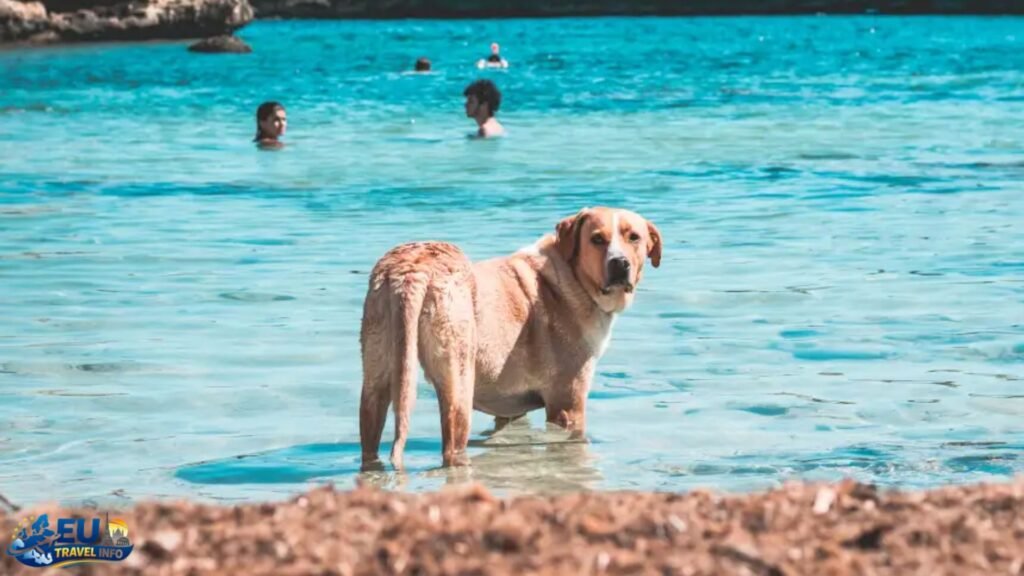
I spent a lot of time looking for the perfect spot for a dip. The RedCanina.es map is the best tool for this. It shows you exactly where dogs are allowed during the summer.
Here are some of the best Dog Friendly Spain:
- Playa de la Rubina (Girona): This was one of the first dog beaches in Spain and is still a top choice.
- Santa Pola: They are constantly expanding their pet services.
- Fuengirola: A great spot in the south.
- Mazarrón (Murcia): They actually have five different areas for dogs.
- Malgrat de Mar: Located on Playa la Conca. It is about a 30-minute drive from Lloret de Mar. The waves can be strong here, so keep an eye on your pup.
Remember that in the Basque Country, dogs are generally not allowed on any beach during the high season. However, from October 1st to May 31st, you can walk your dog on the sand in places like San Sebastian. This is a great reason to visit during the “off-season.”
Dog-Friendly Public Transport in Spain
Moving around without a car can be a challenge, but it is possible.
Trains
The national train company is called Renfe. They have very specific rules:
- Small Pets (under 10 kg): They can travel for free if they are in a carrier. The carrier must be no bigger than 60 x 35 x 35 cm.
- Larger Dogs (up to 40 kg): You can now bring larger dogs on certain high-speed AVE trains. This includes routes between Madrid and cities like Barcelona, Valencia, and Malaga. You have to pay about 35 euros for a dog ticket. Your dog must wear a muzzle and stay on a leash.
- Guide Dogs: They always travel for free and do not need a muzzle.
Buses
Buses are much harder. Most long-distance buses in Spain do not allow Dog Friendly Spain in the cabin. They often require the dog to go in a carrier in the luggage hold below. I would never do that to my dog, so I usually avoid the bus.
Funiculars and Taxis
In San Sebastian, you can take your dog on the Monte Igueldo Funicular for a small fee of about 2.50 euros. For taxis, it is hit or miss. I always use an app or call ahead to ask for a “pet-friendly” taxi.
Practical Tips for Dog-Friendly Travel in Spain
I have learned a few lessons the hard way. Here are my top tips for your trip:
- Watch the Heat: Spanish summers are brutal. The pavement can burn your dog’s paws. I saw a traveler in Tossa de Mar carrying their dog because the ground was too hot. Get some dog shoes or walk early in the morning.
- Muzzles: Even if your dog is not on the PPP list, carry a muzzle. Some trains and ferries require them. It is better to have it and not need it.
- Poop Bags: Always pick up after your dog. This is common sense, but it is also the law. Some cities are very strict about this.
- Water: Always carry a portable water bowl. Hide the bowl at the beach so it does not get full of sand.
- Identify Your Dog: Make sure your phone number (with the country code) is on their collar. If they get lost, someone needs to be able to call you.
- Patience: Not everyone in Spain loves dogs. Be polite, keep your dog close, and respect the “no dogs” signs.
Traveling with my dog in Spain was a grand adventure. It took some extra work, but seeing him run on a beach in Girona or sit next to me in a bar in Bilbao made it all worth it. Spain is opening up its heart to pets. I hope you and your furry friend have the time of your lives.
Safe travels!
Traveling with a Dog Friendly Spain is like having a permanent VIP pass to the most beautiful parks and outdoor cafes in the world. It might take more planning, but the bond you build is the best souvenir you can bring home.
FAQ
What is the most dog-friendly city in Spain?
Bilbao stands out as a top choice. The Basque Country is the most welcoming region for pets. You will see many dogs on the streets there. Many bars in this area allow your dog to sit inside with you.
Can I go to Spain with my dog?
You are welcome to bring your pet to Spain. Your dog needs a microchip and a rabies vaccine. You also must have a European pet passport or a valid health certificate.
Is Barcelona dog-friendly?
This city has many options for pets. You can stay in dog-friendly apartments like Pierre Vacances Barcelona Sants. Some restaurants even allow dogs inside if they display a special sticker. You will also find many dog-friendly parks and beaches.
Is Malaga dog friendly?
Malaga is a great spot for a visit. You can travel there on high-speed AVE trains with dogs up to 40 kg. Nearby towns like Fuengirola have excellent dog beaches.
Can dogs go in restaurants in Spain?
In most of the country, dogs cannot go inside. However, the Basque region allows them in many Pintxos bars. Most places also have outdoor terraces where dogs are welcome because the weather is good.
Is Alicante dog friendly?
Alicante is very accessible for pet owners. You can book a stay at the Casa del Procurador cottage. High-speed trains also connect this city to Madrid for travelers with dogs.
Which country is most dog-friendly?
Spain is making big steps toward being inclusive for pets. Other countries like Austria, Germany, and Switzerland are also leaders because they treat animals as sentient beings in their laws.
Are dogs allowed on beaches in Barcelona?
Barcelona does have dog-friendly beaches. Catalonia is one of the regions leading the way with specific signs and showers for pets at the shore.
Concluding Words
Dog Friendly Spain is a fantastic destination for people who travel with their furry friends. You can enjoy high-speed trains, dog-friendly beaches in Catalonia, and inclusive Pintxos bars in the Basque Country. Remember to check the Animal Welfare Law and have all your paperwork ready before you arrive.
Your trip will be a success if you plan for the heat and follow local rules. Spain is a charming country that will make you and your dog feel right at home.