
I love a good road trip. The open road and the wind in your hair feel great. However, travel is better when you bring your best friend. For me, that friend is my dog. My partner and I decided to take our furry co-pilot on a massive adventure. We drove all the way from the UK to the sunny coasts of Spain. I learned so much on this trip. Are you planning the same thing? If you are a mature traveler who loves a good tour, this guide is for you. I will share my personal experience and all the tips I gathered along the way.
Can I drive to Spain with my dog?
The short answer is yes. You certainly can. It is a big drive, so you must plan well. My journey started in the UK, but people travel from all over. Some even drive from Romania to Spain. Though the trip from Romania to Spain is very long, many people do it to keep their pets with them. You have to think about your dog’s comfort. Do they get car sick? Do they like long rides? These are important questions.
First of all, I had to look at the paperwork. Ever since the UK left the EU, things have changed. Can dogs travel from uk to spain easily? Yes, but you need the right documents. You can no longer use a UK-issued pet passport. Instead, you need an Animal Health Certificate (AHC). This document is quite a beast. It is usually more than nine pages long.
The “Paws-port” and Paperwork
I visited my vet to get everything sorted. Your dog must have a microchip. This is the most basic rule. On top of that, your dog needs a rabies vaccination. This is very important. You must get the rabies shot at least 21 days before the vet signs your travel papers. If your dog is a puppy, they must be at least 12 weeks old before they can even get the shot.
I found out that the Animal Health Certificate is only valid for 10 days for entry into the EU. Therefore, you have to time your vet visit perfectly. It costs between £100 and £250 usually. I suggest you shop around. Some vets charge much more than others. PassPets or AHC Direct might be cheaper than your local clinic.
If you are lucky enough to have an EU Pet Passport, you can use that instead. It makes life much easier. Some people even get a Spanish pet passport while they are on holiday to save money for future trips. A Spanish passport and a rabies shot can cost around €50, which is much less than a UK certificate.
Choosing Your Path: Tunnel or Ferry?
How do you want to cross the water? This is a big choice. Can you take dogs on ferry to spain directly? Yes, you can. Brittany Ferries runs ships from Portsmouth and Plymouth to Bilbao and Santander. These trips are long. They take between 20 and 36 hours.
I liked the idea of a pet-friendly cabin. You can sleep right next to your dog. However, these cabins book up very fast. You must book them months in advance. If you do not get a cabin, your dog might have to stay in a kennel or even stay in the car. MattMBerkshire warned that the ferry can be rocky. My dog Moby handled it well, but the boat was a bit shaky on our way to France.
LeShuttle is another great option. It used to be called the Eurotunnel. This high-speed train takes you from Folkestone to Calais in just 35 minutes. Your dog stays in the car with you the whole time. It is very fast and stress-free. After you arrive in Calais, you have a long drive ahead through France.
The Long Drive: En Route to Spain – Dog Friendly Tips
Once we hit the French roads, the real road trip began. The drive from Calais to the Spanish border is about 11 to 12 hours of actual driving. I highly recommend breaking this up. Do not try to do it all in one go. I made that mistake once. It turned a 7-hour drive into an 11-hour nightmare because of rain and bad traffic.
You should stop every two to three hours. This lets your dog stretch their legs and go to the toilet. I always made sure to have plenty of water. Experts say dogs need at least 15 minutes to blow off steam during these breaks.
French service stations are actually quite good. Some even have dog zones and playgrounds. The Aire de Village Catalan on the A9 is the best one. It has a huge dog run and modern areas for travelers. On the contrary, Spanish rest areas can be a bit basic. Therefore, I always try to fill up and rest well while still in France.
Dog Friendly Hotels in France for Road Trips
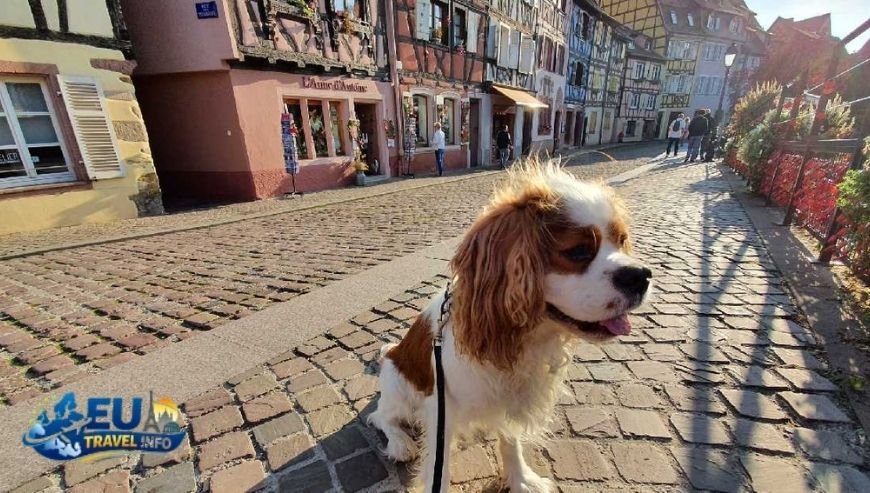
Finding a place to sleep is the most important part of the plan. I spent a lot of time looking for dog friendly hotels in france en route to spain. You want a place where your dog is truly welcome, not just tolerated.
- Novotel Le Mans I stayed here on my first night. It was a fantastic choice. The hotel allows dogs throughout the building. There is also a lovely park right outside. This is perfect for that final walk before bedtime.
- Ibis Hotels These are a lifesaver for road trippers. Most Ibis and Ibis Styles hotels are pet-friendly. They are usually clean and do not cost too much. I stayed at the Ibis in Valladolid on my way down. It was simple but exactly what we needed. Voodoo Blue suggests using the Accor website because it has a great dog filter.
- Stopover Cities I recommend staying in cities like Rouen, Poitiers, or Bordeaux. These cities are beautiful and have many dog-friendly options. In Rouen, we found a very comfortable hotel only two hours away from the Calais port.
When you book, always check the pet fee. It is usually around €10 to €15 extra per night. Also, some hotels do not like it if you leave your dog alone in the room while you go out for dinner. I use a pet monitor app on an iPad to keep an eye on Moby when I step out for a quick bite.
Crossing into Spain: The Basque Country
The moment we crossed the border into Spain, the vibe changed. We entered the Basque Country, which is in the north of Spain. I quickly realized this is the most dog-friendly region in the whole country.
In cities like Bilbao and San Sebastian, I saw dogs everywhere. The best part? Dogs are often allowed inside Pintxos bars! Pintxos are small snacks that the region is famous for. It was so nice to hop from bar to bar with Moby by my side. However, these bars get very crowded on weekends. I suggest going during quieter times so your dog does not get stepped on.
San Sebastian has amazing walks. You can walk along the beach walkways all year long. If you visit between October and May, dogs can even go on the sand. We also took the Monte Igueldo Funicular. They let dogs ride it for a small fee of about €2.50. The view from the top is breathtaking.
Important Rules for Dogs in Spain
While Spain is very welcoming, there are strict laws you must follow. You do not want a heavy fine to ruin your holiday.
- Leash Laws: Dogs must be on a lead in public spaces.
- Cleaning Up: You must pick up dog poo. In many cities, you also have to rinse away dog urine with a bottle of water and vinegar.
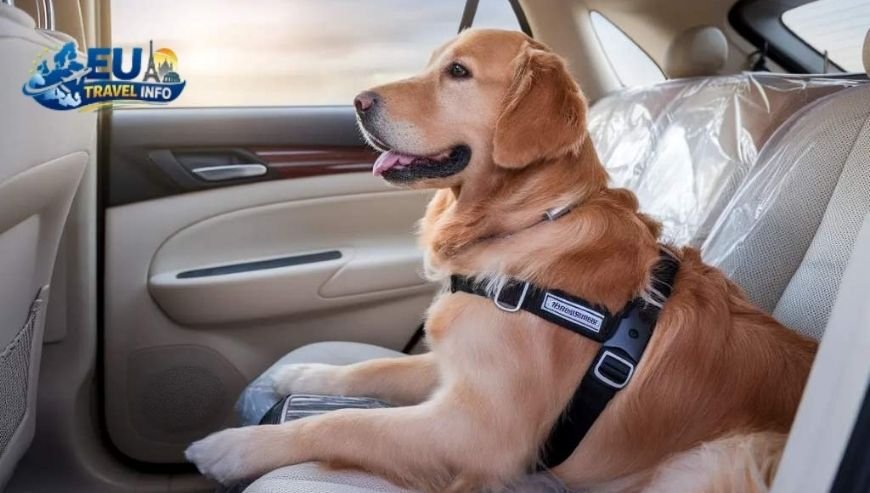
- Car Safety: This is a big one. Dogs must be secured in the car. You can use a crate or a dog seatbelt attached to a harness. Never put a dog in the footwell because of the airbags.
- The “Dangerous Dogs” List: Spain has a list of Potentially Dangerous Dogs (PPP). This includes breeds like Pit Bulls, Rottweilers, and Staffordshire Bull Terriers. If your dog is on this list, they must wear a muzzle in public. You also need a special license and insurance. Even crossbreeds that look powerful might need this license.
Managing the Heat
Spain gets very hot. I traveled in March, and even then it was warm. In the summer, the heat can be dangerous for dogs, especially breeds like Huskies. The pavement can get hot enough to burn paws. Always test the ground with your bare feet. If it is too hot for you, it is too hot for them.
I walked Moby early in the morning and late at night when it was cooler. Additionally, I kept the air conditioning in the car ice cold. Just be careful not to point the fans directly at your dog’s ears, as they can get ear infections from the temperature change.
The Journey Home: The Tapeworm Step
Eventually, every holiday must end. The trip back to the UK has one extra rule. Can dogs travel from uk to spain and back without extra visits? No, you have to see a vet in Europe before you return.
Your dog must receive a tapeworm treatment administered by a vet. This must happen between 24 hours and 120 hours (1 to 5 days) before you arrive at the UK border. The vet will record this in your dog’s AHC or passport. I found that vets in Spain are often cheaper for this than vets in France. It cost us about €14 for the tablet and the stamp.
Packing List for a Stress-Free Trip
I learned that being prepared makes the trip much better. Here is what I always pack:
- Collapsible water bowls for hikes.
- Familiar blankets and toys to help them settle in new hotels.
- A first aid kit for pets.
- Plenty of poop bags.
- A long training lead so they can explore while staying safe.
- A GPS tracker for peace of mind.
FAQ
Can I drive to Spain with my dog?
Yes, you can drive to Spain by crossing the English Channel via the Eurotunnel (LeShuttle) from Folkestone to Calais, or by taking various ferry routes to France and driving down. Alternatively, there are direct ferry crossings from the UK to Northern Spain.
Which ferries to Spain allow dogs?
Brittany Ferries is currently the primary operator for direct routes from the UK to Spain, offering crossings from Portsmouth to Bilbao, Portsmouth to Santander, and Plymouth to Santander.
Can I bring my dog into Spain?
Yes, but you must meet strict health requirements, including a microchip, a valid rabies vaccination (administered at least 21 days before travel), and a valid Animal Health Certificate (AHC) or an EU pet passport.
What are the new rules for dogs in Spain?
As of September 2023, it is illegal to leave a dog unattended for more than 24 hours, inside a closed vehicle, or tied up in public spaces. Additionally, many Spanish municipalities now require owners to rinse away dog urine from streets using water mixed with vinegar or soap.
Can I take a dog on a ferry?
Yes, dogs are permitted on ferries, though rules vary by route. On direct routes to Spain, dogs must stay in pet-friendly cabins, dedicated kennels, or sometimes in the vehicle, depending on the ship’s facilities.
How pet friendly is Spain?
Spain is generally very dog-friendly, particularly the Basque Country, where dogs are often allowed inside pintxos bars. Most restaurants across the country allow dogs in outdoor seating areas.
Is Malaga dog friendly?
Yes, the Malaga region offers several dog-friendly beaches, including Playa de la Viborilla, Playa de la Misericordia (off-season), and Playa de la Araña. There is also a dedicated dog beach in Marbella called Playa Canina El Cable.
Are trains in Spain pet friendly?
Yes, Renfe allows small pets (under 10kg) in carriers on most high-speed and long-distance trains. On specific AVE routes, dogs up to 40kg are permitted without a carrier, provided they are muzzled, kept on a short lead, and remain in a pre-determined seat. Commuter trains (Cercanías) allow dogs of any weight for free, as long as they are muzzled and on a lead.
Is it better to fly or take a ferry to Spain?
For most travelers with dogs, the ferry or driving is preferred because it is less restrictive than flying. Flying is limited by the fact that dogs cannot return to the UK in the cabin, whereas the ferry and Eurotunnel allow for more comfortable shared travel.
How to take your dog in a cabin with you?
On a ferry, you must book a specific pet-friendly cabin in advance, as these spaces are limited and highly popular. For air travel, some airlines like Iberia may allow dogs in the cabin for flights leaving the UK, but you must verify this with their call center.
Concluding words
Planning a road trip from the UK to Spain with a dog requires careful coordination of veterinary documentation, such as Animal Health Certificates and rabies vaccinations. While the drive is long, using the Eurotunnel or booking pet-friendly cabins on ferries can make the journey more comfortable.
Once in Spain, regions like the Basque Country offer exceptional hospitality for pets, and choosing reliable hotel chains like Ibis or Novotel in France ensures you have a safe place to rest along the way.