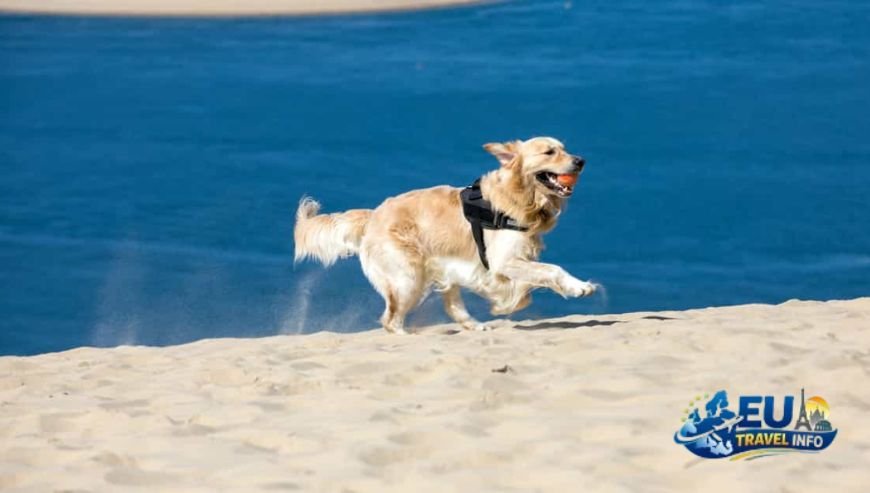
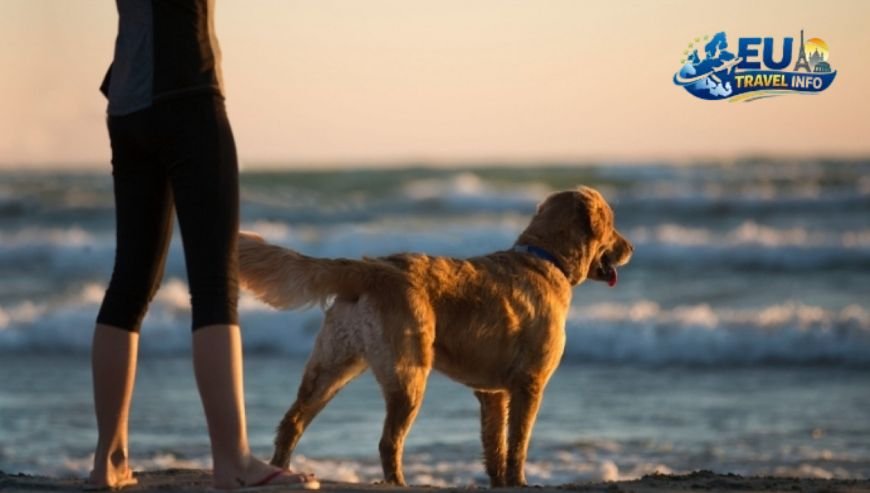
The dream of the French Riviera often involves fancy cars and expensive hotels. However, my dream always included my best friend. That friend has four legs and a very waggy tail. I decided to take a trip to find the perfect Guide to Dog Friendly Beaches in Southern France. My goal was simple. I wanted to see if the sun-soaked coast could be a paradise for pets too. It turns out that France is quite welcoming to our furry companions. In fact, there are about 72 beaches in the country that officially accept dogs. The South of France is a major part of that list. I found that the Alpes-Maritimes department is the most generous, with 37 spots for splashing. The Var department follows with 15 designated areas.
First of all, I had to plan the journey. The logistics of travel with a pet require serious thought. I looked at the data for transportation. The environmental impact matters to me. For instance, a train produces only about 43 grams of CO2 per kilometer per passenger on long distances. On the contrary, a plane produces 196 grams. Therefore, I chose the train. The SNCF has very clear rules. Small pets under 6 kilograms travel in a carrier for a flat fee of 10 Euros. Larger dogs must wear a muzzle and stay at your feet. Their ticket costs 10 Euros on national trains as of 2026. Plus, regional prices vary. In the Sud region, it is a 5 Euro flat rate.
The preparation also involved health checks. I visited my vet. It is important to know that 70 percent of an animal population must be vaccinated to stop epidemics. Additionally, I needed a European pet passport. I also packed a first aid kit. I included a tick remover and digital thermometer. At that time, I learned about the dangers of the South. The heat is the biggest enemy. When the air is 25 degrees Celsius, the tarmac can reach 52 degrees. This can burn paws in seconds. Additionally, I had to watch out for processionary caterpillars in the pine forests during spring. Their hairs are very dangerous and can even be fatal if a dog touches them with its tongue.
Nice: The Gateway to Pet Paradise
I started my adventure in Nice. This city is a leader in canine well-being. It was even voted one of the best cities to live with a dog by “30 Millions d’Amis” magazine. My stay at the Hôtel Locarno Nice was perfect. They welcome pets at no extra charge. At check-in, they gave my dog a water bowl and some treats. They even suggested the best walks. First of all, we hit the Promenade des Anglais. It is a legendary 7-kilometer stretch.
The city created two specific beaches for our four-legged guests. These are the Carras and Lenval beaches. You can recognize them easily. Look for the mascot Totor. He is a quirky sculpture of a dog created by artist Stéphane Bolongaro. One Totor is surfing and the other is a lifeguard. These statues mark the pet zones. On these beaches, category 3 dogs can run free and swim. However, category 1 dogs are not allowed, and category 2 dogs must wear a muzzle and a lead.
Later, we explored the green spaces. The Alsace Lorraine Garden is right in the center of town. It is only a 10-minute walk from the hotel. It is a great spot for shade. The best part is that you can let your dog off the lead here, though you must keep an eye on them. We also visited Castel des Deux Rois Park. It is a massive 3-hectare area with views of the Baie des Anges. Plus, the city provides poop bags all over town to keep things clean.
The Beauty of Antibes and Cannes
The next stop was Antibes. I found a rare gem called Plage de la Fontonne. It is exceptionally dog-friendly. At that time, the parking was free, which is a miracle on the Riviera. The water there is clear and turquoise. However, the entry is a bit rocky for the first 10 meters before it turns to sand. I also enjoyed the view of planes landing at the nearby Nice Airport. It is a unique backdrop for a beach day. Additionally, there are public showers to rinse the salt off your pet. Rinsing is vital to avoid skin irritation.
Gradually, we moved toward the Iles de Lérins. You must take a boat from Golfe-Juan or Cannes to get there. The maritime shuttles usually accept dogs for free. We visited Ile Saint-Honorat and Ile Sainte-Marguerite. These islands allow dogs to explore secluded coves and rocky paths. Just remember to keep them on a lead while on land. Saint-Honorat is a haven of peace. It is the perfect place for a quiet stroll.
The Glamour of the Var Department

Ramatuelle is arguably the most dog-friendly town in the entire Var department. They have a local law that allows dogs on all their beaches if they stay on a lead. This includes famous spots like Pampelonne Beach, Tahiti Beach, and L’Escalet. At L’Escalet, they even have a dog shower to rinse off the sand. The water there is crystal clear. The scenery is stunning.
Similarly, Bandol has a place called Dog Beach. It is a small pebble beach located near the Defferari parking lot. It is well-maintained and has clear water. However, you should be careful of sharp rocks in the water that might hurt a dog’s paws. Another interesting spot is Plage du Mérou in Hyères. It is a sandy beach bordered by a large green lawn. It is a great place for a picnic.
Additionally, Fréjus offers the Plage de l’Argens in Saint-Aygulf. It is divided into zones, with a specific section just for dogs between the kite-surf area and the river mouth. Plus, the very large Plage du Pacha has been open to dogs since 2022.
Exploring Cassis and the Calanques
Cassis is famous for its majestic creeks. To my surprise, the creeks are accessible to dogs. We visited the Calanque de Port Pin. The hike to get there is about 30 minutes and is quite easy. We also saw dogs at the Calanque d’En-Vau. However, that hike is much harder. It takes about two hours each way over rocky paths under a blazing sun. Plus, it can be very crowded. I recommend going early in the morning.
If you do not want to hike, you can try cani-canoeing. The Lo’kayak agency on Cassis beach allows dogs on their canoes and kayaks. They are very welcoming to pets. However, they do not rent life jackets for dogs. Therefore, you should buy one before your trip. A life jacket is essential equipment even if your dog is a good swimmer.
Later, we visited La Ciotat. This town is labeled a “Animal Friendly City”. There is a special dog beach south-west of Capuchin Beach. It is a small space delimited by buoys. It does not have much sand, but it is a place where dogs can dip and play. Similarly, the Liouquet beach near La Ciotat also allows dogs.
The Delights of the Hérault and Montpellier
Montpellier was recently voted the most dog-friendly city in France for the third year in a row. Public transport is free for pets here. There are many parks to explore, like Le Montcalm Park and the Meric estate park. Around the city, you can find great swimming spots. The Grand Travers beach in La Grande Motte has a specific section at access number 60 for families with dogs. It is open all year and is very clean.
In Sète, the Vassal Estate Beach accepts dogs all day long throughout the year. Similarly, the Plage du Clôt in Agde is a top choice. It is also known as tamarissière beach. It is the only beach in that area accessible to dogs during the summer. From September to April, dogs can be off-leash anytime. However, during the high season from May to September, they can only be off-leash from 7 a.m. to 9 a.m. and 7 p.m. to 9 p.m.. The rest of the time, they must be on a lead.
We stayed at the La Tamarissière campsite. It is a 4-star eco-friendly site nestled in a pine forest. They have a “doggy bar” at reception and even a special shower to rinse your pet after the beach. Additionally, they allow one dog per rental or two per pitch. Just note that category 1 and 2 dogs are not allowed on the site.
Moving Toward the Spanish Border
The Pyrénées-Orientales department also has some gems. In Argelès-sur-Mer, you can visit the Racou Dike. It is a peaceful area bordered by small coves. Unlike the main beach, the seawall is open to dogs all year. Another option is Marenda Beach. It is wilder and borders a nature reserve. Dogs are allowed in the northern area on a lead.
In Canet-en-Roussillon, the Lido Beach is the largest in the resort. It stretches over 1.5 kilometers. It is a wild, unsupervised beach where dogs are allowed on a lead all year. However, you must be careful because the water can be rough. Finally, the Mouth Beach in Torreilles is great, but it has restrictions. Dogs are forbidden from June 15th to September 15th. Outside of those dates, they are welcome on a lead.
Essential Tips for Your Southern France Trip
Throughout my journey, I noticed a few things. First of all, never leave your dog alone in a car. Even in the shade with windows open, a car becomes a furnace. Studies show that after 3.5 hours at an outside temperature of 29 degrees Celsius, the inside can reach 67 degrees. A dog can die in just two hours in those conditions. Therefore, always take them with you.
On top of that, be careful with salt water. Many dogs love to swim, but they should not drink the sea water. It can cause stomach issues or nervous system problems. Always bring a fresh water bottle and a bowl. Similarly, check the dog friendly beaches south of france map before you go. Rules change often. Municipalities might allow dogs one year and forbid them the next. Always look for the signs at the beach entrance to avoid a fine. Fines can be as high as 135 Euros in some areas like Chatelaillon.
Additionally, consider the breed rules in France. Category 1 dogs, which are “attack dogs” like Pitbulls without pedigree, are often forbidden from public spaces. Category 2 dogs, or “guard dogs” like Rottweilers, must be muzzled and leashed. If you have a category 3 dog, which includes most standard breeds, you will have much more freedom.
Looking Toward Future Adventures
While I focused on the South, I am already looking at a dog-friendly beaches france map for my next trip. I hear the north is also wonderful. I might check out a dog-friendly beaches normandy guide or look for a dog friendly beaches brittany map. The department of Manche in Normandy is actually called the most dog-friendly in France, with 40 beaches allowing pets. I also want to find a dog friendly beaches northern france spot for a shorter weekend trip.
Finally, I plan to visit some dog friendly lakes in france. The Lac du Salagou in the Hérault is famous for its unique red soil. You can do paddle-boarding or pedal-boating with your dog there. Just be warned that the red mud might turn a white dog pink for a few days! Similarly, the Lac de Saint-Ferréol allows dogs on the 4.5-kilometer walking path around the water, though not on the beach itself.
If you prefer a more luxury experience, you could search for a dog friendly beach club south of france. Some private beaches, like Plage Royale and Plage Keller in Antibes, do allow dogs. It is always best to call and check if you have booked a sun bed for the day.
FAQ
Can dogs go on beaches in the south of France?
Yes. The Alpes-Maritimes department offers 37 beaches for dogs. The Var department has 15 areas. Therefore, your pet has many options for a splash.
Where is the most dog friendly place in France?
Montpellier is a top choice. It was voted the most dog-friendly city for three years in a row. Additionally, the Manche department in Normandy is the most friendly region with 40 beaches.
What beach is the most dog friendly?
The Plage de l’Argens in Saint-Aygulf holds this title. It features a large area specifically for pets. Plus, it offers a great environment for play.
Are Normandy beaches dog friendly?
They are very welcoming. The department of Manche leads the country with 40 open beaches. Also, many top lists rank Normandy highly for pet travel.
What are the new rules for taking a dog to France?
You must have a microchip and a rabies vaccine. A European pet passport is also a requirement. Additionally, your pet needs an up-to-date health record. Be aware that category 1 dogs are often forbidden from public spaces.
Can dogs stay in hotels in France?
Yes. Many hotels welcome pets. For instance, the Hôtel Locarno Nice accepts them for free. Similarly, the Hotel West End Nice is a pet-friendly option. Look for the QUALIDOG label for the best results.
Which South Coast beaches are dog friendly?
Nice has the Lanterne and Lenval beaches. Menton offers the Casino and Hawaii beaches. On top of that, Plage de la Fontonne in Antibes is an excellent choice.
Are dogs allowed everywhere in France?
No. They are usually forbidden in shops. You must ask for permission at restaurants. Later, you will find that many main beaches forbid dogs during the busy summer season.
Do dogs need muzzles in France?
Yes, in specific cases. Category 2 dogs must wear them in public areas. Additionally, any dog over 6 kilograms must wear a muzzle on national trains. Therefore, you should always carry one.
Concluding words
Southern France is a wonderful place for a holiday with your pet. You will find many designated beach zones in Nice, Menton, and Antibes. Though some areas have strict summer rules, cities like Montpellier lead the way in canine well-being.
Always remember to check local signs and bring fresh water to avoid salt water issues. Finally, your bond with your dog will grow stronger after a sun-filled adventure on the Mediterranean coast.