
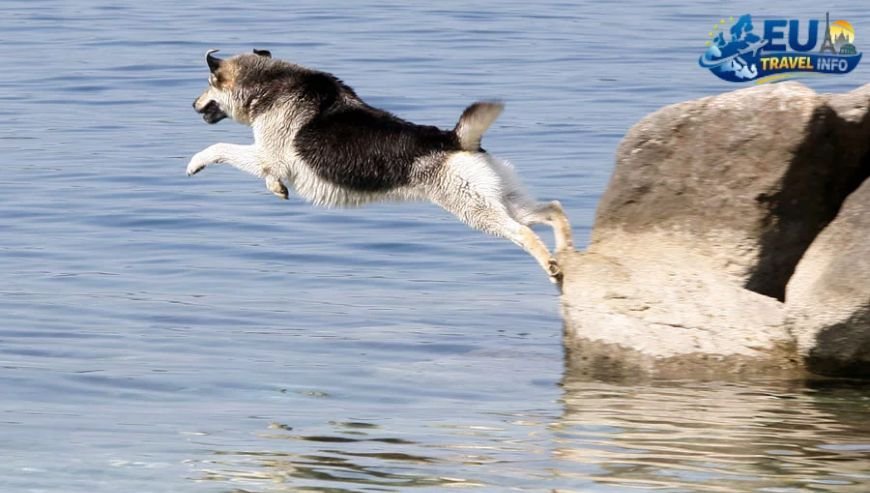
This was the first question I asked myself when I looked at a map of the Adriatic Sea. I have always loved to travel, and I hate to leave my furry friends behind. I found that Croatia is a very welcoming place for pets. It has over 10,776 pet-friendly properties listed on sites like BringFido. You can find everything from luxury hotels to small apartments with yards. The country has a long coastline and many islands that offer fun for you and your dog. Plus, the Dalmatian dog is the official dog of this land. Historically, people used these spotted dogs as carriage companions. Therefore, it makes sense that the locals are used to seeing dogs on the move. In this guide, I will share everything you need to know about taking your dog to croatia.
First of all: The Paperwork and Travel Rules

You must understand the croatia pet travel requirements before you book your trip. It is your job to make sure your pet meets all the health rules. First of all, your dog must have a working microchip. This microchip must be ISO-compliant. ISO-compliant chips usually have 15 digits and meet international standards. You must ensure the vet scans the chip before the dog gets a rabies shot. Additionally, a valid EU Pet Passport is necessary for entry. If you do not have one, you need an EU veterinary health certificate.
Rabies rules are very strict in the European Union. You must vaccinate your pet against rabies after the microchip is in place. A “primary” vaccination is the first one after the chip is implanted. For this type, you must wait at least 21 days before you can travel. Some vaccine makers suggest you wait 30 days instead. If you are taking dog to croatia from uk, you should know that the UK is no longer in the EU. You will need specific health papers to cross the border. On top of that, your dog needs treatment against the tapeworm Echinococcus multilocularis. A vet must give this treatment 1 to 5 days before you enter certain countries, though Croatia does not always require it for entry from every port.
The status of your country matters a lot. Low-risk countries like the USA, Canada, and Russia have simpler rules. High-risk countries include places like Serbia, Montenegro, and Turkey. If you come from a high-risk area, your dog needs a rabies antibody titre test. A vet must take a blood sample at least 30 days after the rabies shot. You then have to wait 3 months after the blood test before you enter the EU. The test must show at least 0.5 IU/ml of antibodies. Finally, keep in mind that you cannot bring more than five pets for a non-commercial trip. If you have six or more, you must follow commercial import rules.
Gradually Getting There: Transport Options
You have many ways to travel around the country once you arrive. I found that renting a car is the best choice. A car gives you the freedom to find places with yards for your dog. It also allows you to visit hidden gems like Trsat Castle or the town of Bale.
However, public transport is also an option if you are careful. Zagreb has a great tram system. Small dogs under 30 cm in height can travel in a carrier for free. Larger dogs must wear a muzzle and be on a short leash. You must enter through the front door of the tram with a large dog. Additionally, you must pay for a ticket for a larger pet. You should also carry cleaning supplies to pick up any mess your pet might make.
Train travel with the Croatian Railways follows similar rules. Small pets in bags or on your lap travel for free. Large dogs taller than 30 cm need a pet passport and a muzzle. You must pay 50% of a second-class ticket for them. If you want to use a sleeping car, you must book the whole compartment for yourself. Similarly, buses can be tricky. There is no set national policy for dogs on buses. It is usually up to the driver to decide. Some drivers love animals, but others might say no. It is best to be flexible if you use the bus.
Ferries are a big part of travel in Croatia. All pets are allowed on the ferries operated by Jadrolinija. Dogs must wear a muzzle and stay on a leash. Usually, pets must stay on the outside deck. They are not allowed in indoor passenger spaces like restaurants or toilets. However, I noticed that people often ignore these signs if it is not crowded and the dog is well-behaved. Small pets can go inside if they are in a bag with a waterproof bottom. These bags must be no larger than 45 x 35 x 25 cm. On some car ferries, you can keep your dog in the car during the crossing. This is very easy because you do not need a muzzle or a leash while inside your vehicle.
Exploring the Outdoors: National Parks
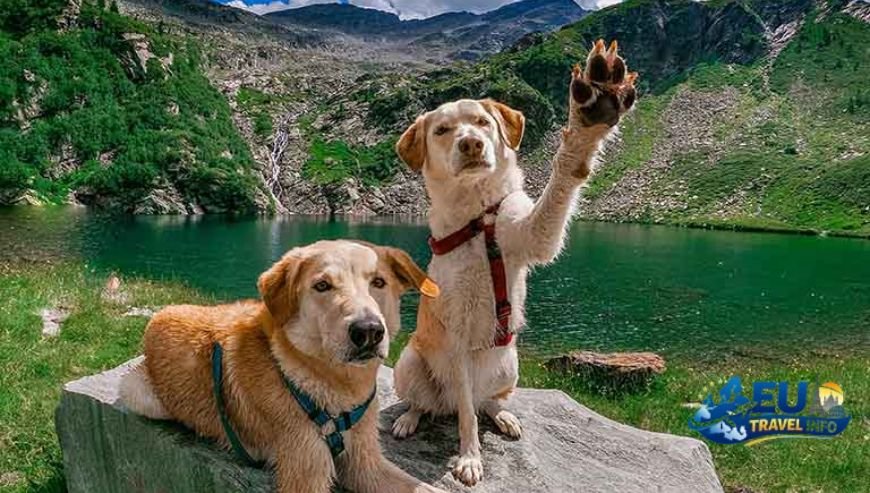
Croatia has stunning national parks that you can visit with your pup. Plitvice Lakes National Park is a must-see. Dogs are welcome here as long as they stay on a leash. They can even ride on the panoramic trains and the boats within the park. You should plan to spend 5 to 7 hours exploring the lakes. Note that the trails have many wooden boardwalks. Therefore, you should wear comfortable shoes with a good grip. It is also important to know that swimming is strictly forbidden in the lakes to protect the nature. Tickets are expensive in the summer, costing around €40, but the price drops to €10 in the winter.
Krka National Park is another gem in central Dalmatia. It has 22 educational walking trails that cover 47 kilometres. All dogs must be on a leash at all times. You can take your dog on the boat from Skradin to the famous Skradinski buk waterfall. This waterfall is very loud and is the most visited spot in the park. On top of that, you can see restored watermills and old smithy shops. However, dogs are not allowed on Visovac Island. This island is home to a very old Franciscan monastery. The park is a natural monument with 1197 plant species and 230 bird species. I highly recommend the trail to Manojlovac slap, which is the tallest waterfall on the river.
City Life: Split, Zadar, and Zagreb
Zagreb is a very friendly city for dogs. It is full of green spaces like Maximir Park. You can find many water fountains for your dog to drink from. Most locals here seem to genuinely love animals. There are even special dog parks where they can run off-leash. I stayed at the City Hotel in Zagreb, and they gave us a dog bed and treats upon arrival.
Split is also a great place to visit with a dog. You can walk through the ruins of Diocletian’s Palace with your pup. Many restaurants in Split will welcome your dog with open arms. Fantažija Kitchen & Wine is a top spot that provides water bowls and treats. Another good place is Konoba Atlantida, which serves local fish and stews. If you want pizza, Basta has an outdoor area that is perfect for pets.
Zadar is famous for its history and its proximity to the coast. You can walk to the old town from hotels like Hotel A’mare. The city is a good base for road trips to places like Vecka Kula Beach. Later, you might want to visit Dubrovnik. You can actually walk along the City Walls of Dubrovnik with your dog for free. The walls are about 2 kilometres long. Just make sure you use a short leash because some parts have very high drops.
Hit the Beach: Coastal Fun
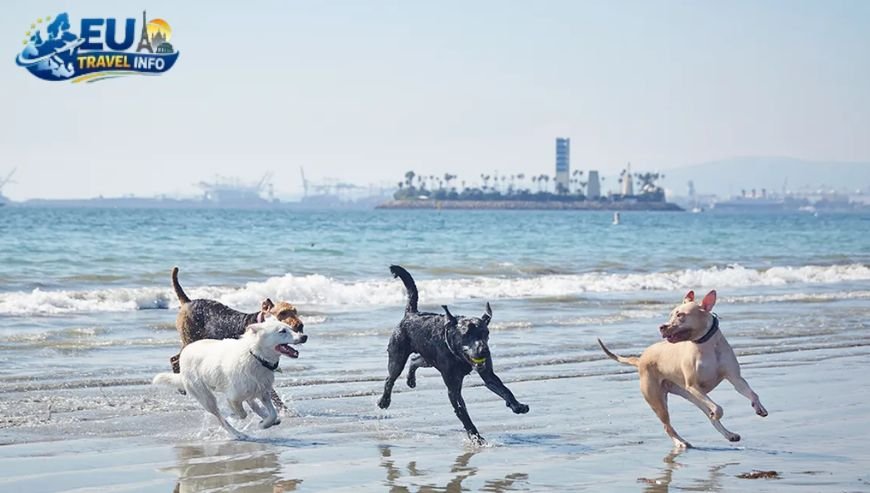
The highlight for many is the opatija dog-friendly beach options. You can find a dedicated spot at Punta Kolova. This beach is not in the center of town. You must walk along the Lungo Mare Promenade towards Ika for about 4 kilometres. It is situated right in front of Villa Frappart. Additionally, you can visit Slatina Beach for more amenities.
On top of that, Crikvenica has one of the best dog beaches in the world called Podvorska Beach. This beach is home to Monty’s Dog Beach and Bar. It has a certified agility park and even a dog menu. Your dog can run off-leash and swim in the clear blue water. Gradually, more places are adding these amenities.
Here is a list of some other top dog beaches in Croatia:
- Vela Beach in Baška (Krk Island): This is a rare sandy beach with natural shade from a forest. It has a fenced area to keep your dog safe.
- Kašjuni Beach in Split: This beach is in the Marjan area. You can take bus number 12 to get there.
- Vartalac Beach in Komiža (Vis Island): This is the only beach on Vis where pets are officially welcome. It is a 15-minute walk from the town center.
- Sakarun Beach on Dugi Otok: This beach has white sand that looks like the Caribbean. You can get there by ferry from Zadar.
- Hundestrand in Rovinj: This is a small pebble beach where dogs can play off-leash.
Gradually Wrapping Up: Essential Pet Tips
It is important to be prepared for the local nature. You should be careful of wild animals like wild boars or poisonous snakes in some areas. Also, watch out for the pine processionary moth caterpillar. These can cause bad skin reactions for your dog. Plus, be wary of country dogs that might be protecting their property.
If your dog gets sick, do not worry. Croatia has many great vet clinics. In Zagreb, the Buba Veterinary Clinic offers 24/7 emergency care. It has state-of-the-art labs and x-ray machines. There is also the Pet Vet clinic in Buzet if you are in the Istria region. They have been around for 20 years and even make house calls.
You should also know where to buy supplies. The Pet Center in Zagreb is huge. It is about the size of a large pet store in the USA and has its own pharmacy. I was able to get heartworm and arthritis medicine there very easily.
FAQ
Can I bring my dog to Croatia?
Yes, you can bring your dog to Croatia by presenting an EU Pet Passport or a valid EU veterinary health certificate that includes proof of a microchip and rabies vaccination.
Are dogs allowed in restaurants in Croatia?
Many restaurants in Croatia are dog-friendly, particularly those with outdoor seating areas, and some establishments in cities like Split or Zadar even allow well-behaved pets inside.
Are dogs allowed on beaches in Croatia?
Dogs are allowed on numerous designated dog beaches along the coast, though they are strictly prohibited from swimming at Blue Flag beaches and within the waters of national parks like Plitvice.
Where to go with a dog in Croatia?
Highly recommended regions include Istria for its dog-friendly resorts, Dalmatia for historical sites like Diocletian’s Palace, and Zagreb for its expansive green spaces and dog parks.
What European country is most dog friendly?
According to some travellers, Italy is perceived as more dog-friendly than Croatia.
Is Dubrovnik dog friendly?
Yes, Dubrovnik offers pet-friendly accommodation like The Pucic Palace, allows leashed dogs on the City Walls, and has specific beaches like Mandrač.
What is the unspoken rule in Croatia?
The unspoken rule is that “no-dogs” signs in certain parks and ferries are often ignored by locals and visitors if the pet is well-behaved and the owner cleans up.
What is the most popular dog in Croatia?
The Dalmatian is the official dog breed of Croatia and is a symbol of the country’s heritage.
What beach is the most dog-friendly?
Podvorska Beach in Crikvenica is considered the “gold standard” for dog beaches and features a specialised bar and restaurant for dogs.
What can you not bring into Croatia?
You are prohibited from bringing dangerous dogs (specifically Bull Terrier types without an FCI pedigree) and aggressive animals or reptiles onto certain public vessels.
What is the best place to vacation with dogs?
Croatia is a top vacation choice for pet owners due to its designated dog beaches, pet-friendly national parks, and welcoming attitudes in major cities.
Concluding words
Croatia is a welcoming destination for pet owners, offering dog-friendly beaches, parks, and historical sites like the Dubrovnik City Walls. To ensure entry, owners must provide a microchip and rabies vaccination record or an EU Pet Passport.
While public transport and restaurant policies can vary, renting a car and choosing outdoor terraces provide a smooth experience for those travelling with dogs. With its official Dalmatian breed and growing number of specialised dog amenities, Croatia remains a premier choice for a pet-inclusive European holiday.